
 CZ
CZ SK
SK HU
HU AT
AT DE
DE ES
ES SI
SI HR
HR
Nothing in the basket.

- Search
-
Login

-
0
Comparison
Add products to compare, then they will appear here and you can compare parameters.
-
0
0 €
Tilta Mirage Pro Matte Box VND Kit
SKU: MB-T17-A
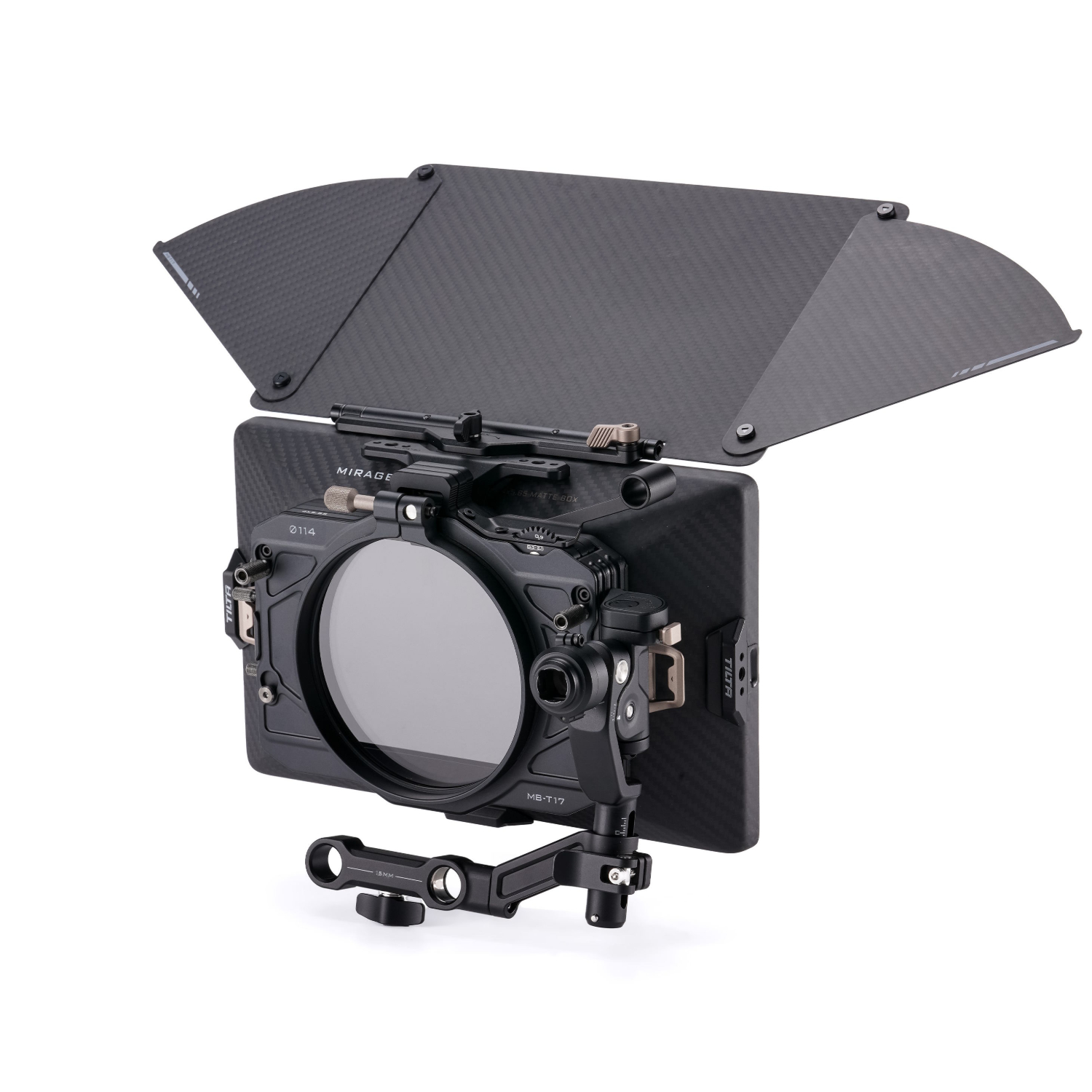
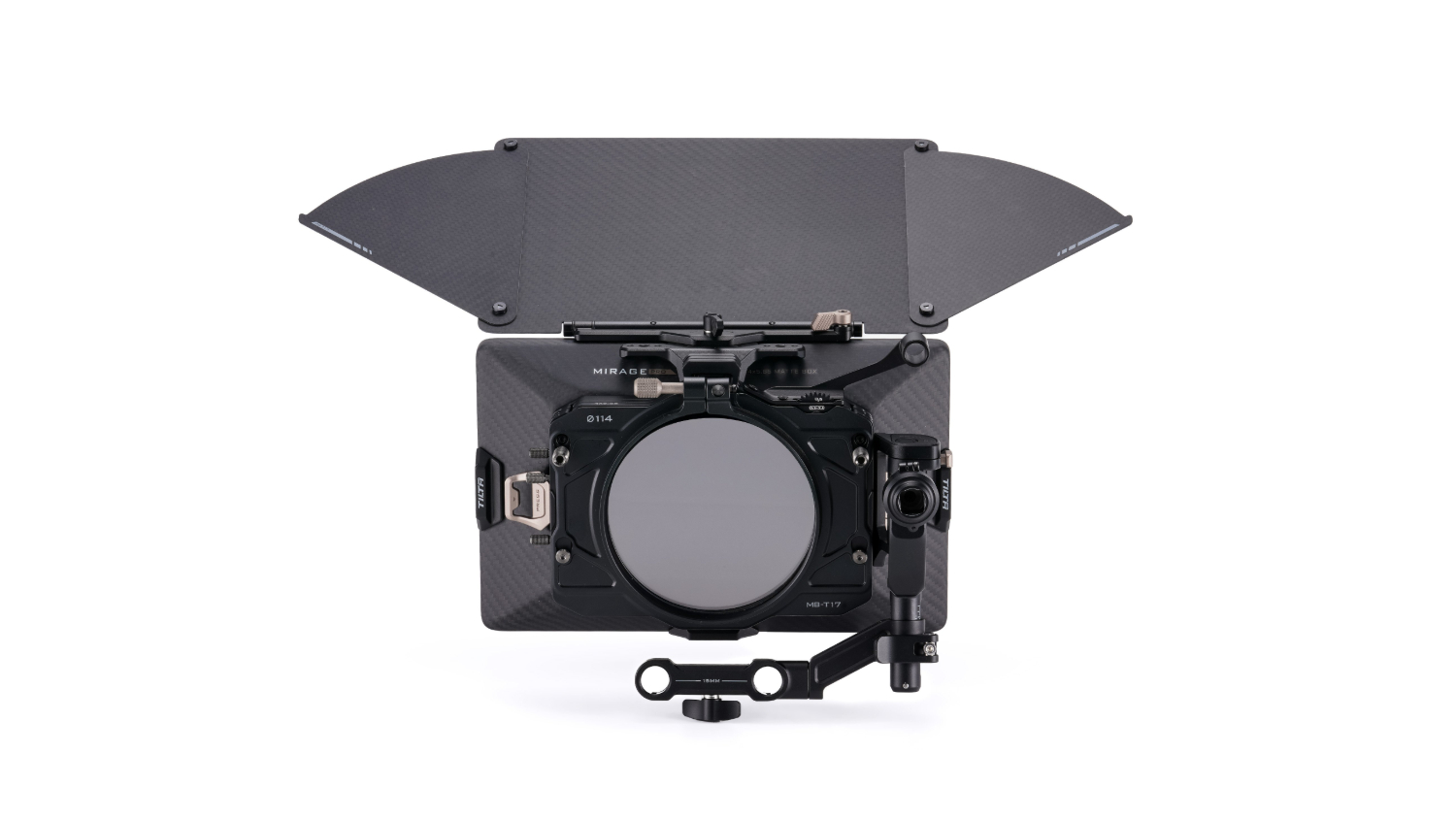
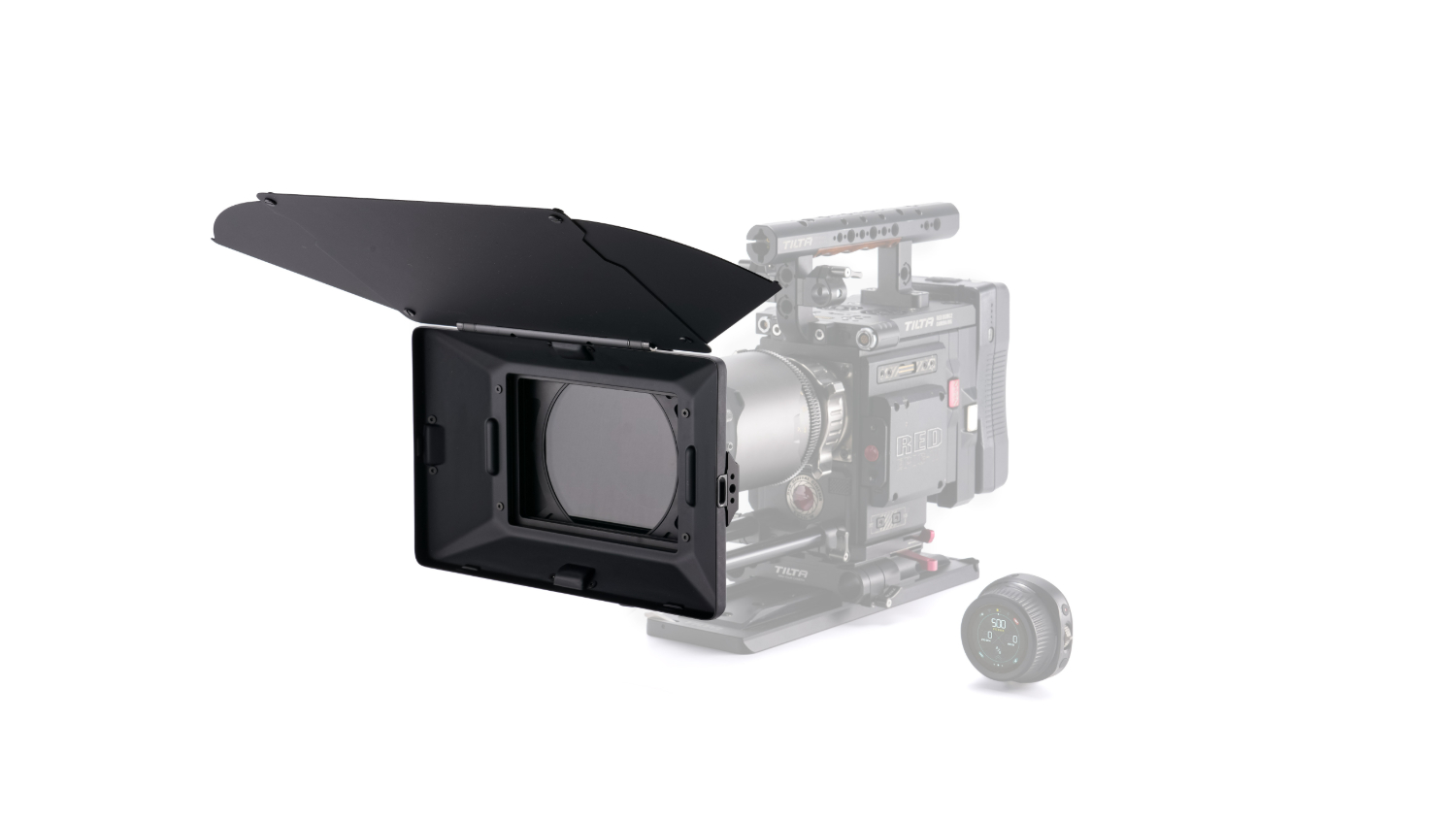
The Tilta Mirage Pro VND Kit is a carbon fibre clamp-on matte box with a 114 mm variable ND filter covering 1 to 7 stops of light.
1 029 € with VAT
850.41 € without VAT
Availability
on request
Top accessories for Tilta Mirage Pro Matte Box VND Kit
Tilta 80mm Cinema Adapter Ring For Tilta Mirage
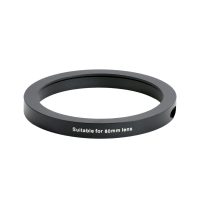
The Tilta 80 mm Cinema adapter ring puts the Tilta Mirage matte box on a compact
23 €
In stock > 5 pcs
77mm Adapter Ring for Tilta Mirage V2
The Tilta MB-T16-77V2 adapter ring screws into the 77 mm filter thread of a photo
15 €
In stock 3 pcs
52mm Adapter Ring for Tilta Mirage
The Tilta 52 mm adapter ring screws into the filter thread of a photo lens and the
15 €
In stock 3 pcs
55mm Adapter Ring for Tilta Mirage
Promotion: -10%
The Tilta 55 mm adapter ring screws into the filter thread of a photo lens and the
13.12 €
14.52 €
In stock 2 pcs
Tilta 4x5.65 Filter Tray for Tilta Mirage Pro Matte Box
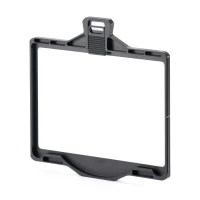
The Tilta MB-T17-FT 4×5.65″ Filter Tray is the slide-in frame that holds a rectangular
22 €
In stock 2 pcs
82mm Adapter Ring for Tilta Mirage V2
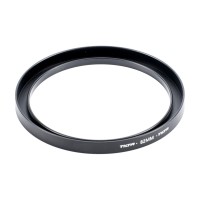
The Tilta MB-T16-82V2 adapter ring screws into the 82 mm filter thread of a photo
15 €
In stock 3 pcs
Tilta Adapter Ring for Tilta Mirage Matte Box (82mm)
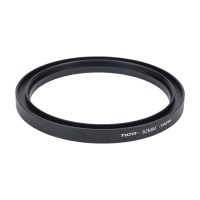
The Tilta 82 mm adapter ring screws into the filter thread of a photo lens and the
15 €
In stock 1 pcs
Tilta Top Flag for Tilta Mirage Pro Matte Box
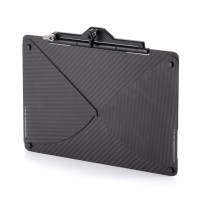
The Tilta MB-T17-TSF Top Flag is a carbon-fibre flag for the Mirage Pro matte box.
59 €
In stock 2 pcs
72mm Adapter Ring for Tilta Mirage V2
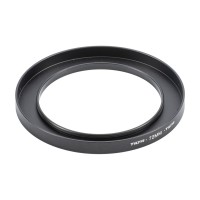
The Tilta MB-T16-72V2 adapter ring screws into the 72 mm filter thread of a photo
15 €
In stock 2 pcs
Tilta Adapter Ring for Tilta Mirage Matte Box (85mm)
The Tilta 85 mm adapter ring screws into the filter thread of a photo lens and the
15 €
In stock 2 pcs
Product description
SPECIFICATIONS
PACKAGE CONTENT

Product description
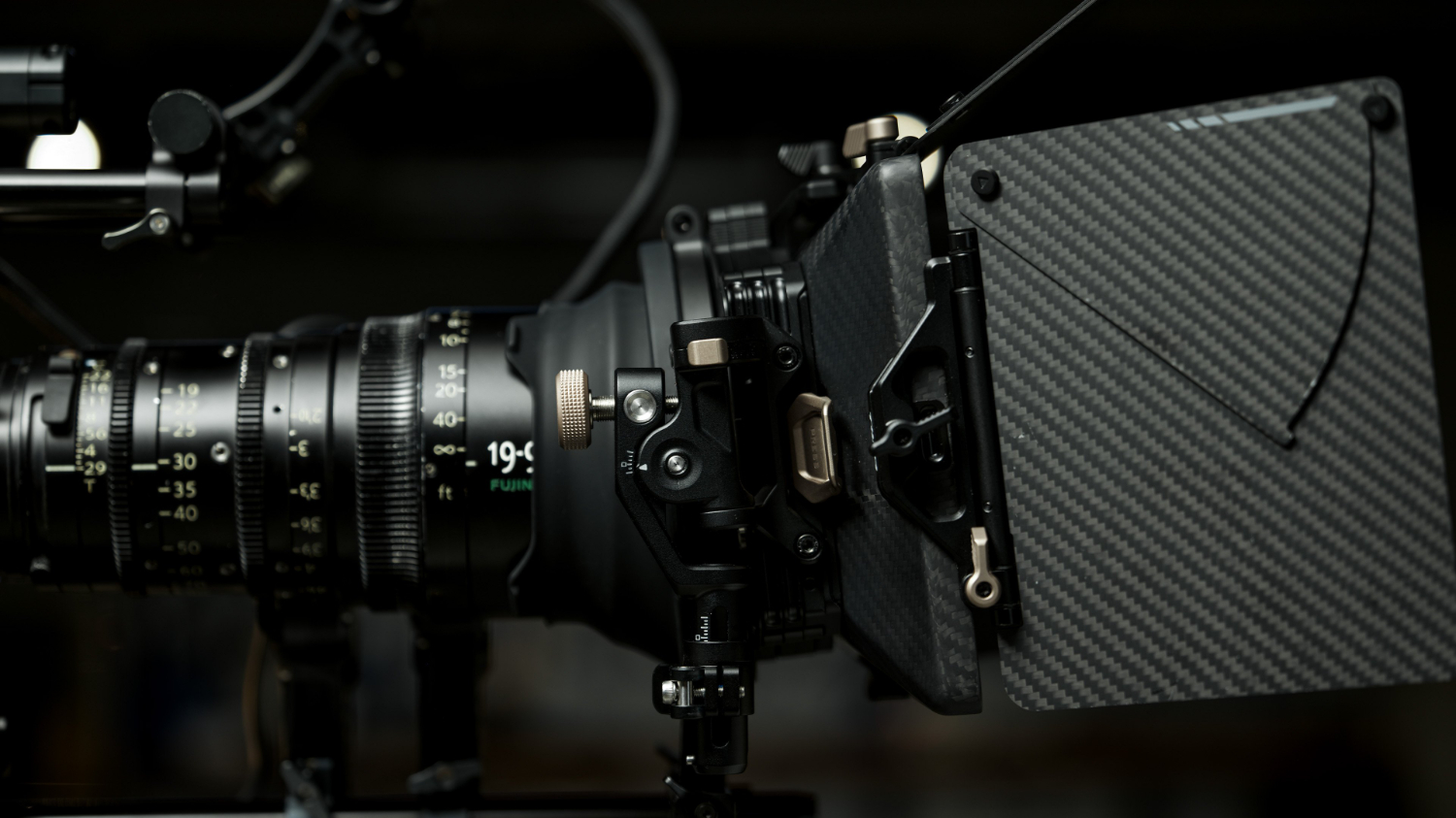
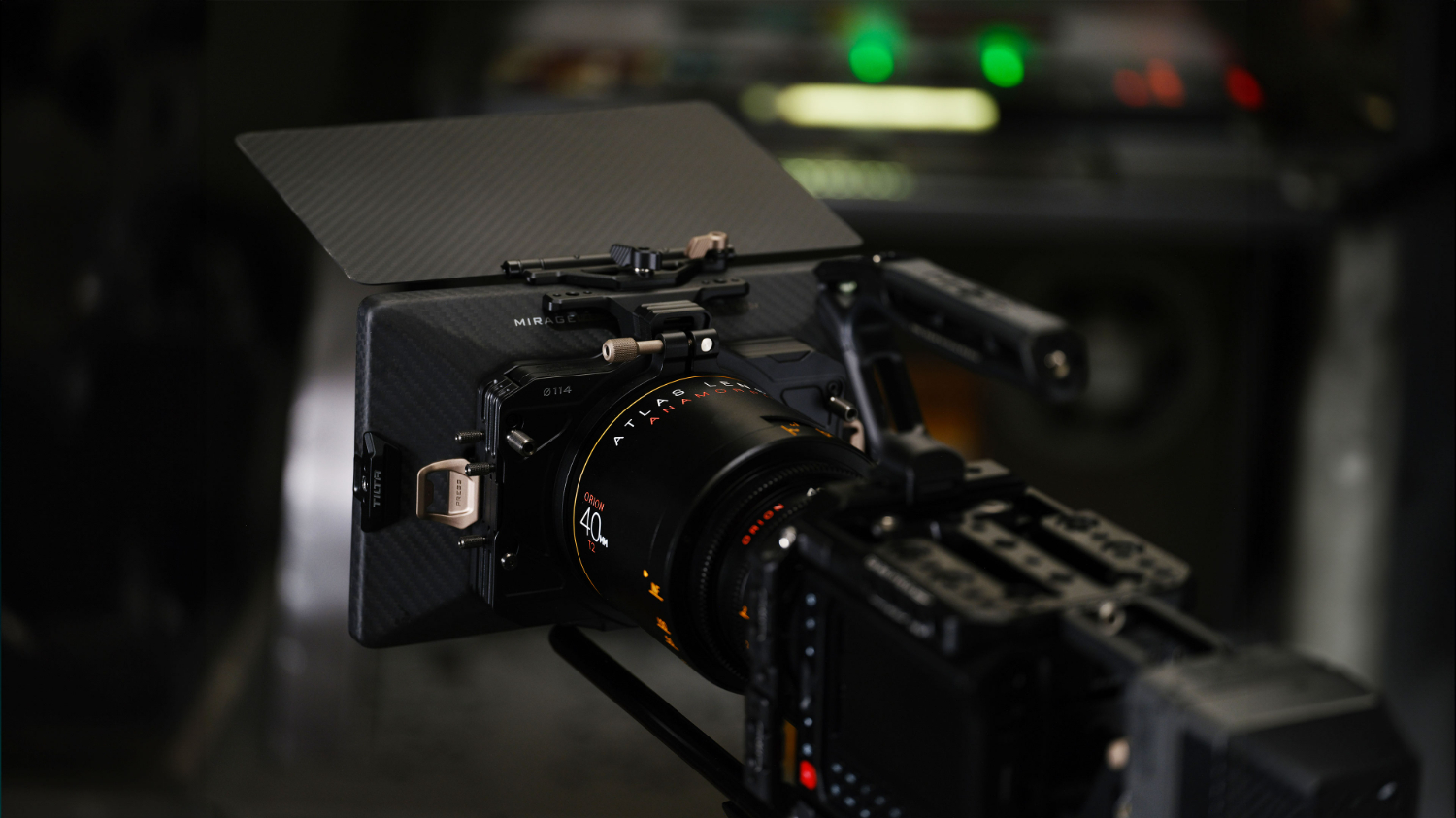
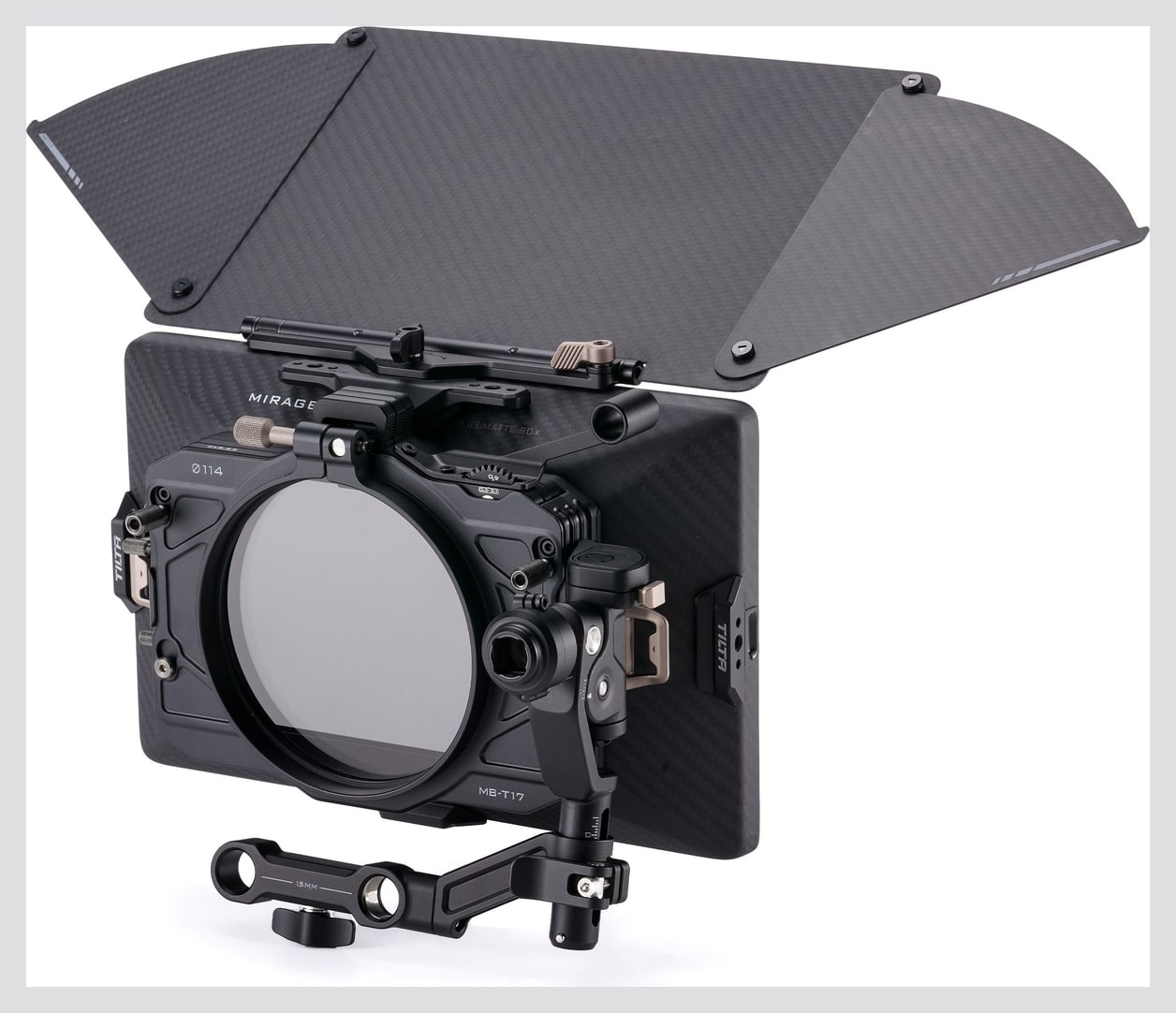
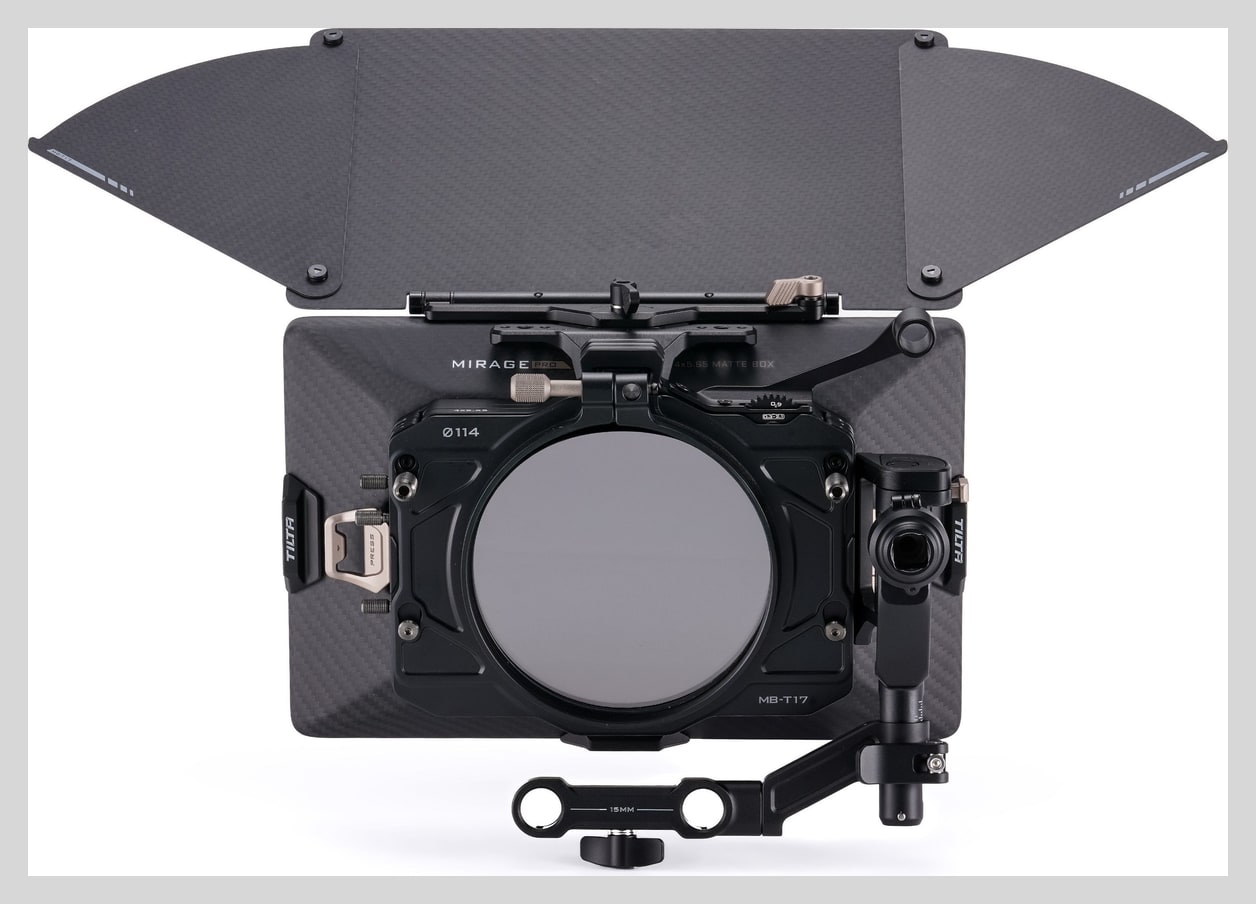
The Tilta Mirage Pro VND Kit is a carbon fibre clamp-on matte box with a 114 mm variable ND filter covering 1 to 7 stops of light.
Interchangeable backings fit eight lens diameters from 95 to 136 mm, and three 4×5.65″ filters stack inside.
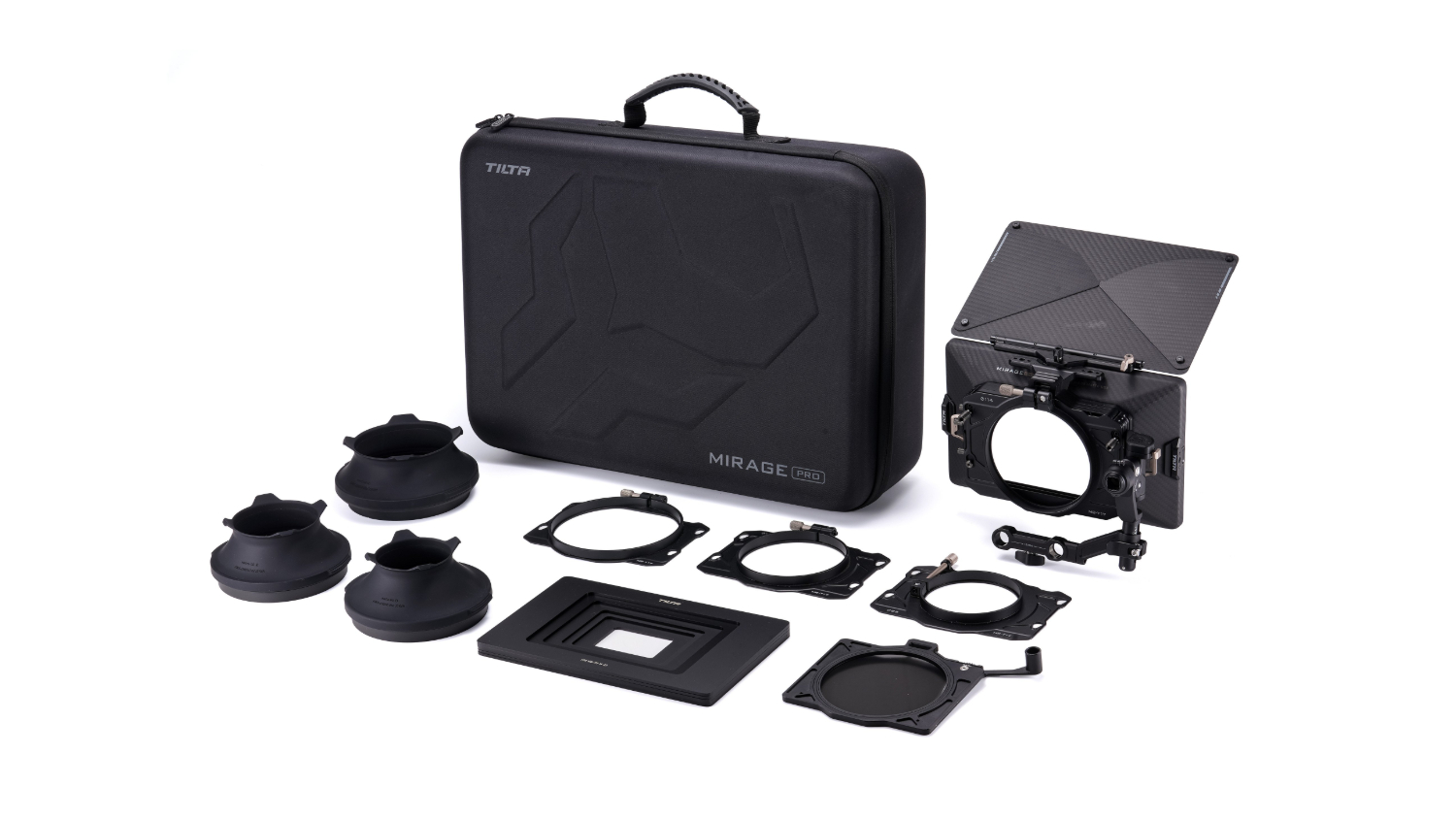
The kit also contains rubber donuts, hard matte masks and an adapter for a wireless motor that controls the ND remotely.
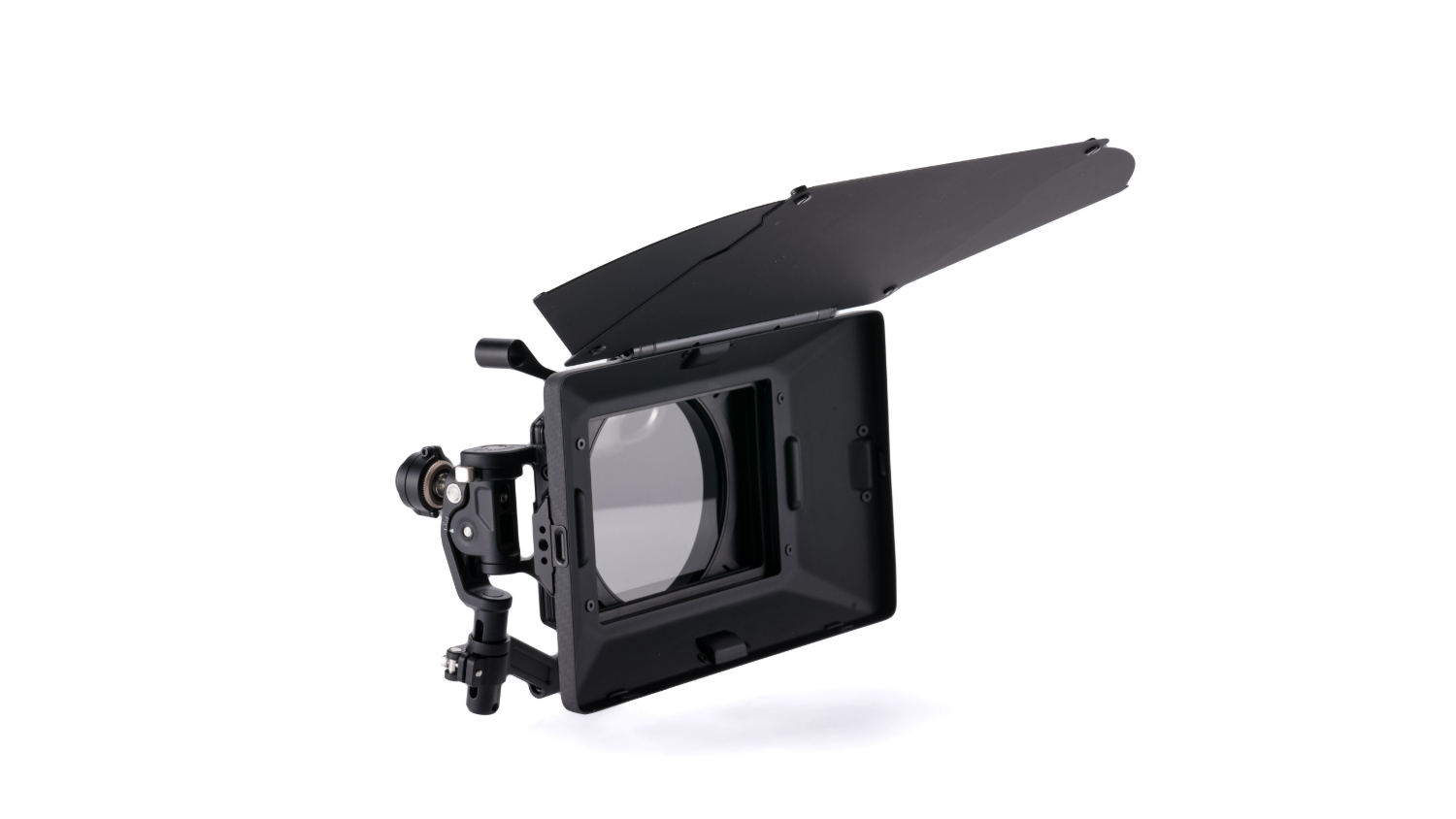
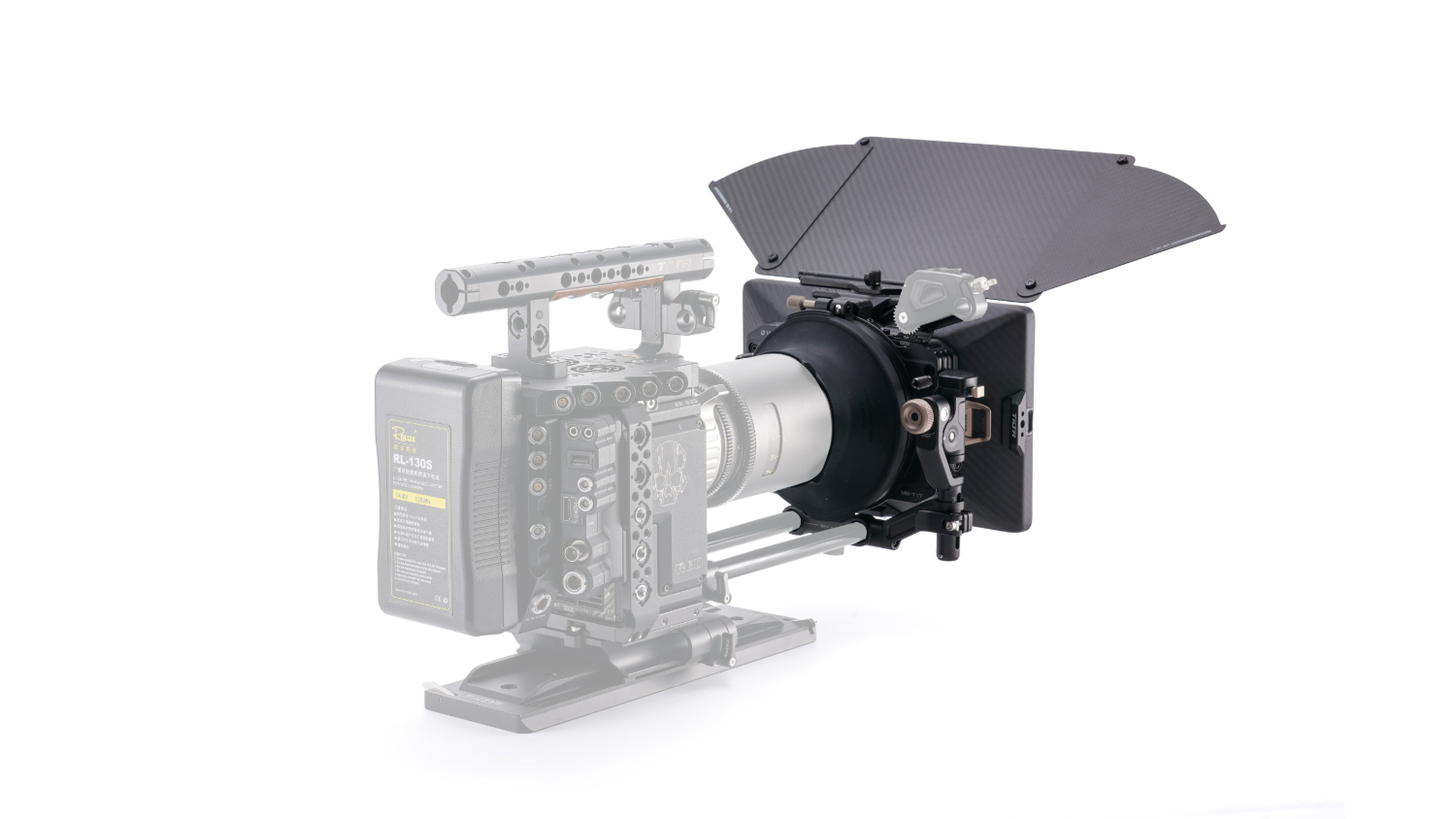
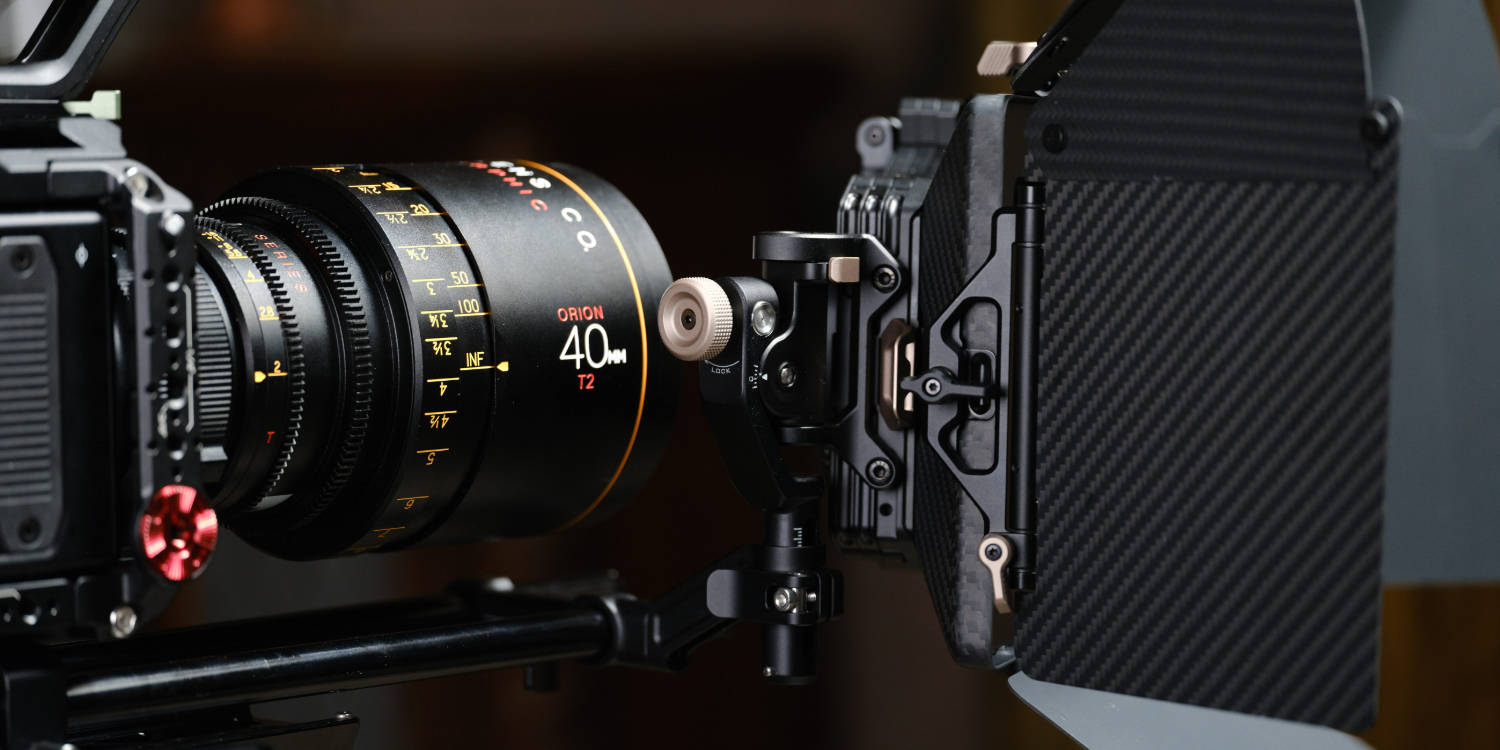
The Tilta Mirage Pro Matte Box VND Kit is a carbon fibre clamp-on matte box with a 114 mm variable ND filter covering 1 to 7 stops, a swing-away adapter, a 15 mm LWS rod adapter, a rubber donut kit, hard matte masks and an adapter for a wireless motor. The ±25° tilt and ±15 mm height adjustment clear internal reflections out of the rig without touching the lens.
A carbon fibre body that weighs 621.5 g
The Mirage Pro body is made of high-strength, matte-finish carbon fibre. In its most compact configuration it weighs 621.5 grams, so it does not drag the rig down on a gimbal or a crane. The whole matte box is a kit of parts: hood, flags, filter trays and backing all come off without tools, so you build exactly the configuration the scene calls for.
Interchangeable backings for eight lens diameters
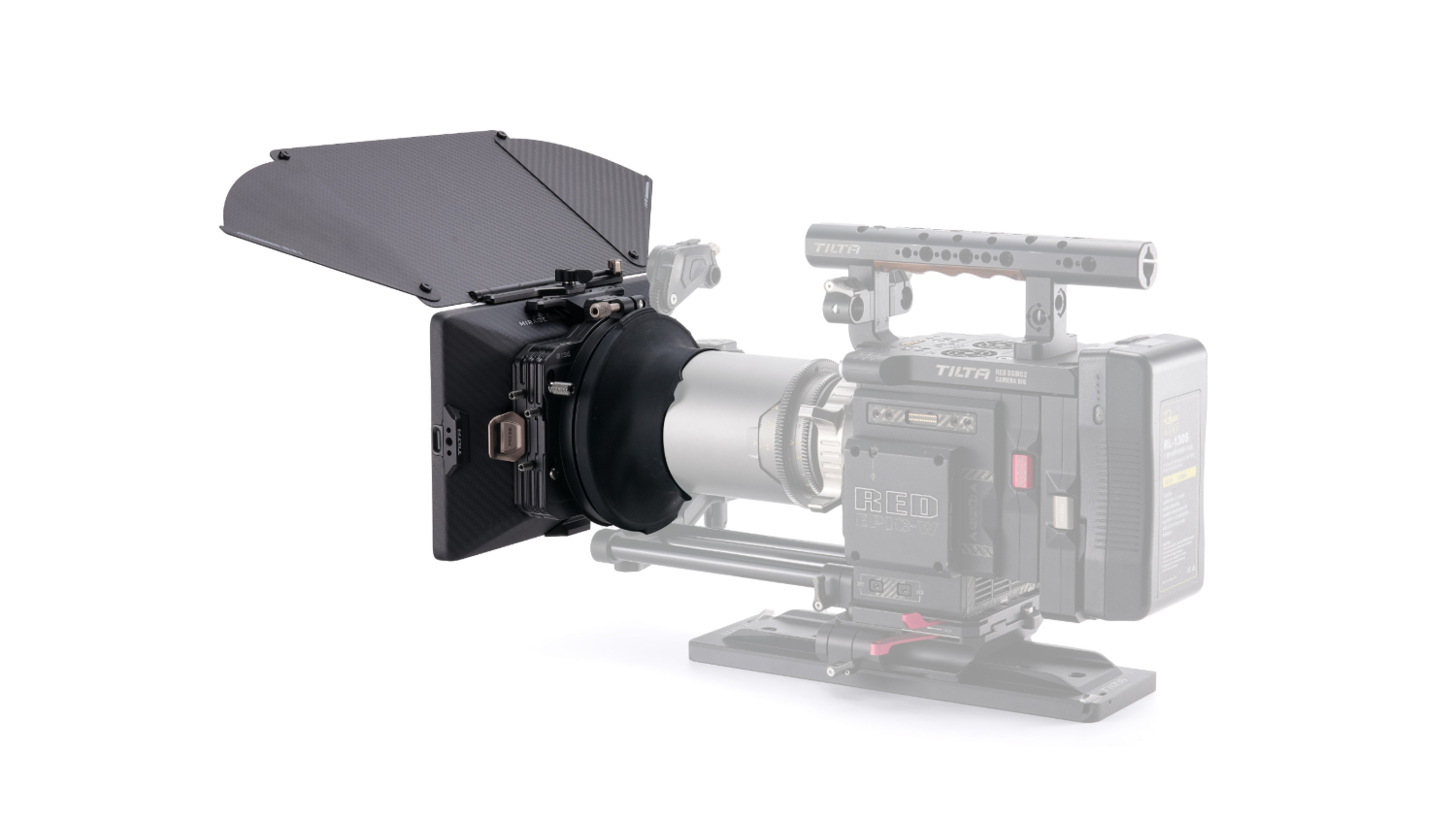
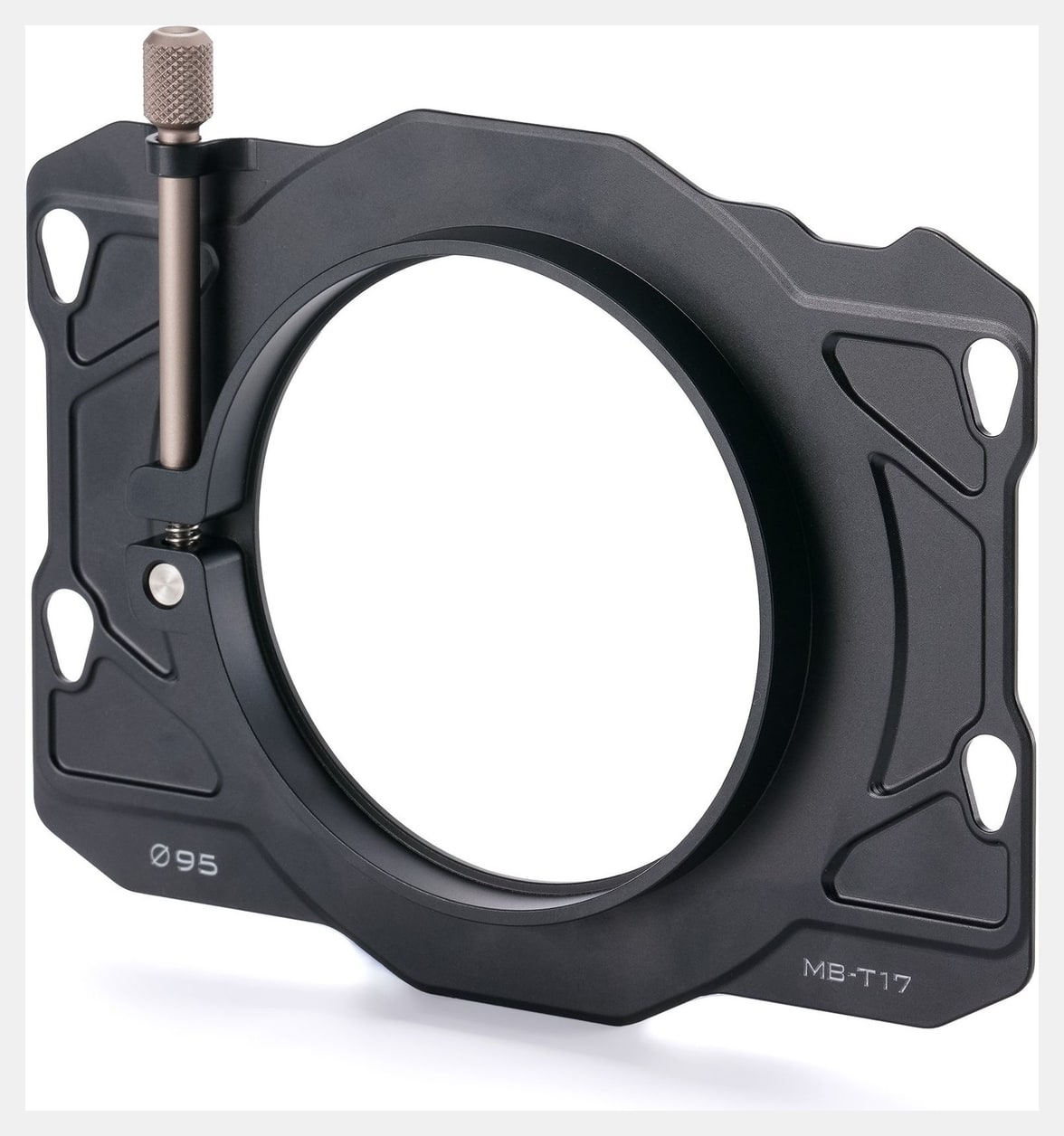
The Mirage Pro clamps straight onto the front of the lens, with no cage and no rods. Tilta makes the clamp-on adapters in eight diameters — 95, 100, 104, 110, 114, 125, 134 and 136 mm — so the matte box fits cine lenses as readily as large photographic glass. The backing is changed on its own, so swapping lenses does not mean rebuilding the whole rig.
Three 4×5.65″ filters stacked
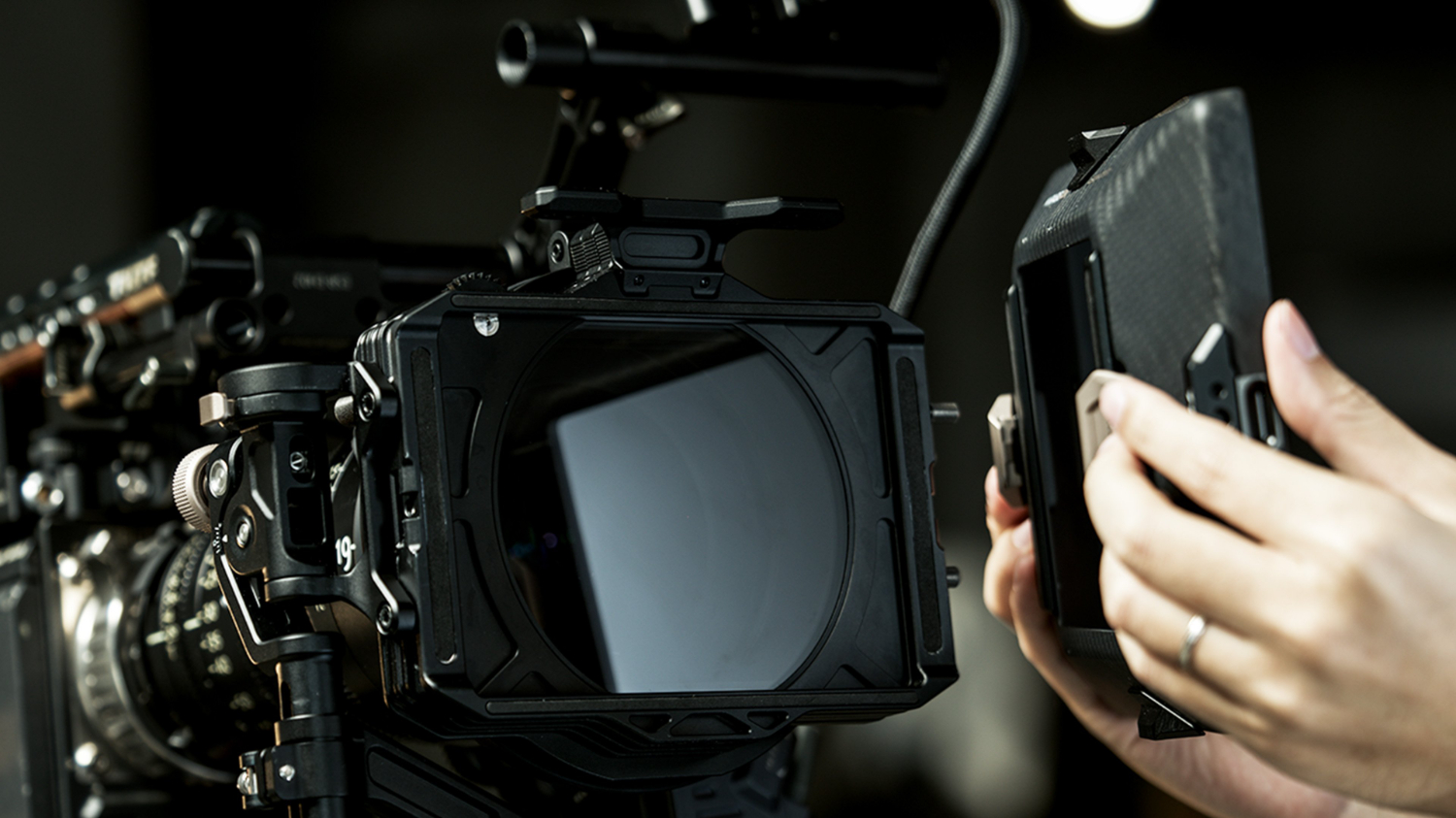
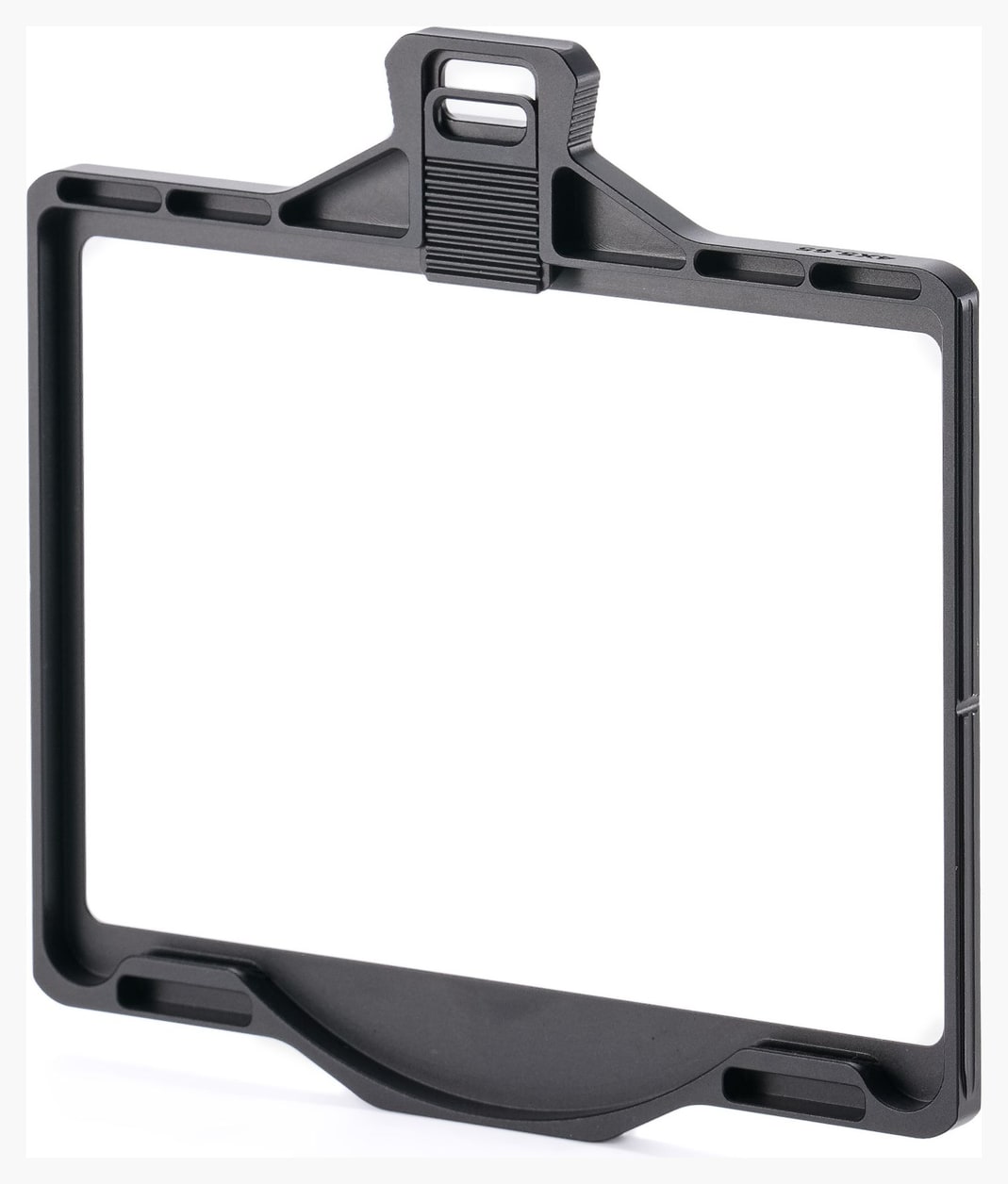
The matte box takes three stackable 4×5.65″ filter trays, so you can combine neutral density, polarisation and diffusion at once. A tray accepts glass from 2 to 4 mm thick, which covers filters from practically every brand. They load from the top without removing the hood, so a filter change takes seconds.
114 mm VND: one piece of glass instead of a whole ND set
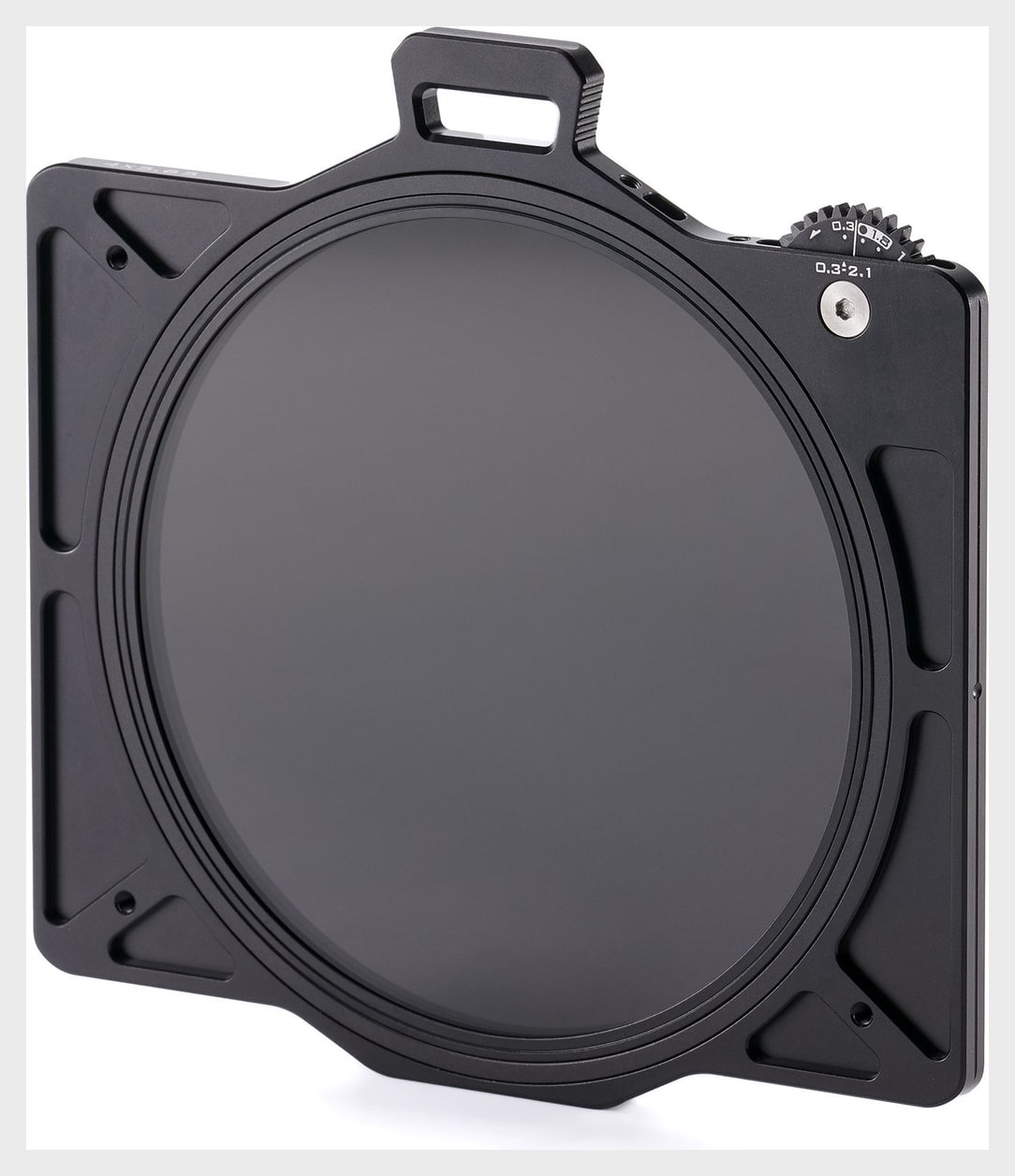
The 114 mm variable ND filter takes away 1 to 7 stops of light continuously, that is ND 0.3 to 2.1. It has no detents, so you dial density in on the exposure rather than on the nearest step. Instead of five pieces of glass in the case you carry one and change it by turning a ring — under changing light, considerably faster than swapping filters.
ND density can be changed wirelessly
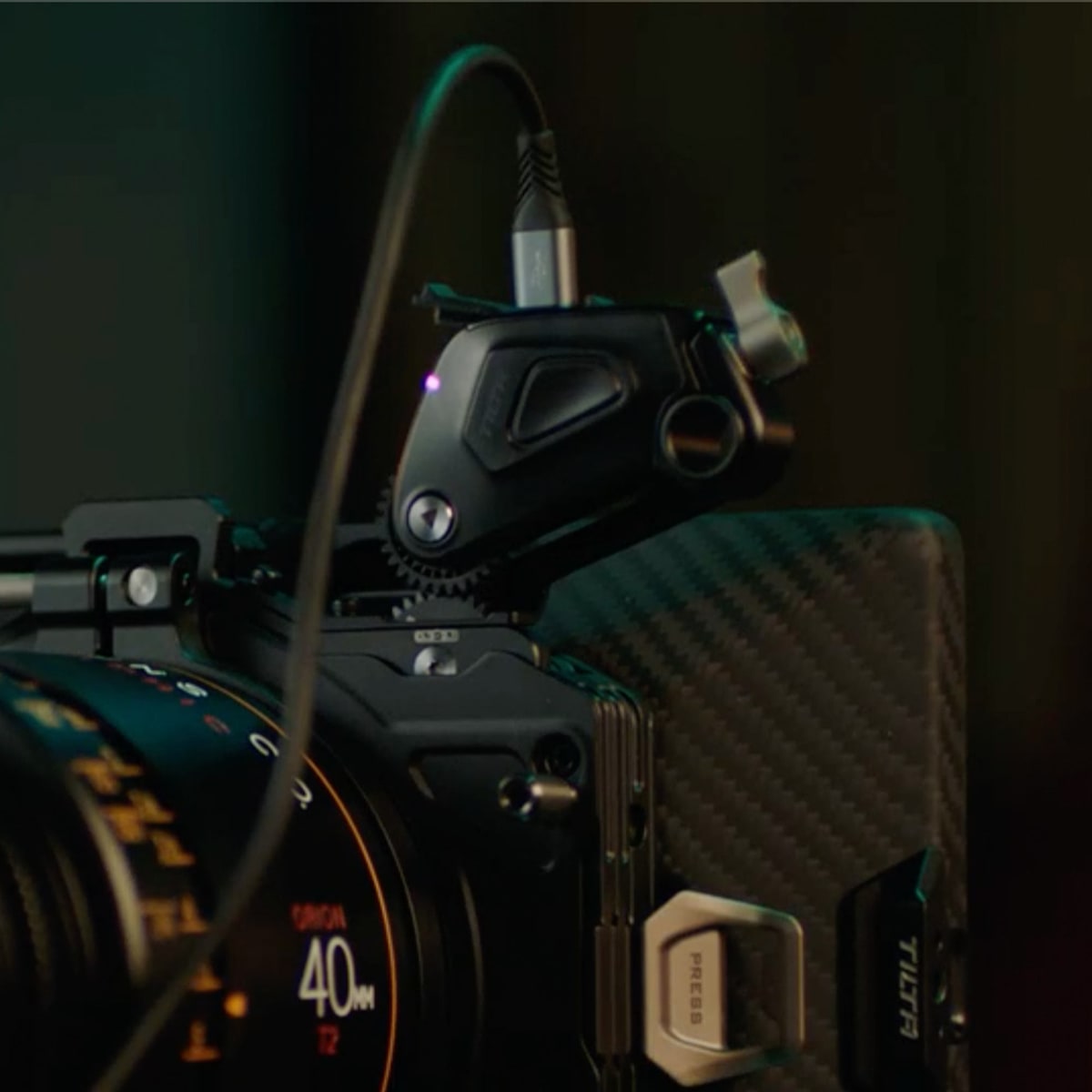
The universal motor adapter included in the kit takes a small wireless motor such as the Tilta Nucleus Nano II; the motor is bought separately. That lets you reset ND density even when you cannot reach the camera — on a steadicam, a crane or a drone. It pays off above all in partly cloudy weather, when the light changes mid-take.
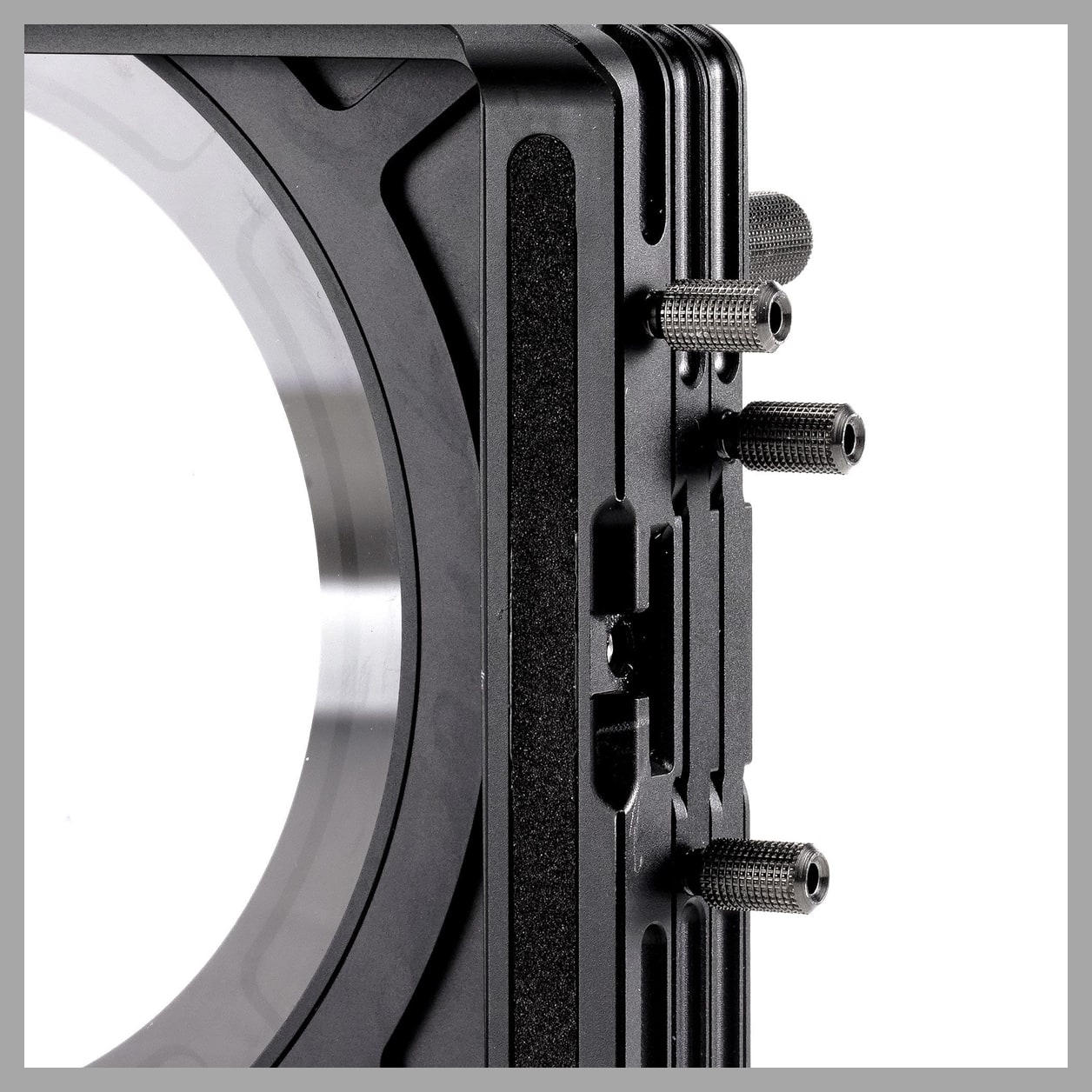
Every filter tray has its own tie-down screw
The trays are not held by one shared lever — each has its own tie-down screw, so a filter cannot fall out during a fast car move or a drone flight. The inside of the matte box and the top flag carry an anti-glare coating developed by Tilta: it absorbs stray light through diffused reflection instead of throwing it back into the lens.
The hood comes off at the press of a button
The carbon fibre hood sits on a magnetic clip-on mount with a quick-release button, so it goes on and off one-handed and without tools. Without the hood the matte box is noticeably lighter and still carries all three filters, which helps on a gimbal or anywhere every gram counts. When you shoot into the light, the hood simply goes back on.
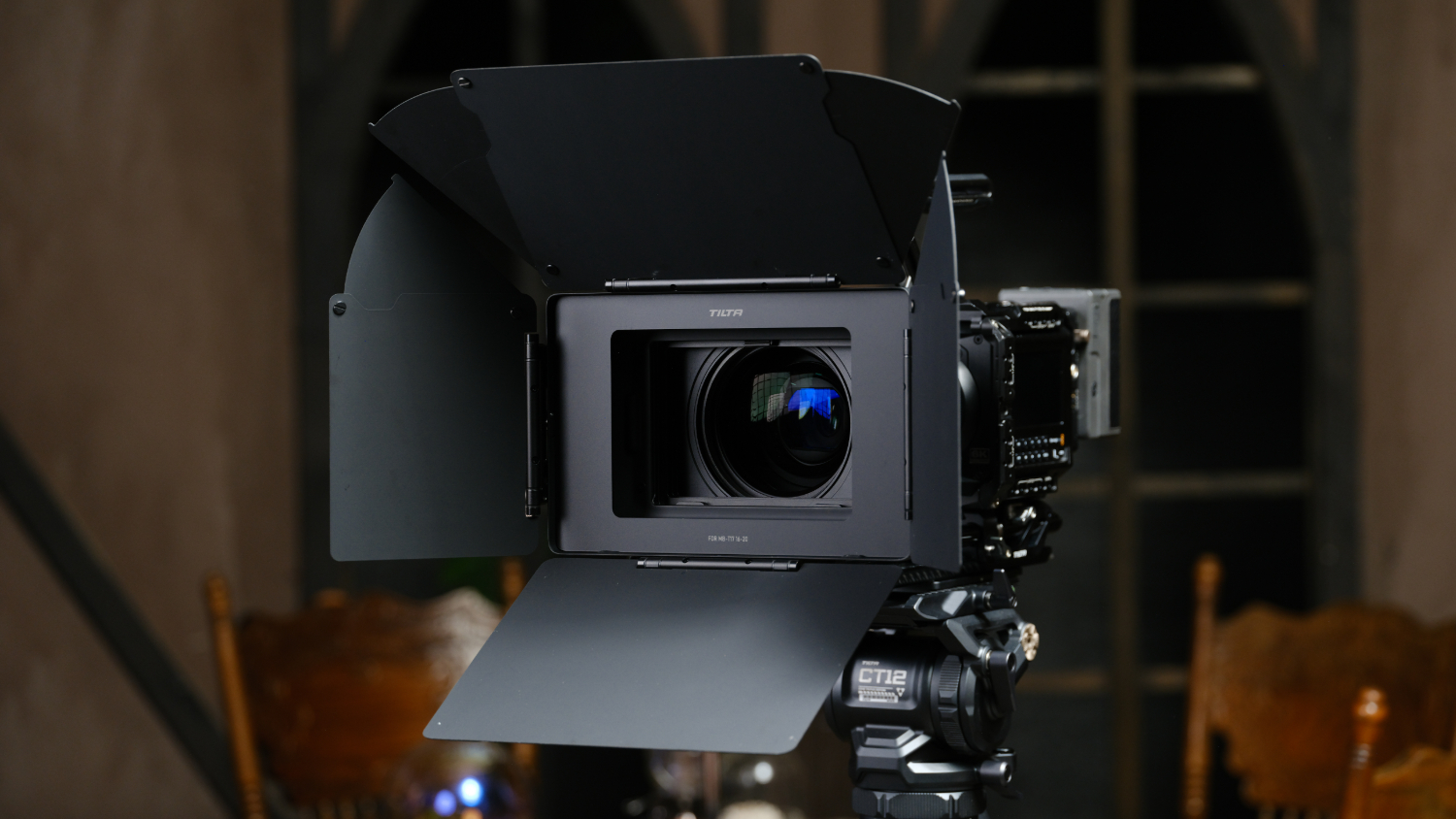
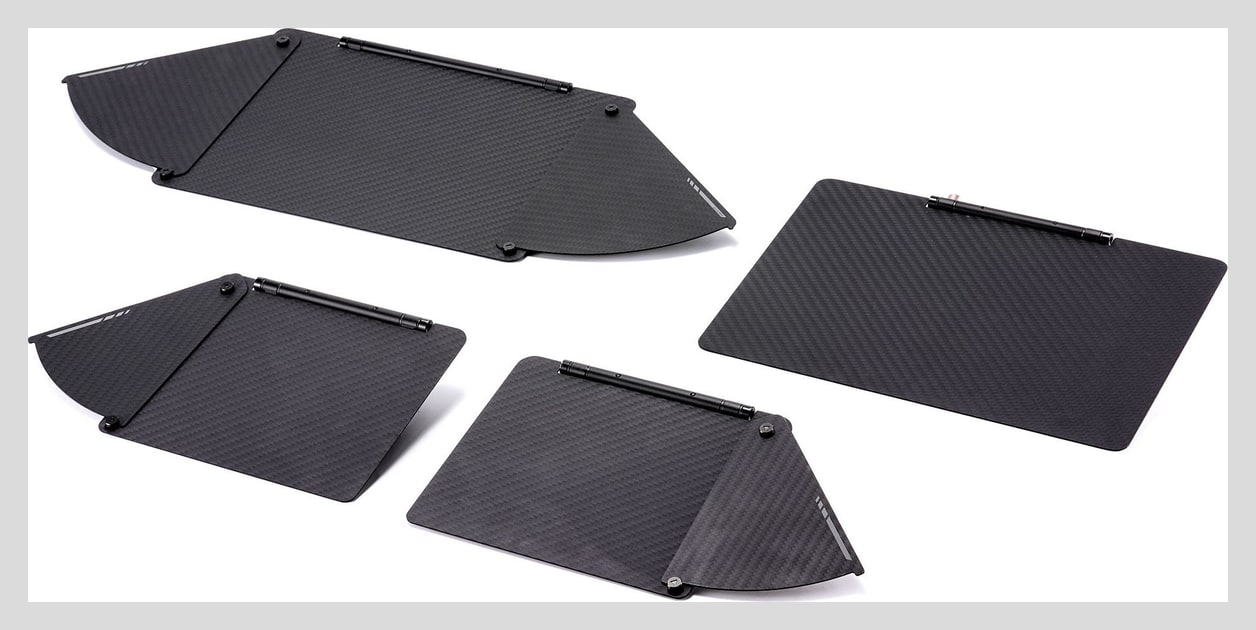
Four removable carbon fibre flags
The top flag has side extensions angled at 55°, so it covers a wider arc than a flat plate. Left, right and bottom flags are available alongside it, letting you block light from all four sides. All are carbon fibre and fit without tools; when you leave them off, the top surface stays free, with 1/4″–20 threads and locating pins for accessories.
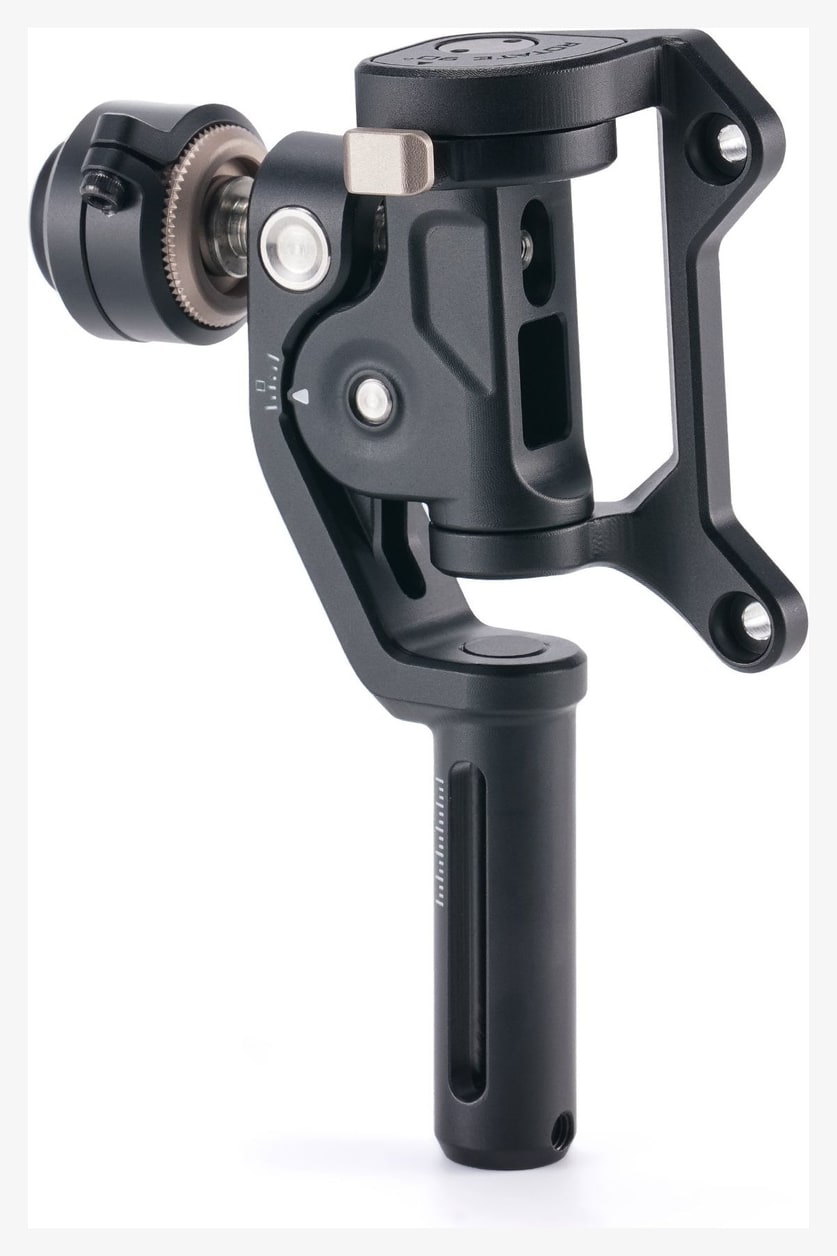
Swing-away adapter, ±25° tilt and ±15 mm height
The swing-away adapter lets the whole matte box hinge aside when you change lenses, without taking it off the rods. The same combination lets you tilt the matte box by ±25° and shift it ±15 mm in height, which removes the reflections that form between the filter glass and the front element. Tilt is set with a dial, or remotely through the optional MB-T17-WA whip adapter.
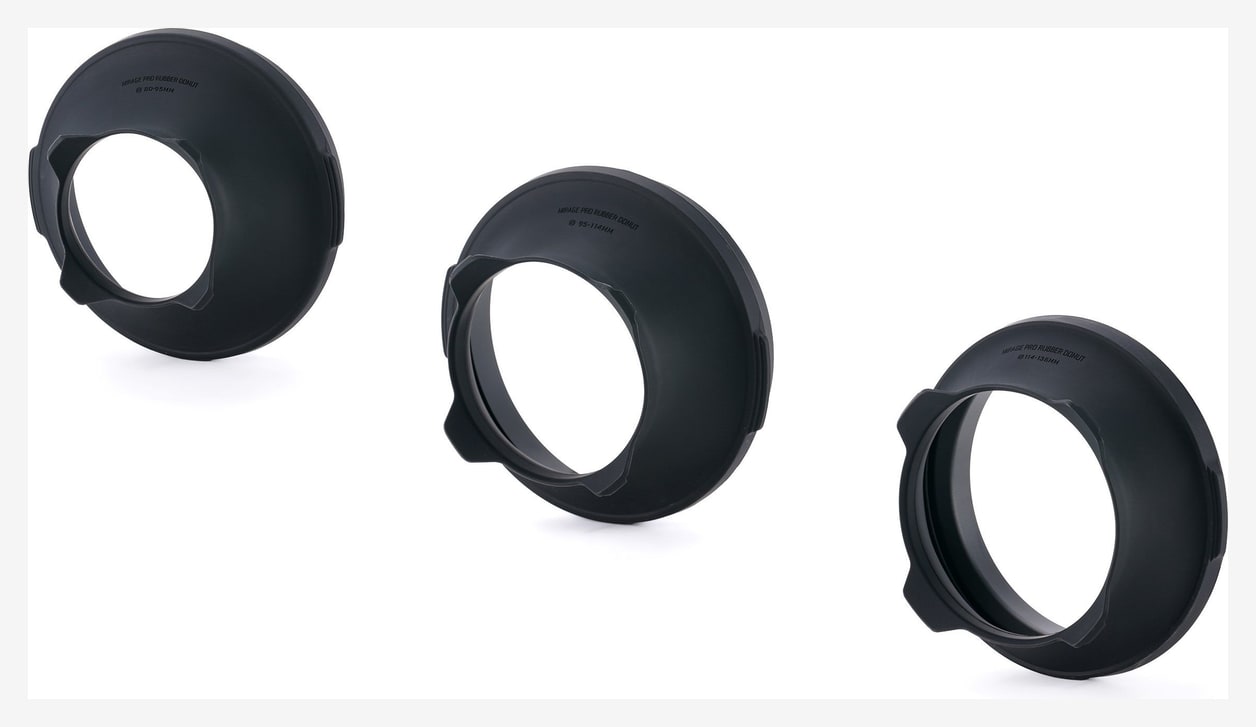
Rubber donuts and wide-angle lenses
The rubber donut kit contains three sizes — 80 to 95, 95 to 114 and 114 to 136 mm. The donut fills the gap between the lens and the backing of the matte box so no side light gets in. The matte box opening is deliberately wide and sits shallow, which is why the Mirage Pro copes with lenses down to 16 mm.
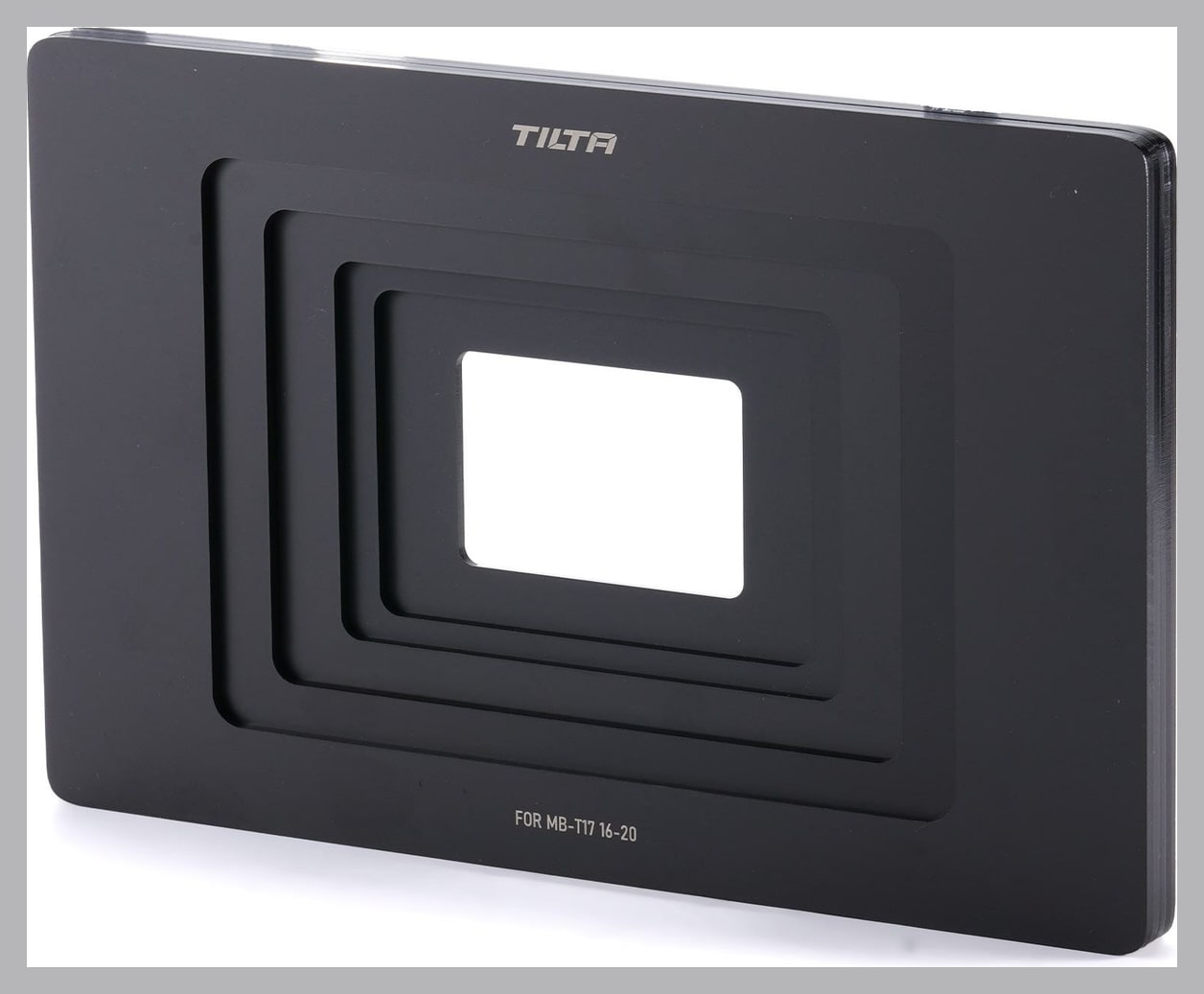
Hard matte masks in five sizes
A hard matte is a rigid mask that slides in front of the filters and narrows the opening to exactly the sensor format or the focal length in use. It cuts off light falling outside the frame so it never enters the rig and never veils the image. Tilta supplies five sizes to choose from according to the lens.
For 15 mm LWS and 19 mm studio rods
When the matte box should not hang off the lens itself, it goes onto rods. Tilta offers two mounts for it: a mounting bracket for a fixed seat, and a rod adapter that additionally provides height and tilt adjustment. Both exist for 15 mm LWS and for 19 mm studio rods, so the matte box suits a lightweight rig as well as a full one.
A case you can work straight out of
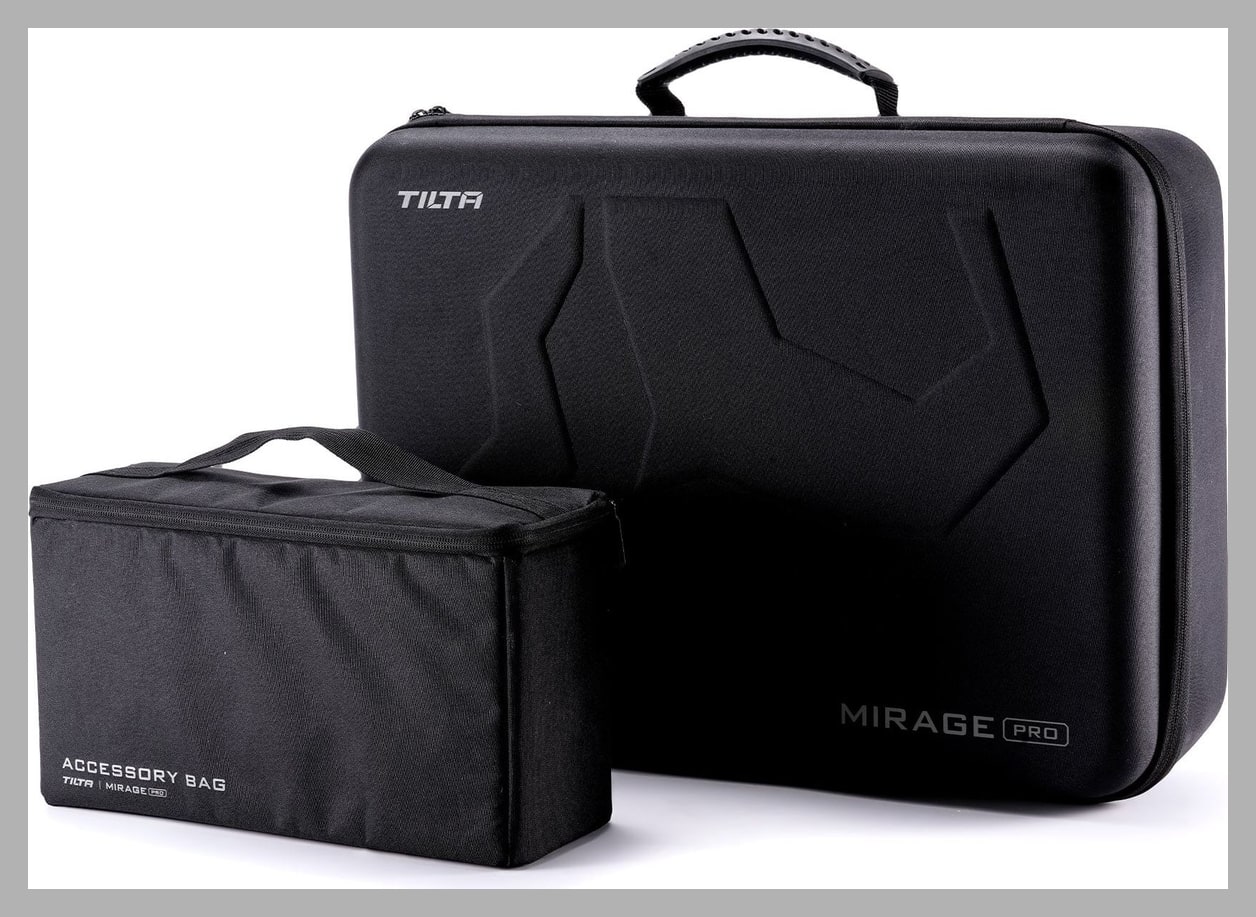
The kit travels in a moulded case with compartments for trays, adapters and filters, together with a smaller accessory bag. Every part has its place, so nothing gets hunted for between takes and reconfiguring the matte box is quick.
What to watch out for
The universal motor adapter is part of the kit; the Nucleus Nano II wireless motor itself is not.
The MB-T17-WA whip adapter and the whip itself are bought separately.
The VND Kit does not contain the 67 to 82 mm adapter rings for photographic lenses — those are in the basic kit, or bought individually.
The manufacturer notes that at the strongest densities between 1.8 and 2.1 (6 to 7 stops) a cross pattern may appear on the 114mm VND. A longer focal length helps avoid it.
What to add to the kit
Side and bottom flags, clamp-on adapters in other diameters, spare filter trays, 4×5.65″ filters and a wireless motor for ND control.
PACKAGE CONTENT
- Clamp-on adapters for Mirage Pro, 95, 110, 114 and 136 mm — 1 set
- 4×5.65″ filter tray (MB-T17-FT) — 3×
- Carbon fibre hood (MB-T17-CFH) — 1×
- Top flag (MB-T17-TSF) — 1×
- 4×5.65″ filter tray body part I (MB-T17-FTB1) — 1×
- 4×5.65″ filter tray body part II (MB-T17-FTB2) — 1×
- 4×5.65″ filter tray body part III (MB-T17-FTB3) — 1×
- Rod adapter for 15 mm LWS rods (MB-T17-LRA-15) — 1×
- Rubber donut kit (MB-T17-RDK) — 1 set
- Swing-away adapter (MB-T17-SAA) — 1×
- 114 mm variable ND filter (MB-T17-VND) — 1×
- Hard matte mask set (MB-T17-HM) — 1 set
- Universal motor adapter (MB-T17-UMA) — 1×
- Soft carrying case for the VND Kit — 1×
SPECIFICATIONS
- Type: clamp-on matte box with interchangeable backing
- Material: carbon fibre, aluminium alloy, stainless steel
- Colour: black
- Body weight: 621.5 g in the most compact configuration (manufacturer figure)
- Front clamping: interchangeable backings 95, 100, 104, 110, 114, 125, 134 and 136 mm
- Filters: up to three 4×5.65″ trays stacked, glass 2 to 4 mm thick
- Widest lens: from 16 mm focal length (with a rubber donut)
- Tilt and height: ±25° and ±15 mm (with the swing-away and rod adapter)
- Rods: 15 mm LWS; parts for 19 mm studio rods sold separately
- Flags: top flag with 55° side extensions; left, right and bottom sold separately
- Anti-glare coating: matte box interior and top flag
- Variable ND filter: 114 mm, continuously 1 to 7 stops (ND 0.3 to 2.1), no detents
- ND control: ring on the filter or a wireless motor via the universal adapter (motor sold separately)
- Rod mount included: 15 mm LWS rod adapter with height and tilt adjustment
- Rubber donuts included: 80–95, 95–114 and 114–136 mm
- Kit dimensions: 591.8 × 508 × 254 mm (23.3 × 20 × 10″, manufacturer figure)
- Kit weight: 7.62 kg (16.8 lb, manufacturer figure)
ACCESSORIES (82)
ACCESSORIES (82)
Tilta 80mm Cinema Adapter Ring For Tilta Mirage
The Tilta 80 mm Cinema adapter ring puts the Tilta Mirage matte box on a compact
23 €
In stock > 5 pcs
77mm Adapter Ring for Tilta Mirage V2
The Tilta MB-T16-77V2 adapter ring screws into the 77 mm filter thread of a photo
15 €
In stock 3 pcs
52mm Adapter Ring for Tilta Mirage
The Tilta 52 mm adapter ring screws into the filter thread of a photo lens and the
15 €
In stock 3 pcs
55mm Adapter Ring for Tilta Mirage
Promotion: -10%
The Tilta 55 mm adapter ring screws into the filter thread of a photo lens and the
13.12 €
14.52 €
In stock 2 pcs
Tilta 4x5.65 Filter Tray for Tilta Mirage Pro Matte Box
The Tilta MB-T17-FT 4×5.65″ Filter Tray is the slide-in frame that holds a rectangular
22 €
In stock 2 pcs
82mm Adapter Ring for Tilta Mirage V2
The Tilta MB-T16-82V2 adapter ring screws into the 82 mm filter thread of a photo
15 €
In stock 3 pcs
Tilta Adapter Ring for Tilta Mirage Matte Box (82mm)
The Tilta 82 mm adapter ring screws into the filter thread of a photo lens and the
15 €
In stock 1 pcs
Tilta Top Flag for Tilta Mirage Pro Matte Box
The Tilta MB-T17-TSF Top Flag is a carbon-fibre flag for the Mirage Pro matte box.
59 €
In stock 2 pcs
72mm Adapter Ring for Tilta Mirage V2
The Tilta MB-T16-72V2 adapter ring screws into the 72 mm filter thread of a photo
15 €
In stock 2 pcs
Tilta Adapter Ring for Tilta Mirage Matte Box (85mm)
The Tilta 85 mm adapter ring screws into the filter thread of a photo lens and the
15 €
In stock 2 pcs
Tilta Whip Adapter for Tilta Mirage Pro Matte Box
The Tilta MB-T17-WA Whip Adapter lets you change the tilt of the Mirage Pro matte
7.3 €
In stock 2 pcs
Tilta 4x5.65 Filter Tray Body for Tilta Mirage Pro Matte Box Part II
The Tilta 4×5.65″ Filter Tray Body, part II is the part that mounts the slide-in
12 €
In stock 2 pcs
Tilta 15mm LWS Mounting Bracket for Tilta Mirage Pro Matte Box
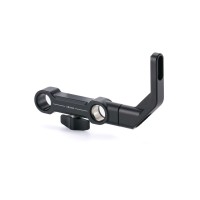
The Tilta MB-T17-MB-L15 Mounting Bracket hangs the Mirage Pro matte box on 15 mm
35 €
In stock 2 pcs
Tilta 125mm Clamp On Adapter for Tilta Mirage Pro Matte Box
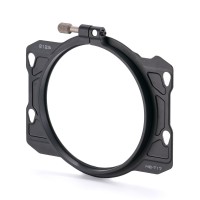
The Tilta 125 mm Clamp-On Adapter is the interchangeable rear element of the Mirage
35 €
In stock 2 pcs
55mm Adapter Ring for Tilta Mirage V2
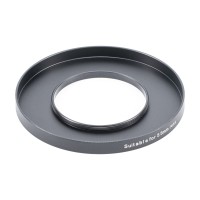
The Tilta MB-T16-55V2 adapter ring screws into the 55 mm filter thread of a photo
15 €
In stock 2 pcs
Tilta Illusion 4x5.65 Black Mist 1/4 Filter
Promotion: -9%
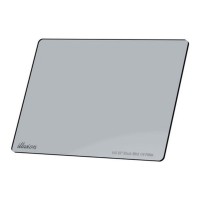
The Tilta Illusion 4x5.65 Black Mist 1/4 is a 4 × 5.65" diffusion filter manufactured
217.93 €
240.79 €
In stock 2 pcs
Tilta 19mm Studio Mounting Bracket for Tilta Mirage Pro Matte Box
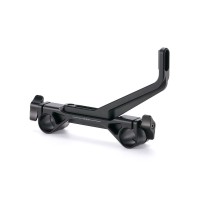
The Tilta MB-T17-MB-S19 Mounting Bracket hangs the Mirage Pro matte box on 19 mm
35 €
In stock 2 pcs
Tilta 110mm Clamp On Adapter for Tilta Mirage Pro Matte Box
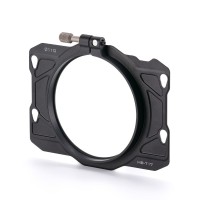
The Tilta 110 mm Clamp-On Adapter is the interchangeable rear element of the Mirage
35 €
In stock 2 pcs
Vaxis VFX Rainbow V-Streak 1mm Filter 4x5.65"
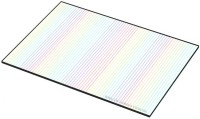
Vaxis VFX Rainbow V-Streak 1 mm is a 4 × 5.65″ glass effect filter for matte boxes.
351 €
In stock 2 pcs
Tilta Carbon Fiber Hood for Tilta Mirage Pro Matte Box
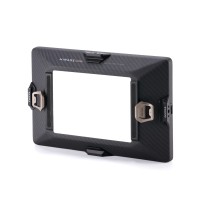
The Tilta MB-T17-CFH Carbon Fibre Hood is the front sun hood of the Mirage Pro matte
168 €
In stock 2 pcs
SmallRig 4x5.65 ND0.6 Filter 3588
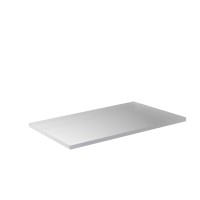
The SmallRig 4x5.65 ND0.6 3588 filter cuts two stops of light and transmits 25%.
128 €
To be sent 1 pcs
Tilta Swing Away Adapter for Tilta Mirage Pro Matte Box
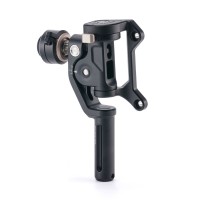
The Tilta MB-T17-SAA Swing-Away Adapter lets you swing the Mirage Pro matte box aside
56 €
To be sent 1 pcs
Tilta 15mm LWS Rod Adapter for Tilta Mirage Pro Matte Box
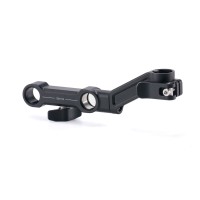
The Tilta MB-T17-LRA-15 Rod Adapter puts the Mirage Pro matte box on 15 mm LWS rods
42 €
To be sent 1 pcs
Tilta 114mm Clamp On Adapter for Tilta Mirage Pro Matte Box
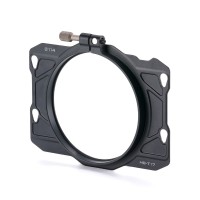
The Tilta 114 mm Clamp-On Adapter is the interchangeable rear element of the Mirage
35 €
In stock 1 pcs
Tilta 134mm Clamp On Adapter for Tilta Mirage Pro Matte Box
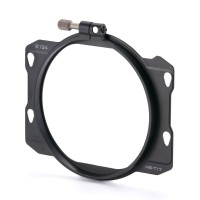
The Tilta 134 mm Clamp-On Adapter is the interchangeable rear element of the Mirage
35 €
In stock 1 pcs
Tilta 100mm Clamp On Adapter for Tilta Mirage Pro Matte Box
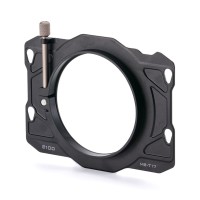
The Tilta 100 mm Clamp-On Adapter is the interchangeable rear element of the Mirage
35 €
In stock 1 pcs
Tilta 4x5.65 Filter Tray Body for Tilta Mirage Pro Matte Box Part III
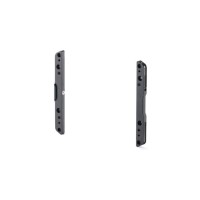
The Tilta 4×5.65″ Filter Tray Body, part III is the part that mounts the slide-in
12 €
To be sent 1 pcs
SmallRig 4x5.65 ND1.2 Filter 3589

Promotion: -25%
SmallRig 3589 ND1.2 filter in the 4x5.65" format for a matte box or filter tray.
96.72 €
128.29 €
Backordered 2 pcs
Tilta Adapter Ring for Tilta Mirage Matte Box (77mm)
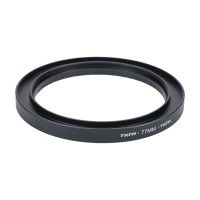
The Tilta 77 mm adapter ring screws into the filter thread of a photo lens and the
15 €
on request
67mm Adapter Ring for Tilta Mirage V2
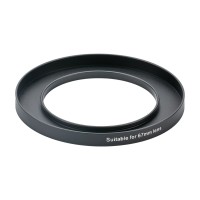
The Tilta MB-T16-67V2 adapter ring screws into the 67 mm filter thread of a photo
15 €
In stock 1 pcs
Tilta Bottom Flag for Tilta Mirage Pro Matte Box
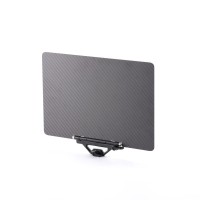
The Tilta MB-T17-BSF Bottom Flag is a carbon-fibre flag for the underside of the
40 €
In stock 1 pcs
Vaxis VFX Black Mist 1/8 Filter 4x5.65"
Vaxis VFX Black Mist 1/8 is a 4 × 5.65″ glass filter for matte boxes. It tames digital
351 €
In stock 1 pcs
Vaxis VFX Blue V-Streak 3mm Filter 4x5.65"
Vaxis VFX Blue V-Streak 3 mm is a 4 × 5.65″ glass effect filter for matte boxes.
329 €
In stock 1 pcs
Vaxis VFX Rainbow V-Streak 3mm Filter 4x5.65"
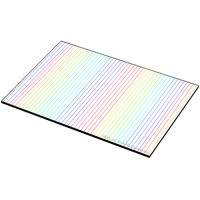
Vaxis VFX Rainbow V-Streak 3 mm is a 4 × 5.65″ glass effect filter for matte boxes.
351 €
In stock 1 pcs
Vaxis VFX Pure Mist +1 Filter 4x5.65"
Vaxis VFX Pure Mist 1 is a 4 × 5.65″ diffusion filter for matte boxes. It creates
351 €
In stock 1 pcs
Vaxis VFX White V-Streak 2mm Filter 4x5.65"
Vaxis VFX White V-Streak 2 mm is a 4 × 5.65″ glass effect filter for matte boxes.
329 €
In stock 1 pcs
Vaxis VFX Black Mist 1/2 Filter 4x5.65"
Vaxis VFX Black Mist 1/2 is a 4 × 5.65″ glass filter for matte boxes. It tames digital
351 €
In stock 1 pcs
Vaxis VFX Pure Mist 1/2 Filter 4x5.65"
Vaxis VFX Pure Mist 1/2 is a 4 × 5.65″ diffusion filter for matte boxes. It creates
351 €
In stock 1 pcs
Tilta 95mm Clamp On Adapter for Tilta Mirage Pro Matte Box
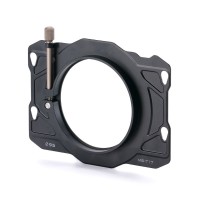
The Tilta 95 mm Clamp-On Adapter is the interchangeable rear element of the Mirage
35 €
In stock 1 pcs
Vaxis VFX Blue V-Streak 1mm Filter 4x5.65"
Vaxis VFX Blue V-Streak 1 mm is a 4 × 5.65″ glass effect filter for matte boxes.
329 €
In stock 1 pcs
Vaxis VFX Orange V-Streak 2mm Filter 4x5.65"
Vaxis VFX Orange V-Streak 2 mm is a 4 × 5.65″ glass effect filter for matte boxes.
329 €
In stock 1 pcs
Vaxis VFX Rainbow Dazzle Filter 4x5.65"
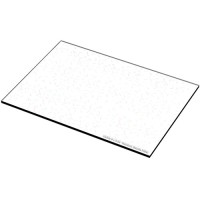
Vaxis VFX Rainbow Dazzle is a 4 × 5.65″ glass effect filter for matte boxes. It creates
351 €
In stock 1 pcs
Vaxis VFX Orange V-Streak 1mm Filter 4x5.65"
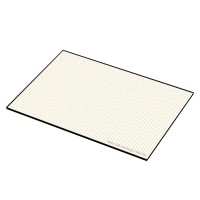
Vaxis VFX Orange V-Streak 1 mm is a 4 × 5.65″ glass effect filter for matte boxes.
329 €
In stock 1 pcs
Vaxis VFX Black Mist 1/4 Filter 4x5.65"
Vaxis VFX Black Mist 1/4 is a 4 × 5.65″ glass filter for matte boxes. It tames digital
351 €
In stock 1 pcs
Vaxis VFX Black Mist +1 Filter 4x5.65"
Vaxis VFX Black Mist 1 is a 4 × 5.65″ glass filter for matte boxes. It tames digital
351 €
In stock 1 pcs
Tilta 86mm Adapter Ring for Tilta Mirage
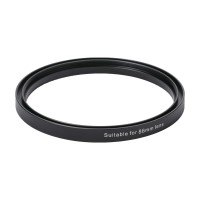
The Tilta 86 mm adapter ring screws into the filter thread of a photo lens and the
15 €
In stock 1 pcs
Vaxis VFX Black Mist 1/16 Filter 4x5.65"
Vaxis VFX Black Mist 1/16 is a 4 × 5.65″ glass filter for matte boxes. It tames digital
351 €
In stock 1 pcs
Vaxis VFX Pure Mist 1/4 Filter 4x5.65"
Vaxis VFX Pure Mist 1/4 is a 4 × 5.65″ diffusion filter for matte boxes. It creates
351 €
In stock 1 pcs
Vaxis VFX Rainbow V-Streak 2mm Filter 4x5.65"
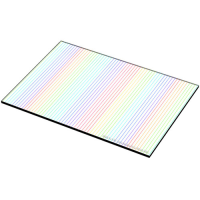
Vaxis VFX Rainbow V-Streak 2 mm is a 4 × 5.65″ glass effect filter for matte boxes.
351 €
In stock 1 pcs
Vaxis VFX Pure Mist 1/16 Filter 4x5.65"
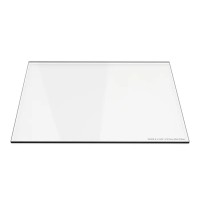
Vaxis VFX Pure Mist 1/16 is a 4 × 5.65″ diffusion filter for matte boxes. It creates
351 €
In stock 1 pcs
Vaxis VFX Orange V-Streak 3mm Filter 4x5.65"
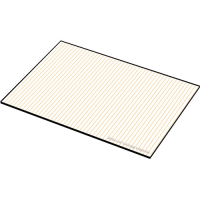
Vaxis VFX Orange V-Streak 3 mm is a 4 × 5.65″ glass effect filter for matte boxes.
329 €
In stock 1 pcs
Tilta 136mm Clamp On Adapter for Tilta Mirage Pro Matte Box
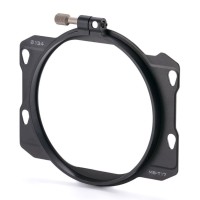
The Tilta 136 mm Clamp-On Adapter is the interchangeable rear element of the Mirage
35 €
In stock 1 pcs
VAXIS VFX 4x5.65"STAR-CROSS FILTER
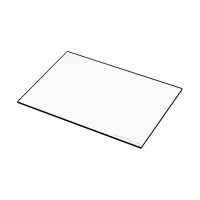
Vaxis VFX Star-Cross is a 4 × 5.65″ glass effect filter for matte boxes. It turns
351 €
In stock 1 pcs
Vaxis VFX White V-Streak 1mm Filter 4x5.65"
Vaxis VFX White V-Streak 1 mm is a 4 × 5.65″ glass effect filter for matte boxes.
329 €
In stock 1 pcs
Vaxis VFX Pure Mist 1/8 Filter 4x5.65"
Vaxis VFX Pure Mist 1/8 is a 4 × 5.65″ diffusion filter for matte boxes. It creates
351 €
In stock 1 pcs
Vaxis VFX White V-Streak 3mm Filter 4x5.65"
Vaxis VFX White V-Streak 3 mm is a 4 × 5.65″ glass effect filter for matte boxes.
329 €
In stock 1 pcs
Tilta 95mm Adapter Ring for Tilta Mirage
The Tilta 95 mm adapter ring screws into the filter thread of a photo lens and the
15 €
on request
Tilta 80mm Clamp On Adapter for Tilta Mirage Pro Matte Box
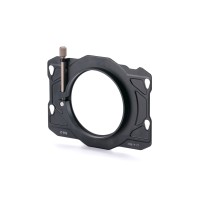
The Tilta 80 mm Clamp-On Adapter is the interchangeable rear element of the Mirage
35 €
on request
Tilta 4x5.65 Filter Tray Body for Tilta Mirage Pro Matte Box Part I
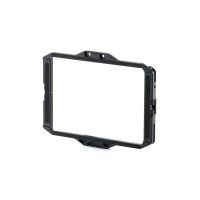
The Tilta 4×5.65″ Filter Tray Body, part I is the part that mounts the slide-in filter
42 €
on request
VAXIS VFX 4x5.65" IRND 0.6 FILTER
The VAXIS VFX IRND 0.6 is a rectangular 4 × 5.65″ (101.6 × 143.5 mm) matte box filter
164 €
on request
Tilta 19mm Studio Rod Adapter for Tilta Mirage Pro Matte Box
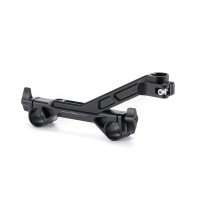
The Tilta MB-T17-SRA-19 Rod Adapter puts the Mirage Pro matte box on 19 mm studio
42 €
on request
Tilta 114mm Variable ND Filter for Tilta Mirage Pro Matte Box
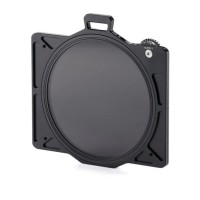
The Tilta MB-T17-VND 114 mm Variable ND Filter covers 1 to 7 stops (ND 0.3 to 2.1)
313 €
on request
Tilta Rubber Donut Kit for Tilta Mirage Pro Matte Box
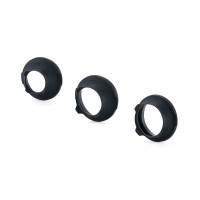
The Tilta MB-T17-RDK Rubber Donut Kit fills the gap between the lens and the back
40 €
on request
Tilta Universal Motor Adapter for Tilta Mirage Pro Matte Box
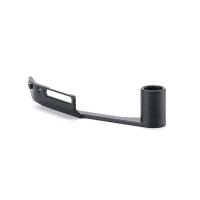
The Tilta MB-T17-UMA Universal Motor Adapter adds a 15 mm rod to the 114 mm variable
7.3 €
on request
Tilta Hard Matte Kit for Tilta Mirage Pro Matte Box
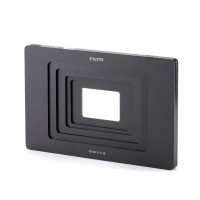
The Tilta MB-T17-HM Hard Matte Set holds five fixed mattes that clip into the Mirage
18 €
on request
Tilta Right Side Flag for Tilta Mirage Pro Matte Box
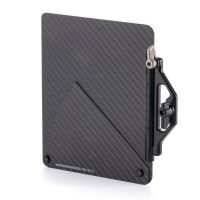
The Tilta MB-T17-RSF right flag is a carbon-fibre flag for the Mirage Pro matte box.
40 €
on request
Tilta Left Side Flag for Tilta Mirage Pro Matte Box
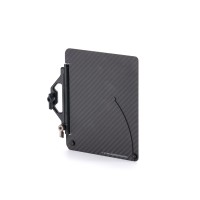
The Tilta MB-T17-LSF left flag is a carbon-fibre flag for the Mirage Pro matte box.
40 €
on request
VAXIS VFX 4x5.65" IRND 0.3 FILTER
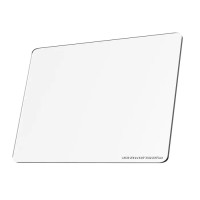
The VAXIS VFX IRND 0.3 is a rectangular 4 × 5.65″ (101.6 × 143.5 mm) matte box filter
164 €
on request
Tilta 67mm Adapter Ring for Tilta Mirage
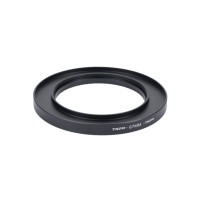
These Adapter Rings for the Tilta Mirage Matte Box allow you to mount the system
15 €
on request
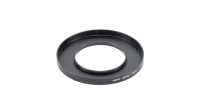
VAXIS VFX 4x5.65" IRND 2.1 FILTER
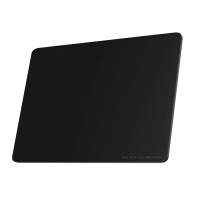
The VAXIS VFX IRND 2.1 is a rectangular 4 × 5.65″ (101.6 × 143.5 mm) matte box filter
164 €
on request
VAXIS VFX 4x5.65" IRND 1.5 FILTER
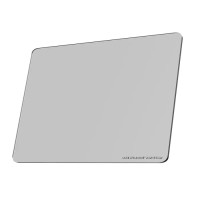
The VAXIS VFX IRND 1.5 is a rectangular 4 × 5.65″ (101.6 × 143.5 mm) matte box filter
164 €
on request
Tilta 58mm Adapter Ring for Tilta Mirage
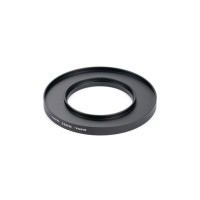
These Adapter Rings for the Tilta Mirage Matte Box allow you to mount the system
15 €
on request
VAXIS VFX 4x5.65" CPL-VND FILTER
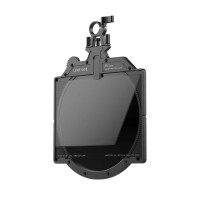
VAXIS VFX VND-CPL 4×5.65″ is a set of a rotatable and a fixed polarizing filter for
429 €
on request
Tilta Adapter Ring for Tilta Mirage Matte Box (72mm)
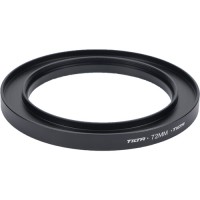
These Adapter Rings for the Tilta Mirage Matte Box allow you to mount the system
15 €
on request
VAXIS VFX 4x5.65"PREMIUM COATED FLTER
VAXIS VFX 4×5.65″ Premium Coated is a clear rectangular matte box filter with a quality
110 €
on request
VAXIS VFX 4x5.65" IRND 1.2 FILTER
The VAXIS VFX IRND 1.2 is a rectangular 4 × 5.65″ (101.6 × 143.5 mm) matte box filter
164 €
on request
62mm Adapter Ring for Tilta Mirage
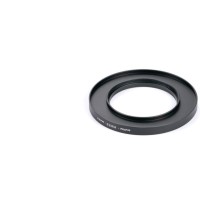
These Adapter Rings for the Tilta Mirage Matte Box allow you to mount the system
15 €
on request
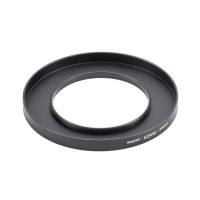
VAXIS VFX 4x5.65" IRND 0.9 FILTER
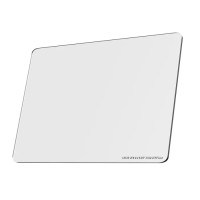
The VAXIS VFX IRND 0.9 is a rectangular 4 × 5.65″ (101.6 × 143.5 mm) matte box filter
164 €
on request
Tilta 104mm Clamp On Adapter for Tilta Mirage Pro Matte Box
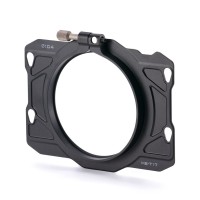
The Tilta 104 mm Clamp-On Adapter is the interchangeable rear element of the Mirage
35 €
on request
VAXIS VFX 4x5.65" IRND 1.8 FILTER
The VAXIS VFX IRND 1.8 is a rectangular 4 × 5.65″ (101.6 × 143.5 mm) matte box filter
164 €
on request
Alternative (5)
Alternative (5)
Tilta Mirage Pro Matte Box Basic Kit
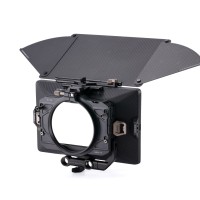
The Tilta Mirage Pro carbon fibre clamp-on matte box fastens straight onto the lens
669 €
In stock > 5 pcs
Tilta Mirage Pro Matte Box Starter Kit (114mm Backing)
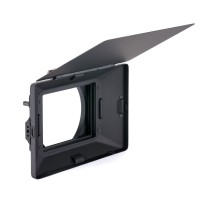
The Tilta Mirage Pro Matte Box Starter Kit is the cheapest way into the carbon-fibre
362 €
In stock 1 pcs
Tilta Mirage Pro Matte Box Starter Kit (110mm Backing)
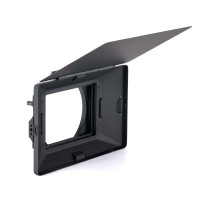
The Tilta Mirage Pro Matte Box Starter Kit is the cheapest way into the carbon-fibre
362 €
on request
Tilta Mirage Pro Matte Box Starter Kit (136mm Backing)
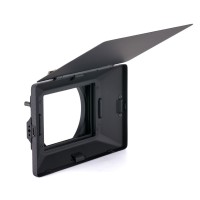
The Tilta Mirage Pro Matte Box Starter Kit is the cheapest way into the carbon-fibre
362 €
on request
Tilta Mirage Pro Matte Box Starter Kit (95mm Backing)
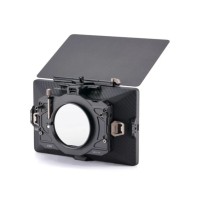
The Tilta Mirage Pro Matte Box Starter Kit is the cheapest way into the carbon-fibre
362 €
on request
To this product (35)
To this product (35)
Tilta 80mm Cinema Adapter Ring For Tilta Mirage
The Tilta 80 mm Cinema adapter ring puts the Tilta Mirage matte box on a compact
23 €
In stock > 5 pcs
77mm Adapter Ring for Tilta Mirage V2
The Tilta MB-T16-77V2 adapter ring screws into the 77 mm filter thread of a photo
15 €
In stock 3 pcs
52mm Adapter Ring for Tilta Mirage
The Tilta 52 mm adapter ring screws into the filter thread of a photo lens and the
15 €
In stock 3 pcs
55mm Adapter Ring for Tilta Mirage
Promotion: -10%
The Tilta 55 mm adapter ring screws into the filter thread of a photo lens and the
13.12 €
14.52 €
In stock 2 pcs
Tilta 4x5.65 Filter Tray for Tilta Mirage Pro Matte Box
The Tilta MB-T17-FT 4×5.65″ Filter Tray is the slide-in frame that holds a rectangular
22 €
In stock 2 pcs
82mm Adapter Ring for Tilta Mirage V2
The Tilta MB-T16-82V2 adapter ring screws into the 82 mm filter thread of a photo
15 €
In stock 3 pcs
Tilta Adapter Ring for Tilta Mirage Matte Box (82mm)
The Tilta 82 mm adapter ring screws into the filter thread of a photo lens and the
15 €
In stock 1 pcs
72mm Adapter Ring for Tilta Mirage V2
The Tilta MB-T16-72V2 adapter ring screws into the 72 mm filter thread of a photo
15 €
In stock 2 pcs
Tilta Adapter Ring for Tilta Mirage Matte Box (85mm)
The Tilta 85 mm adapter ring screws into the filter thread of a photo lens and the
15 €
In stock 2 pcs
55mm Adapter Ring for Tilta Mirage V2
The Tilta MB-T16-55V2 adapter ring screws into the 55 mm filter thread of a photo
15 €
In stock 2 pcs
Tilta Illusion 4x5.65 Black Mist 1/4 Filter
Promotion: -9%
The Tilta Illusion 4x5.65 Black Mist 1/4 is a 4 × 5.65" diffusion filter manufactured
217.93 €
240.79 €
In stock 2 pcs
SmallRig 4x5.65 ND0.6 Filter 3588
The SmallRig 4x5.65 ND0.6 3588 filter cuts two stops of light and transmits 25%.
128 €
To be sent 1 pcs
SmallRig 4x5.65 ND1.2 Filter 3589
Promotion: -25%
SmallRig 3589 ND1.2 filter in the 4x5.65" format for a matte box or filter tray.
96.72 €
128.29 €
Backordered 2 pcs
Tilta Adapter Ring for Tilta Mirage Matte Box (77mm)
The Tilta 77 mm adapter ring screws into the filter thread of a photo lens and the
15 €
on request
67mm Adapter Ring for Tilta Mirage V2
The Tilta MB-T16-67V2 adapter ring screws into the 67 mm filter thread of a photo
15 €
In stock 1 pcs
Vaxis VFX White V-Streak 1mm Filter 4x5.65"
Vaxis VFX White V-Streak 1 mm is a 4 × 5.65″ glass effect filter for matte boxes.
329 €
In stock 1 pcs
Tilta 86mm Adapter Ring for Tilta Mirage
The Tilta 86 mm adapter ring screws into the filter thread of a photo lens and the
15 €
In stock 1 pcs
Tilta 95mm Adapter Ring for Tilta Mirage
The Tilta 95 mm adapter ring screws into the filter thread of a photo lens and the
15 €
on request
VAXIS VFX 4x5.65" IRND 0.6 FILTER
The VAXIS VFX IRND 0.6 is a rectangular 4 × 5.65″ (101.6 × 143.5 mm) matte box filter
164 €
on request
Tilta 114mm Variable ND Filter for Tilta Mirage Pro Matte Box
The Tilta MB-T17-VND 114 mm Variable ND Filter covers 1 to 7 stops (ND 0.3 to 2.1)
313 €
on request
Tilta Universal Motor Adapter for Tilta Mirage Pro Matte Box
The Tilta MB-T17-UMA Universal Motor Adapter adds a 15 mm rod to the 114 mm variable
7.3 €
on request
VAXIS VFX 4x5.65" IRND 1.5 FILTER
The VAXIS VFX IRND 1.5 is a rectangular 4 × 5.65″ (101.6 × 143.5 mm) matte box filter
164 €
on request
VAXIS VFX 4x5.65" IRND 1.2 FILTER
The VAXIS VFX IRND 1.2 is a rectangular 4 × 5.65″ (101.6 × 143.5 mm) matte box filter
164 €
on request
VAXIS VFX 4x5.65" IRND 0.3 FILTER
The VAXIS VFX IRND 0.3 is a rectangular 4 × 5.65″ (101.6 × 143.5 mm) matte box filter
164 €
on request
Tilta Adapter Ring for Tilta Mirage Matte Box (72mm)
These Adapter Rings for the Tilta Mirage Matte Box allow you to mount the system
15 €
on request
Tilta 58mm Adapter Ring for Tilta Mirage
These Adapter Rings for the Tilta Mirage Matte Box allow you to mount the system
15 €
on request
62mm Adapter Ring for Tilta Mirage
These Adapter Rings for the Tilta Mirage Matte Box allow you to mount the system
15 €
on request
VAXIS VFX 4x5.65" CPL-VND FILTER
VAXIS VFX VND-CPL 4×5.65″ is a set of a rotatable and a fixed polarizing filter for
429 €
on request
Tilta 67mm Adapter Ring for Tilta Mirage
These Adapter Rings for the Tilta Mirage Matte Box allow you to mount the system
15 €
on request
VAXIS VFX 4x5.65" IRND 0.9 FILTER
The VAXIS VFX IRND 0.9 is a rectangular 4 × 5.65″ (101.6 × 143.5 mm) matte box filter
164 €
on request
VAXIS VFX 4x5.65" IRND 2.1 FILTER
The VAXIS VFX IRND 2.1 is a rectangular 4 × 5.65″ (101.6 × 143.5 mm) matte box filter
164 €
on request
VAXIS VFX 4x5.65"PREMIUM COATED FLTER
VAXIS VFX 4×5.65″ Premium Coated is a clear rectangular matte box filter with a quality
110 €
on request
VAXIS VFX 4x5.65" IRND 1.8 FILTER
The VAXIS VFX IRND 1.8 is a rectangular 4 × 5.65″ (101.6 × 143.5 mm) matte box filter
164 €
on request


News, training, and discounts from Syntex
Special offers and discounts for subscribers only · Free audio & video workshops · News and tips from the world of filmmaking
- Show all
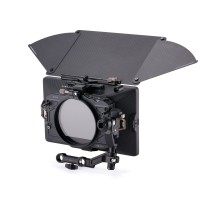
Tilta Mirage Pro Matte Box VND Kit
The Tilta Mirage Pro VND Kit is a carbon fibre clamp-on matte box with a 114 mm variable1 029 €on request