
 CZ
CZ SK
SK HU
HU AT
AT DE
DE ES
ES SI
SI HR
HR
Nothing in the basket.

- Search
-
Login

-
0
Comparison
Add products to compare, then they will appear here and you can compare parameters.
-
0
0 €
Tilta Mirage Matte Box VND
SKU: MB-T16-A
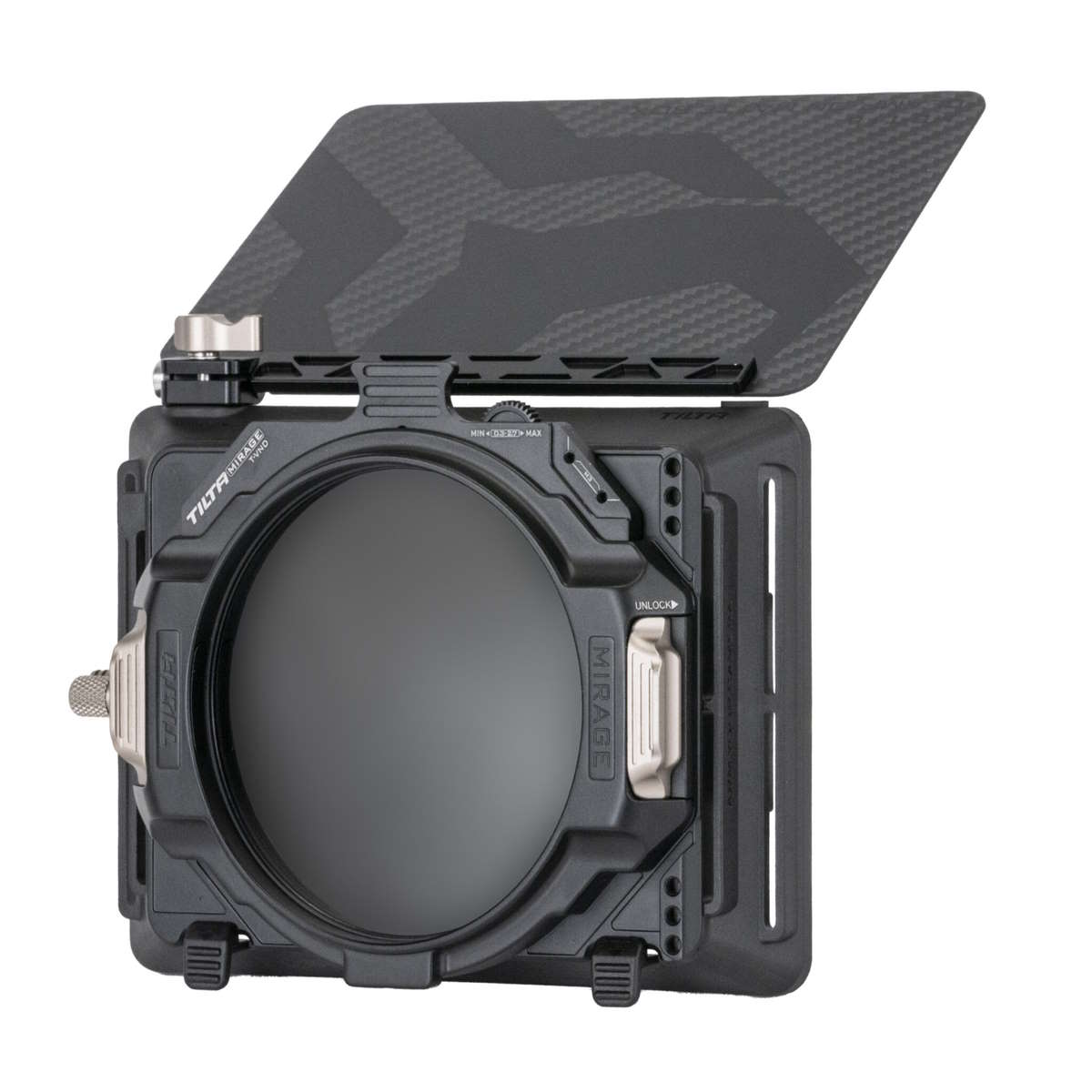
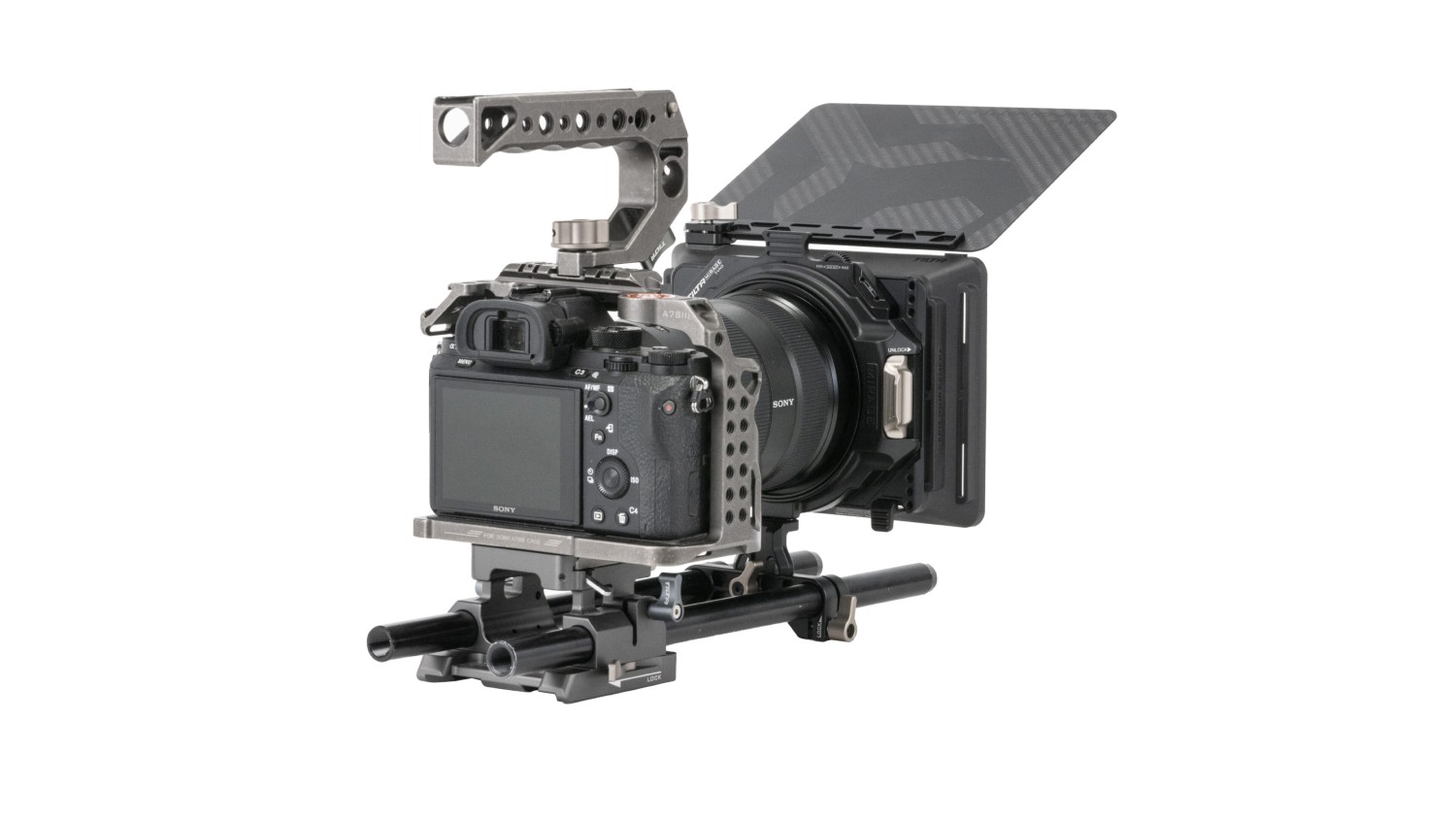
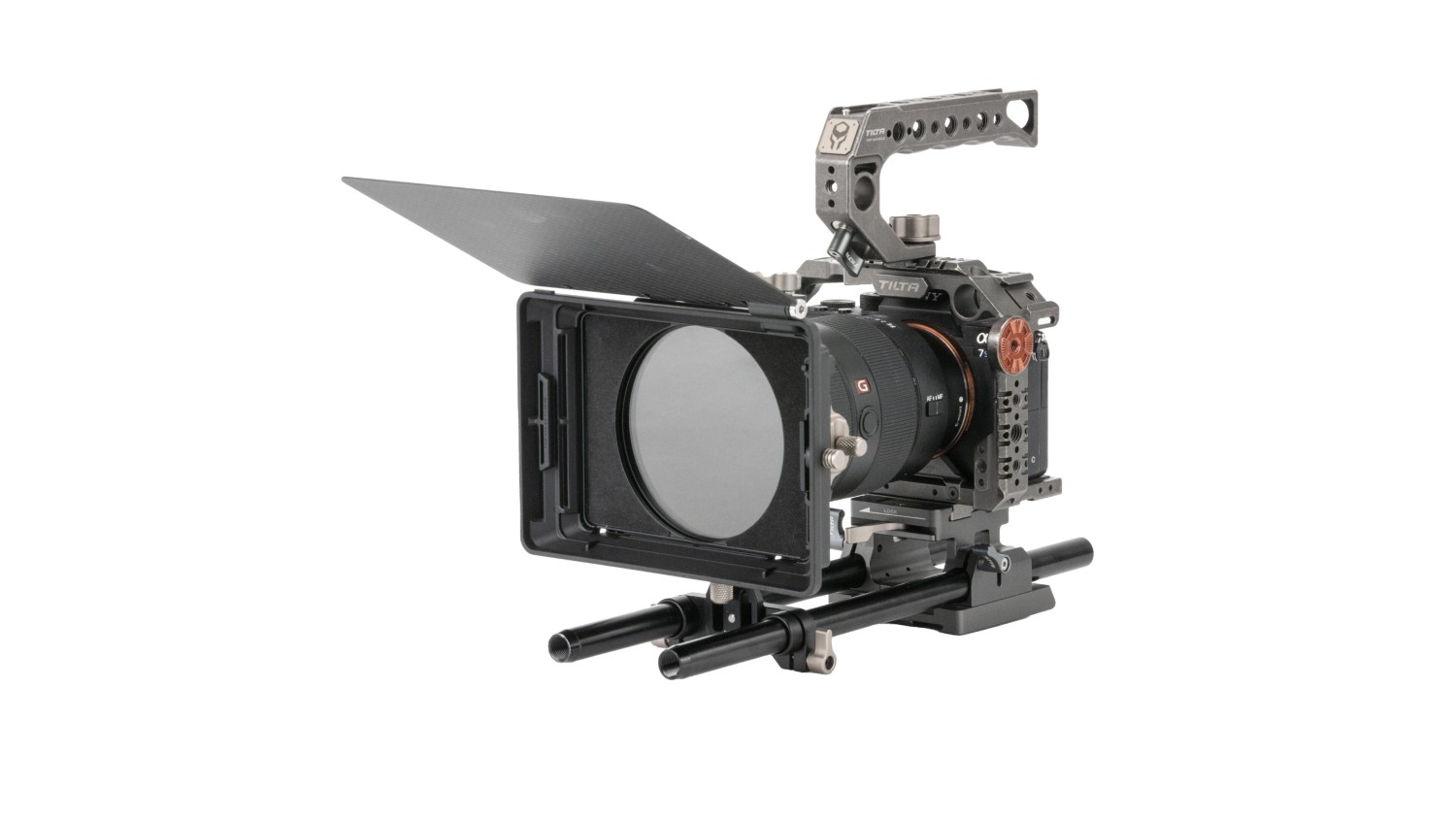
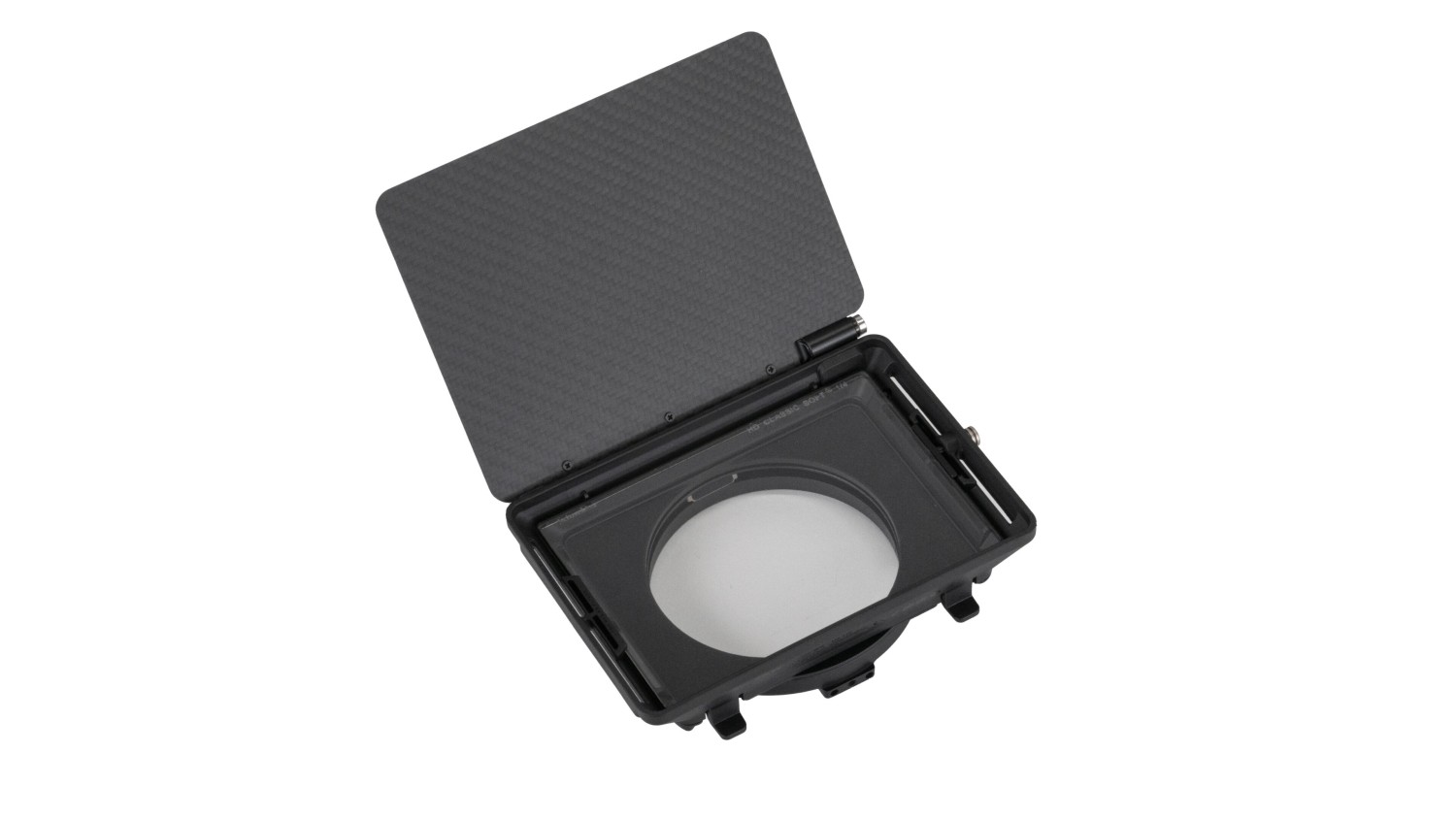
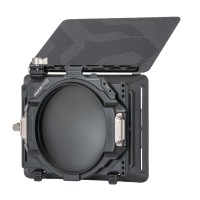
The Tilta Mirage Matte Box VND is a light, modular matte box with a variable ND 0.3–2.7 module: filters slide in as cartridges, it clamps onto 95 mm cine lenses and, through adapter rings, onto photo lenses, and exposure is set by turning the module. The kit includes a 15 mm LWS rod support, a Nucleus Nano motor adapter and the Advanced case.
409 € with VAT
338.02 € without VAT
Personal pickup: Tomorrow from 09:00
Shipment day: Tomorrow
Shipment day: Tomorrow
In stock 2 pcs
Praha 2 pcs
Praha 2 pcs
Top accessories for Tilta Mirage Matte Box VND
Tilta 80mm Cinema Adapter Ring For Tilta Mirage
The Tilta 80 mm Cinema adapter ring puts the Tilta Mirage matte box on a compact
23 €
In stock > 5 pcs
Tilta Full Camera Cage for Sony FX3/FX30 V2 - Black
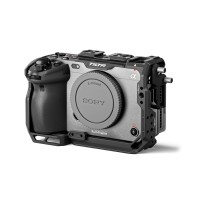
The Tilta Full Camera Cage for Sony FX3/FX30 V2 is the full cage on its own — no
119 €
In stock > 5 pcs
52mm Adapter Ring for Tilta Mirage
The Tilta 52 mm adapter ring screws into the filter thread of a photo lens and the
15 €
In stock 5 pcs
55mm Adapter Ring for Tilta Mirage
Promotion: -10%
The Tilta 55 mm adapter ring screws into the filter thread of a photo lens and the
13.12 €
14.52 €
In stock 3 pcs
Tilta Illusion 95mm Polarizer Filter
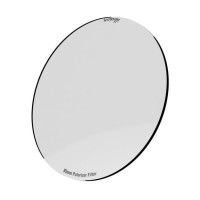
The Tilta Illusion 95 mm Polarizer is a circular filter for the Tilta Mirage matte
59 €
In stock 3 pcs
Tilta Camera Cage for Sony FX3/FX30 V2 Pro Kit - Black
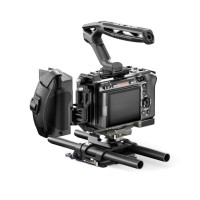
The Tilta Camera Cage for Sony FX3/FX30 V2 Pro Kit is the most complete of the three
326 €
In stock 3 pcs
77mm Adapter Ring for Tilta Mirage V2
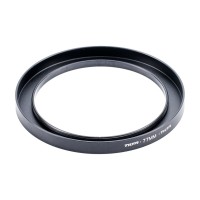
The Tilta MB-T16-77V2 adapter ring screws into the 77 mm filter thread of a photo
15 €
In stock 3 pcs
Tilta Adapter Ring for Tilta Mirage Matte Box (77mm)
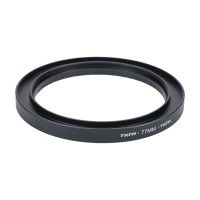
The Tilta 77 mm adapter ring screws into the filter thread of a photo lens and the
15 €
In stock 3 pcs
VAXIS VFX Φ95 Pearlaura 1/4 FILTER
The VAXIS VFX Φ95 Pearlaura 1/4 Filter enhances your visuals by adding a luxurious,
71 €
In stock 3 pcs
Tilta Illusion 95mm Digital Diffusion 1/8 Filter
Promotion: -10%
The Tilta Illusion 95 mm Digital Diffusion 1/8 is a circular filter for the Tilta
59.99 €
66.55 €
In stock 3 pcs
Product description
SPECIFICATIONS
PACKAGE CONTENT
Product description
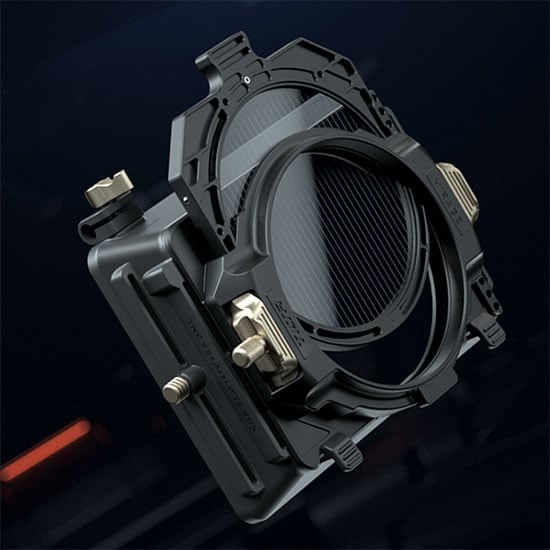
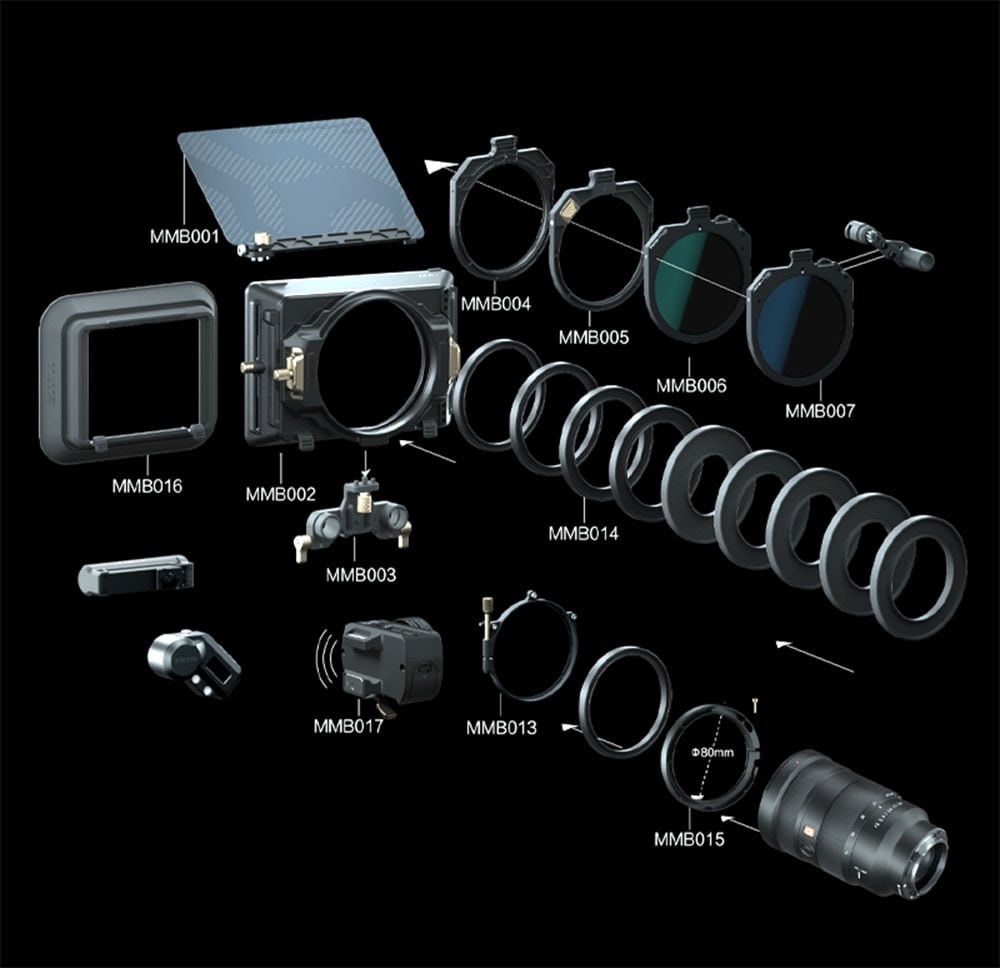
The Tilta Mirage Matte Box VND is a light, modular matte box with a variable ND 0.3–2.7 module: filters slide in as cartridges, it clamps onto 95 mm cine lenses and, through adapter rings, onto photo lenses, and exposure is set by turning the module. The kit includes a 15 mm LWS rod support, a Nucleus Nano motor adapter and the Advanced case.
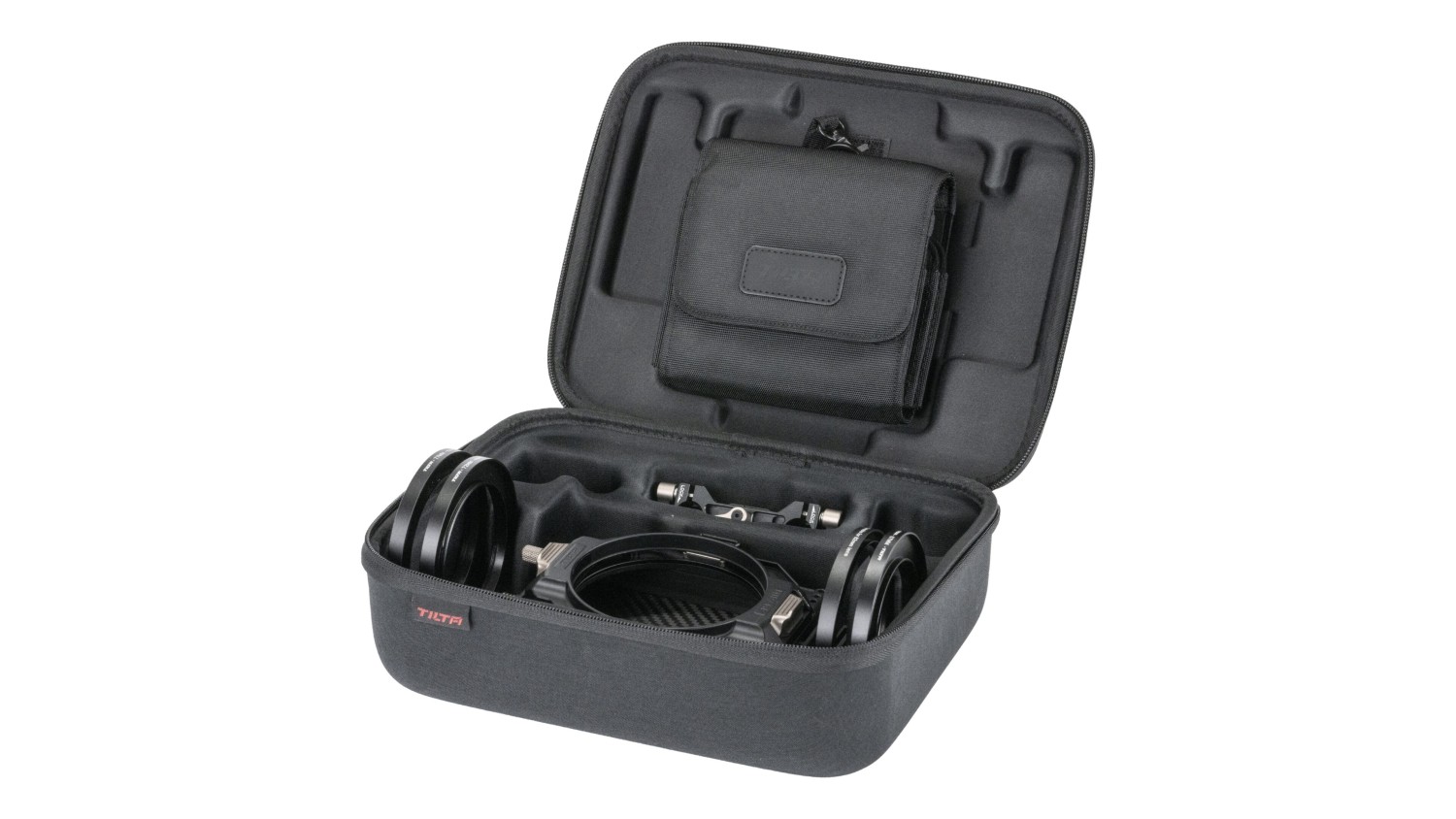
The Tilta Mirage Matte Box VND is the basic Mirage plus a variable ND 0.3–2.7 module, a 15 mm LWS rod support and an adapter for the Nucleus Nano motor. Exposure is corrected by turning the module or remotely, without removing the filter — and it all travels in the sturdier Advanced case.
Fits cine and photo lenses alike
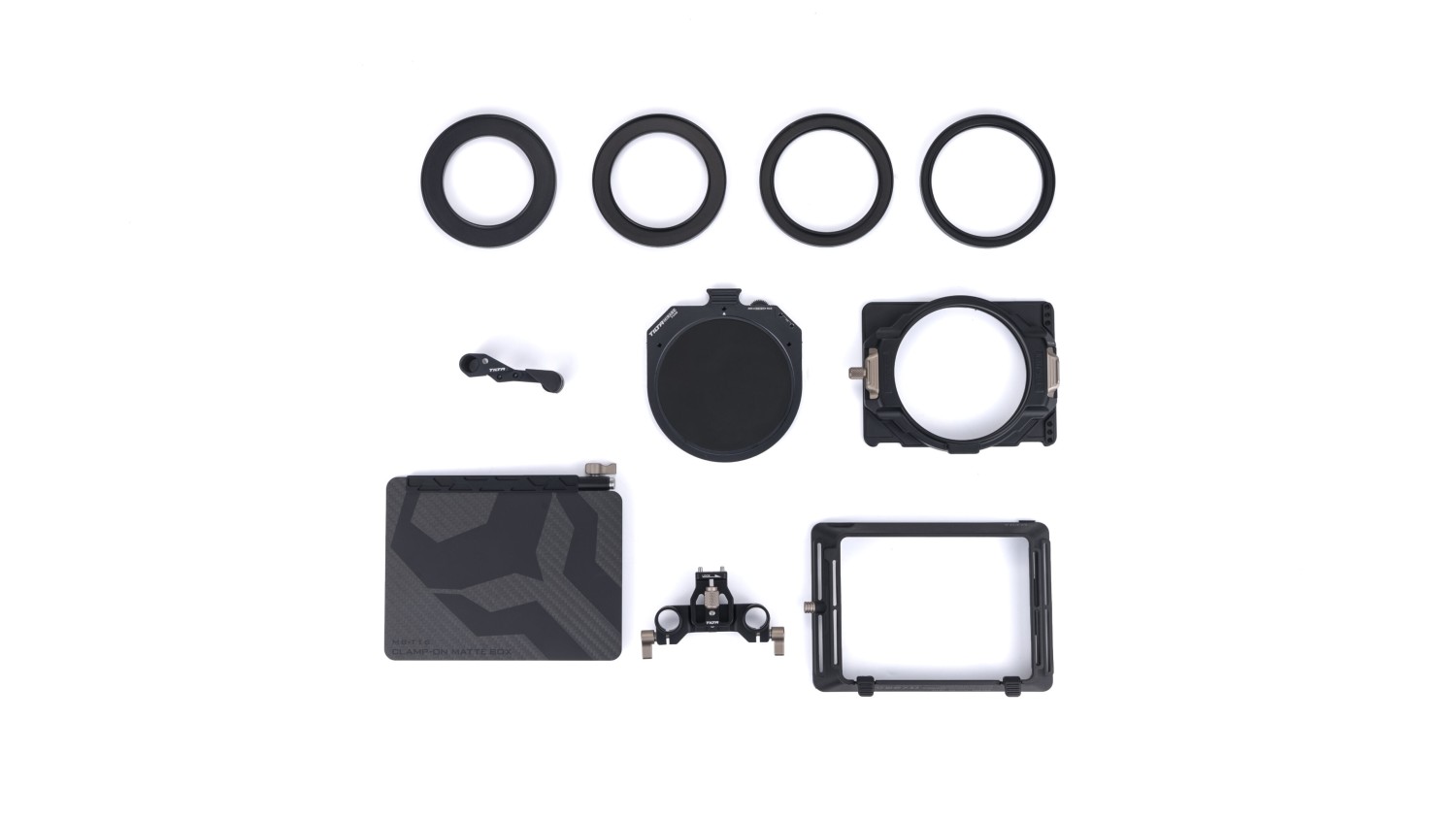
Mirage clamps straight onto lenses with a 95 mm front diameter, that is onto classic cine glass such as the ARRI Ultra Prime or Leica Summicron-C. It reaches DSLR and mirrorless lenses through adapter rings — four come in the basic kit, for 67, 72, 77 and 82 mm, and other diameters are sold separately.
The filter slides in, it does not screw on
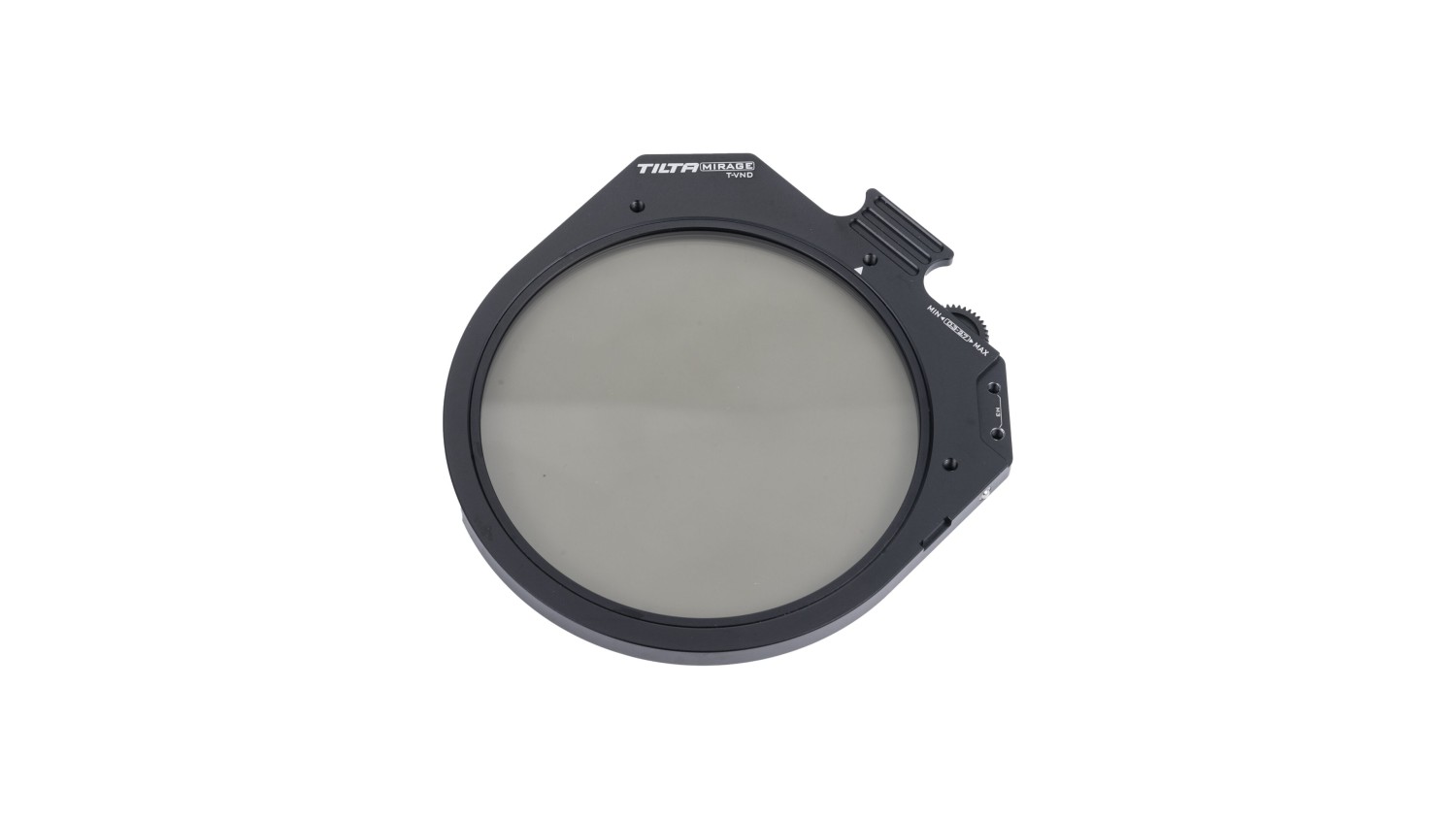
The circular filter sits in a cartridge that clicks into the matte box with a single press. Swapping takes a second, you need not remove the sun hood or touch the glass, and the filter cannot seize in a thread. The idea comes from film production — faster and kinder to the glass than a screw-in filter.
A quarter the weight of a rectangular filter
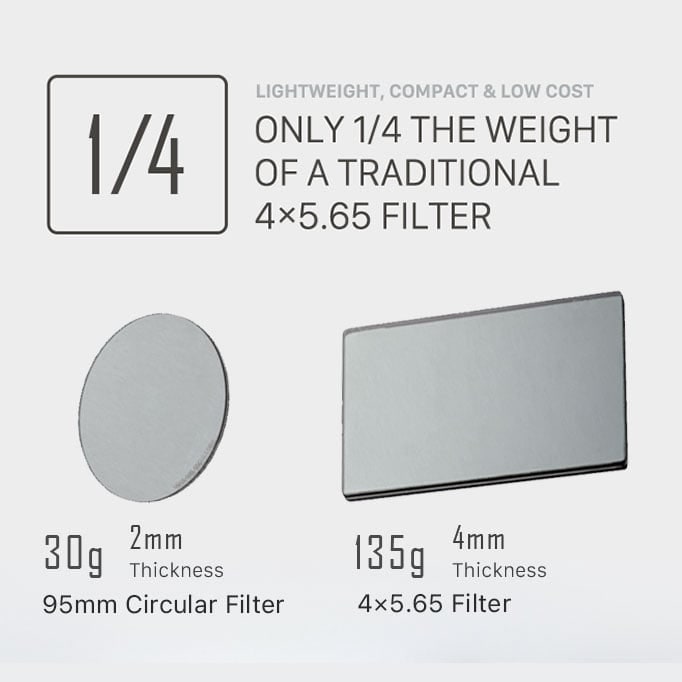
Mirage's round 95 mm filter is 2 mm thick and weighs 30 g. A traditional 4×5.65″ filter is 4 mm and 135 g. That is over a hundred grams saved per filter; take five on a shoot and it is half a kilo that neither the gimbal nor the drone has to carry. Smaller glass costs less, too.
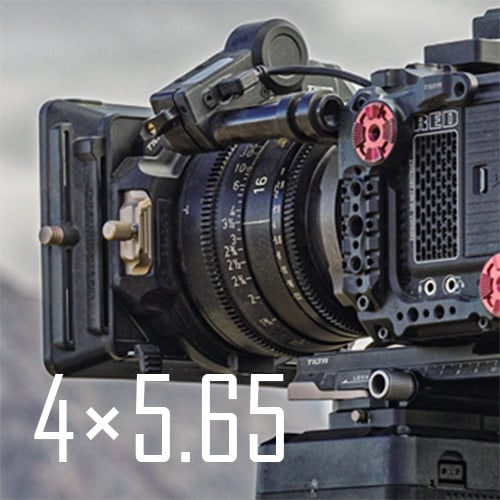
Ready for 4×5.65″ filters as well
When you need the classic rectangular format or several filters at once, stackable 4×5.65″ trays and their holder are available for Mirage. Round and rectangular filters can be combined in one build, so you do not have to decide in advance.
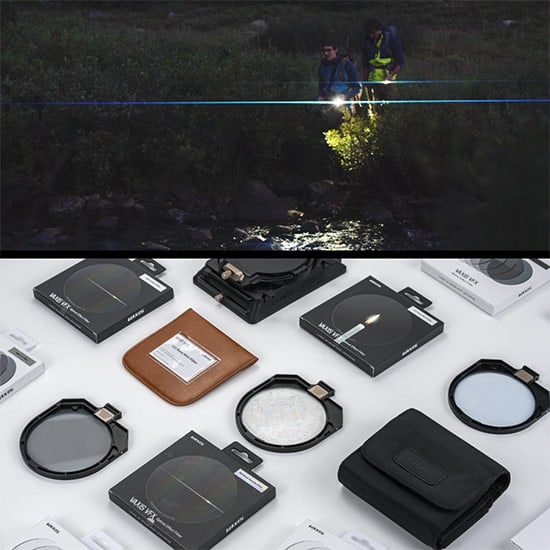
Effect filters from several makers
Other brands make filters for Mirage's 95 mm standard, so you can pick star patterns, coloured streaks, anamorphic flares, black and white pro mist and further effects. They all slide into the same cartridge, so you can swap them on set without tools.
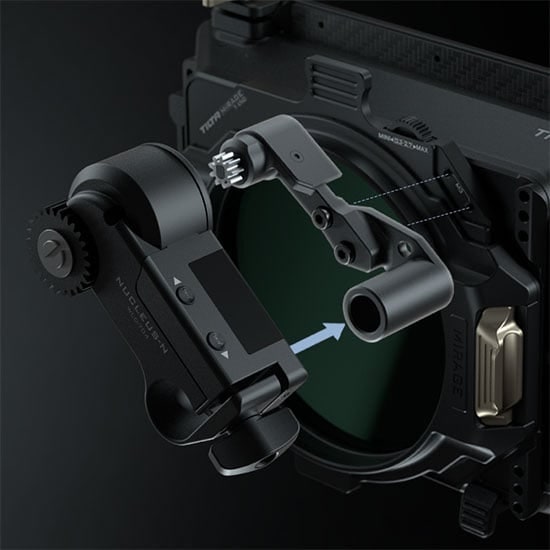
VND module and Nucleus Nano motor
The variable ND module was developed with leading optics makers and weighs 130 g in its lightest configuration. PL + CPL technology keeps colours true even at maximum density, and the ND 0.3–2.7 range has hard stops so it cannot be over-turned. The included adapter takes a Nucleus Nano motor on the module, so density can be changed remotely.
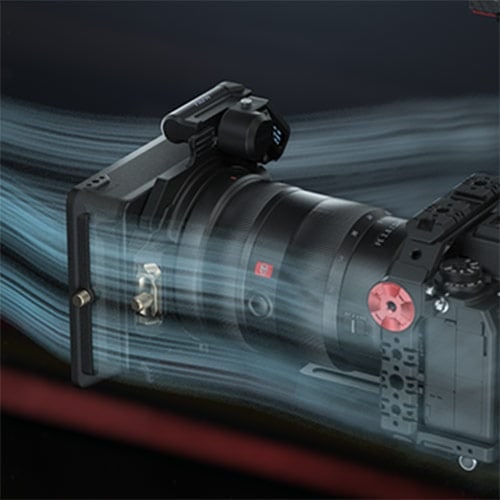
Aerodynamic body with vents
The matte box body is aerodynamically shaped with integrated vents that cut wind resistance. The rig stays calm at speed or in drone flight; the optional front protective element shields the filters from stones and insects.
Modular — build it for the scene
Mirage comes apart. Take off the sun hood, swap the filter holder, add the 15 mm LWS rod support — or instead the light clamp-on adapter, and a full matte box turns into a gimbal build. Tilta has patents pending on the system.
Worth knowing
Recommended ranges: ND 0.3–2.1 for wide lenses, ND 2.1–2.7 from 35 mm upwards. Outside them vignetting or a cross shadow may appear.
Mounted the usual way round, the VND filter does not polarise. Reversed it does — polarisation is then set by turning the whole matte box, but the wireless motor can no longer be fitted. Tilta side focus handles power the Mirage motor but do not control it.
PACKAGE CONTENT
- Tilta Mirage matte box (MB-T16) — 1×
- 95 mm variable ND filter cartridge (MB-T16-VND) — 1×
- 15 mm LWS rod support (MB-T16-LS) — 1×
- Nucleus Nano motor adapter (MB-TM-NMA) — 1×
- Advanced soft carrying case (MB-T16-SCC-A) — 1×
SPECIFICATIONS
- Dimensions: 279.4 × 228.6 × 114.3 mm (manufacturer figure)
- Weight: 1.04 kg (manufacturer figure)
- Material: aluminium alloy, stainless steel
- Colour: black
- Front clamp: 95 mm; 67, 72, 77 and 82 mm adapter rings included
- Circular filters: 95 mm, 2 mm thick, 30 g
- 4×5.65″ filters: via optional stackable tray and holder
- VND module: ND 0.3–2.7 with hard stops, PL + CPL, from 130 g
ACCESSORIES (76)
ACCESSORIES (76)
Tilta 80mm Cinema Adapter Ring For Tilta Mirage
The Tilta 80 mm Cinema adapter ring puts the Tilta Mirage matte box on a compact
23 €
In stock > 5 pcs
Tilta Full Camera Cage for Sony FX3/FX30 V2 - Black
The Tilta Full Camera Cage for Sony FX3/FX30 V2 is the full cage on its own — no
119 €
In stock > 5 pcs
52mm Adapter Ring for Tilta Mirage
The Tilta 52 mm adapter ring screws into the filter thread of a photo lens and the
15 €
In stock 5 pcs
55mm Adapter Ring for Tilta Mirage
Promotion: -10%
The Tilta 55 mm adapter ring screws into the filter thread of a photo lens and the
13.12 €
14.52 €
In stock 3 pcs
Tilta Illusion 95mm Polarizer Filter
The Tilta Illusion 95 mm Polarizer is a circular filter for the Tilta Mirage matte
59 €
In stock 3 pcs
Tilta Camera Cage for Sony FX3/FX30 V2 Pro Kit - Black
The Tilta Camera Cage for Sony FX3/FX30 V2 Pro Kit is the most complete of the three
326 €
In stock 3 pcs
77mm Adapter Ring for Tilta Mirage V2
The Tilta MB-T16-77V2 adapter ring screws into the 77 mm filter thread of a photo
15 €
In stock 3 pcs
Tilta Adapter Ring for Tilta Mirage Matte Box (77mm)
The Tilta 77 mm adapter ring screws into the filter thread of a photo lens and the
15 €
In stock 3 pcs
VAXIS VFX Φ95 Pearlaura 1/4 FILTER
The VAXIS VFX Φ95 Pearlaura 1/4 Filter enhances your visuals by adding a luxurious,
71 €
In stock 3 pcs
Tilta Illusion 95mm Digital Diffusion 1/8 Filter
Promotion: -10%
The Tilta Illusion 95 mm Digital Diffusion 1/8 is a circular filter for the Tilta
59.99 €
66.55 €
In stock 3 pcs
82mm Adapter Ring for Tilta Mirage V2
The Tilta MB-T16-82V2 adapter ring screws into the 82 mm filter thread of a photo
15 €
In stock 3 pcs
Tilta Illusion 95mm White Mist 1/2 Filter
The Tilta Illusion 95 mm White Mist 1/2 is a circular filter for the Tilta Mirage
67 €
In stock 3 pcs
Tilta Mirage Motor 14500 Power Supply
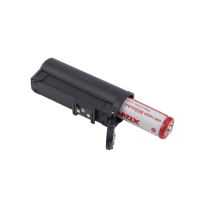
The Tilta MB-TM-PS power supply is a holder for a single 14500 cell (3.7 V) that
18 €
In stock 3 pcs
VAXIS VFX Φ95 Pearlaura 1/2 FILTER

Promotion: -33% ends in: 2d: 08h: 24m
The VAXIS VFX Φ95 Pearlaura 1/2 Filter features K95 optical glass with a multilayered,
47.58 €
71.39 €
In stock 3 pcs
Tilta Adapter Ring for Tilta Mirage Matte Box (82mm)
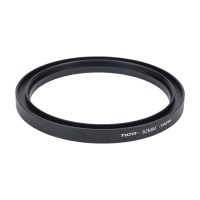
The Tilta 82 mm adapter ring screws into the filter thread of a photo lens and the
15 €
In stock 1 pcs
67mm Adapter Ring for Tilta Mirage V2
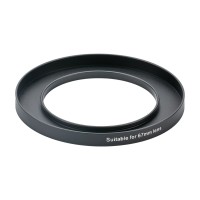
The Tilta MB-T16-67V2 adapter ring screws into the 67 mm filter thread of a photo
15 €
In stock 2 pcs
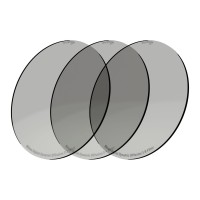
Tilta Illusion 95mm Digital Dynamic Diffusion Filter Kit
Promotion: -8%
The Tilta Illusion 95 mm Digital Dynamic Diffusion Kit is a set of three circular
166.07 €
180.29 €
In stock 2 pcs
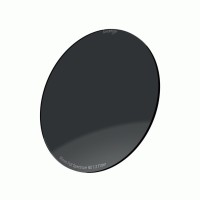
Tilta Illusion 95mm Full Spectrum ND 1.2 Filter
Promotion: -62% ends in: 1d: 08h: 32m
The Tilta Illusion 95 mm Full Spectrum ND 1.2 is a circular neutral density filter
25.19 €
66.55 €
In stock 2 pcs
Tilta Adapter Ring for Tilta Mirage Matte Box (85mm)
The Tilta 85 mm adapter ring screws into the filter thread of a photo lens and the
15 €
In stock 2 pcs
Tilta 86mm Adapter Ring for Tilta Mirage
The Tilta 86 mm adapter ring screws into the filter thread of a photo lens and the
15 €
In stock 2 pcs
Tilta Illusion 95mm Digital Dynamic Diffusion 1/8 Filter
Promotion: -10%
The Tilta Illusion 95 mm Digital Dynamic Diffusion 1/8 is a circular filter for the
59.99 €
66.55 €
In stock 2 pcs
Tilta Illusion 4x5.65 Black Mist 1/4 Filter

Promotion: -9%
Introducing the Tilta Illusion 4x5.65 Black Mist 1/4 Filter, a next-generation diffusion
217.93 €
240.79 €
In stock 2 pcs
72mm Adapter Ring for Tilta Mirage V2
The Tilta MB-T16-72V2 adapter ring screws into the 72 mm filter thread of a photo
15 €
In stock 2 pcs
Tilta Illusion 95mm Black Mist Filter Kit
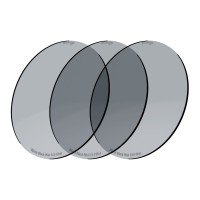
Promotion: -62% ends in: 1d: 08h: 23m
The Tilta Illusion 95 mm Black Mist Kit is a set of three circular filters for the
68.22 €
180.29 €
In stock 1 pcs
Tilta Illusion 95mm Full Spectrum ND 0.9 Filter
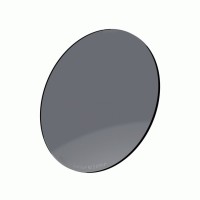
Promotion: -10%
The Tilta Illusion 95 mm Full Spectrum ND 0.9 is a circular neutral density filter
59.99 €
66.55 €
In stock 2 pcs
55mm Adapter Ring for Tilta Mirage V2
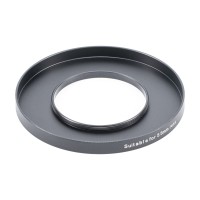
The Tilta MB-T16-55V2 adapter ring screws into the 55 mm filter thread of a photo
15 €
In stock 2 pcs
Tilta Illusion 95mm Glimmer Filter Kit
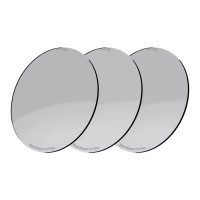
The Tilta Illusion 95 mm Glimmer Kit is a set of three circular filters for the Tilta
180 €
In stock 1 pcs
Tilta 15mm LWS Support for Mirage Matte Box
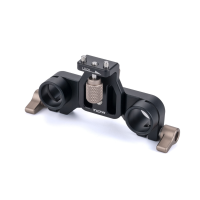
The Tilta MB-T16-LS support holds the Mirage matte box on two 15 mm LWS rods instead
35 €
In stock 1 pcs
Tilta Mirage VND Kit
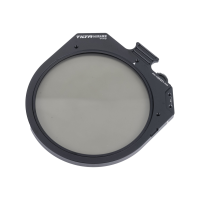
The Tilta MB-T16-VND module is a 95 mm variable ND filter tray for the Mirage matte
238 €
Backordered 2 pcs
Tilta 95mm Adapter Ring for Tilta Mirage
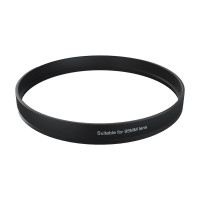
The Tilta 95 mm adapter ring screws into the filter thread of a photo lens and the
15 €
In stock 1 pcs
Tilta Cold Shoe Adapter for Tilta Mirage
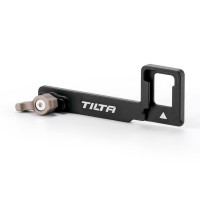
The Tilta MB-T16-CSA adapter gives the Mirage matte box a cold shoe centered above
7.3 €
In stock 1 pcs
Tilta 95mm Polarizer Filter for Mirage Matte Box
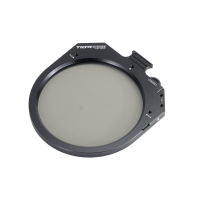
The Tilta MB-T16-POLA is a rotatable 95 mm circular polarizer built specifically
184 €
In stock 1 pcs
Tilta Camera Cage for Sony FX3/FX30 V2 Pro Kit - Titanium Gray
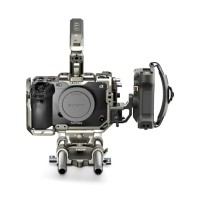
The Tilta Camera Cage for Sony FX3/FX30 V2 Pro Kit is the most complete of the three
326 €
In stock 1 pcs
Tilta Illusion 95mm Full Spectrum ND 1.8 Filter
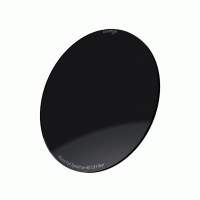
Promotion: -10%
The Tilta Illusion 95 mm Full Spectrum ND 1.8 is a circular neutral density filter
59.99 €
66.55 €
In stock 1 pcs
Tilta Illusion 95mm Pearlaura Mist Filter Kit
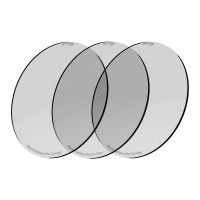
Promotion: -16%
The Tilta Illusion 95 mm Pearlaura Mist Kit is a set of three circular filters for
138.59 €
164.56 €
In stock 1 pcs
Tilta Camera Cage for RED KOMODO-X Basic Kit - Black
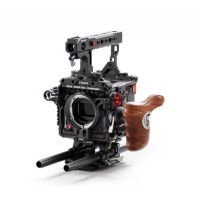
The complete Tilta handheld rig for the RED KOMODO-X in one box — cage, two handles,
439 €
In stock 1 pcs
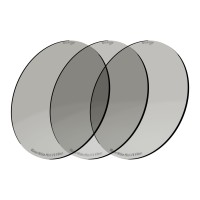
Tilta Illusion 95mm White Mist Filter Kit
Promotion: -16%
The Tilta Illusion 95 mm White Mist Kit is a set of three circular filters for the
138.65 €
164.56 €
In stock 1 pcs
Tilta Illusion 95mm Digital Diffusion 1/2 Filter
Promotion: -10%
The Tilta Illusion 95 mm Digital Diffusion 1/2 is a circular filter for the Tilta
59.99 €
66.55 €
In stock 1 pcs
Tilta Illusion 95mm L41 UV Filter
The Tilta Illusion 95 mm L41 UV is a circular filter for the Tilta Mirage matte box.
54 €
In stock 1 pcs
Tilta Illusion 95mm Black Mist 1/2 Filter
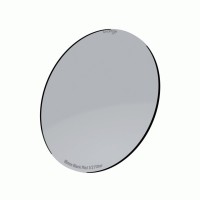
The Tilta Illusion 95 mm Black Mist 1/2 is a circular filter for the Tilta Mirage
67 €
In stock 1 pcs
Rubber Hood for Tilta Mirage
Promotion: -5%
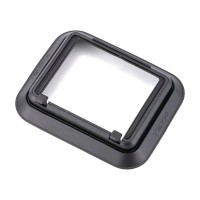
The Tilta MB-T16-RH rubber hood is the lighter, softer stand-in for the rigid hood
40.31 €
42.35 €
In stock 1 pcs
Tilta Basic Soft Carrying Case for Tilta Mirage
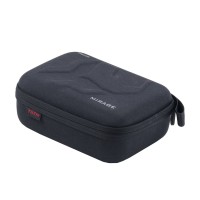
The Tilta MB-T16-SCC-B soft carrying case is the basic case for the Mirage matte
19 €
In stock 1 pcs
Tilta Illusion 95mm Digital Diffusion Filter Kit
Promotion: -8%
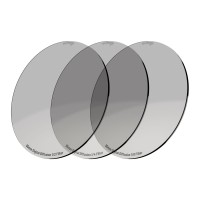
The Tilta Illusion 95 mm Digital Diffusion Kit is a set of three circular filters
166.07 €
180.29 €
In stock 1 pcs
Tilta Illusion 95mm Glimmer 1/2 Filter
Promotion: -10%
The Tilta Illusion 95 mm Glimmer 1/2 is a circular filter for the Tilta Mirage matte
59.99 €
66.55 €
In stock 1 pcs
Tilta Illusion 95mm Glimmer 1/8 Filter
The Tilta Illusion 95 mm Glimmer 1/8 is a circular filter for the Tilta Mirage matte
67 €
In stock 1 pcs
Rotatable Circular Filter Tray for Tilta Mirage
Promotion: -56% ends in: 1d: 08h: 30m
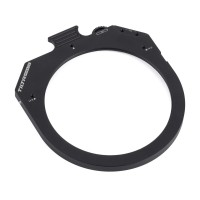
The Tilta MB-T16-RCF rotatable tray holds any 95 mm circular filter in the Mirage
31.41 €
71.39 €
To be sent 1 pcs
Tilta 95mm Stackable Circular Filter Tray for Mirage Matte Box
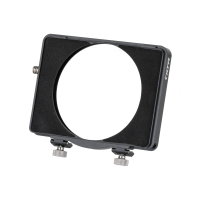
The Tilta MB-T16-SCF stackable tray replaces the rubber sun hood of the Mirage matte
71 €
Backordered 1 pcs
Tilta Illusion 95mm Black Mist 1/4 Filter
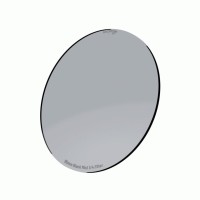
The Tilta Illusion 95 mm Black Mist 1/4 is a circular filter for the Tilta Mirage
67 €
Backordered 1 pcs
Tilta Nucleus Nano Motor Adapter for Tilta Mirage
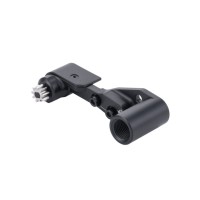
This Nucleus Nano Motor Adapter for Tilta Mirage allows you to mount a Nucleus Nano
35 €
on request
Tilta Advanced Control Knob for Tilta Mirage
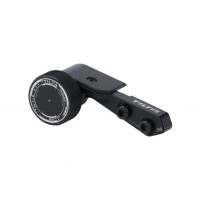
This Advanced Control Knob for Tilta Mirage mounts directly to your Variable ND or
23 €
on request
VAXIS VFX Φ95 Pearlaura 1/8 FILTER

The VAXIS VFX Φ95 Pearlaura 1/8 Filter enhances your shots with a delicate, soft
71 €
on request
Tilta Full Camera Cage for RED KOMODO-X - Black
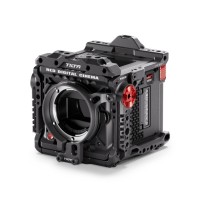
Tilta full camera cage for the RED KOMODO-X body — five detachable parts, mounting
163 €
on request
Tilta Illusion 95mm White Mist 1/8 Filter
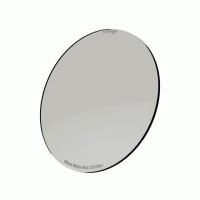
The Tilta Illusion 95 mm White Mist 1/8 is a circular filter for the Tilta Mirage
67 €
on request
Vaxis VFX 95mm Pearlaura 1/2 1/4 1/8 Filter Kit

The Vaxis VFX 95mm Pearlaura Filter Kit includes 1/2, 1/4, and 1/8 filters, designed
198 €
on request
Tilta Wireless Control Kit for Tilta Mirage
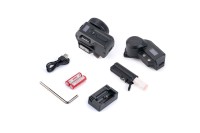
Tilta MB-TM-WCK Wireless Control Kit for Mirage — a lightweight, ergonomic, high-quality
301 €
on request
Tilta Camera Cage for Sony FX3/FX30 V2 Lightweight Kit - Black
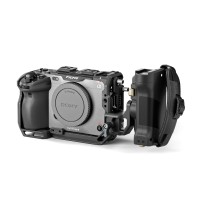
The Tilta Camera Cage for Sony FX3/FX30 V2 Lightweight Kit is the lightest of the
217 €
on request
Tilta 4 x 5.65" Stackable Filter Tray Holder for Mirage Matte Box
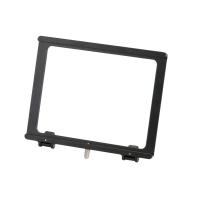
This Stackable Filter Tray Holder replaces the Rubber Hood on the Tilta Mirage Matte
47 €
on request
Tilta 67mm Adapter Ring for Tilta Mirage
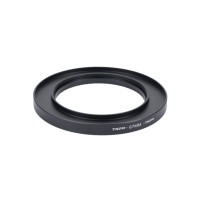
These Adapter Rings for the Tilta Mirage Matte Box allow you to mount the system
15 €
on request
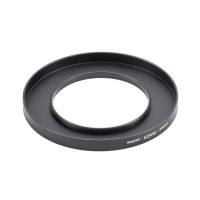
Tilta Filter Protection Cover for Tilta Mirage
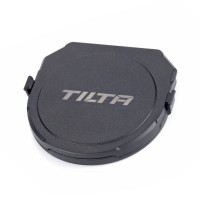
This Filter Protection Cover for the Tilta Mirage is designed to protect our 95mm
23 €
on request
Tilta Advanced Soft Carrying Case for Tilta Mirage
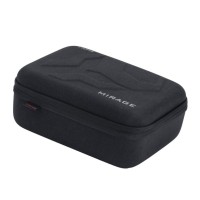
This advanced soft shell carrying case comes with a foam insert to keep your Tilta
19 €
on request
Tilta Camera Cage for Sony FX3/FX30 V2 Lightweight Kit - Titanium Gray
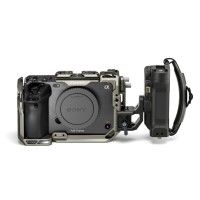
The Tilta Camera Cage for Sony FX3/FX30 V2 Lightweight Kit is the lightest of the
241 €
on request
Tilta Dual Circular Filter Tray For Tilta Mirage
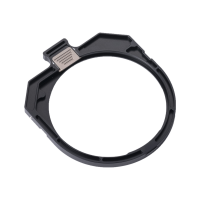
This Dual Circular Filter Tray for Tilta Mirage allows you to mount two 95mm circular
47 €
on request
Tilta 58mm Adapter Ring for Tilta Mirage
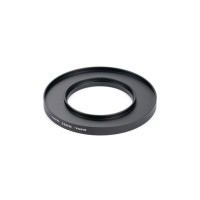
These Adapter Rings for the Tilta Mirage Matte Box allow you to mount the system
15 €
on request
Tilta Wireless Motor Kit for Tilta Mirage
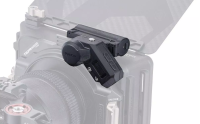
The Wireless Motor for Tilta Mirage is a compact, durable, and versatile accessory
192 €
on request
Tilta 4 x 5.65" Stackable Filter Tray for Mirage Matte Box
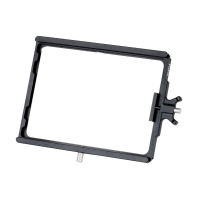
This Stackable Filter Tray connects to the 4×5.65 Stackable Filter Tray Holder which
47 €
on request
Tilta Illusion 95mm Black Mist 1/8 Filter
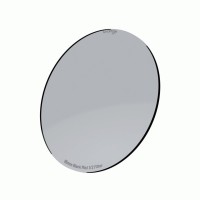
The Tilta Illusion 95 mm Black Mist 1/8 is a circular filter for the Tilta Mirage
67 €
on request
Tilta Adapter Ring for Tilta Mirage Matte Box (72mm)
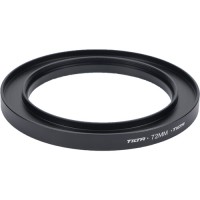
These Adapter Rings for the Tilta Mirage Matte Box allow you to mount the system
15 €
on request
Tilta Camera Cage for RED KOMODO-X Advanced Kit (V Mount) - Black
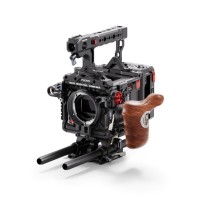
Tilta handheld rig for the RED KOMODO-X together with power — it includes a V-mount
819 €
on request
Tilta Full Camera Cage for Sony FX3/FX30 V2 - Titanium Gray
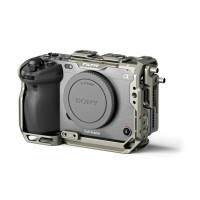
The Tilta Full Camera Cage for Sony FX3/FX30 V2 is the full cage on its own — no
119 €
on request
Tilta Camera Cage for Sony FX3/FX30 V2 Basic Kit - Titanium Gray
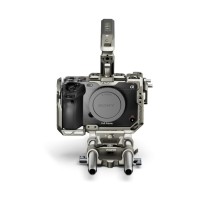
The Tilta Camera Cage for Sony FX3/FX30 V2 Basic Kit turns a compact body into a
217 €
on request
62mm Adapter Ring for Tilta Mirage
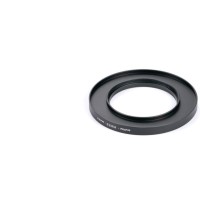
These Adapter Rings for the Tilta Mirage Matte Box allow you to mount the system
15 €
on request
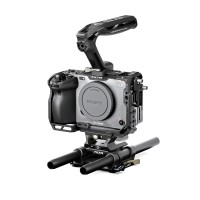
Tilta Camera Cage for Sony FX3/FX30 V2 Basic Kit - Black
Promotion: -8%
The Tilta Camera Cage for Sony FX3/FX30 V2 Basic Kit turns a compact body into a
179.81 €
194.93 €
on request
Tilta Wireless Controller For Tilta Mirage
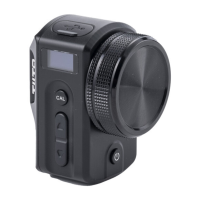
Tilta MB-TM-WC (MBTMWC) Wireless Controller for Tilta Mirage. The Wireless Controller
162 €
on request
Tilta Wireless Motor for Tilta Mirage
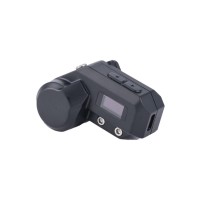
The Wireless Motor for Tilta Mirage mounts directly to the 95mm Variable ND Module
180 €
on request
Alternative (4)
Alternative (4)
TILTA MB-T16 MIRAGE MATTE BOX
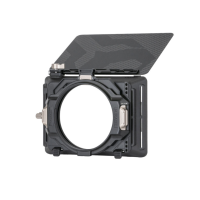
Mirage clamps straight onto lenses with a 95 mm front diameter, that is onto classic
123 €
In stock 5 pcs
Tilta Mirage Motorized VND Kit
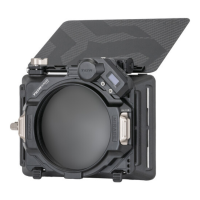
Built rugged for daily use on your camera rig yet lightweight for handheld, gimbal,
659 €
In stock 1 pcs
Tilta Mirage Motorized VND Kit (Without Battery)
Mirage is a new matte box system developed for the latest era of video creators,
729 €
on request
Tilta Mirage Pro Matte Box Starter Kit (95mm Backing)
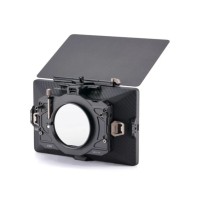
The Tilta Mirage Pro Matte Box Starter Kit is the cheapest way into the carbon-fibre
362 €
on request
To this product (58)
To this product (58)
Tilta 80mm Cinema Adapter Ring For Tilta Mirage
The Tilta 80 mm Cinema adapter ring puts the Tilta Mirage matte box on a compact
23 €
In stock > 5 pcs
52mm Adapter Ring for Tilta Mirage
The Tilta 52 mm adapter ring screws into the filter thread of a photo lens and the
15 €
In stock 5 pcs
55mm Adapter Ring for Tilta Mirage
Promotion: -10%
The Tilta 55 mm adapter ring screws into the filter thread of a photo lens and the
13.12 €
14.52 €
In stock 3 pcs
Tilta Illusion 95mm Polarizer Filter
The Tilta Illusion 95 mm Polarizer is a circular filter for the Tilta Mirage matte
59 €
In stock 3 pcs
77mm Adapter Ring for Tilta Mirage V2
The Tilta MB-T16-77V2 adapter ring screws into the 77 mm filter thread of a photo
15 €
In stock 3 pcs
Tilta Adapter Ring for Tilta Mirage Matte Box (77mm)
The Tilta 77 mm adapter ring screws into the filter thread of a photo lens and the
15 €
In stock 3 pcs
Tilta Illusion 95mm White Mist 1/2 Filter
The Tilta Illusion 95 mm White Mist 1/2 is a circular filter for the Tilta Mirage
67 €
In stock 3 pcs
Tilta Illusion 95mm Digital Diffusion 1/8 Filter
Promotion: -10%
The Tilta Illusion 95 mm Digital Diffusion 1/8 is a circular filter for the Tilta
59.99 €
66.55 €
In stock 3 pcs
82mm Adapter Ring for Tilta Mirage V2
The Tilta MB-T16-82V2 adapter ring screws into the 82 mm filter thread of a photo
15 €
In stock 3 pcs
Tilta Adapter Ring for Tilta Mirage Matte Box (82mm)
The Tilta 82 mm adapter ring screws into the filter thread of a photo lens and the
15 €
In stock 1 pcs
67mm Adapter Ring for Tilta Mirage V2
The Tilta MB-T16-67V2 adapter ring screws into the 67 mm filter thread of a photo
15 €
In stock 2 pcs
72mm Adapter Ring for Tilta Mirage V2
The Tilta MB-T16-72V2 adapter ring screws into the 72 mm filter thread of a photo
15 €
In stock 2 pcs
Tilta Illusion 95mm Black Mist Filter Kit
Promotion: -62% ends in: 1d: 08h: 23m
The Tilta Illusion 95 mm Black Mist Kit is a set of three circular filters for the
68.22 €
180.29 €
In stock 1 pcs
55mm Adapter Ring for Tilta Mirage V2
The Tilta MB-T16-55V2 adapter ring screws into the 55 mm filter thread of a photo
15 €
In stock 2 pcs
Tilta Illusion 95mm Full Spectrum ND 1.2 Filter
Promotion: -62% ends in: 1d: 08h: 32m
The Tilta Illusion 95 mm Full Spectrum ND 1.2 is a circular neutral density filter
25.19 €
66.55 €
In stock 2 pcs
Tilta Illusion 95mm Digital Dynamic Diffusion Filter Kit
Promotion: -8%
The Tilta Illusion 95 mm Digital Dynamic Diffusion Kit is a set of three circular
166.07 €
180.29 €
In stock 2 pcs
Tilta Illusion 4x5.65 Black Mist 1/4 Filter
Promotion: -9%
Introducing the Tilta Illusion 4x5.65 Black Mist 1/4 Filter, a next-generation diffusion
217.93 €
240.79 €
In stock 2 pcs
Tilta Illusion 95mm Full Spectrum ND 0.9 Filter
Promotion: -10%
The Tilta Illusion 95 mm Full Spectrum ND 0.9 is a circular neutral density filter
59.99 €
66.55 €
In stock 2 pcs
Tilta Adapter Ring for Tilta Mirage Matte Box (85mm)
The Tilta 85 mm adapter ring screws into the filter thread of a photo lens and the
15 €
In stock 2 pcs
Tilta 86mm Adapter Ring for Tilta Mirage
The Tilta 86 mm adapter ring screws into the filter thread of a photo lens and the
15 €
In stock 2 pcs
Tilta Illusion 95mm Digital Dynamic Diffusion 1/8 Filter
Promotion: -10%
The Tilta Illusion 95 mm Digital Dynamic Diffusion 1/8 is a circular filter for the
59.99 €
66.55 €
In stock 2 pcs
Tilta Illusion 95mm Glimmer Filter Kit
The Tilta Illusion 95 mm Glimmer Kit is a set of three circular filters for the Tilta
180 €
In stock 1 pcs
Tilta 15mm LWS Support for Mirage Matte Box
The Tilta MB-T16-LS support holds the Mirage matte box on two 15 mm LWS rods instead
35 €
In stock 1 pcs
Tilta Mirage VND Kit
The Tilta MB-T16-VND module is a 95 mm variable ND filter tray for the Mirage matte
238 €
Backordered 2 pcs
Tilta 95mm Adapter Ring for Tilta Mirage
The Tilta 95 mm adapter ring screws into the filter thread of a photo lens and the
15 €
In stock 1 pcs
Tilta 95mm Polarizer Filter for Mirage Matte Box
The Tilta MB-T16-POLA is a rotatable 95 mm circular polarizer built specifically
184 €
In stock 1 pcs
Tilta Illusion 95mm Full Spectrum ND 1.8 Filter
Promotion: -10%
The Tilta Illusion 95 mm Full Spectrum ND 1.8 is a circular neutral density filter
59.99 €
66.55 €
In stock 1 pcs
Tilta Illusion 95mm Black Mist 1/2 Filter
The Tilta Illusion 95 mm Black Mist 1/2 is a circular filter for the Tilta Mirage
67 €
In stock 1 pcs
Tilta Illusion 95mm Glimmer 1/8 Filter
The Tilta Illusion 95 mm Glimmer 1/8 is a circular filter for the Tilta Mirage matte
67 €
In stock 1 pcs
Tilta Illusion 95mm Digital Diffusion 1/2 Filter
Promotion: -10%
The Tilta Illusion 95 mm Digital Diffusion 1/2 is a circular filter for the Tilta
59.99 €
66.55 €
In stock 1 pcs
Tilta Illusion 95mm White Mist Filter Kit
Promotion: -16%
The Tilta Illusion 95 mm White Mist Kit is a set of three circular filters for the
138.65 €
164.56 €
In stock 1 pcs
Tilta Basic Soft Carrying Case for Tilta Mirage
The Tilta MB-T16-SCC-B soft carrying case is the basic case for the Mirage matte
19 €
In stock 1 pcs
Tilta Illusion 95mm Digital Diffusion Filter Kit
Promotion: -8%
The Tilta Illusion 95 mm Digital Diffusion Kit is a set of three circular filters
166.07 €
180.29 €
In stock 1 pcs
Rubber Hood for Tilta Mirage
Promotion: -5%
The Tilta MB-T16-RH rubber hood is the lighter, softer stand-in for the rigid hood
40.31 €
42.35 €
In stock 1 pcs
Rotatable Circular Filter Tray for Tilta Mirage
Promotion: -56% ends in: 1d: 08h: 30m
The Tilta MB-T16-RCF rotatable tray holds any 95 mm circular filter in the Mirage
31.41 €
71.39 €
To be sent 1 pcs
Tilta Illusion 95mm L41 UV Filter
The Tilta Illusion 95 mm L41 UV is a circular filter for the Tilta Mirage matte box.
54 €
In stock 1 pcs
Tilta Illusion 95mm Glimmer 1/2 Filter
Promotion: -10%
The Tilta Illusion 95 mm Glimmer 1/2 is a circular filter for the Tilta Mirage matte
59.99 €
66.55 €
In stock 1 pcs
Tilta 95mm Stackable Circular Filter Tray for Mirage Matte Box
The Tilta MB-T16-SCF stackable tray replaces the rubber sun hood of the Mirage matte
71 €
Backordered 1 pcs
Tilta Illusion 95mm Black Mist 1/4 Filter
The Tilta Illusion 95 mm Black Mist 1/4 is a circular filter for the Tilta Mirage
67 €
Backordered 1 pcs
Tilta Nucleus Nano Motor Adapter for Tilta Mirage
This Nucleus Nano Motor Adapter for Tilta Mirage allows you to mount a Nucleus Nano
35 €
on request
Tilta Advanced Control Knob for Tilta Mirage
This Advanced Control Knob for Tilta Mirage mounts directly to your Variable ND or
23 €
on request
Tilta 58mm Adapter Ring for Tilta Mirage
These Adapter Rings for the Tilta Mirage Matte Box allow you to mount the system
15 €
on request
62mm Adapter Ring for Tilta Mirage
These Adapter Rings for the Tilta Mirage Matte Box allow you to mount the system
15 €
on request
Tilta 67mm Adapter Ring for Tilta Mirage
These Adapter Rings for the Tilta Mirage Matte Box allow you to mount the system
15 €
on request
Tilta 4 x 5.65" Stackable Filter Tray Holder for Mirage Matte Box
This Stackable Filter Tray Holder replaces the Rubber Hood on the Tilta Mirage Matte
47 €
on request
Tilta 4 x 5.65" Stackable Filter Tray for Mirage Matte Box
This Stackable Filter Tray connects to the 4×5.65 Stackable Filter Tray Holder which
47 €
on request
Tilta Wireless Motor for Tilta Mirage
The Wireless Motor for Tilta Mirage mounts directly to the 95mm Variable ND Module
180 €
on request
Tilta Advanced Soft Carrying Case for Tilta Mirage
This advanced soft shell carrying case comes with a foam insert to keep your Tilta
19 €
on request
Tilta Wireless Control Kit for Tilta Mirage
Tilta MB-TM-WCK Wireless Control Kit for Mirage — a lightweight, ergonomic, high-quality
301 €
on request
Tilta Wireless Motor Kit for Tilta Mirage
The Wireless Motor for Tilta Mirage is a compact, durable, and versatile accessory
192 €
on request
Tilta Illusion 95mm Black Mist 1/8 Filter
The Tilta Illusion 95 mm Black Mist 1/8 is a circular filter for the Tilta Mirage
67 €
on request
Tilta Dual Circular Filter Tray For Tilta Mirage
This Dual Circular Filter Tray for Tilta Mirage allows you to mount two 95mm circular
47 €
on request
Tilta Adapter Ring for Tilta Mirage Matte Box (72mm)
These Adapter Rings for the Tilta Mirage Matte Box allow you to mount the system
15 €
on request
Tilta Wireless Controller For Tilta Mirage
Tilta MB-TM-WC (MBTMWC) Wireless Controller for Tilta Mirage. The Wireless Controller
162 €
on request
Tilta Illusion 95mm White Mist 1/8 Filter
The Tilta Illusion 95 mm White Mist 1/8 is a circular filter for the Tilta Mirage
67 €
on request
Tilta Filter Protection Cover for Tilta Mirage
This Filter Protection Cover for the Tilta Mirage is designed to protect our 95mm
23 €
on request


News, training, and discounts from Syntex
Special offers and discounts for subscribers only · Free audio & video workshops · News and tips from the world of filmmaking
- Show all
Tilta Mirage Matte Box VND
The Tilta Mirage Matte Box VND is a light, modular matte box with a variable ND 0.3–2.7409 €In stock 2 pcs