
 CZ
CZ SK
SK HU
HU AT
AT DE
DE ES
ES SI
SI HR
HR
Nothing in the basket.

- Search
-
Login

-
0
Comparison
Add products to compare, then they will appear here and you can compare parameters.
-
0
0 €
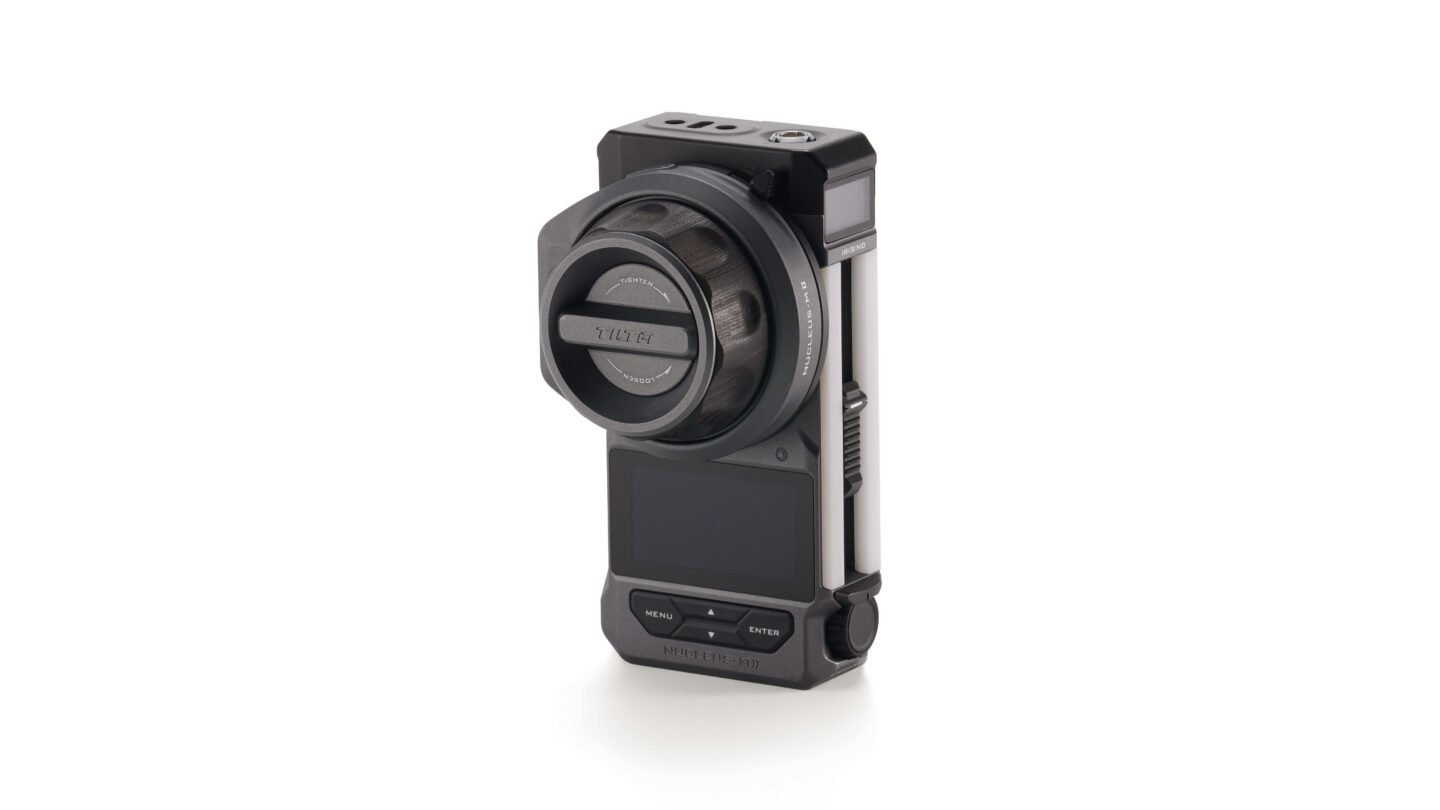
Tilta Nucleus-M II Wireless Lens Control System Ultimate Kit
SKU: WLC-T06
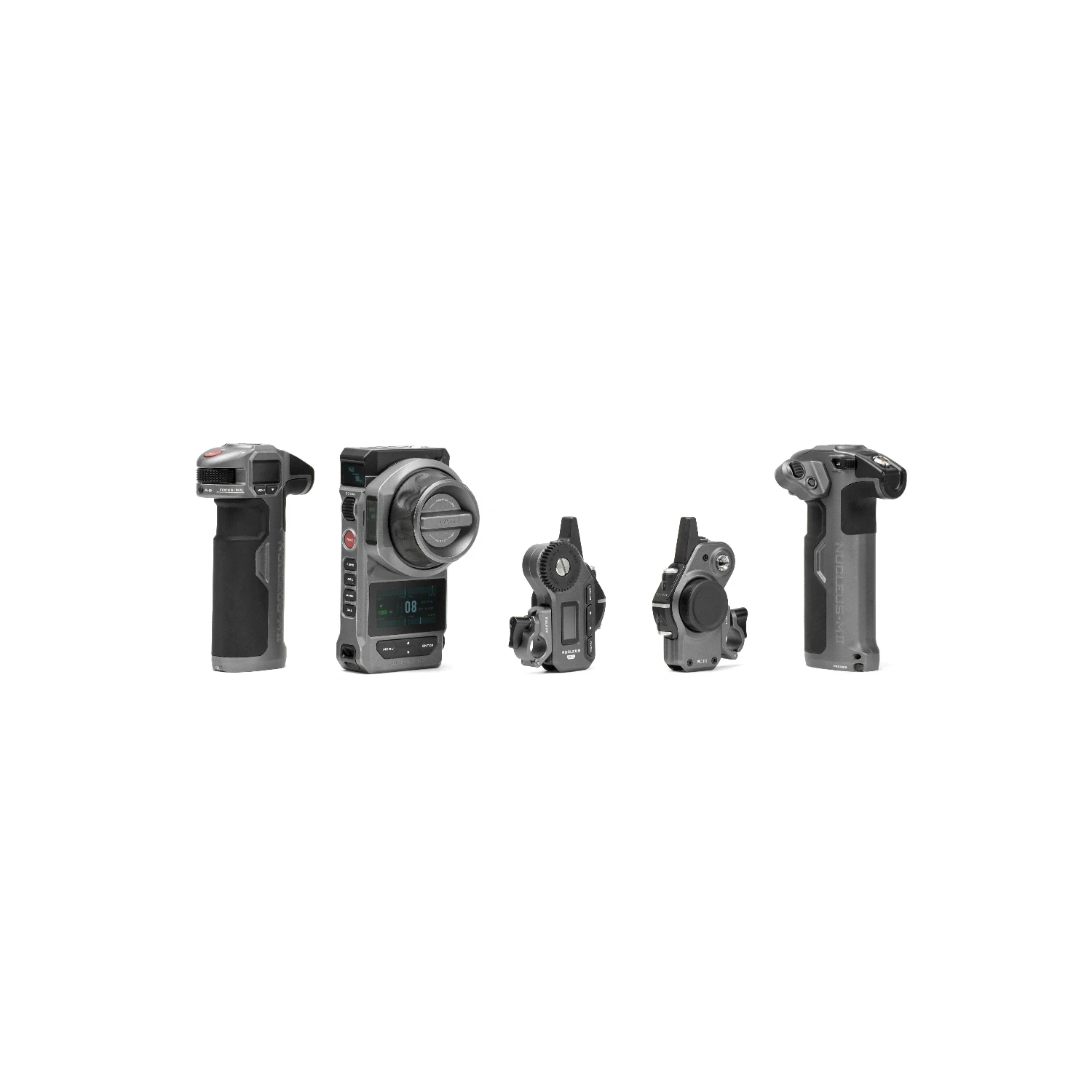
The Tilta Nucleus-M II Ultimate Kit is the top configuration of this wireless lens control (FIZ) system. From the FIZ Hand Unit with its 2.4" touchscreen, or from the left and right hand grips, you drive up to four motors at once — focus, iris, zoom and ND. The kit holds two motors, both grips, the Zoom Module, 0.5 and 0.8 Mod motor gears, 15 mm and 19 mm…
1 819 € with VAT
1 503.31 € without VAT
Availability
Backordered 3 pcs - 06.11.2026
Top accessories for Tilta Nucleus-M II Wireless Lens Control System Ultimate Kit
Tilta Battery Charger for L-Series/NP-F (2 Channel) - Green
A flat two-channel Tilta charger for Sony L-Series / NP-F batteries and compatible
18 €
In stock 5 pcs
Tilta Nucleus-M II 7-Pin to 7-Pin Connection Cable (30cm)
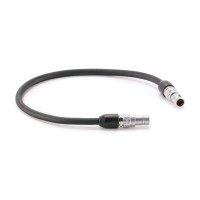
The Tilta WLC-T06-7P-30 is the 30 cm 7-pin to 7-pin connection cable for the Nucleus-M
35 €
In stock > 5 pcs
Tilta Nucleus-M II Motor Kit
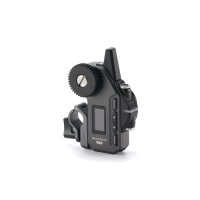
The Tilta Nucleus-M II Motor Kit is a single wireless motor that adds another controlled
362 €
In stock 5 pcs
Tilta Extended Hand Wheel for Nucleus-M II FIZ Hand Unit
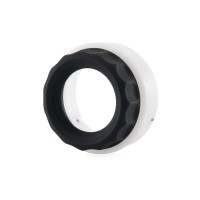
The Tilta Extended Hand Wheel WLC-T06-EHW replaces the standard hand wheel of the
47 €
In stock 5 pcs
Tilta Nucleus-M II Extended Mod Motor Gear
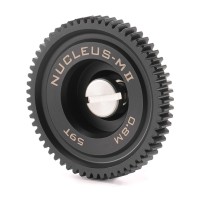
The Tilta WLC-T06-MG-08V2 is the extended 0.8 MOD motor gear for the Nucleus-M II
19 €
In stock 5 pcs
Tilta Nucleus-M II 7-Pin to 7-Pin Connection Cable (50cm)
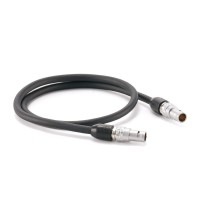
The Tilta WLC-T06-7P-50 is the 50 cm 7-pin to 7-pin connection cable for the Nucleus-M
35 €
In stock > 5 pcs
Tilta Seamless Focus Gear Ring for 56mm to 58mm Lens
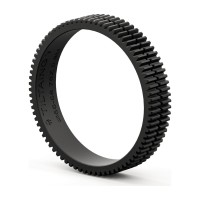
The Tilta Seamless Focus Gear Ring is a rubber gear ring that stretches over the
2.4 €
In stock 3 pcs
Tilta Seamless Focus Gear Ring for 78mm to 80mm Lens
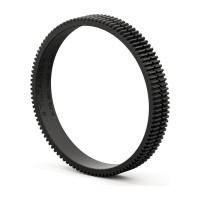
The Tilta Seamless Focus Gear Ring is a rubber gear ring that stretches over the
2.4 €
In stock 3 pcs
Tilta Seamless Focus Gear Ring for 88mm to 90mm Lens
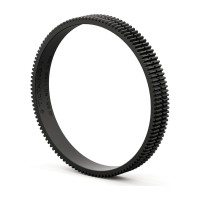
The Tilta Seamless Focus Gear Ring is a rubber gear ring that stretches over the
2.4 €
In stock 3 pcs
Tilta Seamless Focus Gear Ring for 46.5mm to 48.5mm Lens
The Tilta Seamless Focus Gear Ring is a rubber gear ring that stretches over the
2.4 €
In stock 3 pcs
Product description
SPECIFICATIONS
PACKAGE CONTENT
Product description
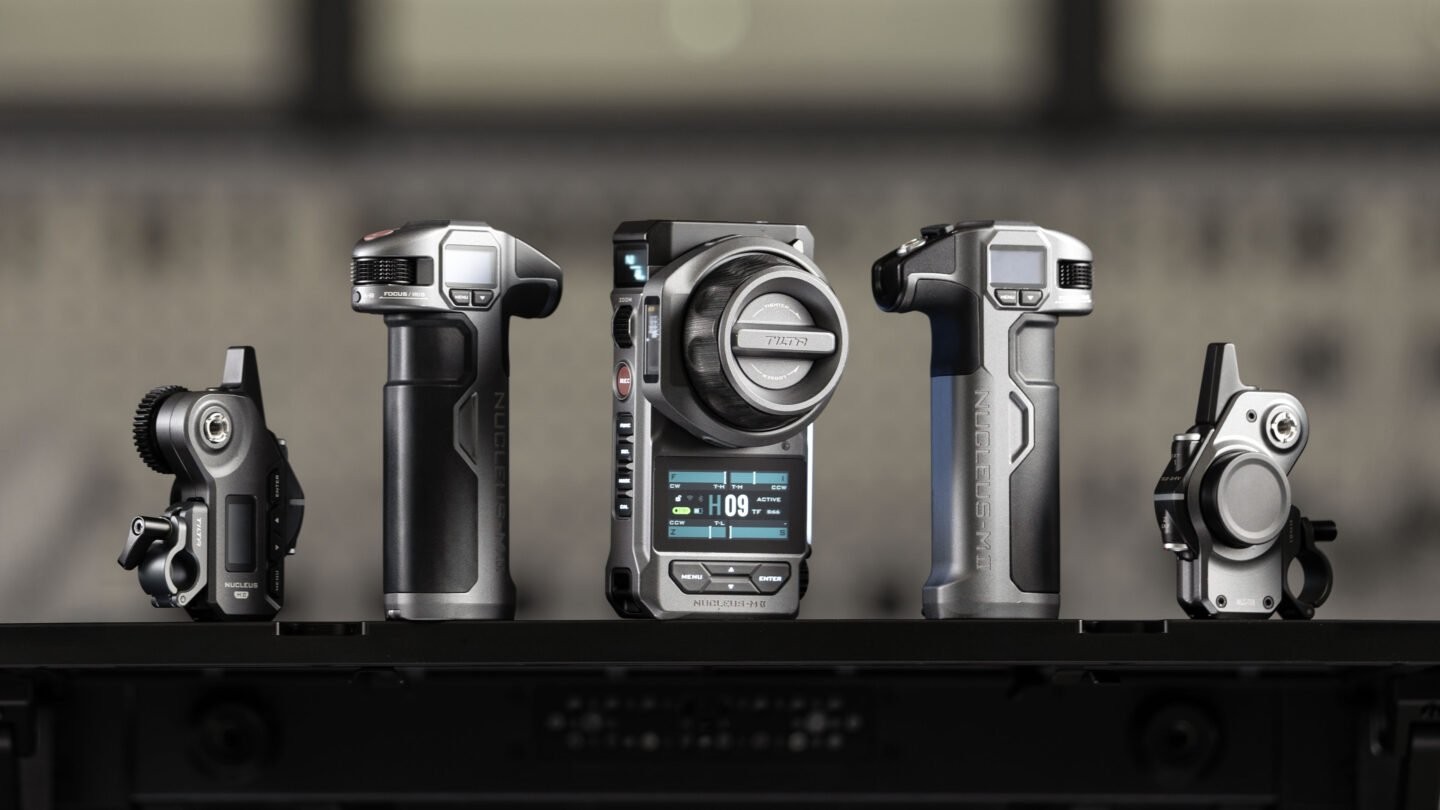
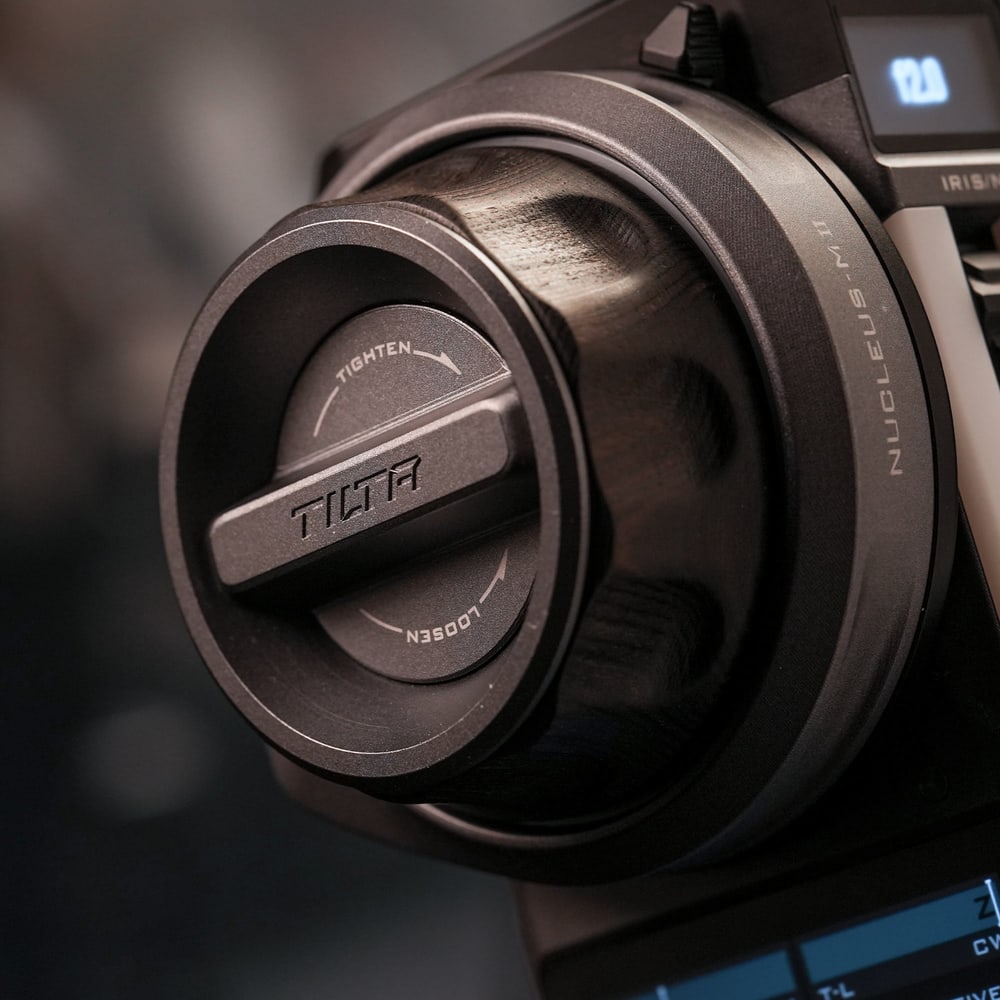
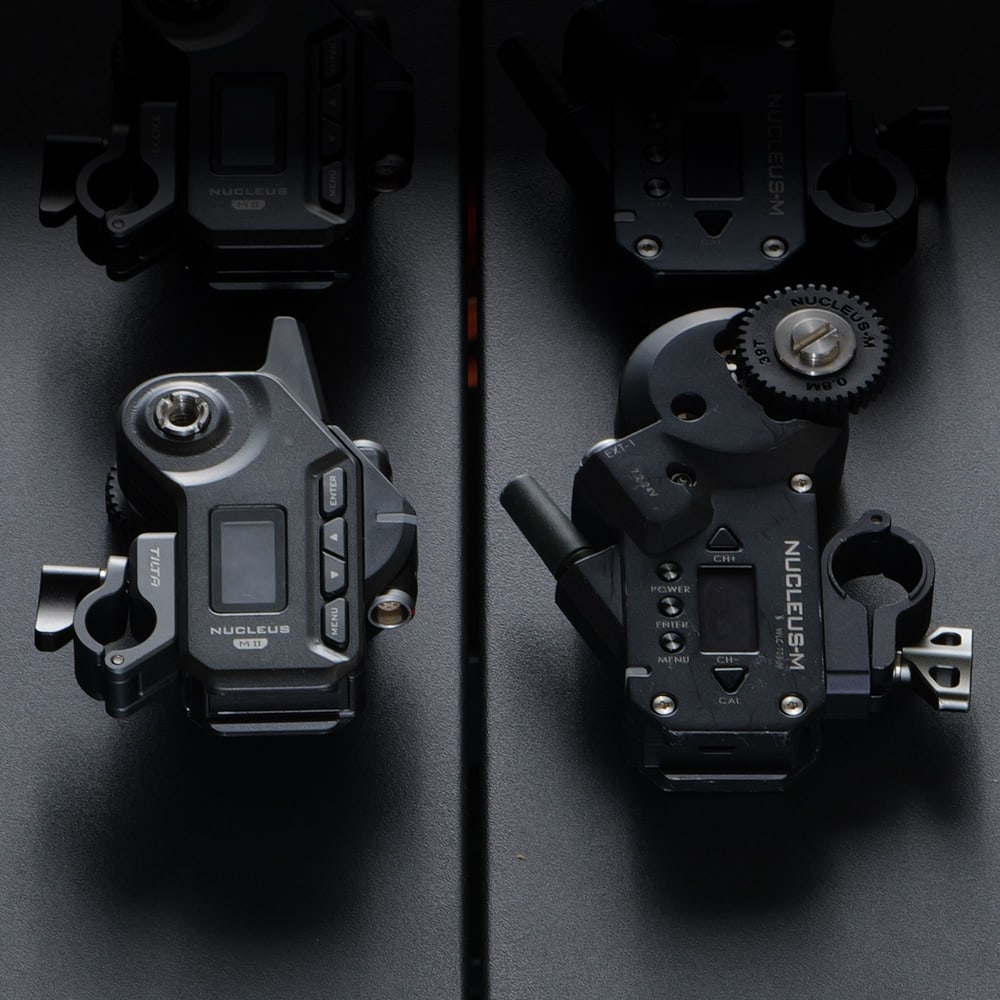
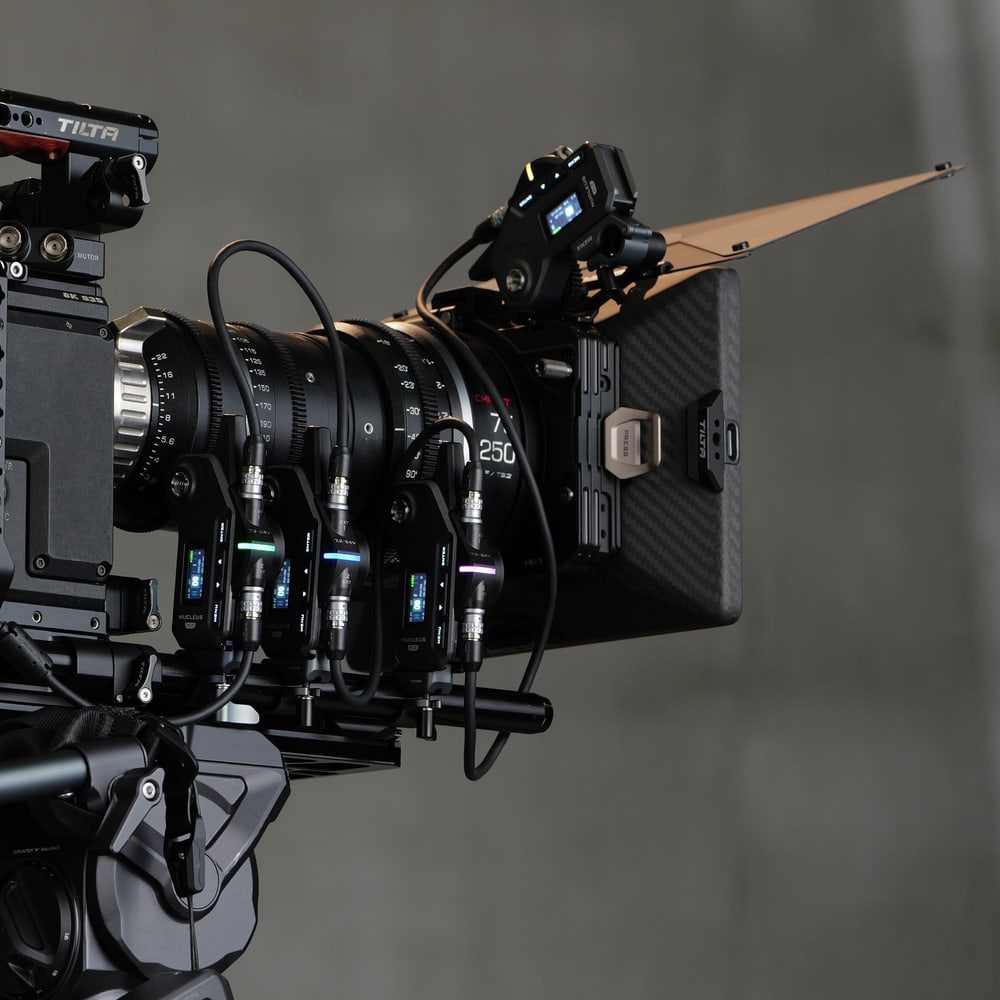
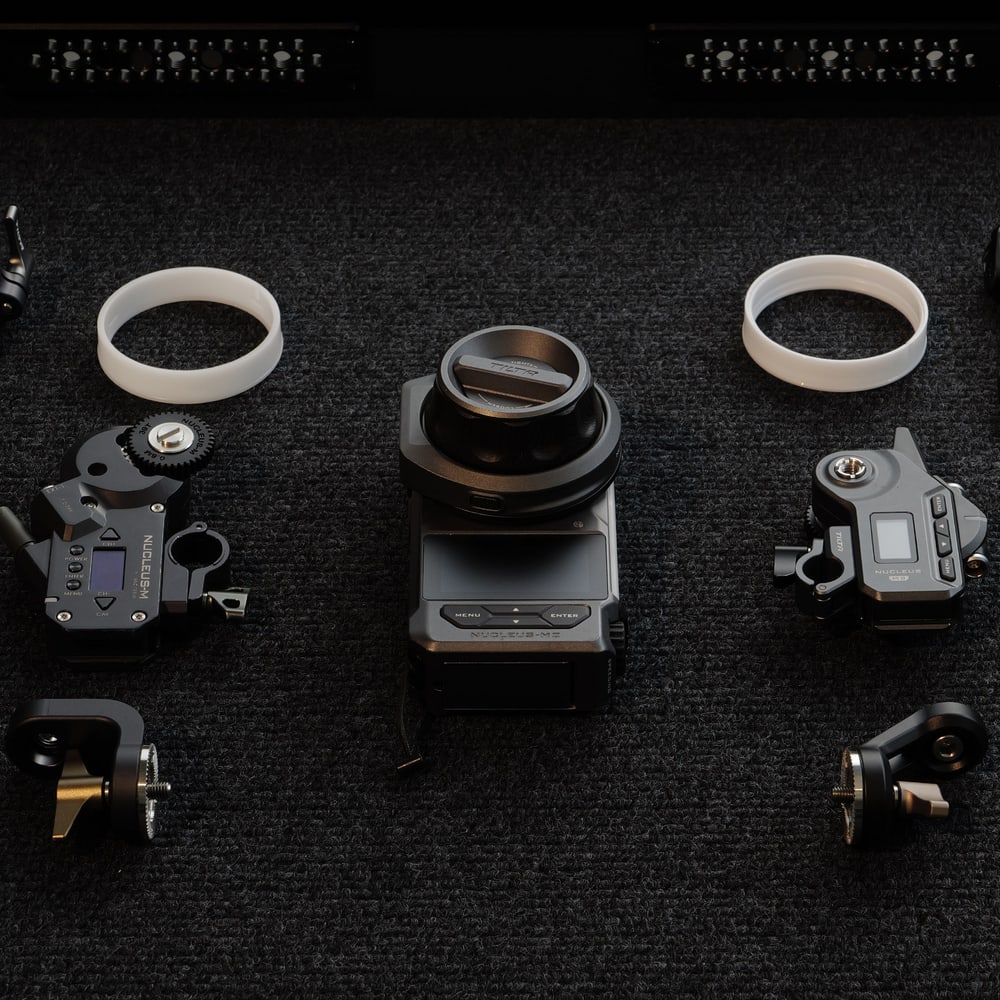
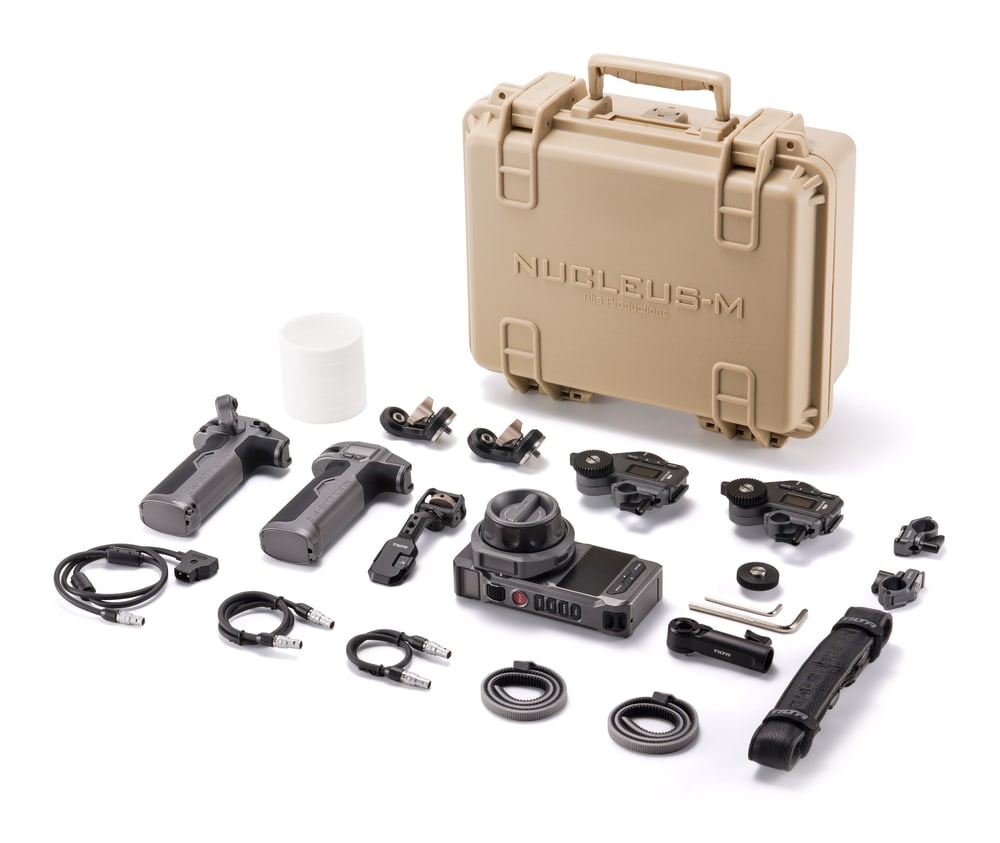
The Tilta Nucleus-M II Ultimate Kit is the top configuration of this wireless lens control (FIZ) system. From the FIZ Hand Unit with its 2.4" touchscreen, or from the left and right hand grips, you drive up to four motors at once — focus, iris, zoom and ND. The kit holds two motors, both grips, the Zoom Module, 0.5 and 0.8 Mod motor gears, 15 mm and 19 mm rod mounts, cables and a waterproof hard case. The system runs on 2.4 GHz, stores 128 lens profiles and is backwards compatible with the Nucleus-M and Nano II.
Four axes from one unit
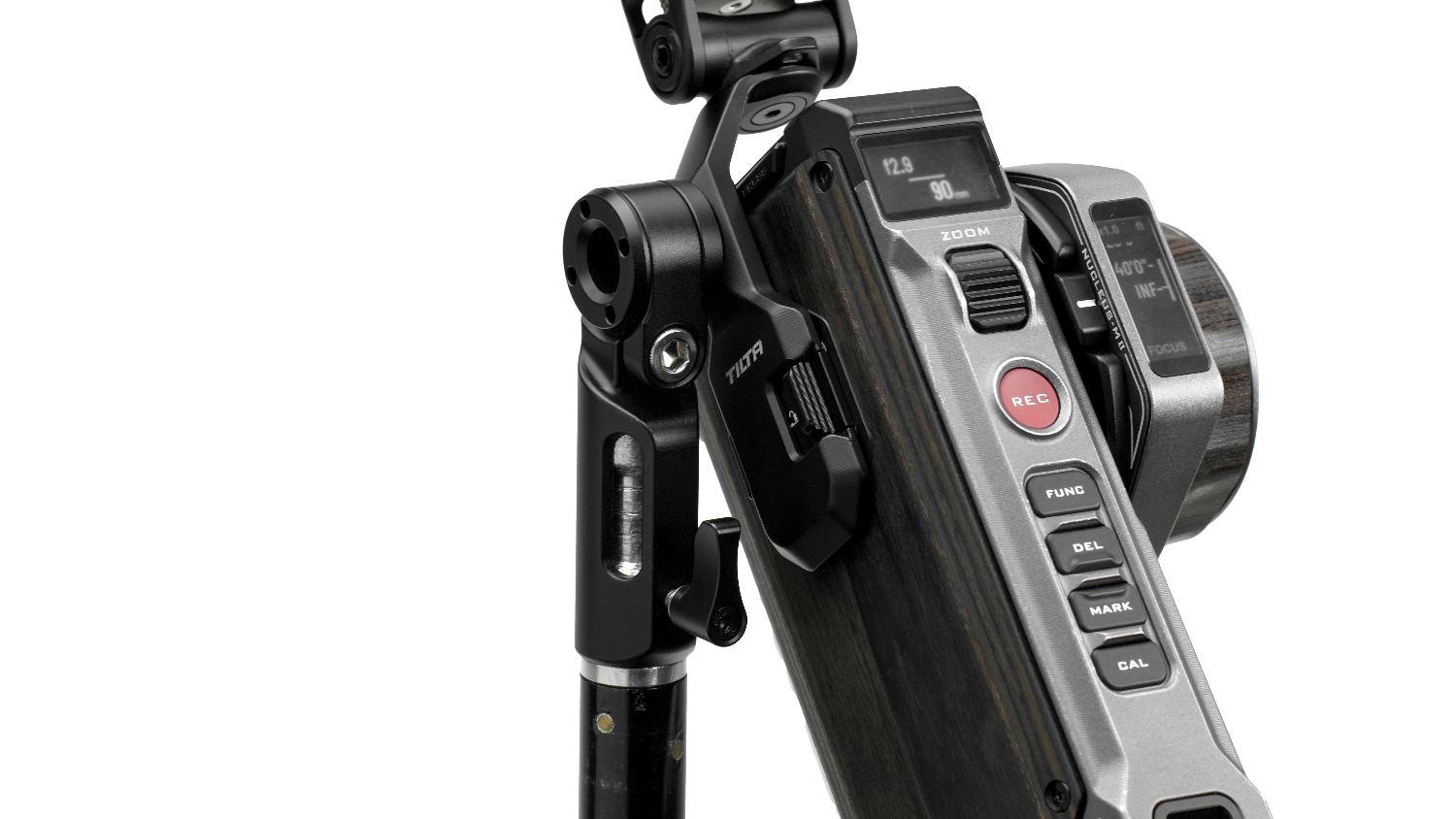
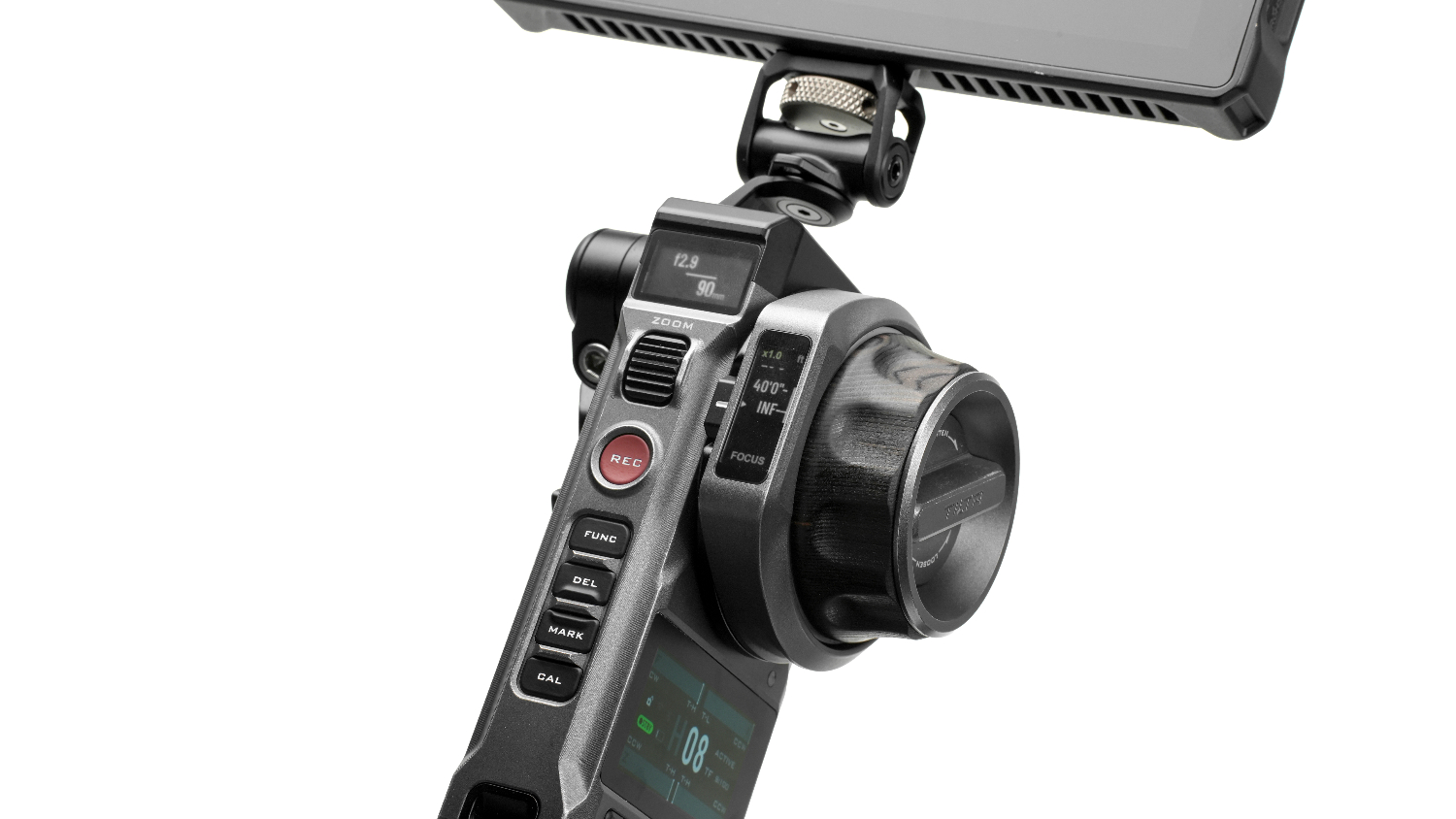
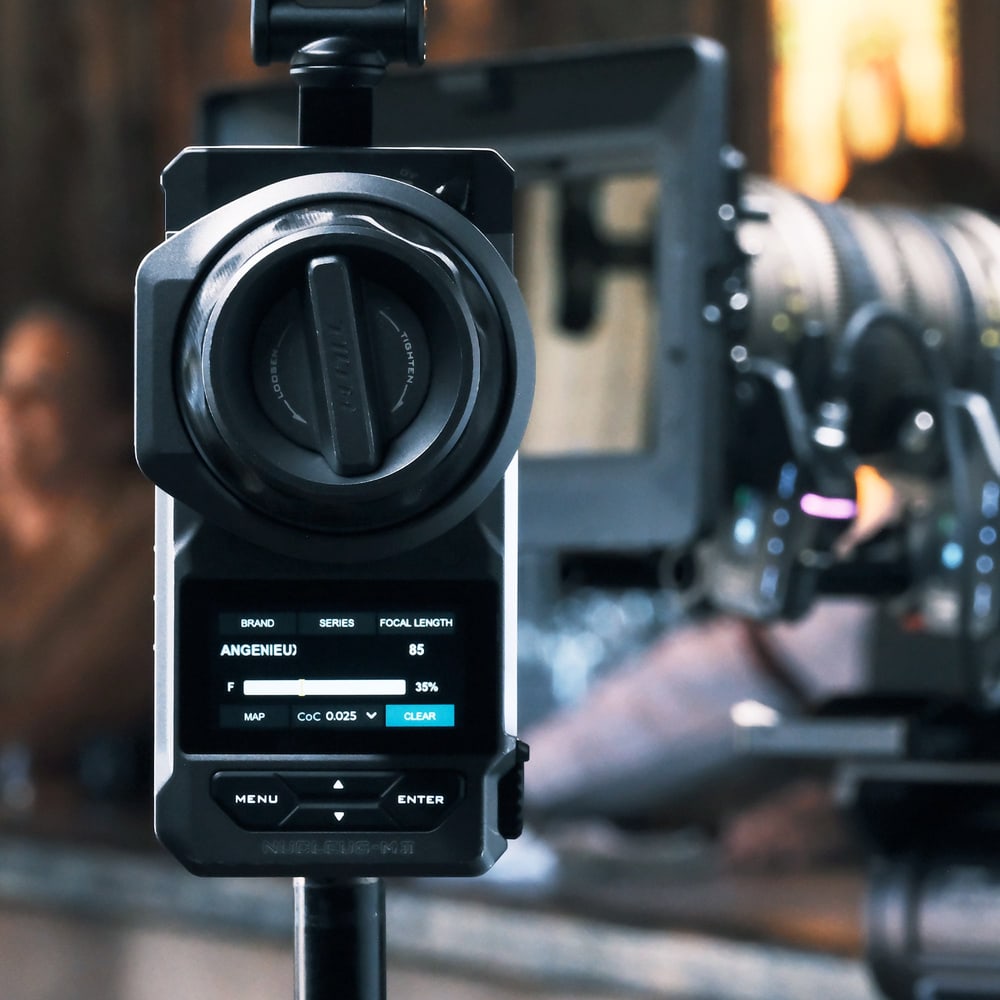
The FIZ Hand Unit drives up to four wireless motors at once: focus, iris, zoom and ND. The fourth motor can be fitted to the variable ND filter of the Tilta Mirage Pro matte box, so exposure can be changed on the fly without anyone touching the camera. The unit has a 2.4" colour touchscreen, a detachable hand wheel with adjustable damping and a detachable Electronic Focus Marking Disk that shows depth of field alongside the focus distance.
Lens mapping and focus marks
A lens can be mapped by hand — logging each marking into the unit, roughly five minutes per lens — or you can load a profile from the manufacturer's library. The unit holds 128 presets and keeps the marks through a power loss, so nothing has to be recalibrated after a battery change.
Camera control
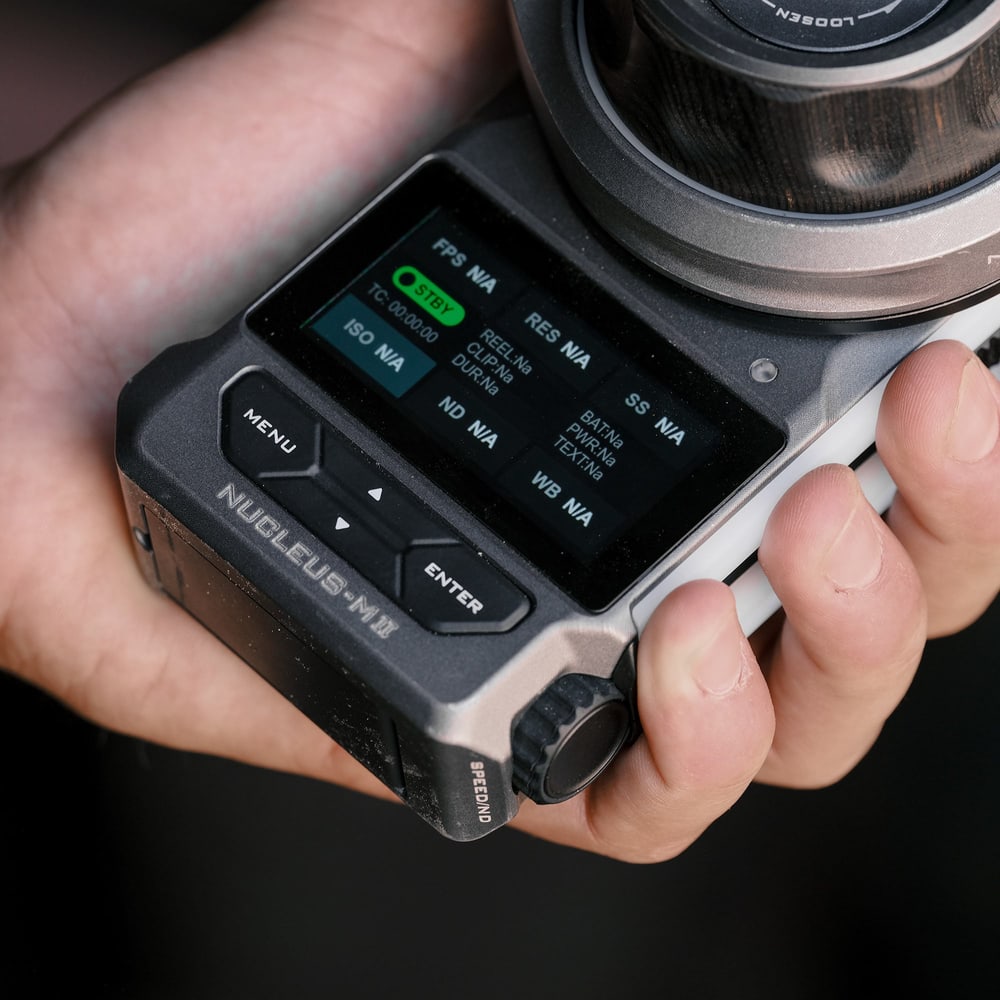
Over Bluetooth or by cable the hand unit also sets the camera — ISO, white balance, shutter speed and run/stop. The range of functions depends on the camera model and firmware; Tilta names the Sony FX3, Blackmagic Pyxis and ARRI Alexa 35 as examples.
Motors, gears and mounting
The motor delivers 0.48 Nm of torque at 14.8 V at a noise level of 15 dB. Motor gears are swappable — 0.5 Mod with 63 teeth and 0.8 Mod with 39 teeth — so the system fits cine lenses as well as photo lenses with a gear ring fitted. The rod mounts take both 15 mm and 19 mm rods. Both 7-pin ports carry power in and out, so several motors can be daisy-chained from one source.
Power
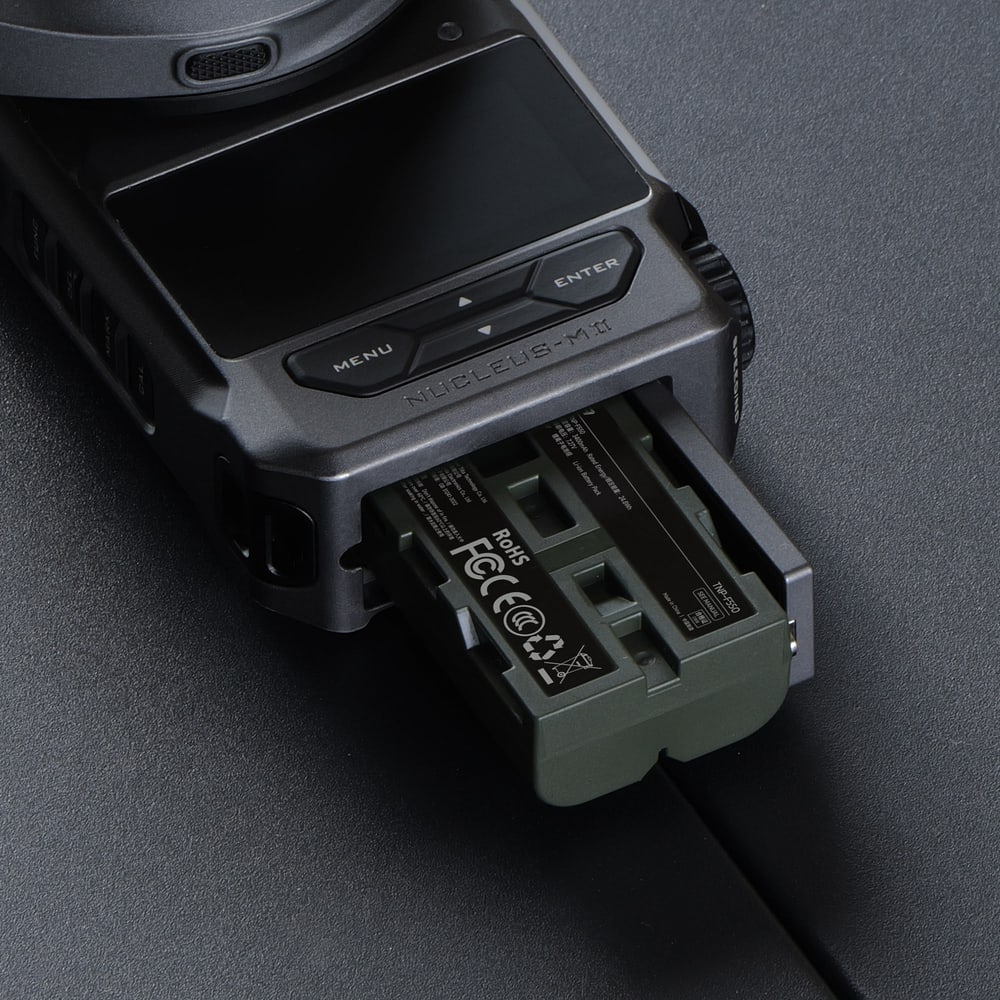
The FIZ Hand Unit and each hand grip run on a single Sony NP-F550 battery; Tilta quotes 8 to 12 hours of operation. Motors are powered from a P-Tap on a V-Mount or Gold Mount battery, or over the 7-pin cable from the unit. Hand unit and grips have USB-C for charging and firmware updates. The NP-F550 battery is not included.
Wireless link
The system transmits on 2.4 GHz with selectable channels and a dedicated interference-resistant channel; the display can be switched off (Stealth Mode). The 2.4 GHz band is licence-free in the European Union. Tilta does not publish a range figure in metres for the base system, only "up to hundreds of metres"; with the optional Range Expansion Module it quotes 1900 ft (about 580 m) and up to 4900 ft (about 1490 m) in open environments.
What it works with
The Nucleus-M II is backwards compatible with the first-generation Nucleus-M, with the Nucleus Nano II and with the Mirage matte box motor, so you can upgrade gradually. Over the DJI protocol it works with the RS 2, RS 3 and RS 4 gimbals and the DJI Focus Motor. The lens needs a gear ring — photo lenses take a universal focus gear ring.
Three kits of the same system — how they differ
The Nucleus-M II is sold in three configurations and the names do not tell you which is which. The difference is what you control it with and how many motors you get:
- WLC-T06 Ultimate Kit — FIZ Hand Unit, both hand grips, Zoom Module and two motors in a waterproof hard case. The top configuration: focus can be pulled from the hand wheel or from the grips, and two motors cover focus and iris (or zoom).
- WLC-T06-K1 Hand Wheel Kit — FIZ Hand Unit with the hand wheel and one motor, no hand grips. The classic focus puller setup: unit in hand, motor on the lens.
- WLC-T06-K2 Control Handle Kit — right hand grip with the Zoom Module and one motor, no FIZ Hand Unit. Controlled straight from the gimbal or rig handle; if you want the hand wheel you have to add the FIZ unit.
- WLC-T06-MK Motor Kit — the motor on its own with rod mounts and a cable, to add another axis to any configuration.
- WLC-T06-HG-L and WLC-T06-HG-R — the hand grips sold singly (left and right), to add or replace.
Before you start
Do not turn the lens focus ring by hand while the system is running — the motor can be overloaded. The unit and the grips are built strictly for NP-F550 batteries (7.4 V, 71 × 38.5 × 21 mm); Tilta prohibits any other F-series battery.
PACKAGE CONTENT
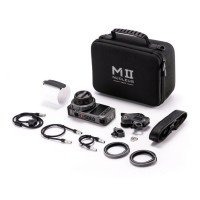
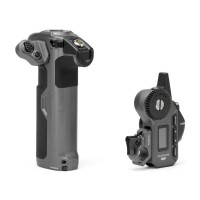
- 1× Nucleus-M II FIZ Hand Unit
- 1× Nucleus-M II Hand Grip (Left)
- 1× Nucleus-M II Hand Grip (Right)
- 1× Nucleus-M II Zoom Module for Hand Grip
- 2× Nucleus-M II Motor
- 1× Nucleus-M II 0.5 Mod Motor Gear
- 2× Nucleus-M II 0.8 Mod Motor Gear
- 2× Nucleus-M II Motor Rod Mount (15 mm)
- 2× Nucleus-M II Motor Rod Mount (19 mm)
- 1× Nucleus-M II 7-Pin to 7-Pin Connection Cable (30 cm)
- 1× Nucleus-M II 7-Pin to 7-Pin Connection Cable (50 cm)
- 1× Nucleus-M II P-Tap to 7-Pin Power Cable (70 cm)
- 1× Nucleus-M II Electronic Focus Marking Disk
- 5× Nucleus-M II Follow Focus Marking Disk
- 1× Nucleus-M II Monitor Mounting Bracket for FIZ Hand Unit
- 1× Nucleus-M II Baby Pin Adapter for Monitor Mounting Bracket
- 2× Nucleus-M II Hand Grip to ARRI Standard Rosette Adapter
- 1× Nucleus-M II FIZ Hand Unit Lanyard
- 1× Nucleus-M II Hard Shell Waterproof Safety Case
SPECIFICATIONS
- Controlled axes: focus, iris, zoom, ND — up to 4 motors
- Wireless band: 2.4 GHz, selectable channels
- Hand unit display: 2.4" colour touchscreen
- Lens data presets: 128
- Response time: 0.02 s
- Motor torque: 0.48 Nm at 14.8 V
- Motor noise level: 15 dB
- Motor gears: 0.5 Mod (63 teeth), 0.8 Mod (39 teeth)
- Motor mounting: 15 mm and 19 mm rods
- Power for unit and grips: 1× Sony NP-F550, 8–12 h (battery not included)
- FIZ hand unit voltage: input 7.2–24 V DC, output 5–12 V DC
- Motor voltage: input 7.2–24 V DC, output 7.2–24 V DC
- Ports: 7-pin (power and data, pass-through), USB-C (charging, firmware)
- FIZ hand unit weight: 486.6 g
- FIZ hand unit dimensions: 147.5 × 77.5 × 78.6 mm
- Motor weight: 155.2 g
- Operating temperature: −20 °C to +50 °C
- Colour: Dark Gunmetal Gray
- Hand grip weight: 226.3 g / 240.8 g (with the Zoom Module)
- Hand grip dimensions: 147.5 × 87 × 34.3 mm / 147.5 × 87 × 59.6 mm (with the Zoom Module)
- Package weight: 3810 g
- Package dimensions: 335 × 150 × 290 mm
ACCESSORIES (50)
ACCESSORIES (50)
Tilta Battery Charger for L-Series/NP-F (2 Channel) - Green
A flat two-channel Tilta charger for Sony L-Series / NP-F batteries and compatible
18 €
In stock 5 pcs
Tilta Nucleus-M II 7-Pin to 7-Pin Connection Cable (30cm)
The Tilta WLC-T06-7P-30 is the 30 cm 7-pin to 7-pin connection cable for the Nucleus-M
35 €
In stock > 5 pcs
Tilta Nucleus-M II Motor Kit
The Tilta Nucleus-M II Motor Kit is a single wireless motor that adds another controlled
362 €
In stock 5 pcs
Tilta Extended Hand Wheel for Nucleus-M II FIZ Hand Unit
The Tilta Extended Hand Wheel WLC-T06-EHW replaces the standard hand wheel of the
47 €
In stock 5 pcs
Tilta Nucleus-M II Extended Mod Motor Gear
The Tilta WLC-T06-MG-08V2 is the extended 0.8 MOD motor gear for the Nucleus-M II
19 €
In stock 5 pcs
Tilta Nucleus-M II 7-Pin to 7-Pin Connection Cable (50cm)
The Tilta WLC-T06-7P-50 is the 50 cm 7-pin to 7-pin connection cable for the Nucleus-M
35 €
In stock > 5 pcs
Tilta Seamless Focus Gear Ring for 56mm to 58mm Lens
The Tilta Seamless Focus Gear Ring is a rubber gear ring that stretches over the
2.4 €
In stock 3 pcs
Tilta Seamless Focus Gear Ring for 78mm to 80mm Lens
The Tilta Seamless Focus Gear Ring is a rubber gear ring that stretches over the
2.4 €
In stock 3 pcs
Tilta Seamless Focus Gear Ring for 88mm to 90mm Lens
The Tilta Seamless Focus Gear Ring is a rubber gear ring that stretches over the
2.4 €
In stock 3 pcs
Tilta Seamless Focus Gear Ring for 46.5mm to 48.5mm Lens
The Tilta Seamless Focus Gear Ring is a rubber gear ring that stretches over the
2.4 €
In stock 3 pcs
Tilta Seamless Focus Gear Ring for 72mm to 74mm Lens
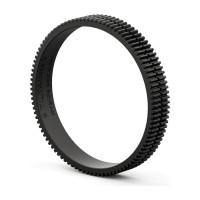
The Tilta Seamless Focus Gear Ring is a rubber gear ring that stretches over the
2.4 €
In stock 4 pcs
Tilta Universal Focus Gear Ring - Black
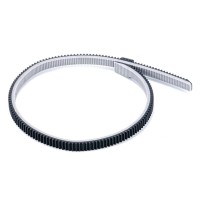
An elastic focus gear ring with 0.8 mod gearing for mechanical and wireless follow
6.1 €
In stock 4 pcs
Tilta Seamless Focus Gear Ring for 62.5mm to 64.5mm Lens
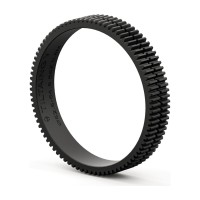
The Tilta Seamless Focus Gear Ring is a rubber gear ring that stretches over the
2.4 €
In stock 4 pcs
Tilta Seamless Focus Gear Ring for 69mm to 71mm Lens
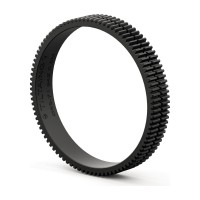
The Tilta Seamless Focus Gear Ring is a rubber gear ring that stretches over the
2.4 €
In stock 2 pcs
Tilta Seamless Focus Gear Ring for 85mm to 87mm Lens
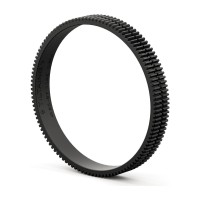
The Tilta Seamless Focus Gear Ring is a rubber gear ring that stretches over the
2.4 €
In stock 3 pcs
Tilta Mounting Bracket for Nucleus-M II FIZ Hand Unit
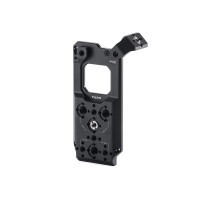
The Tilta Mounting Bracket WLC-T06-MB is an aluminum cage for the Nucleus-M II FIZ
35 €
In stock 3 pcs
Tilta Nucleus-M II Zoom Module for Hand Grip
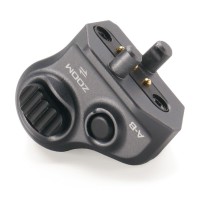
The Tilta Zoom Module WLC-T06-ZM mounts on the Nucleus-M II Hand Grip and adds control
18 €
In stock 3 pcs
Tilta Nucleus-M II Hand Grip (Right)
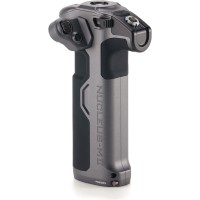
The Tilta Nucleus-M II Hand Grip (Right) is a wireless control grip for the Nucleus-M
265 €
In stock 3 pcs
Tilta Nucleus-M II Hand Grip (Left)
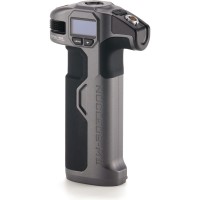
The Tilta Nucleus-M II Hand Grip (Left) is a wireless control grip for the Nucleus-M
241 €
In stock 3 pcs
Tilta Nucleus-M II 7-Pin to RCP2 9-Pin Control Cable (50cm)
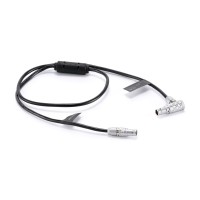
The Tilta TCB-7P-9P-50 is a control cable for the Nucleus-M II system for RED cameras
67 €
In stock 3 pcs
Tilta Nucleus-M II 7-Pin to USB-C Power Cable (36cm)
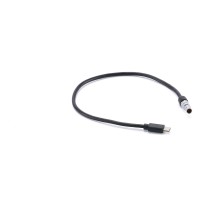
The Tilta TCB-7P-USBC-36 is a power cable from the 7-pin port of the Nucleus-M II
23 €
In stock 3 pcs
Tilta 15mm Carbon Fiber Rod Set (20cm)
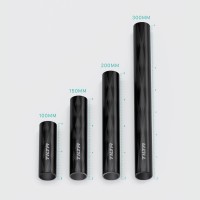
The Tilta 15mm Carbon Fiber Rod Set is a pair of 15 mm carbon fiber rods for the
28 €
In stock 2 pcs
Tilta Nucleus-M II 7-Pin to RCP2 Control Cable (50cm)
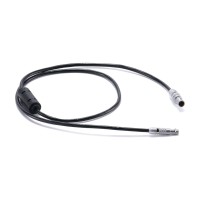
The Tilta TCB-7P-RCP2-50 is a control cable for the Nucleus-M II system: a 7-pin
54 €
In stock 3 pcs
Tilta Universal Focus Gear Ring - Pink

Promotion: -6%
An elastic focus gear ring with 0.8 mod gearing for mechanical and wireless follow
5.71 €
6.05 €
In stock 3 pcs
Tilta L-Series/NP-F Battery Charger Kit (2 Batteries) - Green
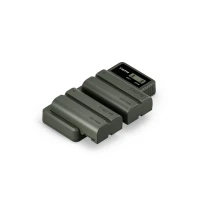
An NP-F power set: a flat two-channel Tilta charger and two 3,500 mAh NP-F550 batteries.
59 €
Backordered > 5 pcs
Tilta Seamless Focus Gear Ring for 66mm to 68mm Lens
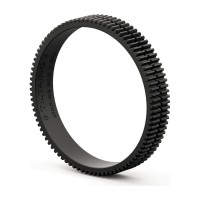
The Tilta Seamless Focus Gear Ring is a rubber gear ring that stretches over the
2.4 €
In stock 2 pcs
Tilta Seamless Focus Gear Ring for 81mm to 83mm Lens
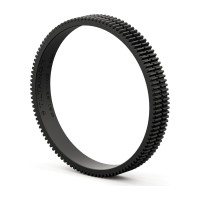
The Tilta Seamless Focus Gear Ring is a rubber gear ring that stretches over the
2.4 €
In stock 2 pcs
Tilta 15mm Carbon Fiber Rod Set (10cm)
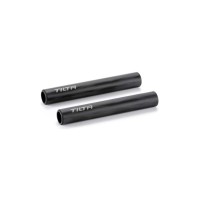
The Tilta 15mm Carbon Fiber Rod Set is a pair of 15 mm carbon fiber rods for the
16 €
In stock 2 pcs
Tilta NP-F550 Battery (3500mAh) - Green
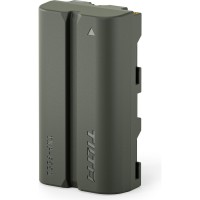
The Tilta NP-F550 replaces NP-F series cells, the batteries that power on-camera
23 €
Backordered 2 pcs
Tilta Nucleus-M II Top Handle Adapter for Hand Grip
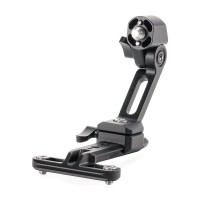
The Tilta adapter WLC-T06-THA lays the Nucleus-M II Hand Grip horizontally on the
67 €
In stock 2 pcs
Tilta Nucleus-M II Electronic Focus Marking Disk
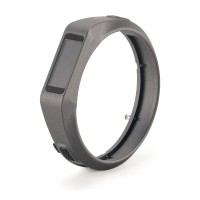
The Tilta Electronic Focus Marking Disk WLC-T06-EMD mounts on the Nucleus-M II FIZ
35 €
In stock 2 pcs
Tilta Nucleus-M II 0.8 Mod Motor Gear
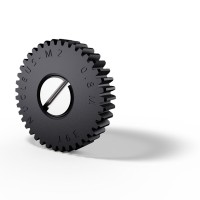
The Tilta WLC-T06-MG-08 is the 0.8 MOD motor gear for the Nucleus-M II motor. It
18 €
In stock 2 pcs
Tilta Nucleus-M II FIZ Hand Unit Lanyard
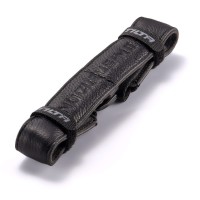
The Tilta Lanyard WLC-T06-LYD is a carry strap for the Nucleus-M II FIZ Hand Unit.
18 €
In stock 2 pcs
Tilta Nucleus-M II Motor Rod Mount (15mm)
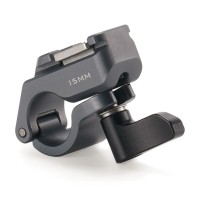
The Tilta WLC-T06-MRM-15 is the 15 mm motor rod mount for the Nucleus-M II motor.
23 €
In stock 1 pcs
Tilta Nucleus-M II P-Tap to 7-Pin Power Cable (70cm)
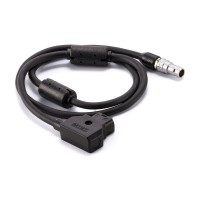
The Tilta WLC-T06-P7P-70 is the 70 cm P-Tap to 7-pin power cable for the Nucleus-M
35 €
In stock 1 pcs
Tilta Universal Focus Gear Ring - RED
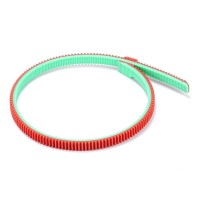
An elastic focus gear ring with 0.8 mod gearing for mechanical and wireless follow
6.1 €
In stock 1 pcs
Tilta Seamless Focus Gear Ring for 53mm to 55mm Lens
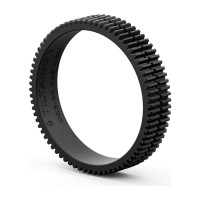
The Tilta Seamless Focus Gear Ring is a rubber gear ring that stretches over the
2.4 €
In stock 1 pcs
Tilta 15mm Carbon Fiber Rod Set (30cm)
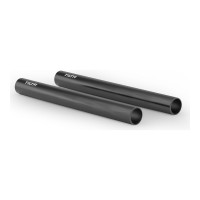
The Tilta 15mm Carbon Fiber Rod Set is a pair of 15 mm carbon fiber rods for the
39 €
In stock 1 pcs
Tilta Universal Focus Gear Ring - Blue
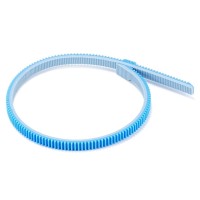
An elastic focus gear ring with 0.8 mod gearing for mechanical and wireless follow
6.1 €
In stock 1 pcs
Tilta Nucleus-M II Baby Pin Adapter for Monitor Mounting Bracket
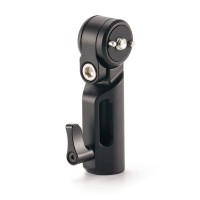
The Tilta Baby Pin Adapter WLC-T06-BPA puts the Nucleus-M II FIZ Hand Unit on a stand:
23 €
In stock 1 pcs
Tilta Nucleus-M II Hand Grip to Arri Standard Rosette Adapter
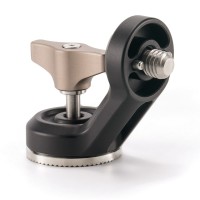
The Tilta adapter WLC-T06-ARA connects the Nucleus-M II Hand Grip to an ARRI-standard
23 €
In stock 1 pcs
Tilta Nucleus-M II 0.5 Mod Motor Gear
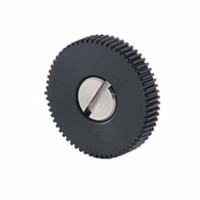
The Tilta WLC-T06-MG-05 is the 0.5 MOD motor gear for the Nucleus-M II motor. It
18 €
In stock 1 pcs
Tilta Nucleus-M II Hard Shell Waterproof Safety Case
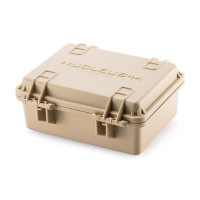
The Tilta WLC-T06-WSC is the hard-shell waterproof case for the Nucleus-M II system.
96 €
In stock 1 pcs
Tilta Nucleus-M II Follow Focus Marking Disk
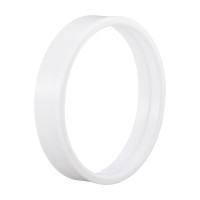
The Tilta Follow Focus Marking Disk WLC-T06-FMD is a white dry-erase ring that snaps
6.1 €
In stock 1 pcs
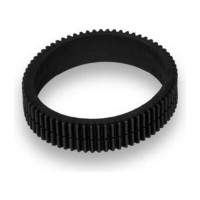
Tilta Seamless Focus Gear Ring for 49.5mm to 51.5mm Lens
Promotion: -38%
The Tilta Seamless Focus Gear Ring is a rubber gear ring that stretches over the
1.49 €
2.42 €
Backordered 2 pcs
Tilta Nucleus-M II Motor Rod Mount (19mm)
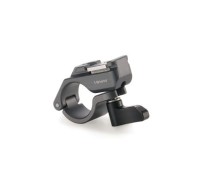
19mm rod mount for Tilta Nucleus-M II wireless motor.
23 €
on request
Tilta Seamless Focus Gear Ring for 59mm to 61mm Lens
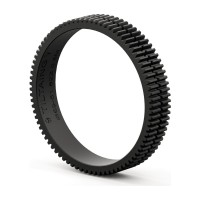
The Tilta Seamless Focus Gear Ring is a rubber gear ring that stretches over the
2.4 €
on request
Tilta Seamless Focus Gear Ring for 75mm to 77mm Lens
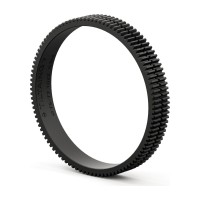
The Tilta Seamless Focus Gear Ring is a rubber gear ring that stretches over the
2.4 €
on request
Tilta Nucleus-M II 7-Pin to USB-C Control Cable (50cm)
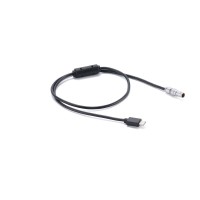
The Tilta TCB-7P-USBC-50 is a control cable for the Nucleus-M II system: a 7-pin
23 €
on request
Tilta Nucleus-M II 7-Pin to LANC Control Cable (50cm)
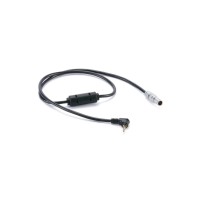
This 7-pin control cable connects to the Nucleus-M II motorat one end and to compatible
23 €
on request
Alternative (4)
Alternative (4)
Tilta Nucleus-M II Wireless Lens Control System Control Handle Kit
The Tilta Nucleus-M II Control Handle Kit is the wireless lens control (FIZ) configuration
669 €
In stock 3 pcs
Tilta Dual-sided Cine Follow Focus - Black
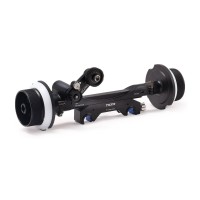
Promotion: -17%
The Tilta FF-T04 is a dual-sided cine follow focus with a 1:1 ratio between hand
1 188.52 €
1 426.59 €
In stock 3 pcs
Tilta Nucleus-M II Wireless Lens Control System Hand Wheel Kit
The Tilta Nucleus-M II Hand Wheel Kit is the base configuration of this wireless
1 089 €
In stock 2 pcs
Tilta Single-sided Cine Follow Focus - Black
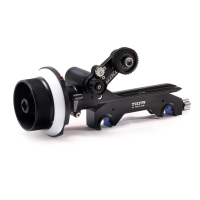
Promotion: -8%
The Tilta FF-T05 is a single-sided cine follow focus with a 1:1 ratio between hand
909.59 €
989.01 €
In stock 2 pcs

News, training, and discounts from Syntex
Special offers and discounts for subscribers only · Free audio & video workshops · News and tips from the world of filmmaking
- Show all
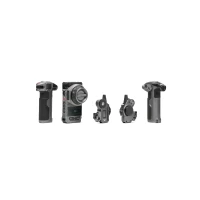
Tilta Nucleus-M II Wireless Lens Control System Ultimate Kit
The Tilta Nucleus-M II Ultimate Kit is the top configuration of this wireless lens1 819 €Backordered 3 pcs