
 CZ
CZ SK
SK HU
HU AT
AT DE
DE ES
ES SI
SI HR
HR
Nothing in the basket.

- Search
-
Login

-
0
Comparison
Add products to compare, then they will appear here and you can compare parameters.
-
0
0 €
Tilta Seamless Focus Gear Ring for 62.5mm to 64.5mm Lens

SKU: TA-FGR-6264
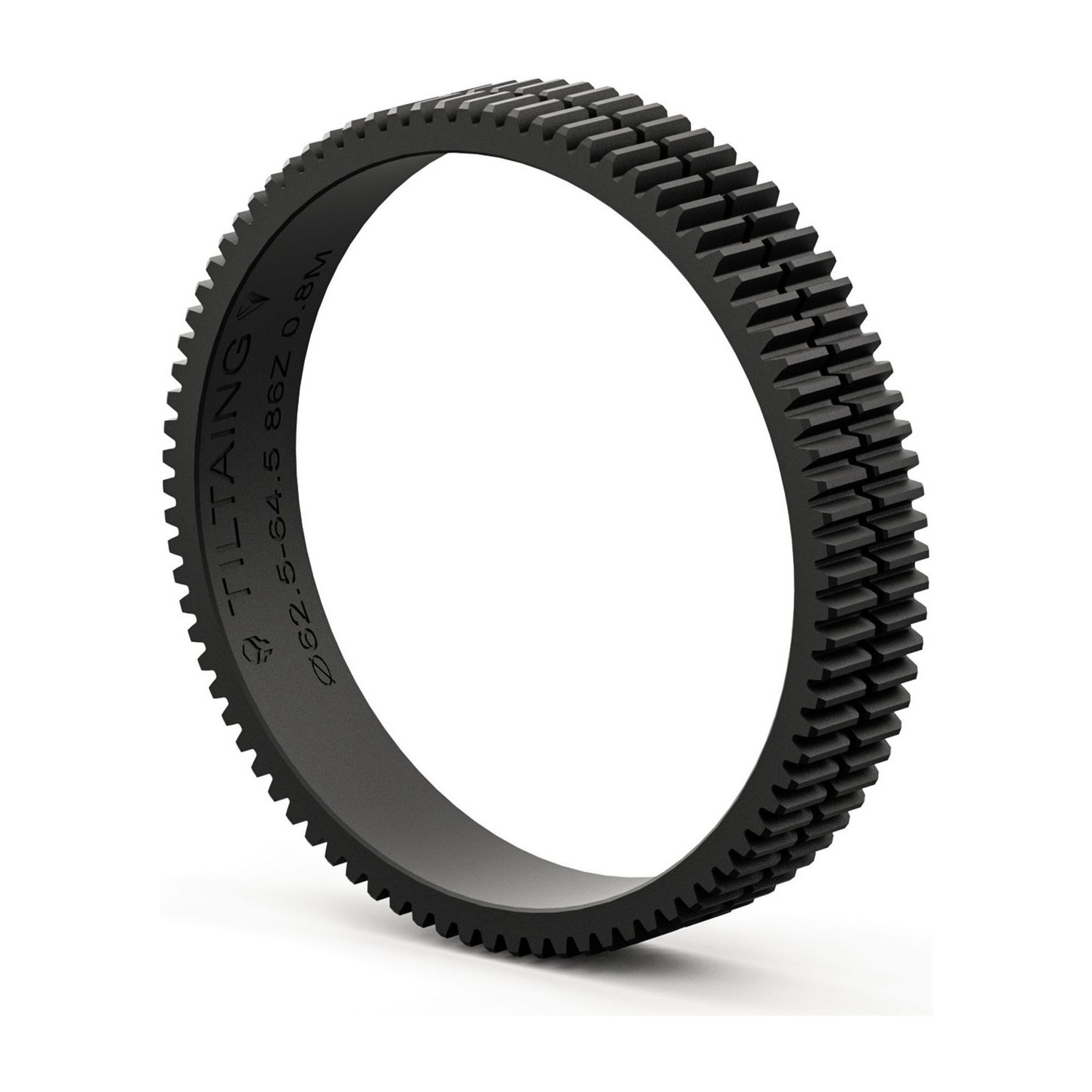
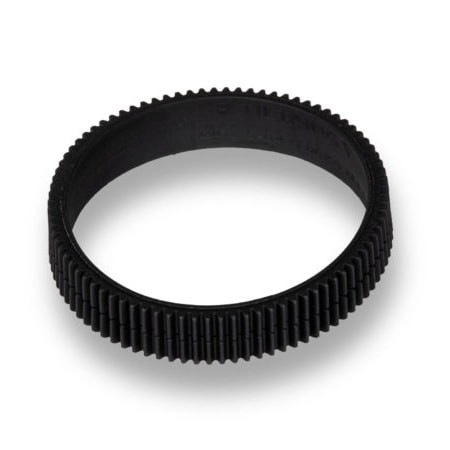
The Tilta Seamless Focus Gear Ring is a rubber gear ring that stretches over the focus ring of a photo lens and turns it into a lens you can drive with a follow focus. The teeth use the cine-standard 0.8 module, so the ring works with the Tilta Nucleus-M II and Nucleus Nano II as well as with ordinary mechanical follow focus units. This one covers diameters…
2.4 € with VAT
1.98 € without VAT
Availability
Backordered 4 pcs - 17.09.2026
Top accessories for Tilta Seamless Focus Gear Ring for 62.5mm to 64.5mm Lens
Tilta Nucleus-M II Motor Kit
The Tilta Nucleus-M II Motor Kit is a single wireless motor that adds another controlled
362 €
In stock 5 pcs
Tilta Nucleus Nano II Wireless Lens Control System
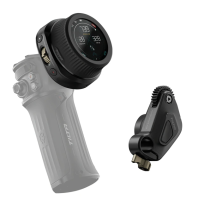
The Tilta Nucleus Nano II is a wireless focus system for compact cinema cameras and
326 €
In stock 2 pcs
Tilta Tiltaing Pocket Follow Focus
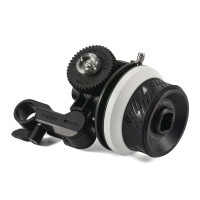
The Tilta Pocket Follow Focus is a compact follow focus on a single 15 mm rod: 160
71 €
In stock 3 pcs
Tilta Nucleus-M II Wireless Lens Control System Control Handle Kit
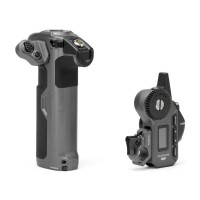
The Tilta Nucleus-M II Control Handle Kit is the wireless lens control (FIZ) configuration
669 €
In stock 3 pcs
Tilta Nucleus Nano II Motor Kit
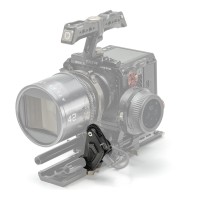
The Tilta Nucleus Nano II Motor Kit is a focus motor for the Nucleus wireless systems.
144 €
Backordered 5 pcs
Tilta Nucleus-M II Wireless Lens Control System Ultimate Kit
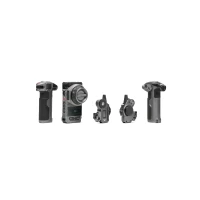
The Tilta Nucleus-M II Ultimate Kit is the top configuration of this wireless lens
1 819 €
Backordered 3 pcs
Tilta Nucleus-M II Wireless Lens Control System Hand Wheel Kit
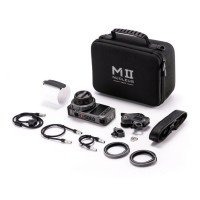
The Tilta Nucleus-M II Hand Wheel Kit is the base configuration of this wireless
1 089 €
Backordered 2 pcs
Tilta Nucleus Nano II Wireless Lens Control System Kit I
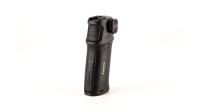
The Tilta Nucleus Nano II Kit I is a wireless focus set with the Power Handle and
729 €
Backordered 2 pcs
Tilta 134mm Lens Attachments for MB-T12 Clamp-On Matte Box
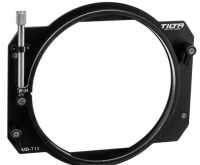
The Tilta MB-T12-134 Clamp-On Adapter (134 mm) is a precision-machined aluminum ring
71 €
on request
Tilta Follow Focus Gear for FF-T05, 6mm 0.8mm 64-tooth
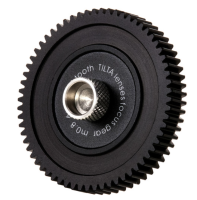
The Tilta FF-FG01-8 is a precision-machined 0.8 MOD, 64-tooth aluminum drive gear
24 €
on request
Product description
SPECIFICATIONS
PACKAGE CONTENT
Product description
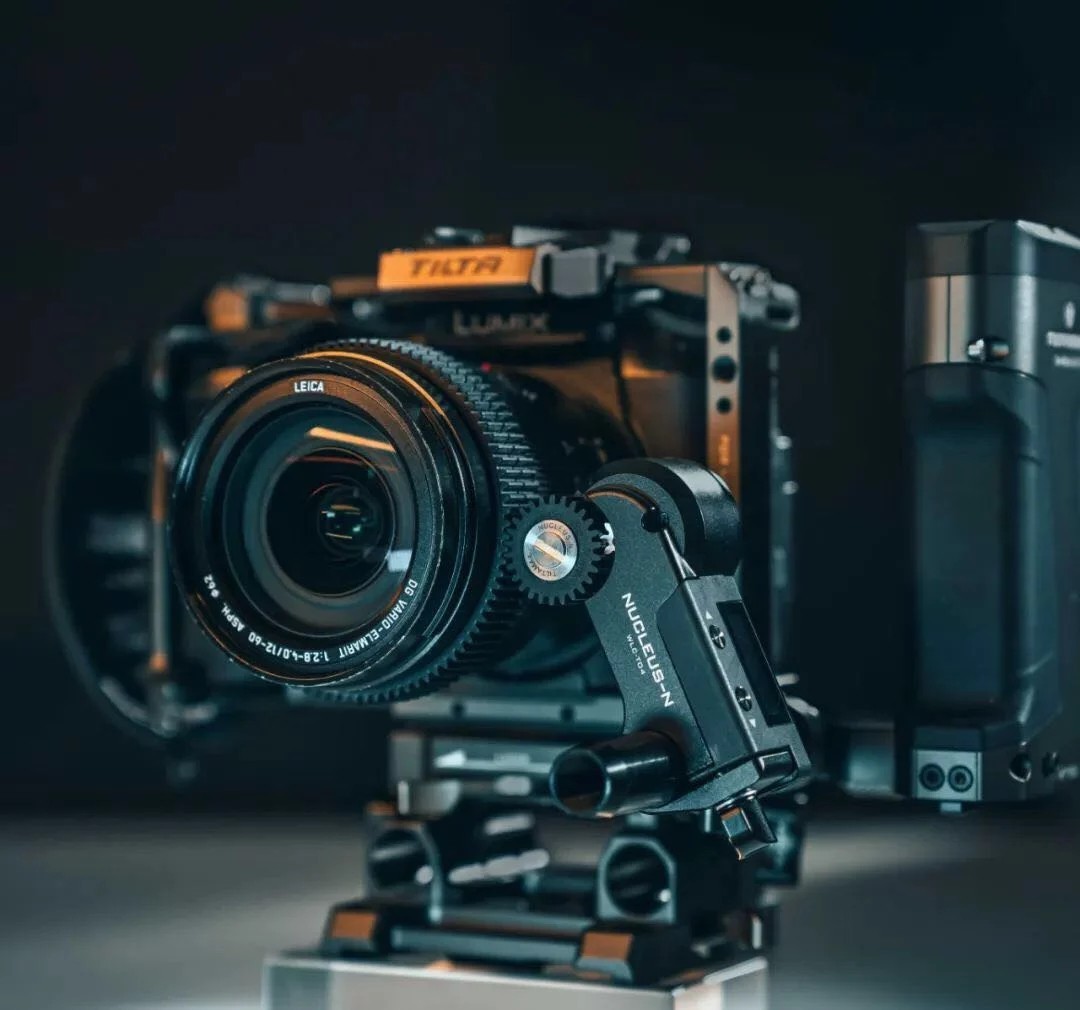
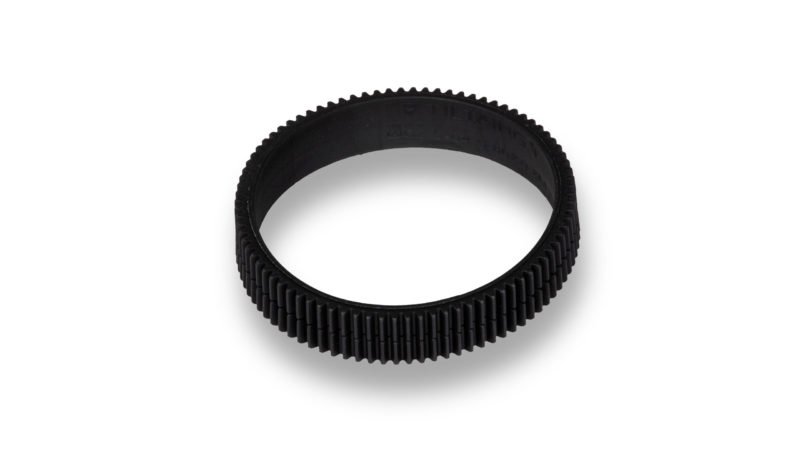
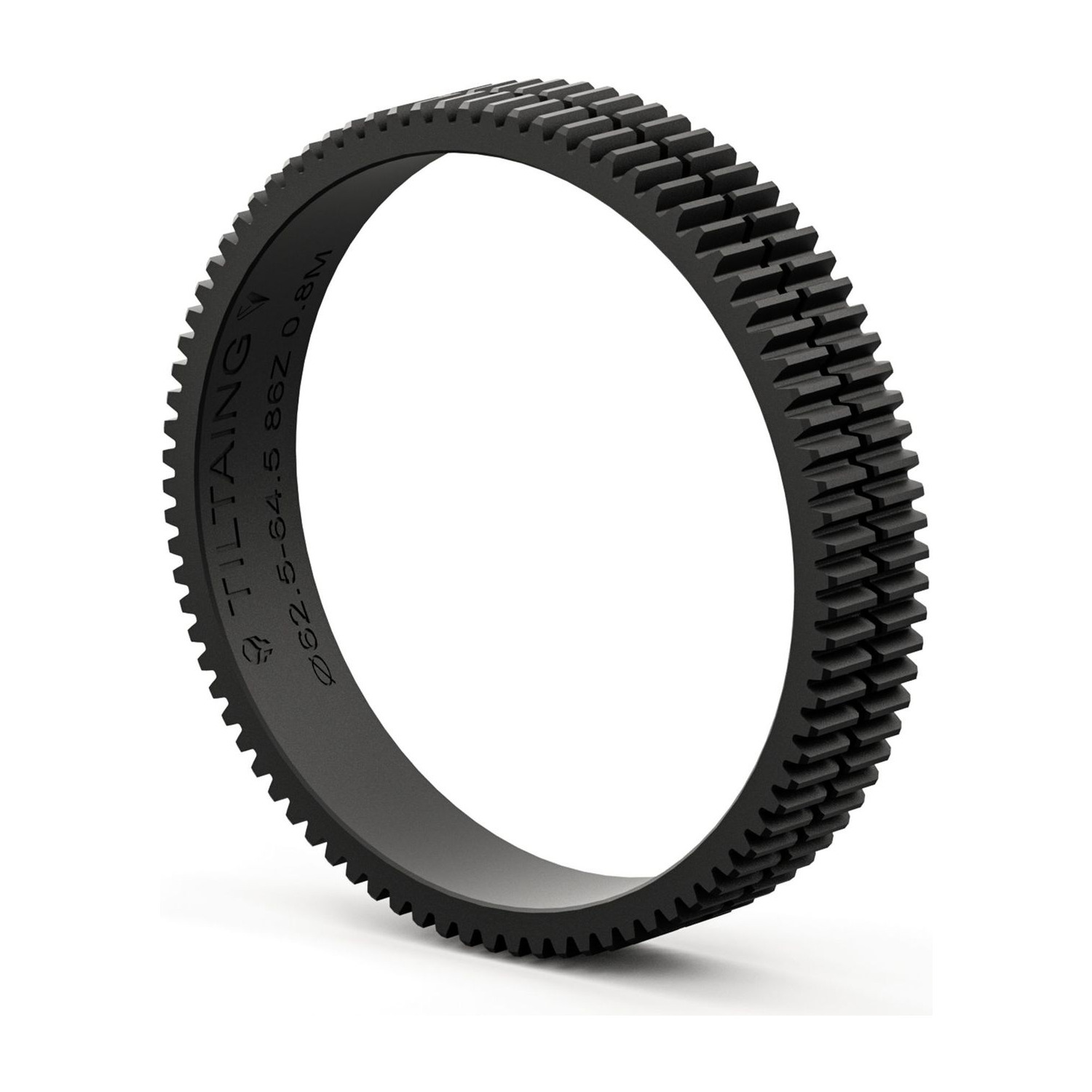
The Tilta Seamless Focus Gear Ring is a rubber gear ring that stretches over the focus ring of a photo lens and turns it into a lens you can drive with a follow focus. The teeth use the cine-standard 0.8 module, so the ring works with the Tilta Nucleus-M II and Nucleus Nano II as well as with ordinary mechanical follow focus units. This one covers diameters of 62.5–64.5 mm — pick the size by the measured diameter of the lens focus ring, not by the filter thread.
What it is for
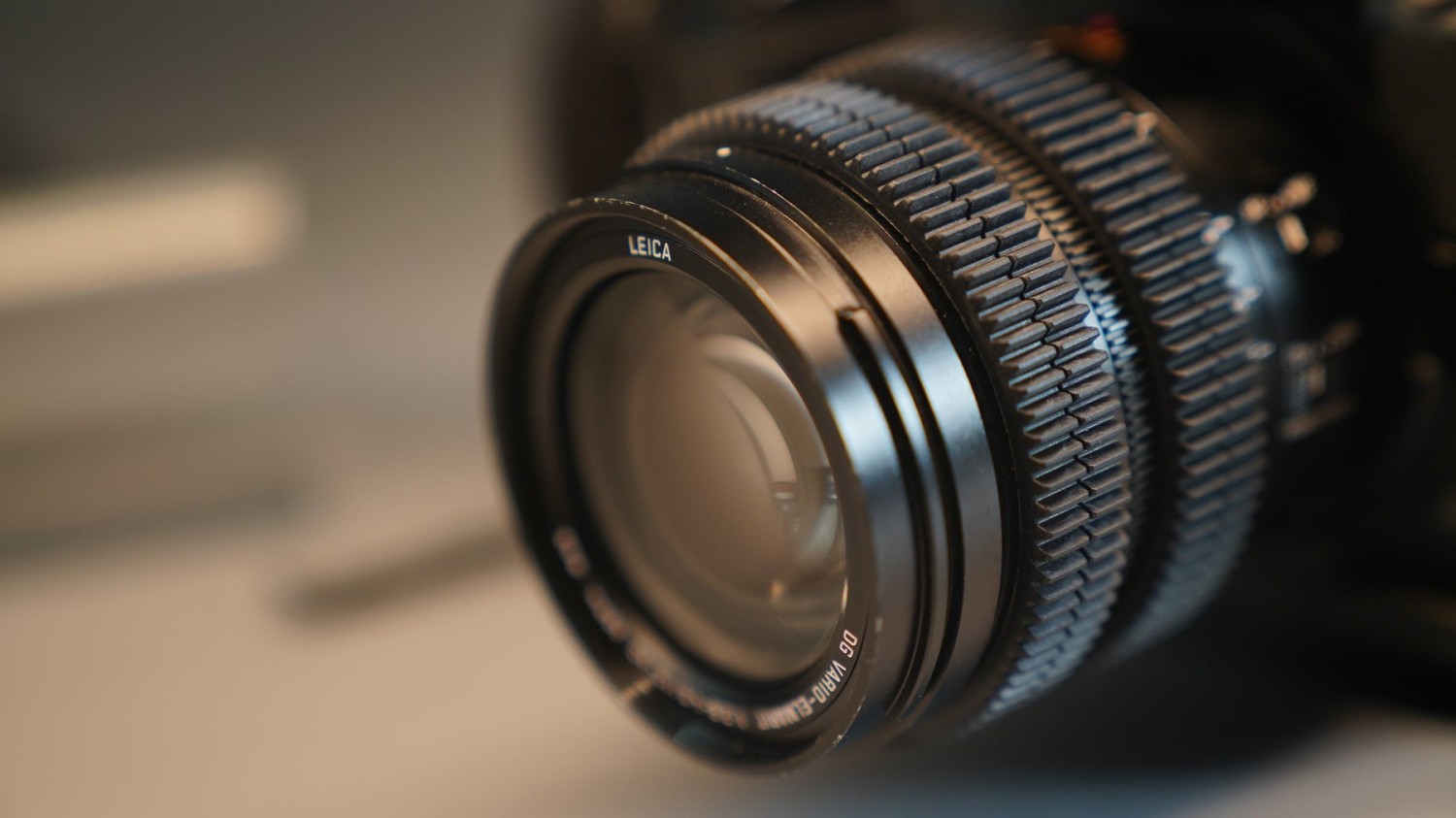
Photo lenses have a rubberised focus ring rather than a toothed one, so a follow focus has nothing to grip. The Tilta Seamless Focus Gear Ring solves that in the simplest possible way: it is a single piece of rubber with no clamp and no screw, which you pull over the focus ring and which holds by its own tension. Nothing is glued, nothing is tightened, and nothing is left on the lens once you take it off. The teeth run all the way round, so the ring drives the lens across the whole focus travel.
0.8 module
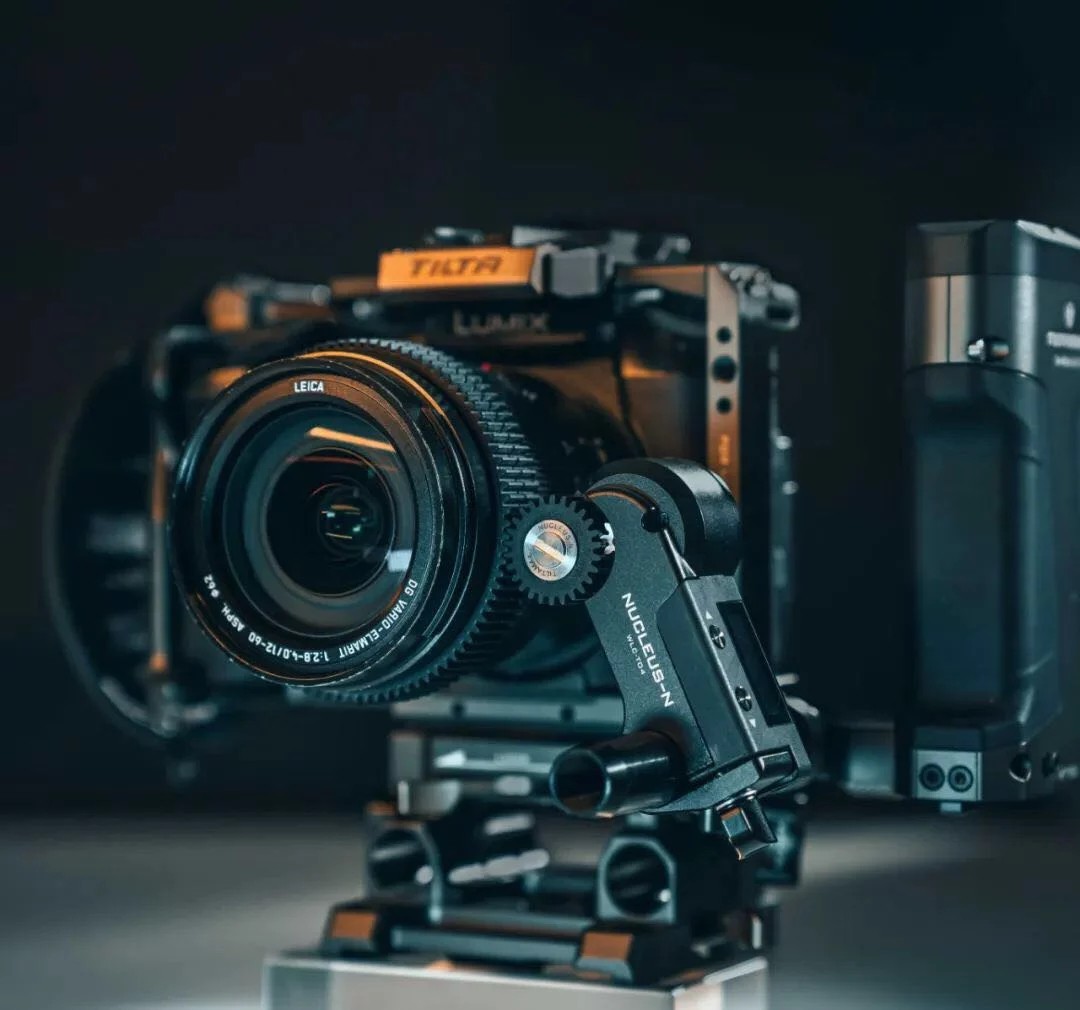
The teeth are cut to a 0.8 module, the cine optics standard. That makes the ring fit the motors and drive gears of the Tilta Nucleus-M II and Nucleus Nano II, and mechanical follow focus units from other brands that use the same pitch. The ring is black rubber, so it does not stand out on the lens and it grips well under your fingers when you pull focus by hand.
How to pick the right size
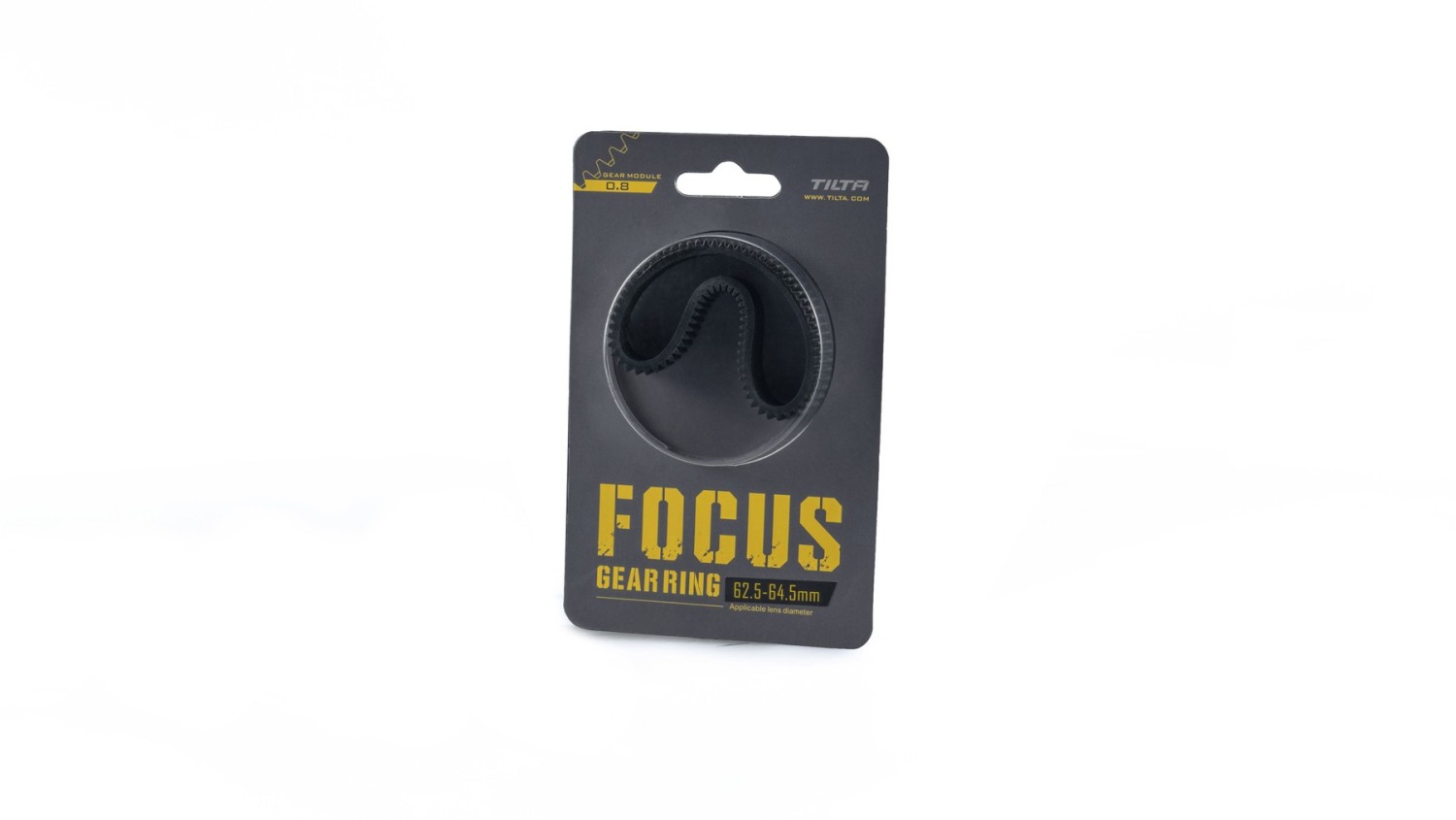
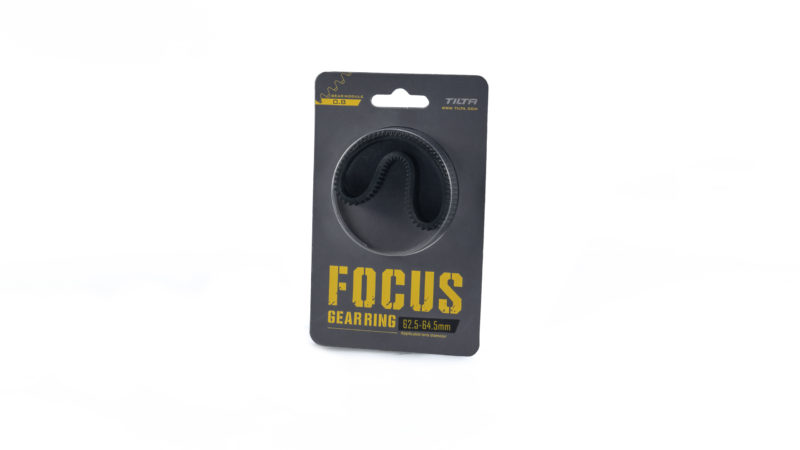
This one is for a diameter of 62.5–64.5 mm. What matters is the diameter of the lens focus ring — the rubberised band you turn to focus. It is not the filter thread diameter, which sits at the front and is usually noticeably smaller; that is the most common mistake when choosing. The manufacturer prints "Applicable lens diameter" on the blister and means exactly that ring.
The manufacturer’s method, step by step
- Wrap a strip of paper right around the lens focus ring and pull the two ends together tightly.
- Mark with a pen where the two ends meet — make sure you have both marks.
- Unroll the strip and measure the distance between the marks with a ruler, in millimetres. That is the circumference.
- Divide the circumference by 3.14 to get the diameter. The manufacturer gives this example: 255 mm ÷ 3.14 = 81.2 mm, which is the 81–83 mm size.
- Choose the size whose range contains your measured diameter. This one covers 62.5–64.5 mm.
When your lens lands on a size boundary
One millimetre of error on the paper strip is about three tenths of a millimetre on the diameter, so it pays to measure twice and to pull the strip genuinely tight. If your figure lands exactly on the edge between two sizes, follow the range that contains it — the ranges do not overlap. Between some sizes there is a small gap (between 48.5 and 49.5 mm, for instance, or between 51.5 and 53 mm), and a diameter that falls into no range has no exact match in the line-up; Tilta will make a custom ring in that case and asks for the lens model and the measured diameter. And watch out for the second trap: the zoom ring and the focus ring of the same lens often have different diameters — measure the one you actually want to drive.
Lenses this size fits
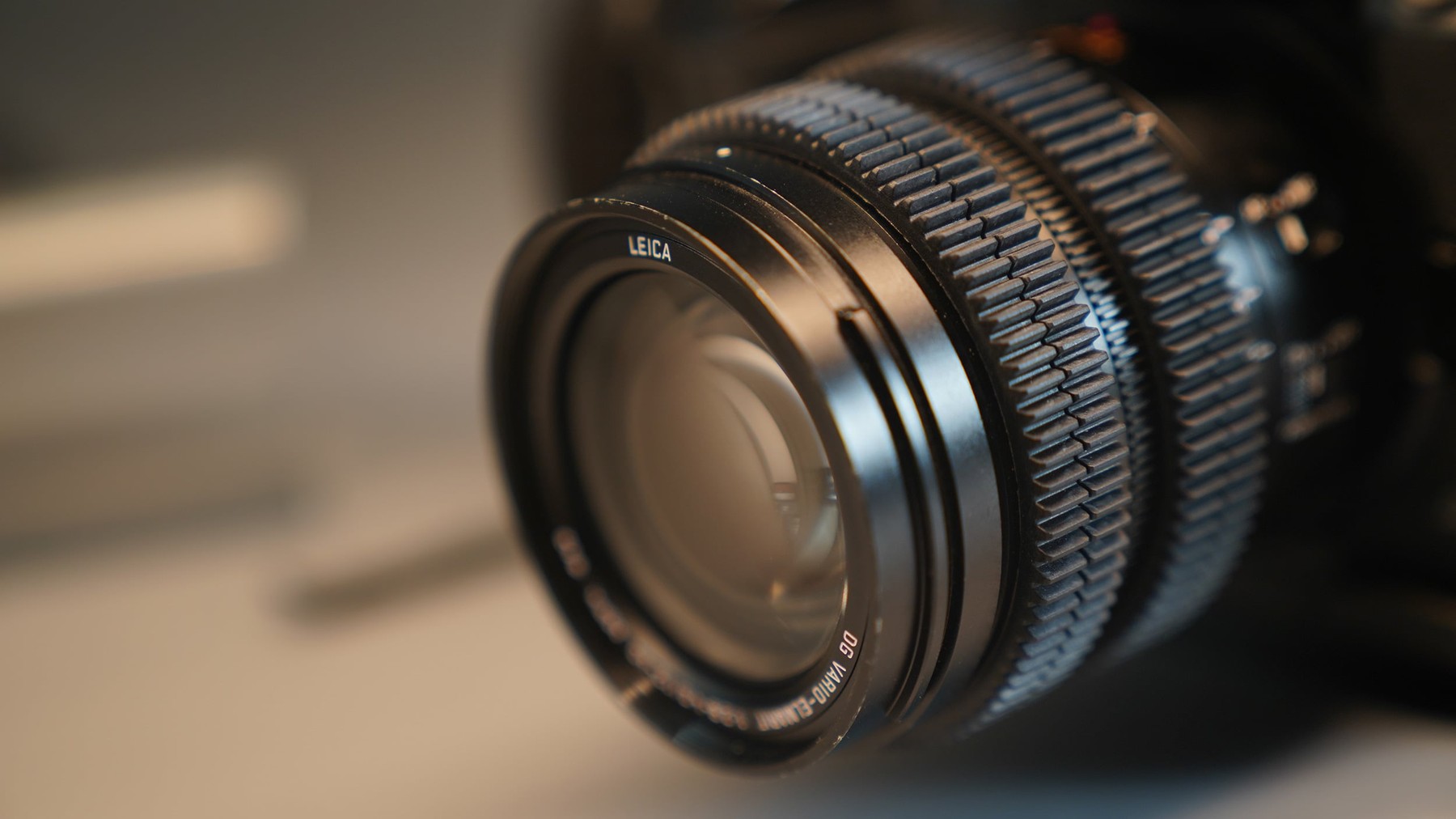
The manufacturer keeps an indicative list of lenses. These are the ones for the 62.5–64.5 mm size:
Panasonic/Olympus
- G 20mm f/1.7 ASPH (focus)
- LEICA DG MACRO-ELMARIT 45mm f/2.8 ASPH MEGA OIS (focus)
- LUMIX G VARIO 12-60mm f/3.5-5.6 Power OIS (focus)
- LUMIX G X VARIO 35-100mm f/2.8 II Power OIS (focus)
Sony
- E 3.5-5.6/PZ 16-50 OSS (focus)
- E 55-210mm f/4.5-6.3 OSS (zoom and focus)
- FE 28mm F2 (focus)
- FE 35mm F1.8 (focus)
- FE 4/24-105 G OSS (focus)
- FE 55mm F1.8 (focus)
Canon
- EF 70-200mm (zoom)
- EF-S 10-18mm f/4.5-5.6 IS STM (zoom)
- EF-S 35mm F/2.8 IS STM (focus)
Fujifilm
- XF 14mm f/2.8 R (focus)
- XF 18mm f/2.0 R (focus)
DU
- 85mm f/2 (focus)
The list is indicative and not exhaustive — a lens may be missing from it and the ring may still fit. The measured diameter is always what decides.
PACKAGE CONTENT
- 1× Tilta Seamless Focus Gear Ring 62.5–64.5 mm
SPECIFICATIONS
- Lens diameter range: 62.5–64.5 mm
- Gear module: 0.8 M
- Material: rubber
- Colour: black
- Manufacturer’s part number: TA-FGR-6264
Parameters
Parameters
ACCESSORIES (11)
ACCESSORIES (11)
Tilta Nucleus-M II Motor Kit
The Tilta Nucleus-M II Motor Kit is a single wireless motor that adds another controlled
362 €
In stock 5 pcs
Tilta Nucleus Nano II Wireless Lens Control System
The Tilta Nucleus Nano II is a wireless focus system for compact cinema cameras and
326 €
In stock 2 pcs
Tilta Tiltaing Pocket Follow Focus
The Tilta Pocket Follow Focus is a compact follow focus on a single 15 mm rod: 160
71 €
In stock 3 pcs
Tilta Nucleus-M II Wireless Lens Control System Control Handle Kit
The Tilta Nucleus-M II Control Handle Kit is the wireless lens control (FIZ) configuration
669 €
In stock 3 pcs
Tilta Nucleus Nano II Motor Kit
The Tilta Nucleus Nano II Motor Kit is a focus motor for the Nucleus wireless systems.
144 €
Backordered 5 pcs
Tilta Nucleus-M II Wireless Lens Control System Ultimate Kit
The Tilta Nucleus-M II Ultimate Kit is the top configuration of this wireless lens
1 819 €
Backordered 3 pcs
Tilta Nucleus-M II Wireless Lens Control System Hand Wheel Kit
The Tilta Nucleus-M II Hand Wheel Kit is the base configuration of this wireless
1 089 €
Backordered 2 pcs
Tilta Nucleus Nano II Wireless Lens Control System Kit I
The Tilta Nucleus Nano II Kit I is a wireless focus set with the Power Handle and
729 €
Backordered 2 pcs
Tilta 134mm Lens Attachments for MB-T12 Clamp-On Matte Box
The Tilta MB-T12-134 Clamp-On Adapter (134 mm) is a precision-machined aluminum ring
71 €
on request
Tilta Follow Focus Gear for FF-T05, 6mm 0.8mm 64-tooth
The Tilta FF-FG01-8 is a precision-machined 0.8 MOD, 64-tooth aluminum drive gear
24 €
on request
Tilta Nucleus Nano II Wireless Lens Control System Kit II
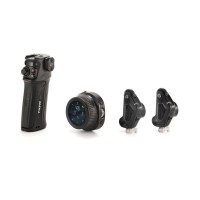
The Tilta Nucleus Nano II Kit II is a wireless focus set with the Control Handle
749 €
on request
Alternative (4)
Alternative (4)
Tilta Seamless Focus Gear Ring for 56mm to 58mm Lens
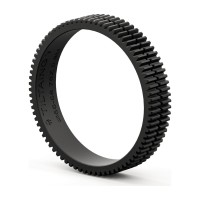
The Tilta Seamless Focus Gear Ring is a rubber gear ring that stretches over the
2.4 €
In stock 3 pcs
Tilta Seamless Focus Gear Ring for 69mm to 71mm Lens
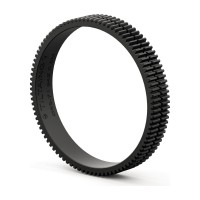
The Tilta Seamless Focus Gear Ring is a rubber gear ring that stretches over the
2.4 €
In stock 2 pcs
Tilta Seamless Focus Gear Ring for 66mm to 68mm Lens
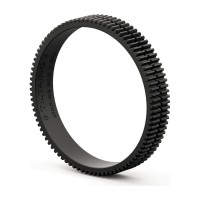
The Tilta Seamless Focus Gear Ring is a rubber gear ring that stretches over the
2.4 €
In stock 2 pcs
Tilta Seamless Focus Gear Ring for 59mm to 61mm Lens
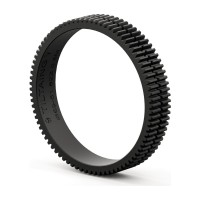
The Tilta Seamless Focus Gear Ring is a rubber gear ring that stretches over the
2.4 €
on request

News, training, and discounts from Syntex
Special offers and discounts for subscribers only · Free audio & video workshops · News and tips from the world of filmmaking
- Show all
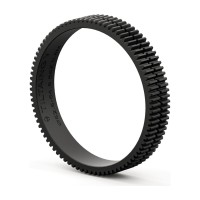
Tilta Seamless Focus Gear Ring for 62.5mm to 64.5mm Lens
The Tilta Seamless Focus Gear Ring is a rubber gear ring that stretches over the2.4 €Backordered 4 pcs
Tilta Seamless Focus Gear Ring for 78mm to 80mm Lens
The Tilta Seamless Focus Gear Ring is a rubber gear ring that stretches over the2.4 €In stock 3 pcs