
 CZ
 SK
 HU
 AT
 DE
 ES
 SI
 HR

Nothing in the basket.

- Search
-
Login

-
0
Comparison
Add products to compare, then they will appear here and you can compare parameters.
-
0
0 €
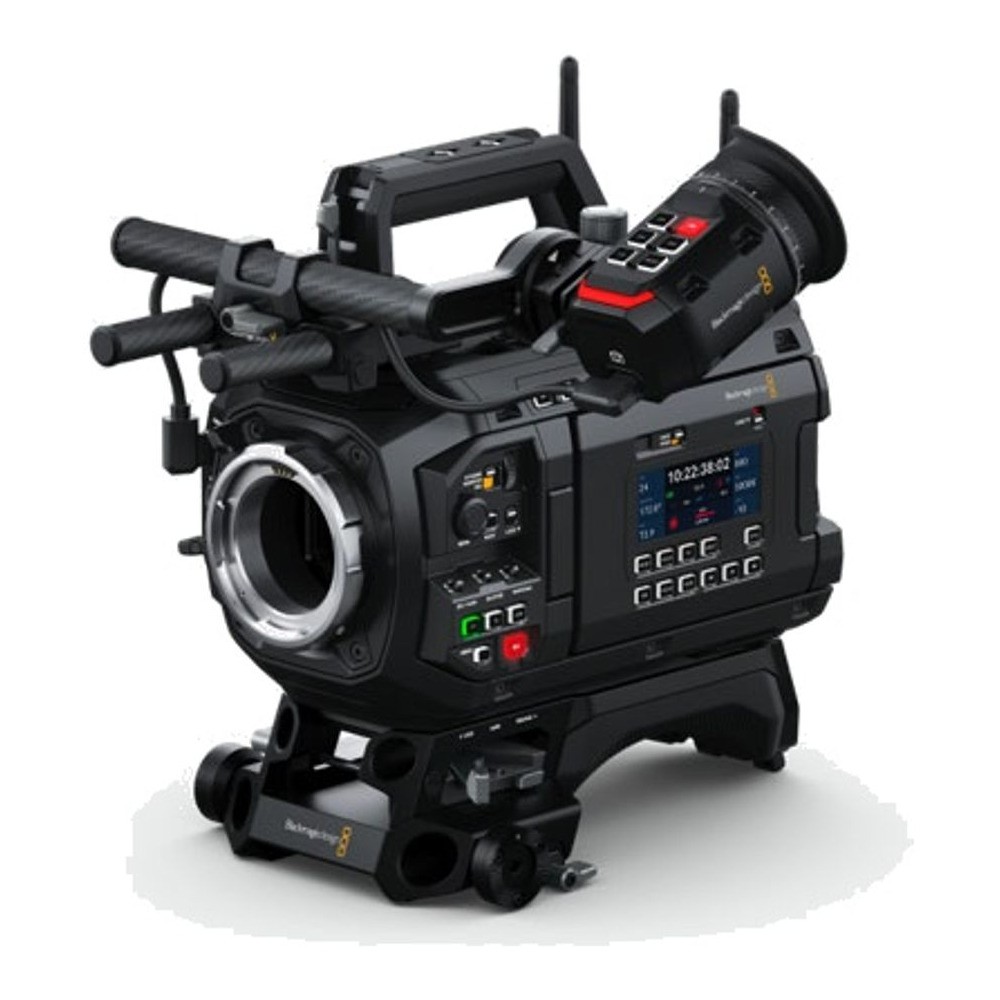
Blackmagic Design URSA Cine 12K LF 100G + EVF


SKU: CINEURSAAB12KLFCEVF1
The Blackmagic URSA Cine 12K LF 100G + EVF is a digital film camera with a large format RGBW 36 × 24 mm sensor, resolution up to 12,288 × 8040 and 16 stops of dynamic range. It records Blackmagic RAW to a Blackmagic Media Module 8TB and has built-in ND filters, two 5″ touchscreens, interchangeable PL, LPL, EF and B4 lens mounts and 100G Ethernet for live SMPTE-2110…
17 309 € with VAT
14 304.96 € without VAT
Availability
on request

Top accessories for Blackmagic Design URSA Cine 12K LF 100G + EVF
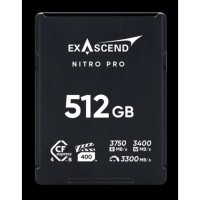
Exascend Nitro Pro CFexpress 4.0 Type B 512GB
Promotion: -50% ends in: 20d: 13h: 06m
The flagship Nitro Pro CFexpress 4.0 Type B card reads at up to 3,750 MB/s and sustains
550.01 €
1 099.99 €
In stock 5 pcs
Exascend CFexpress 4.0 Type B Element Pro Series 256GB
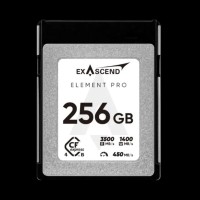
The Element Pro CFexpress 4.0 Type B card reads at up to 3,500 MB/s and writes at
231 €
In stock > 5 pcs
Exascend CFexpress 4.0 Type B Essential Pro Series 1TB
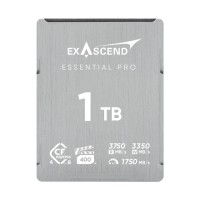
The VPG 400-certified Essential Pro CFexpress 4.0 Type B card reads at up to 3 750
689 €
In stock 2 pcs
Exascend CFexpress 4.0 Type B Element Pro Series 1TB
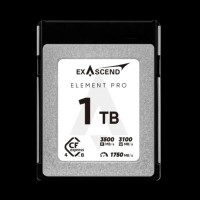
The Element Pro CFexpress 4.0 Type B card reads at up to 3,500 MB/s and writes at
579 €
In stock 3 pcs
Exascend CFexpress 4.0 Type B Element Pro Series 512GB
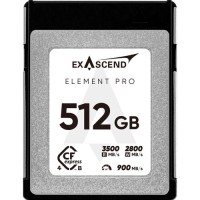
The Element Pro CFexpress 4.0 Type B card reads at up to 3,500 MB/s and writes at
330 €
Backordered 5 pcs
Exascend Nitro Pro CFexpress 4.0 Type B 1TB
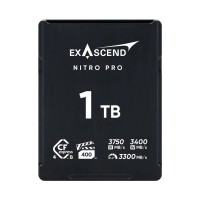
Promotion: -50% ends in: 20d: 13h: 06m
The flagship Nitro Pro CFexpress 4.0 Type B card reads at up to 3,750 MB/s and sustains
924 €
1 847.99 €
In stock 2 pcs
Exascend CFexpress 4.0 Type B Essential Pro Series 256GB
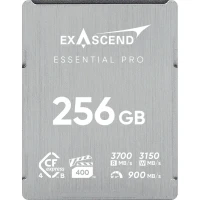
The VPG 400-certified Essential Pro CFexpress 4.0 Type B card reads at up to 3 700
341 €
Backordered 4 pcs
Blackmagic URSA Cine Handle

The Blackmagic URSA Cine Handle is a durable top handle with a rubberized grip for
241 €
In stock 1 pcs
SWIT BIVO-98 98Wh Bi-voltage B-mount Battery Pack
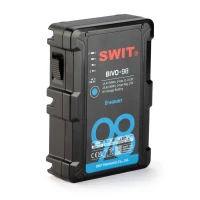
Promotion: -11%
BIVO-98 battery is only 38mm thickness and 668g light weight for handheld shooting.
673.79 €
761.09 €
In stock 2 pcs
Exascend CFexpress 4.0 Type B Essential Pro Series 2TB
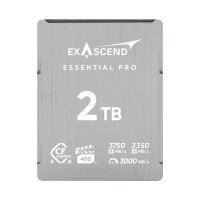
The VPG 400-certified Essential Pro CFexpress 4.0 Type B card reads at up to 3 750
1 389 €
on request
Product description
SPECIFICATIONS
PACKAGE CONTENT


Product description
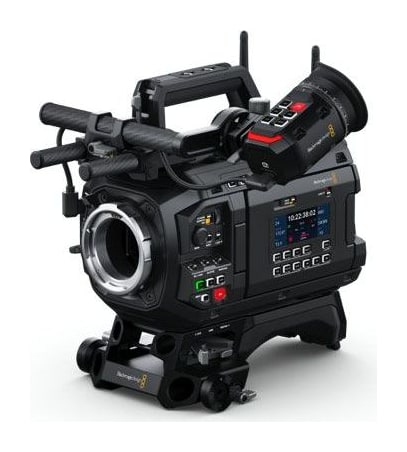
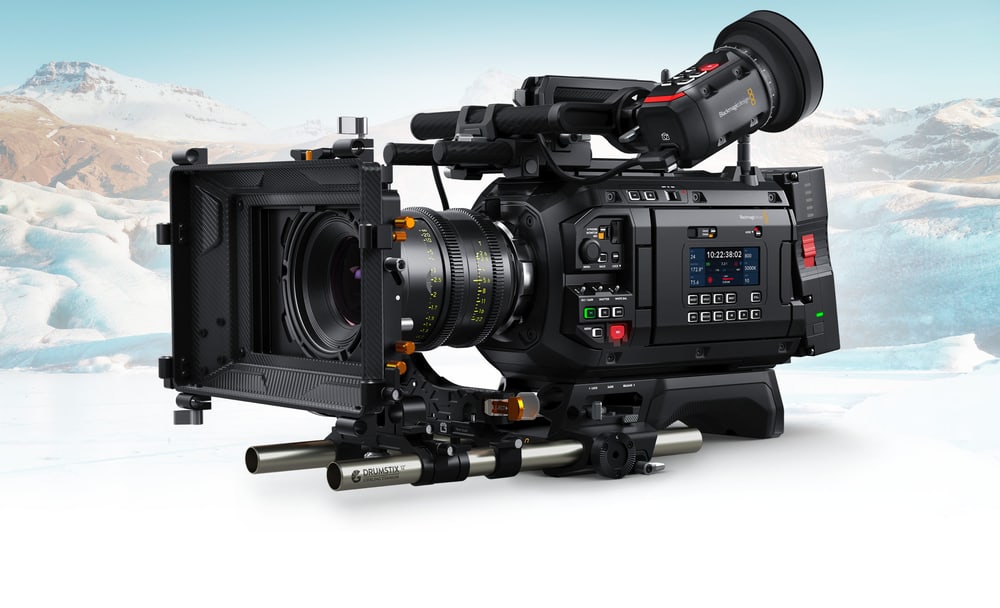
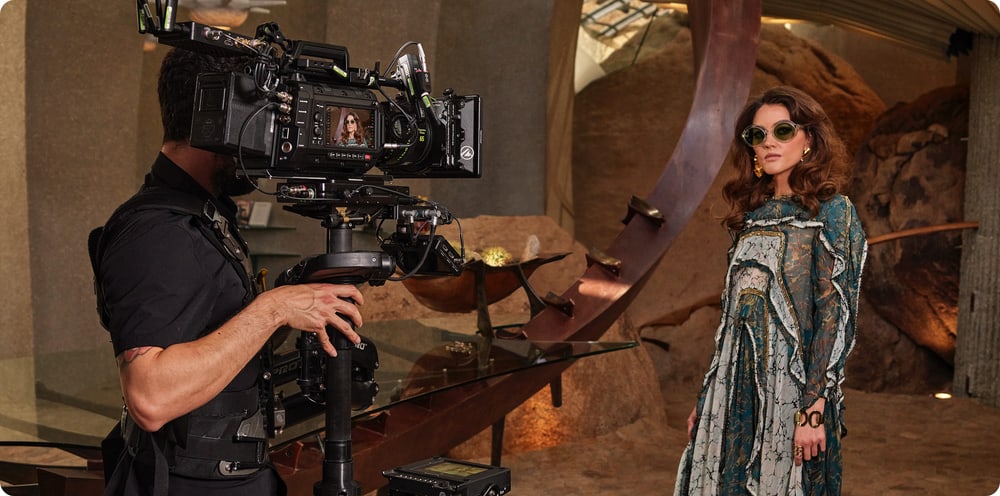
The Blackmagic URSA Cine 12K LF 100G + EVF is a digital film camera with a large format RGBW 36 × 24 mm sensor, resolution up to 12,288 × 8040 and 16 stops of dynamic range. It records Blackmagic RAW to a Blackmagic Media Module 8TB and has built-in ND filters, two 5″ touchscreens, interchangeable PL, LPL, EF and B4 lens mounts and 100G Ethernet for live SMPTE-2110 video up to 240 fps. The kit includes the URSA Cine EVF electronic viewfinder.
URSA Cine 12K LF 100G complete kit with viewfinder
One camera for film and live broadcast: when recording it captures Blackmagic RAW with the full dynamic range of the sensor, in SMPTE-2110 Live mode it sends video over 100G Ethernet straight to an IP production – at high frame rates for slow-motion sports replay.
RGBW 36 × 24 mm sensor16 stopsUp to 240 fpsMedia Module 8TB100G EthernetURSA Cine EVF
Generation 6 Color Science
Image processing is built around DaVinci Wide Gamut, so it preserves everything the sensor captures. Blackmagic RAW stores camera and lens metadata, white balance and custom LUTs, keeping the image consistent from the shoot to post production in DaVinci Resolve Studio, which is included.
Two screens and an assist station
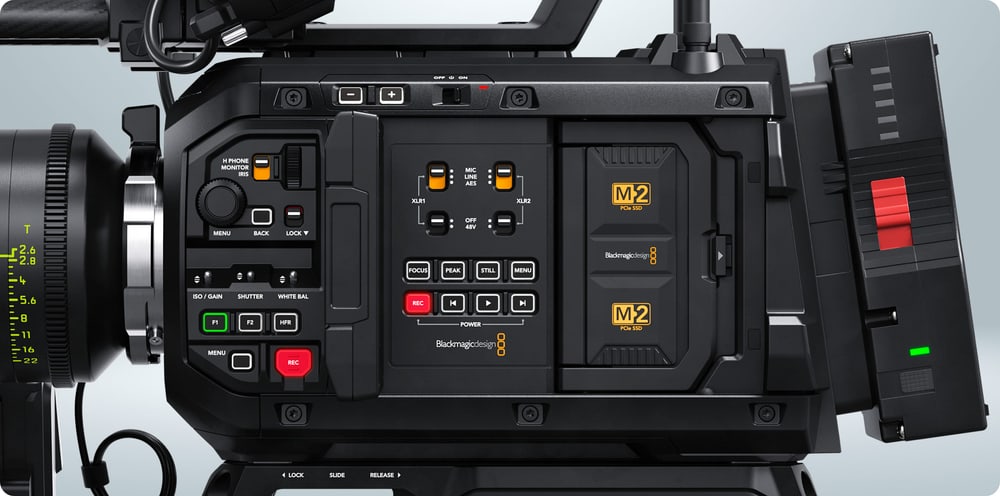
The fold-out 5″ HDR touchscreen has a color status LCD on its back, and the right side of the camera has a second 5″ assist screen with 1500 nits for the camera assistant.
Industry standard connections
The 7-pin LEMO and 3-pin Fischer trigger recording and supply 24 V to accessories, the camera is powered via an 8-pin LEMO 24 V input and has two 12G-SDI outputs.
Large format RGBW sensor
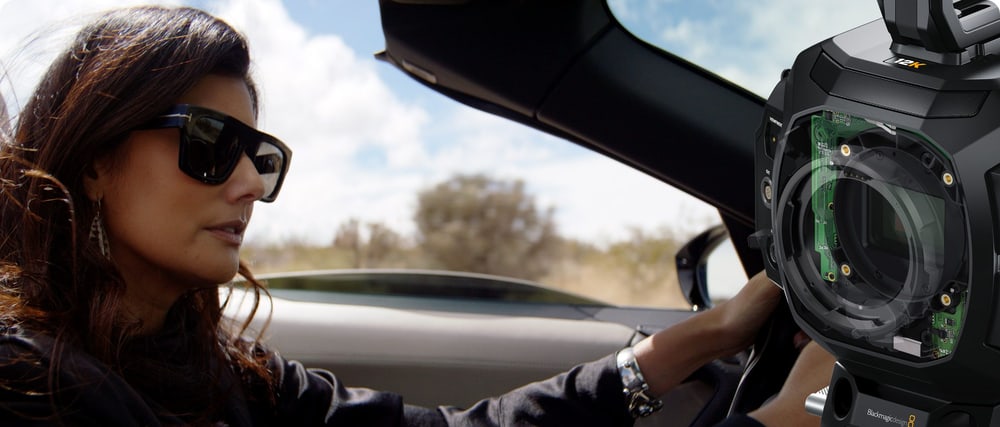
The 35.64 × 23.32 mm sensor with a 2.9 micron pixel pitch has larger photo-sites and 16 stops of dynamic range. The RGBW architecture has equal amounts of red, green and blue pixels, so color is rich at every resolution from 4K to 12K.
A body for demanding productions
A magnesium alloy chassis with a lightweight carbon fiber polycarbonate composite skin makes it easy to move on set. Backlit buttons are easy to see in any light, 6 buttons can be assigned to your own functions, and the fold-out screen can be rotated and folded back into the body.
Interchangeable lens mounts
The camera comes with a PL mount fitted and a lockable EF mount for heavier photo lenses is included; an LPL mount and a B4 mount for broadcast lenses are optional. Lens data from i/Technology lenses and electronic EF lenses is saved in the metadata.
Built-in ND filters
Button activated 2, 4 and 6 stop ND filters with IR filtering are matched to the camera colorimetry, so color stays accurate even in harsh sunlight. Infrared is filtered evenly together with visible light.
Optical low pass filter
An OLPF precisely matched to the sensor reduces moiré and aliasing on fine fabric patterns or LED walls. Updated IR filtering improves far red response and, together with Blackmagic RAW, preserves color and detail.
High frame rates
12K 3:2 open gate up to 80 fps, 12K 17:9 up to 100 fps, 12K 2.4:1 up to 120 fps, 8K and 4K open gate up to 144 fps and 8K 2.4:1 up to 224 fps; with the B4 mount, 4.6K 16:9 crop up to 240 fps. A 9K Super 35 window is also available for classic cinema lenses.

Blackmagic Media Module
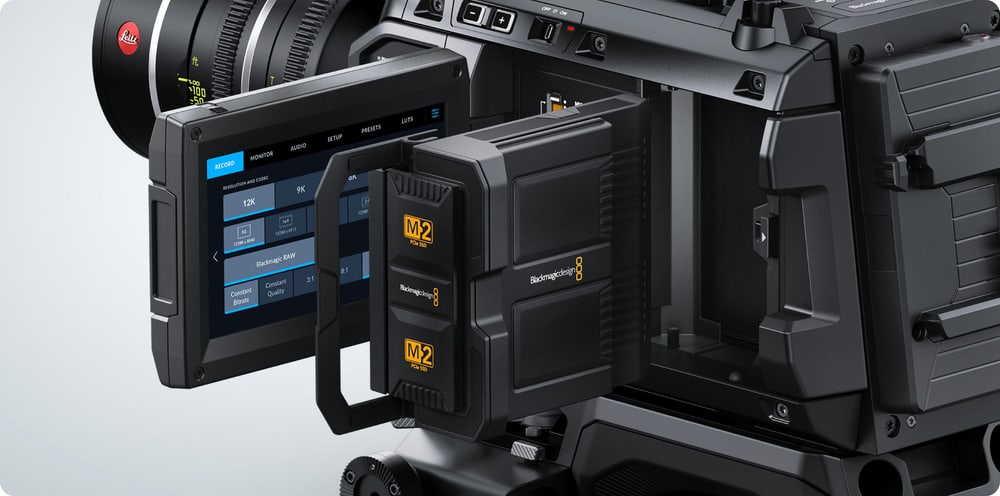
The 8TB module is fast network storage right inside the camera – it records the highest resolutions and frame rates for hours and files are accessible over Ethernet. The module can be removed and loaded into a Blackmagic Media Dock, and the 16TB or CF module is optional.
Blackmagic RAW
Blackmagic RAW recording with constant bitrate (3:1 to 18:1) or constant quality (Q0 to Q5) and simultaneous H.264 1920 × 1080 proxies. Proxies can be uploaded to Blackmagic Cloud during the shoot, so post production can work with them almost instantly.
Live production with SMPTE-2110
In SMPTE-2110 Live mode the camera becomes a studio camera: the 100G QSFP28 connection sends and receives IP video up to 2160p60 (optionally with the Blackmagic IP10 codec), syncs via PTP and registers on the network via NMOS. The camera can be completed with the URSA Cine Studio Viewfinder.
URSA Cine EVF viewfinder
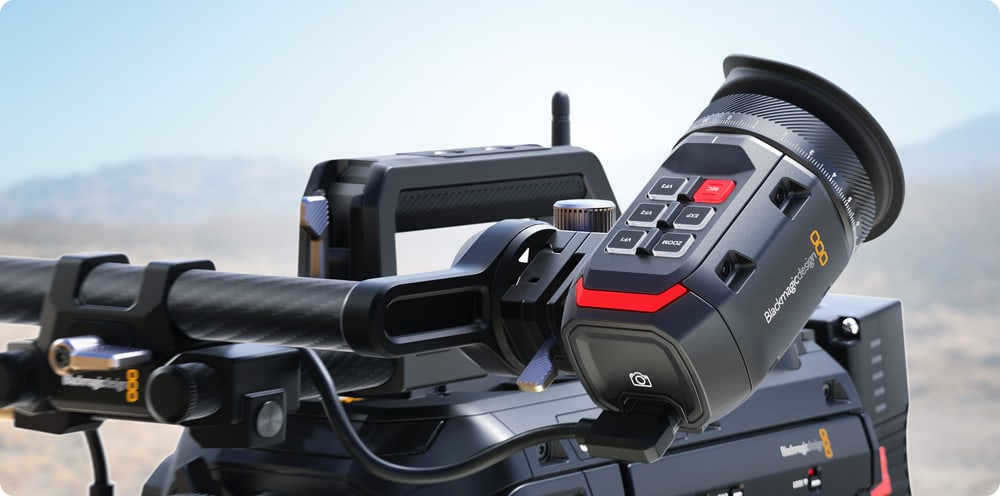
The kit includes the URSA Cine EVF electronic viewfinder with a 1920 × 1080 OLED display, glass optics with −5 to +5 diopter adjustment and six assignable buttons. It connects with a single locking USB-C cable for video, power and control.
Network, Blackmagic Cloud and streaming
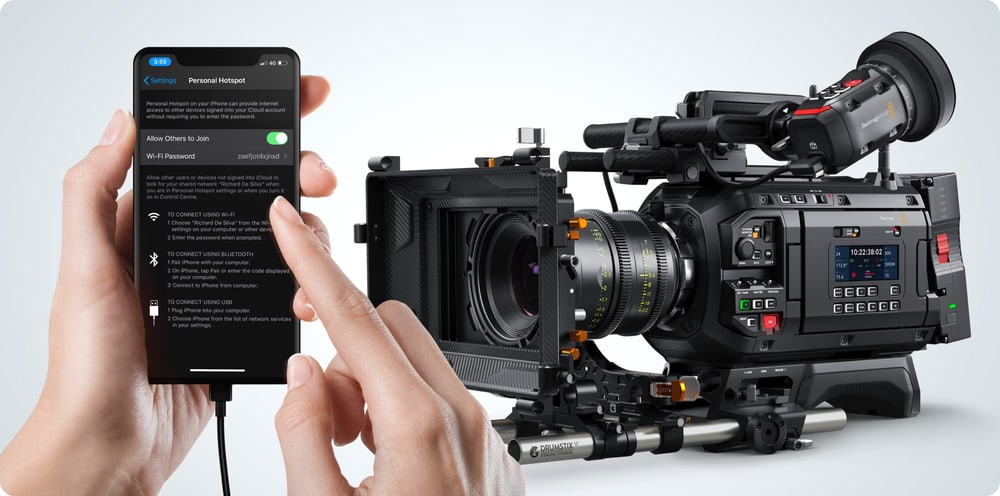
100G Ethernet (QSFP28) is used for SMB file sharing, web media management, Blackmagic Cloud uploads and camera control. The camera streams via SRT and RTMP over Ethernet, Wi-Fi or the mobile data of a connected phone.
Connections
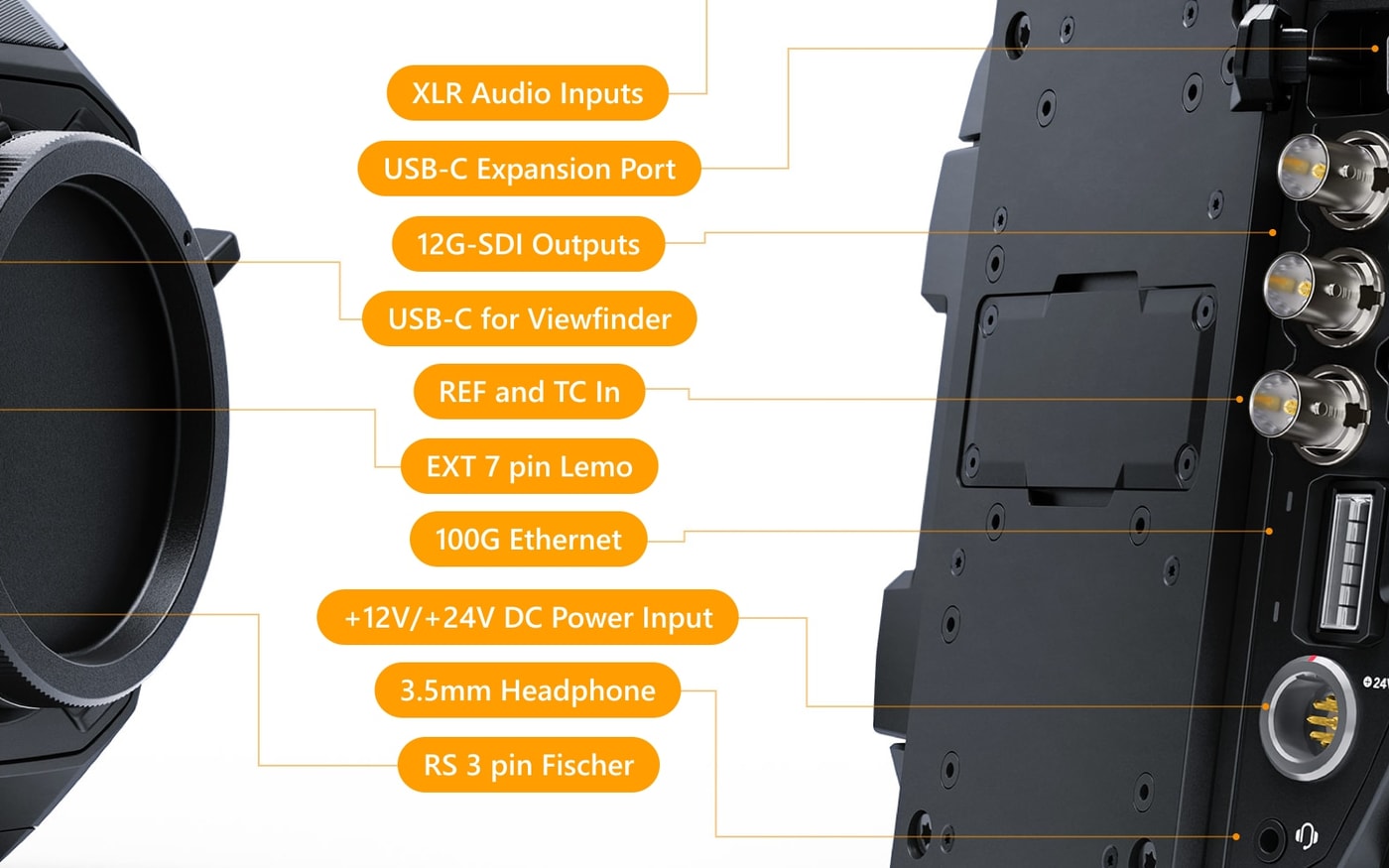
XLR audio inputs, USB-C expansion port, two 12G-SDI outputs, USB-C for the viewfinder, reference and timecode input, 7-pin LEMO EXT, 100G Ethernet, +12/+24 V DC power input, 3.5 mm headphone jack and 3-pin Fischer RS.
More information
Film-Quality Results in a Networked Studio Workflow
The world’s most advanced digital film camera can now also be used for live production. Live broadcasts can finally achieve the same cinematic quality that was previously reserved only for the film industry. No other broadcast camera can compete with the dynamic range, frame rates, and Color Science of the Blackmagic URSA Cine. Because it handles both film and live production, customers can use it flexibly as needed.
When SMPTE-2110 Live mode is selected in the menu, the camera instantly transforms into a live studio camera. Customers receive real-time SMPTE-2110 IP video via an Ethernet port, supporting up to 2160p60 in cinematic quality with a 16-stop dynamic range. This significantly outperforms traditional broadcast cameras. The 100G model also provides live output at up to 240 fps (only in 4.6K B4 crop 16:9 mode with the optional B4 mount) for stunning slow-motion sports footage.
Blackmagic Generation 6 Color Science delivers a range of image processing enhancements for the advanced URSA Cine sensor, including highly accurate color reproduction for natural and pleasing skin tones. The processing pipeline has been redesigned using 3D LUTs for film, extended video, and video gamut modes, allowing users to further customize the output with their own LUTs. LUTs are applied only after color correction, so adjustments are made across the full film gamut. The camera supports various color spaces, including Rec. 709, 2020, and PQ, and also allows for custom gamut compression. The URSA Cine now features two 3D LUT processors for different outputs and an additional LUT dedicated solely to SMPTE-2110 output.
An optional B4 mount allows the use of broadcast lenses with the Blackmagic URSA Cine 12K. B4 lenses are ideal for live production because they are electronically controlled and respond quickly. The mount’s optics are matched to the RGBW sensor, and center-crop mode enables Ultra HD at high frame rates. An optional B4 control cable converts the camera’s 7-pin EXT connector to a 12-pin Hirose connector for controlling B4 lenses.
The Blackmagic Media Dock speeds up the post-production workflow by simplifying and accelerating the start of editing and color grading. It allows you to connect up to three Blackmagic Media Modules for high-speed access to media from multiple URSA Cine cameras simultaneously. The Blackmagic Media Dock Ultra offers even higher performance with two extremely fast 100G Ethernet ports that can easily handle a large number of concurrent users.
The URSA Cine can be transformed into a live production camera using the large, bright 7" studio viewfinder. It features a touchscreen, so it acts as an extension of the camera and allows you to control all menus. It includes a lens hood and controls for brightness, contrast, and focus peaking. Installation is simple thanks to the connection and power supply via the viewfinder’s USB-C port on the front of the camera.
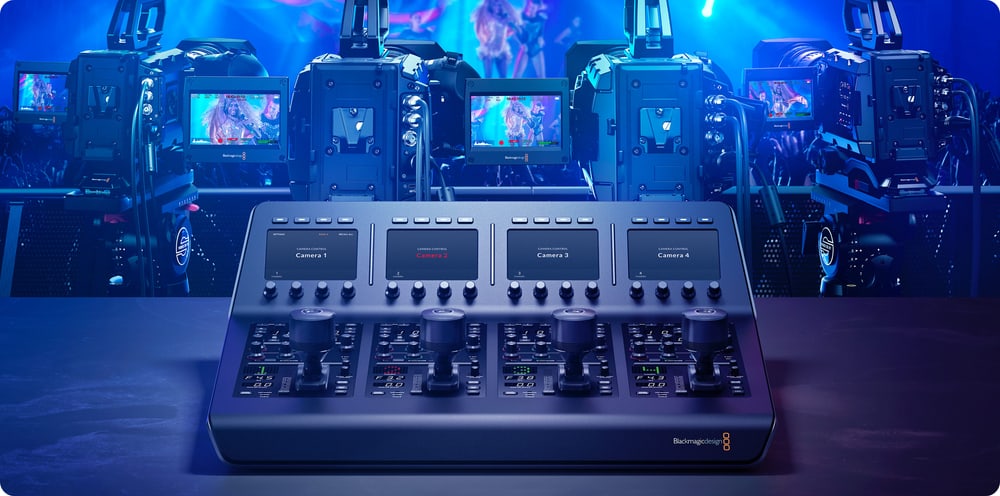
When using the Blackmagic URSA Cine as a live production camera, a built-in color corrector based on the primary corrector from DaVinci Resolve is available. It enables real-time color correction of the image. Classic controls for iris, black level, and RGB color shift are available via the ATEM Camera Control Panel, as well as advanced control via DaVinci Resolve panels with trackballs, which allow independent control of lift, gamma, and gain for the Y, R, G, and B channels. Thanks to the combination of this color corrector and the sensor’s 16-stop dynamic range, you can achieve a distinctly cinematic look that isn’t possible with standard broadcast cameras.
Your primary cameras can also be high-frame-rate cameras, which are ideal for live sports broadcasts and replays. You still have access to the 36x24 mm large-format RGBW sensor and 16-stop dynamic range. It also works with the new URSA Cine Studio Viewfinder, creating a complete studio camera solution.
Key Features
- Large-format cinematic sensor with 16-stop dynamic range
- 100G Ethernet for SMPTE-2110; up to 240 fps (only in 4.6K B4 crop 16:9 mode with the optional B4 mount)
- Lightweight and rugged design with professional connectors
- Optional PL, locking EF, LPL, and B4 mounts
- Blackmagic RAW for real-time 12K editing
- High-quality OLPF to reduce moiré and aliasing
- Generation 6 Color Science
- Built-in ND filters
- Recording up to 12K at 80 fps, 8K at 144 fps, and 4.6K B4 crop 16:9 240 fps (only in 4.6K B4 crop 16:9 mode with the optional B4 mount)
- Compatibility with Blackmagic Media Dock
- High-speed Wi-Fi, 100G Ethernet, or mobile data
- Built-in RTMP and SRT streaming
- Built-in Live DaVinci hardware color corrector
- Optional URSA Cine Studio Viewfinder
- Advanced Blackmagic OS
- Localized into 13 languages
- Includes DaVinci Resolve Studio
PACKAGE CONTENT
- Blackmagic URSA Cine 12K LF 100G camera with PL lens mount
- Blackmagic Media Module 8TB
- Blackmagic Media Module Case
- Blackmagic URSA Cine Handle top handle with bolts
- Blackmagic URSA Cine Top Rod Mount
- Blackmagic URSA Cine Baseplate 19
- Blackmagic URSA Cine Battery Plate B Mount
- Blackmagic URSA Cine rubber caps for connectors
- Blackmagic URSA Cine WiFi antennas
- Blackmagic URSA Cine Mount EF lens mount with screws
- Blackmagic URSA Cine 24 V / 250 W power supply
- EF body cap
- PL body cap
- Plastic folding sunshade for the 5″ LCD
- Blackmagic URSA Cine EVF viewfinder
- Rotating bracket with 19 mm carbon fibre rod (Blackmagic URSA Cine EVF Rotating bracket)
- Viewfinder bracket rod mount (Blackmagic URSA Cine EVF Bracket rod mount)
- Viewfinder extension arm (Blackmagic URSA Cine EVF Extension)
- 2× short 15 mm carbon fibre rod
- 1× long USB-C viewfinder cable, right angle to straight
- 1× short USB-C viewfinder cable, right angle to straight
- 1× short USB-C viewfinder cable, right angle to right angle
- Rubber eyecup
- Fabric chamois for the eyecup
- DaVinci Resolve Studio with activation key
- Welcome wallet with QR code for software download
- Blackmagic Design sticker
- Pelican 1560 case with custom foam
SPECIFICATIONS
- Sensor: RGBW, large format, effective size 35.64 × 23.32 mm, 2.9 micron pixel pitch
- Dynamic range: 16 stops
- Lens mount: PL, lockable EF included, optional LPL and B4
- Resolution: 12,288 × 8040 (12K 3:2 open gate), 12K 16:9, 17:9, 2.4:1 and 6:5, 9K Super 35, 8K, 4K, 4608 × 2592 (4.6K 16:9 B4 crop)
- Frame rates: project 23.98–60 fps; 12K open gate up to 80 fps, 12K 17:9 up to 100 fps, 12K 2.4:1 up to 120 fps, 8K/4K open gate up to 144 fps, 8K/4K 2.4:1 up to 224 fps, 4.6K B4 up to 240 fps
- ND filters: clear, 2, 4 and 6 stop with IR filtering
- Screens: 2× 5″ touchscreen LCD 1920 × 1080, 1500 nits; status LCD
- Viewfinder: URSA Cine EVF, OLED 1920 × 1080 (6.22 million dots), diopter −5 to +5
- SDI outputs: 2× 12G-SDI (1.5G, 3G, 6G, 12G)
- IP video: 1× 100G QSFP28, SMPTE 2110-20/-21/-30/-40, PTP (IEEE 1588-2008, ST 2059), NMOS IS-04/IS-05, Blackmagic IP10 codec
- Ethernet: 1× 100 Gb/s QSFP28
- Audio: 2× XLR (mic, line, AES, phantom power), 3.5 mm headset jack, built-in stereo microphone, mono speaker
- Reference: Tri-Sync/Black Burst and timecode; PTP and timecode over 2110 network
- USB-C: viewfinder (video, power, control, locking), 2× side monitor ports (URSA Cine EVF, PYXIS Monitor, DisplayPort), 2× for accessories
- Accessories: 7-pin LEMO EXT (power, serial communication, run/stop), 3-pin Fischer RS (power, run/stop)
- Media: Blackmagic Media Module 8TB
- Codecs: Blackmagic RAW 3:1, 5:1, 8:1, 12:1, 18:1, Q0, Q1, Q3, Q5; H.264 1920 × 1080 proxy; Blackmagic IP10
- Streaming: SRT and RTMP over Ethernet, Wi-Fi or mobile data
- Power: 8-pin LEMO 24 V DC, Molex for the rear battery plate; 24 V outputs on LEMO and Fischer, 12 V on the B-Mount plate; 24 V / 250 W power supply included
- Software: DaVinci Resolve Studio with activation key, Blackmagic Camera Setup, Blackmagic RAW Player, SDK
- Operating temperature: 0 to 40 °C
- Storage temperature: −20 to 45 °C
- Relative humidity: 0 to 90 %, non-condensing
- Warranty: 1 year limited manufacturer warranty
WE RECOMMEND
The Blackmagic URSA Cine 12K LF 100G + EVF works with accessories from the URSA Cine platform: additional recording media, a monitor, battery plates and rigging parts.
Media and docks - Blackmagic Media Module recording modules and docks for fast network sharing of footage.
- Blackmagic Design Media Module 8TB
- Blackmagic Design Media Module CF
- Blackmagic Design Media Dock
- Blackmagic Design Media Dock Ultra
Viewfinder and monitor - Electronic viewfinder and monitors that connect with a single USB-C cable.
- Blackmagic Design URSA Cine Studio Viewfinder
- Blackmagic Design PYXIS Monitor
- Blackmagic Design PYXIS Monitor Kit
- Blackmagic Design PYXIS Monitor EVF Kit
Power - Battery plates for B-Mount, Gold Mount and V-Lock batteries, 24 V batteries and a charger.
- Blackmagic Design URSA Cine Battery Plate B Mount
- Blackmagic Design URSA Cine Battery Plate Gold
- Blackmagic Design URSA Cine Battery Plate VLock
- SWIT BIVO-98 98Wh Bi-voltage B-mount Battery Pack
- SWIT BIVO-200 | 200Wh Battery with 14V/28V B-Mount, 16V D-taps, OLED
- SWIT PC-P461B 4x100W Super Fast B-mount Charger
Rigging and lens mounts - Baseplates, top handle, rosette and parts for changing the lens mount.
Parameters
| Manufacturer: | Blackmagic Design |
| Category: | Digital Cinema |
Main parameters
| Camera Sensor size | Full Frame |
| Sensor size | Full Frame |
| Resolution | 12K |
| Lens mount | PL |
| Maximum video resolution | 12K |
| Type of bayonet | B4 2/3" · EF · PL |
| Dynamic range | 16EV |
| Output | 12G SDI |
| Video outputs and transfer | Ethernet / IP · SDI · SMPTE ST 2110 · USB-C |
| Sensor stabilization (IBIS) | No |
| Internal RAW / X-OCN | Yes |
| Open Gate | Yes |
| XLR handle included | No |
Other parameters
| Version | cinema camera |
| Record format | BMD RAW · H.264 |
| FPS | 12K 100fps · 12K 120fps · 12K 80fps · 4.6K 240fps · 8K 144fps · 8K 224fps |
| Battery type | B Mount |
| Colour depth | 12 bit |
| Other features | Bluetooth · HDR · ND filter · Proxy recording · RTMP · SRT · Streaming · Timecode · XLR input |
ACCESSORIES (33)
ACCESSORIES (33)
Exascend Nitro Pro CFexpress 4.0 Type B 512GB
Promotion: -50% ends in: 20d: 13h: 06m
The flagship Nitro Pro CFexpress 4.0 Type B card reads at up to 3,750 MB/s and sustains
550.01 €
1 099.99 €
In stock 5 pcs
Exascend CFexpress 4.0 Type B Element Pro Series 256GB
The Element Pro CFexpress 4.0 Type B card reads at up to 3,500 MB/s and writes at
231 €
In stock > 5 pcs
Exascend CFexpress 4.0 Type B Essential Pro Series 1TB
The VPG 400-certified Essential Pro CFexpress 4.0 Type B card reads at up to 3 750
689 €
In stock 2 pcs
Exascend CFexpress 4.0 Type B Element Pro Series 1TB
The Element Pro CFexpress 4.0 Type B card reads at up to 3,500 MB/s and writes at
579 €
In stock 3 pcs
Exascend CFexpress 4.0 Type B Element Pro Series 512GB
The Element Pro CFexpress 4.0 Type B card reads at up to 3,500 MB/s and writes at
330 €
Backordered 5 pcs
Exascend Nitro Pro CFexpress 4.0 Type B 1TB
Promotion: -50% ends in: 20d: 13h: 06m
The flagship Nitro Pro CFexpress 4.0 Type B card reads at up to 3,750 MB/s and sustains
924 €
1 847.99 €
In stock 2 pcs
Exascend CFexpress 4.0 Type B Essential Pro Series 256GB
The VPG 400-certified Essential Pro CFexpress 4.0 Type B card reads at up to 3 700
341 €
Backordered 4 pcs
Blackmagic URSA Cine Handle
The Blackmagic URSA Cine Handle is a durable top handle with a rubberized grip for
241 €
In stock 1 pcs
SWIT BIVO-98 98Wh Bi-voltage B-mount Battery Pack
Promotion: -11%
BIVO-98 battery is only 38mm thickness and 668g light weight for handheld shooting.
673.79 €
761.09 €
In stock 2 pcs
Exascend CFexpress 4.0 Type B Essential Pro Series 2TB
The VPG 400-certified Essential Pro CFexpress 4.0 Type B card reads at up to 3 750
1 389 €
on request
Exascend CFexpress 4.0 Type B Element Pro Series 2TB
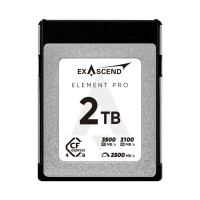
The Element Pro CFexpress 4.0 Type B card reads at up to 3,500 MB/s and writes at
1 039 €
on request
Exascend CFexpress 4.0 Type B Essential Pro Series 512GB
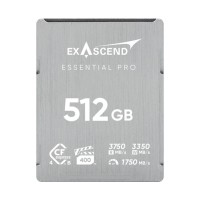
The VPG 400-certified Essential Pro CFexpress 4.0 Type B card reads at up to 3 750
589 €
on request
Blackmagic Design PYXIS Monitor EVF Kit

Blackmagic PYXIS Monitor EVF Kit contains everything in the Monitor Kit – the 5″
699 €
on request
SWIT BIVO-200 | 200Wh Battery with 14V/28V B-Mount, 16V D-taps, OLED

Promotion: -9%
BIVO-200 is a 14.4V(10.8-16.8V) and 28.8V (22-33.6V) Bi-voltage B-mount battery,
882.91 €
966.79 €
In stock 1 pcs
SWIT PC-P461B 4x100W Super Fast B-mount Charger

Promotion: -14%
PC-P461B can charge 4x B-mount batteries simultaneously at 33.6V/3A, 100W per channel
1 043.79 €
1 208.79 €
In stock 1 pcs
Blackmagic Design URSA Cine Battery Plate VLock

The Blackmagic URSA Cine Battery Plate VLock is an additional V-Lock (V-Mount) battery
117 €
on request
Blackmagic Design PYXIS Monitor Kit

Blackmagic PYXIS Monitor Kit contains the 5″ HDR touchscreen monitor with full camera
489 €
on request
Blackmagic Design Media Dock Ultra
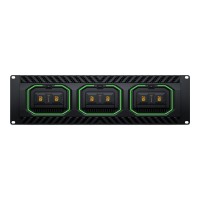
The Blackmagic Media Dock Ultra is a powerful 3RU rack dock for up to three removable
3 189 €
on request
Blackmagic Design URSA Cine Battery Plate Gold

The Blackmagic URSA Cine Battery Plate Gold is an additional Gold Mount battery plate
Call us for pricing information
Blackmagic Design Media Module 8TB

The Blackmagic Media Module 8TB is a high performance internal module with 8 TB capacity
2 729 €
on request
Blackmagic Design URSA Cine Studio Viewfinder

The Blackmagic URSA Cine Studio Viewfinder is a large 7″ touchscreen viewfinder with
1 579 €
on request
Blackmagic Design URSA Cine Battery Plate B Mount

The Blackmagic URSA Cine Battery Plate B Mount is an additional battery plate that
Call us for pricing information
Blackmagic URSA Cine Mount Shims

The Blackmagic URSA Cine Mount Shims set is used to fine-tune the flange focal distance
Call us for pricing information
Blackmagic Design Media Module CF
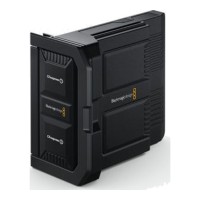
The Blackmagic Media Module CF is a recording module with two CFexpress Type B slots
313 €
on request
Blackmagic URSA Cine Baseplate 19

The Blackmagic URSA Cine Baseplate 19 is a studio baseplate for URSA Cine 12K LF
Call us for pricing information
Blackmagic Design PYXIS Monitor

Blackmagic PYXIS Monitor is a standalone 5″ HDR touchscreen monitor with full camera
327 €
on request
Blackmagic URSA Cine B4 Adapter Cable

The Blackmagic URSA Cine B4 Adapter Cable connects the 7 pin EXT Control connector
104 €
on request
Blackmagic URSA Cine Rosette

The Blackmagic URSA Cine Rosette adds rosette mounting points for handles to the
Call us for pricing information
Blackmagic Design Media Dock

The Blackmagic Media Dock is a 2U rack dock for up to three removable Blackmagic
2 209 €
on request
Blackmagic URSA Cine Baseplate 15

The Blackmagic URSA Cine Baseplate 15 is a lightweight baseplate for URSA Cine 12K
Call us for pricing information
Blackmagic URSA Cine Mount B4
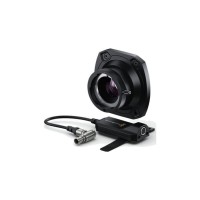
The Blackmagic URSA Cine Mount B4 lets you use broadcast and box lenses with a B4
539 €
on request
SWIT MATRIX-B8 | 8ch x max 6A Top Fast Simultaneous 14V/28V Wall Charger, B-mount (PC-W461B)

SWIT MATRIX-B8 is an 8-channel simultaneous wall charger for B-mount batteries. It
3 029 €
on request
SWIT HB-A290B | 290Wh Battery with 28V B-Mount, 16V D-tap and USB-C/USB-A, also ideal for long term
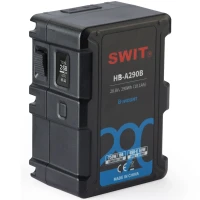
The SWIT HB-A290B is a high-capacity 290Wh professional B-Mount battery delivering
909 €
on request
Alternative (4)
Alternative (4)
Blackmagic Design URSA Cine 12K LF
The Blackmagic URSA Cine 12K LF is a digital film camera with a large format RGBW
16 219 €
on request
Blackmagic Design URSA Cine 12K LF + EVF
The Blackmagic URSA Cine 12K LF + EVF is a digital film camera with a large format
17 549 €
on request
Blackmagic Design URSA Cine 12K LF 100G Body
The Blackmagic URSA Cine 12K LF 100G Body is a digital film camera with a large format
9 439 €
on request
Blackmagic Design URSA Cine 12K LF 100G
The Blackmagic URSA Cine 12K LF 100G is a digital film camera with a large format
16 759 €
on request
News, training, and discounts from Syntex
Special offers and discounts for subscribers only · Free audio & video workshops · News and tips from the world of filmmaking
- Show all
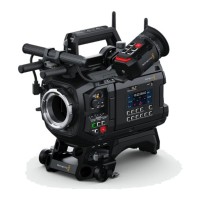
Blackmagic Design URSA Cine 12K LF 100G + EVF
The Blackmagic URSA Cine 12K LF 100G + EVF is a digital film camera with a large17 309 €on request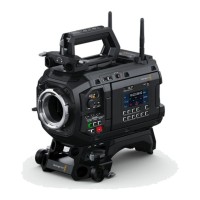
Blackmagic Design URSA Cine 12K LF 100G
The Blackmagic URSA Cine 12K LF 100G is a digital film camera with a large format16 759 €on request
Tilta 15mm to 12mm DJI Rod Adapter (20cm) - Black
Promotion: -10% ends in: 14d: 13h: 25mIntroducing the Tilta 15mm to 12mm DJI Rod Adapter, the perfect solution for using9.8 €10.89 €on request