
 CZ
CZ SK
SK HU
HU AT
AT DE
DE ES
ES SI
SI HR
HR
Nothing in the basket.

- Search
-
Login

-
0
Comparison
Add products to compare, then they will appear here and you can compare parameters.
-
0
0 €
Accsoon CineView 2 SDI TX only


SKU: ACC-WIT08-S-TX
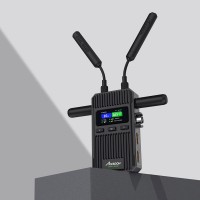
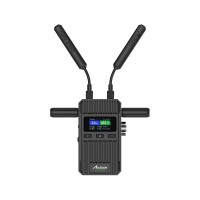
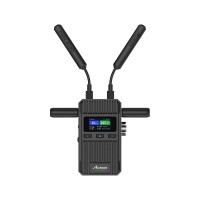
Accsoon CineView 2 SDI TX is a standalone wireless transmitter for camera crews, directors and mobile monitoring. The link carries Full HD up to 60p and H.264 video over simultaneous 2.4 and 5 GHz bands, with system latency below 50 ms excluding the camera and range up to 450 m in unobstructed, interference-free line of sight. The standalone transmitter accepts…
301 € with VAT
248.76 € without VAT
Availability
Shipment day: 19. 10.
Shipment day: 19. 10.
1 pcs in stock at the supplier
Top accessories for Accsoon CineView 2 SDI TX only
PremiumCord 4K HDMI 2.0b High Speed + Ethernet cable, gold-plated connectors, 1 m
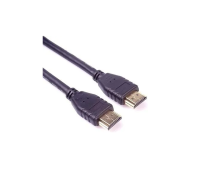
High-quality interconnect cable for connecting two audio/video devices via modern
3.2 €
In stock 2 pcs
Tilta NP-F970 Battery (10500mAh) - Green
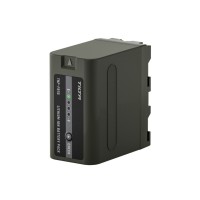
The Tilta NP-F970 replaces NP-F series cells, the batteries that power on-camera
47 €
In stock > 5 pcs
Infinitek L-2.5CHWS 1.5m FLEX 3G/HD-SDI cable BNC-BNC
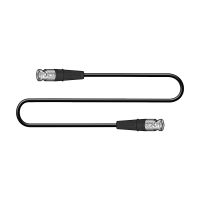
Assembled SDI cable, Infinitek L-2.5CHWS, 1.5 m long, terminated with BNC (M) and
15 €
In stock 5 pcs
PremiumCord USB-C angled 90° cable (USB 3.2 GEN 2x2, 5A, 100W, 20Gbit/s) aluminum caps, cotton braid, 1m
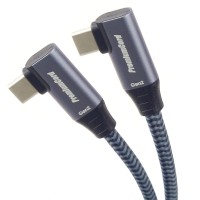
PremiumCord USB-C 90° Angled Cable (USB 3.2 Gen 2x2, 5A, 100W, 20Gbit/s) with aluminum
11 €
In stock 3 pcs
Tilta Battery Charger for L-Series/NP-F (2 Channel) - Green
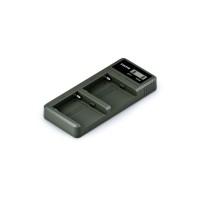
A flat two-channel Tilta charger for Sony L-Series / NP-F batteries and compatible
18 €
In stock 5 pcs
Tilta NP-F550 Battery (3500mAh) - Green
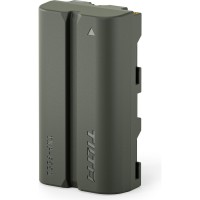
The Tilta NP-F550 replaces NP-F series cells, the batteries that power on-camera
23 €
In stock 2 pcs
PremiumCord Slim HDMI 2.0 High Speed + Ethernet Cable, Gold-Plated, 0.5 m
PremiumCord Slim HDMI High Speed + Ethernet cable, gold-plated connectors, 0.5m
5 €
on request
Accsoon TopRig 100W 4-Bay NP-F Fast Charger + EU G
The Accsoon TopRig NP-F (ACC-BC-01EU) is a four-bay charger for NP-F550, NP-F750,
108 €
To be sent 2 pcs
Canare L-2.5CHWS BNC / BNC 0,4 m, GRY

Assembled SDI cable, Canare L-2.5CHWS, 0.4 m long, terminated with BNC and BNC c
13 €
In stock 1 pcs
Accsoon Right Angle SDI to Right Angle SDI cable - 80 cm
Accsoon ACC-XC-BNC-SDI-80-BLACK is a black 80cm SDI video cable with right-angle
12 €
> 5 pcs in stock at the supplier
Product description
SPECIFICATIONS
PACKAGE CONTENT

Product description
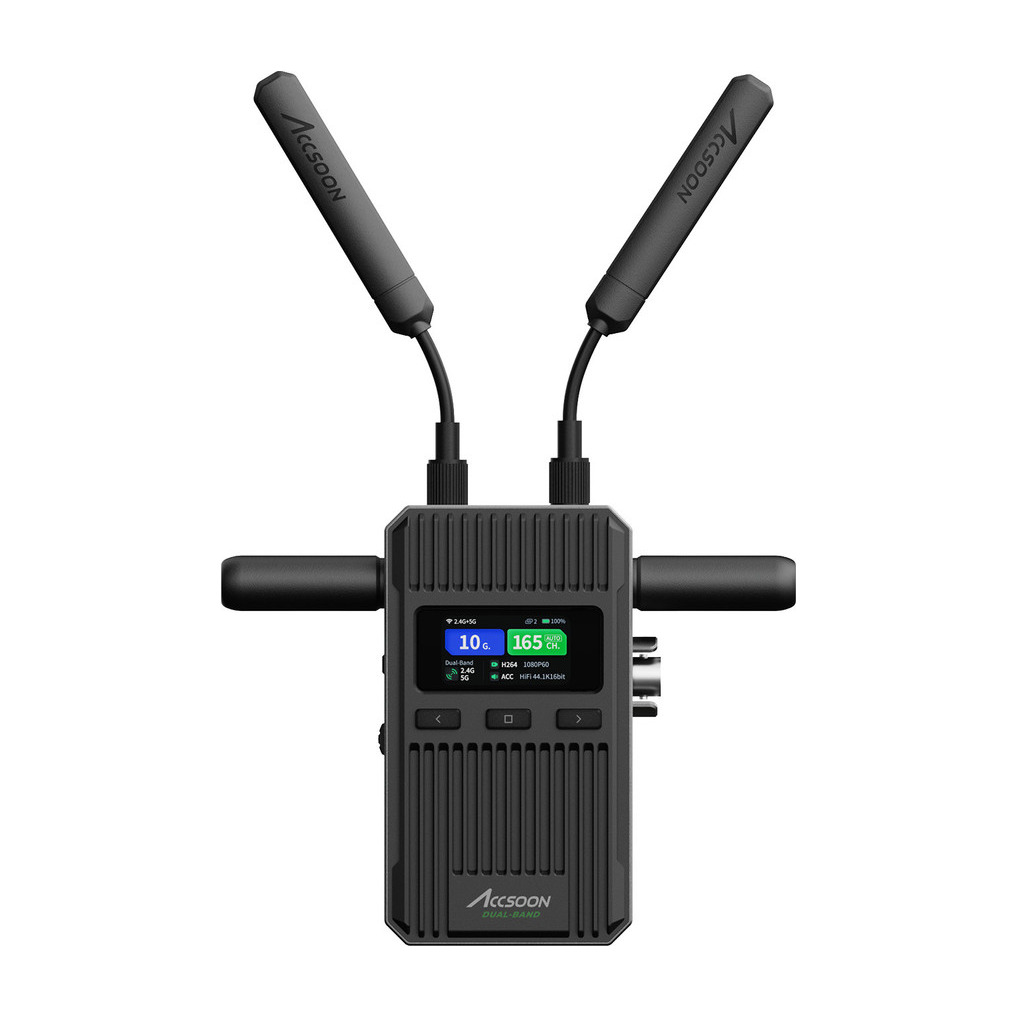
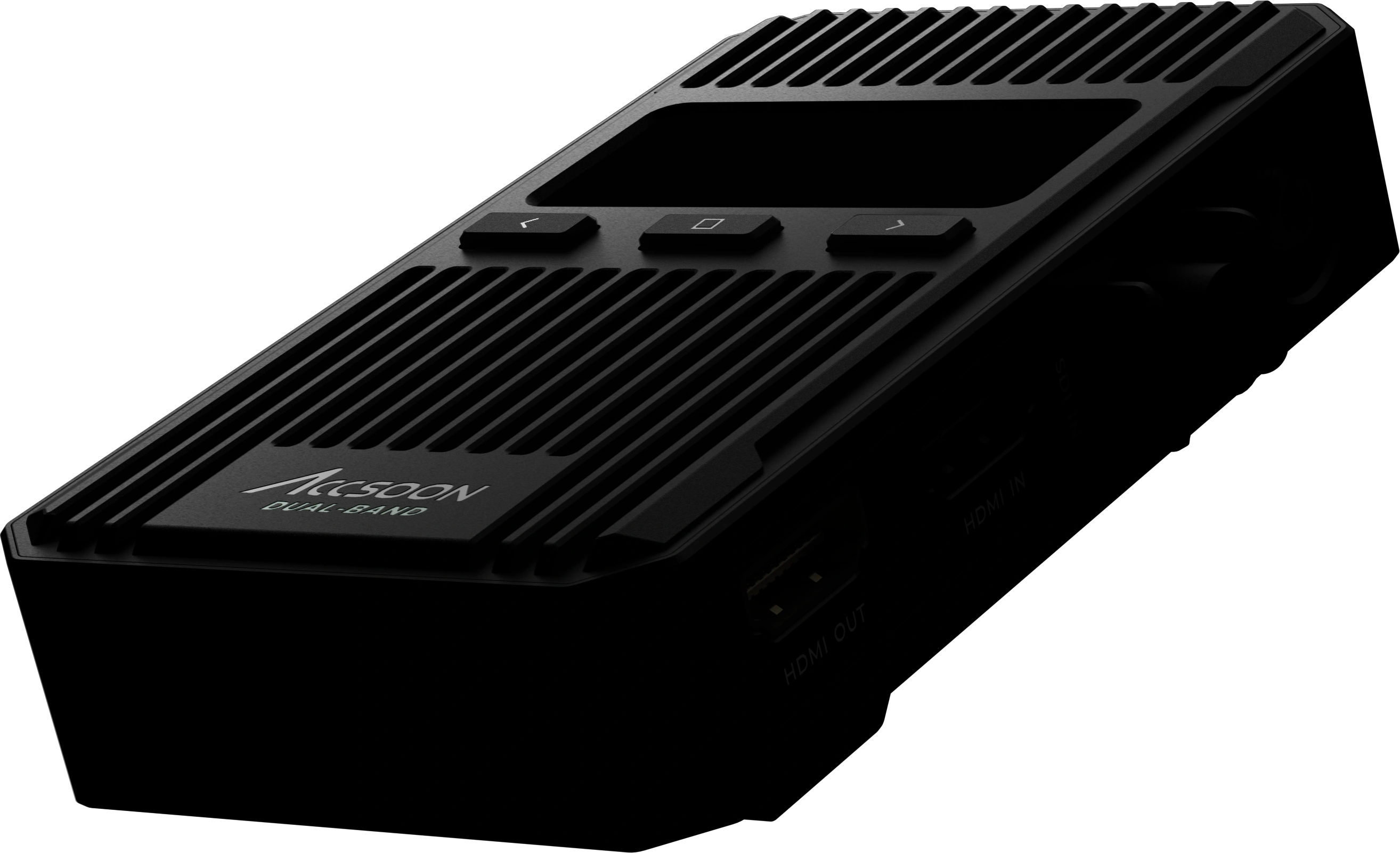
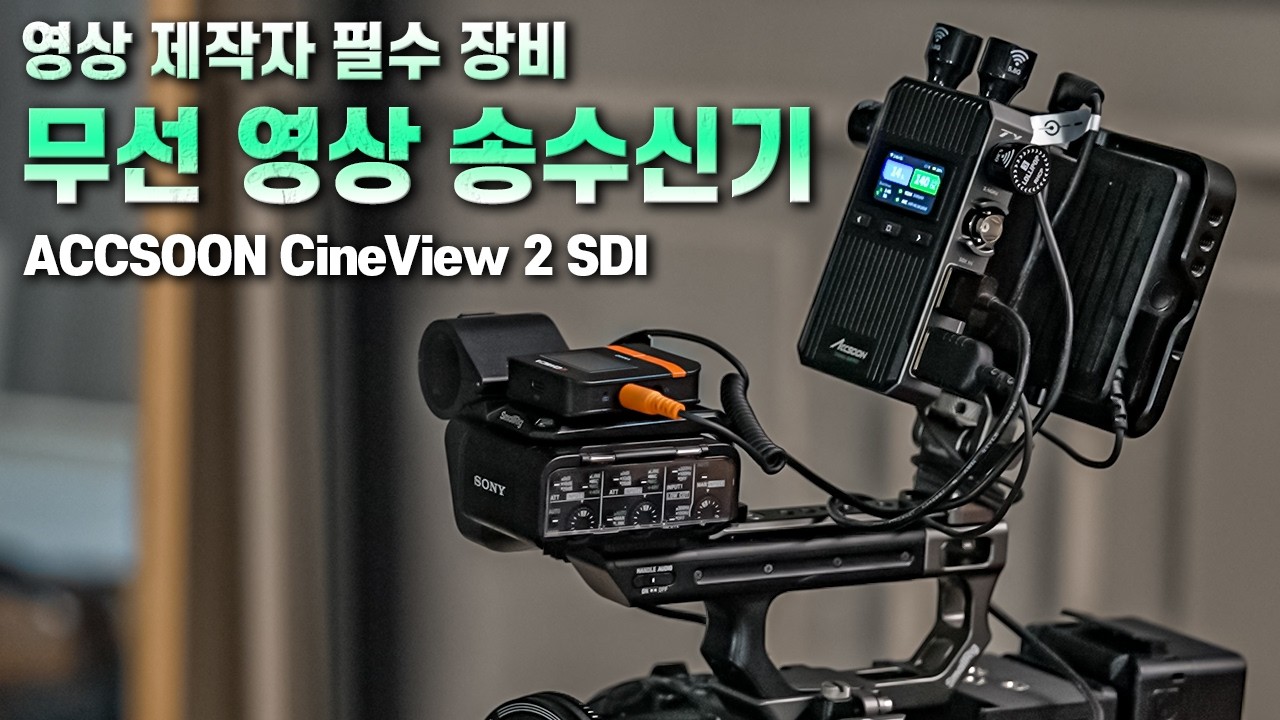
Accsoon CineView 2 SDI TX is a standalone wireless transmitter for camera crews, directors and mobile monitoring. The link carries Full HD up to 60p and H.264 video over simultaneous 2.4 and 5 GHz bands, with system latency below 50 ms excluding the camera and range up to 450 m in unobstructed, interference-free line of sight. The standalone transmitter accepts SDI or HDMI, with local HDMI loop-out. Compatible receivers or Accsoon SEE mobile devices receive Full HD wirelessly; hardware RX is purchased separately. One TX supports up to four wireless receiving devices in total. Each unit has a fanless aluminium body, 1.47″ full-colour LCD and NP-F, 7.4–16.8 V DC or USB-C 5 V / 3 A power options. TX accepts DCI/UHD HDMI 4K60 with local HDMI loop-out; wireless transmission remains Full HD. Batteries, cables and monitoring equipment are purchased separately.
ACCSOON CINEVIEW 2 SDI · TX
Camera to crew
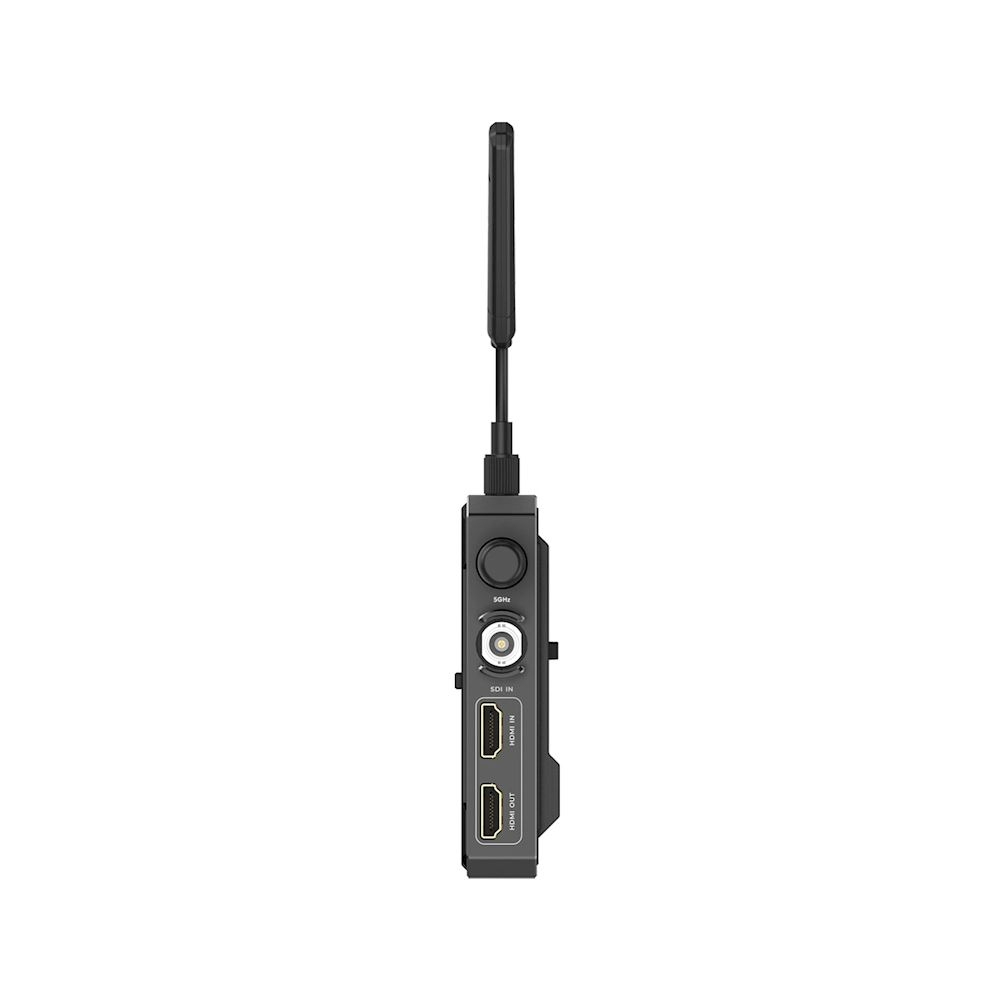
The standalone transmitter accepts SDI or HDMI, with local HDMI loop-out. Compatible receivers or Accsoon SEE mobile devices receive Full HD wirelessly; hardware RX is purchased separately.
Full HD 60p450 m<50 ms
Camera-side monitoring
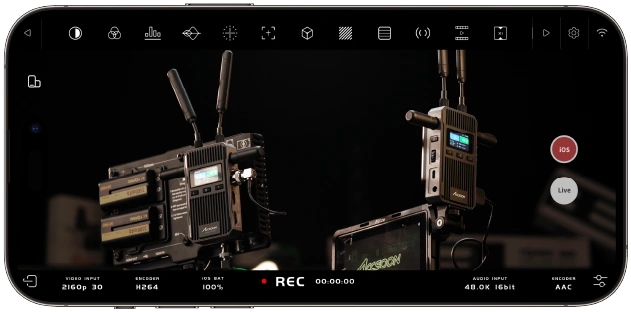
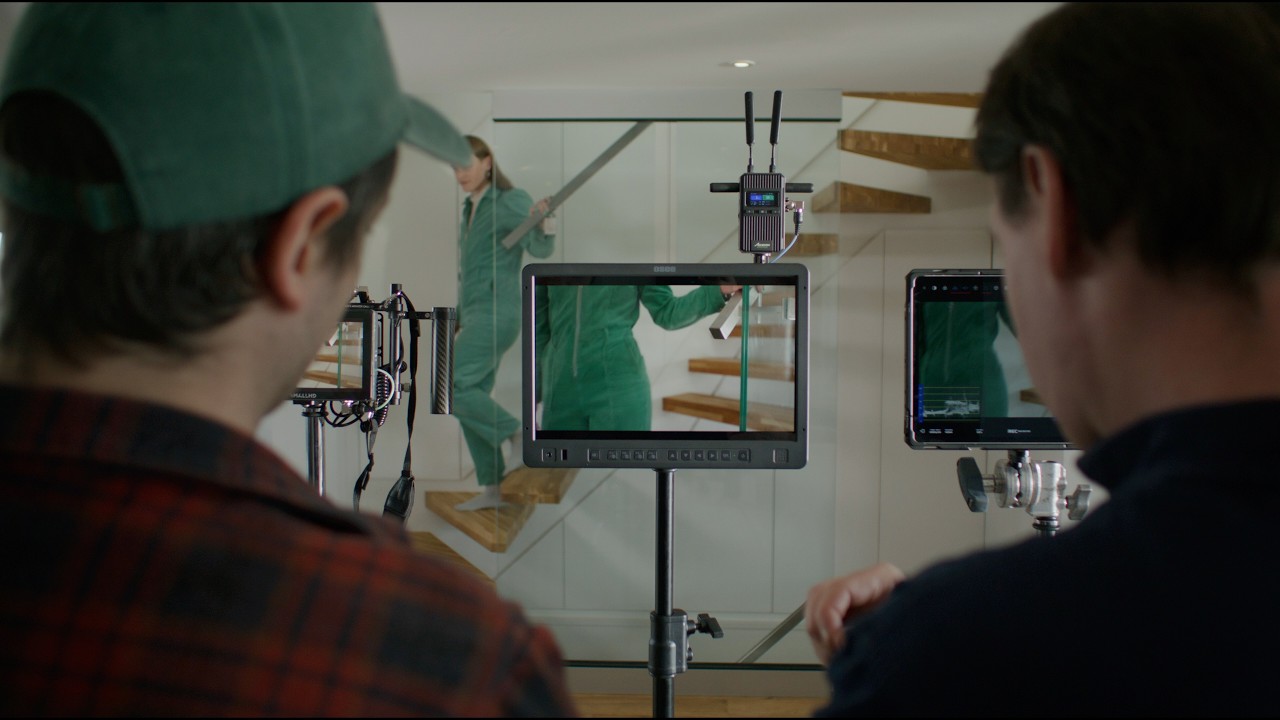
The manufacturer app photograph shows the exact CineView 2 SDI camera-side transmitter and mobile monitoring. Connect the camera’s SDI or HDMI output to TX. Phones receive directly in Accsoon SEE, while a compatible hardware RX supplies a remote monitor. Camera, mobile device and monitors are not included.
4K local, Full HD wireless
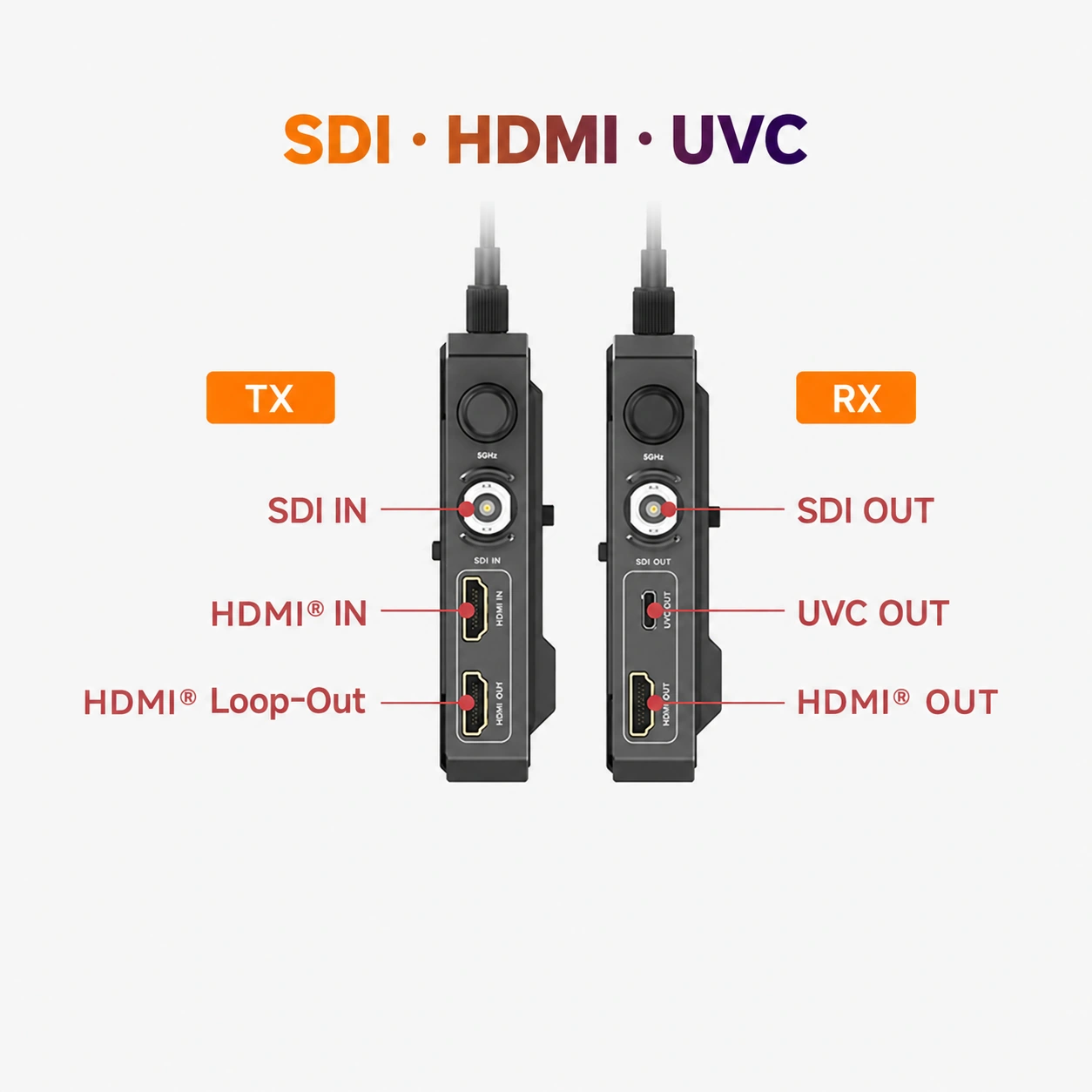
TX accepts SDI and HDMI and provides local HDMI loop-out. HDMI input and local loop support DCI/UHD 4K up to 60p, while wireless transmission and RX output remain Full HD up to 60p. TX accepts 3G-SDI level A/B; RX outputs SDI level A, HDMI and USB-C UVC. The diagram distinguishes the TX inputs on the left from RX outputs on the right. Only TX is included; RX is purchased separately.
Two bands together
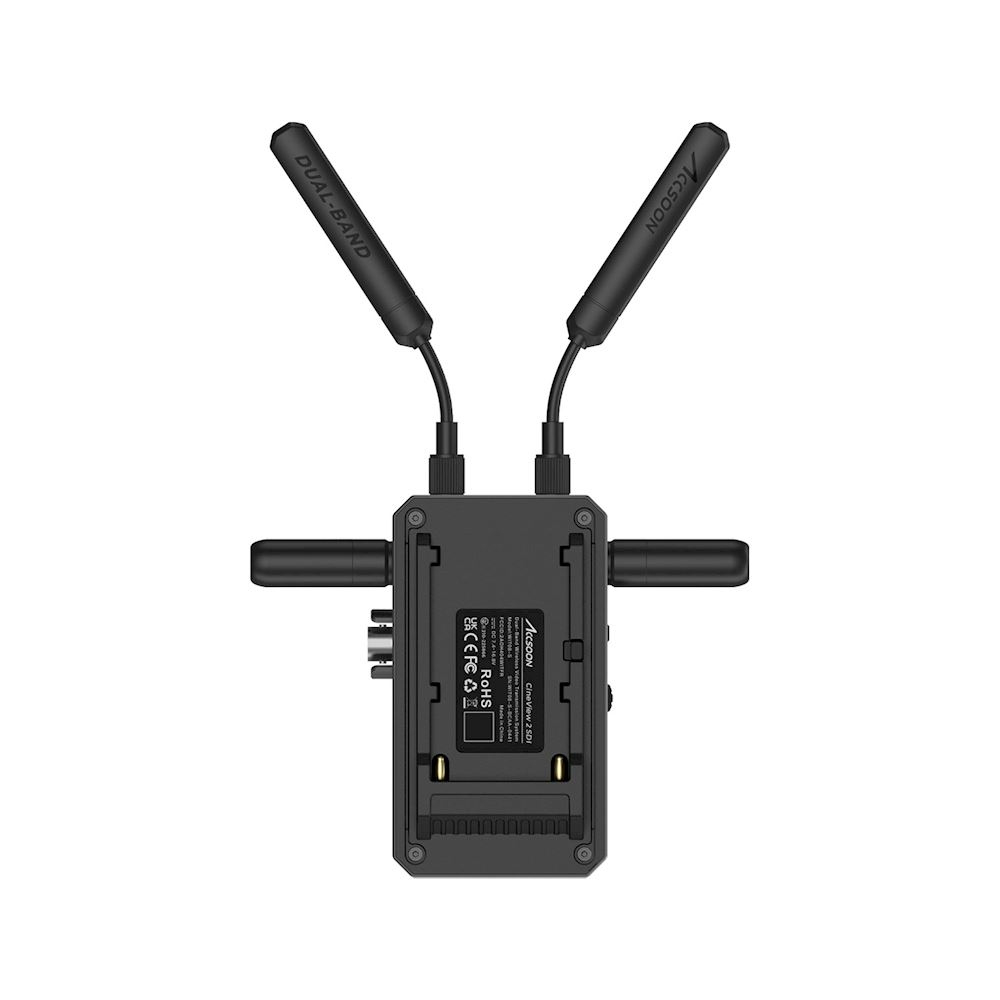
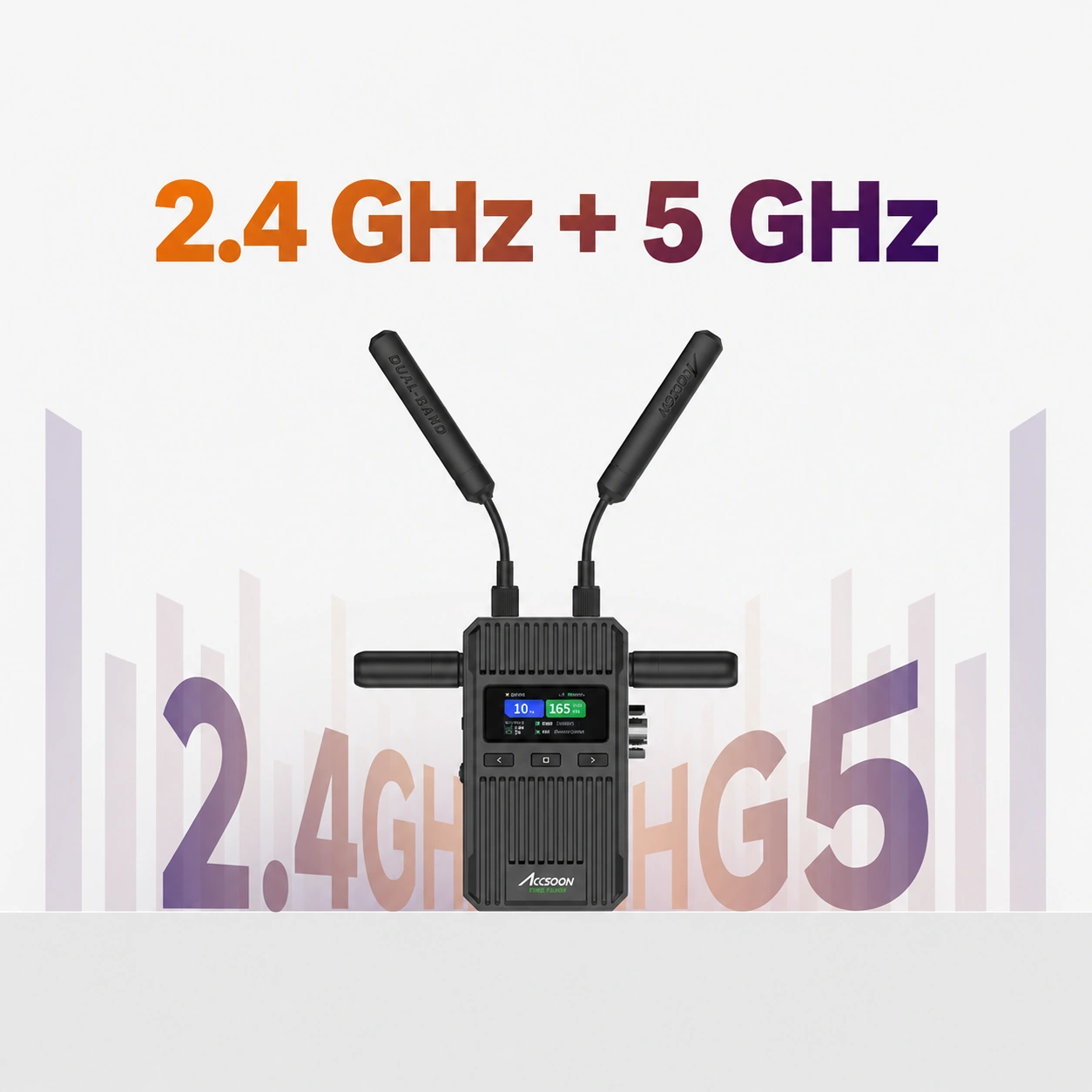
CineView 2 SDI sends the picture simultaneously over 2.4 and 5 GHz. The receiver uses both data streams for a more resilient link. Two longer upper and two shorter side antennas are part of this generation’s new construction. Interference and obstacles remain possible; careful unit placement is still needed for reliable monitoring.
Room for camera movement
The manufacturer specifies range up to 450 m in line of sight without obstacles or interference. System latency is below 50 ms, excluding camera latency. Walls, radio traffic and receiver position can reduce practical range. The illustration shows the rated range rather than a guaranteed link in every environment.
One source, four devices
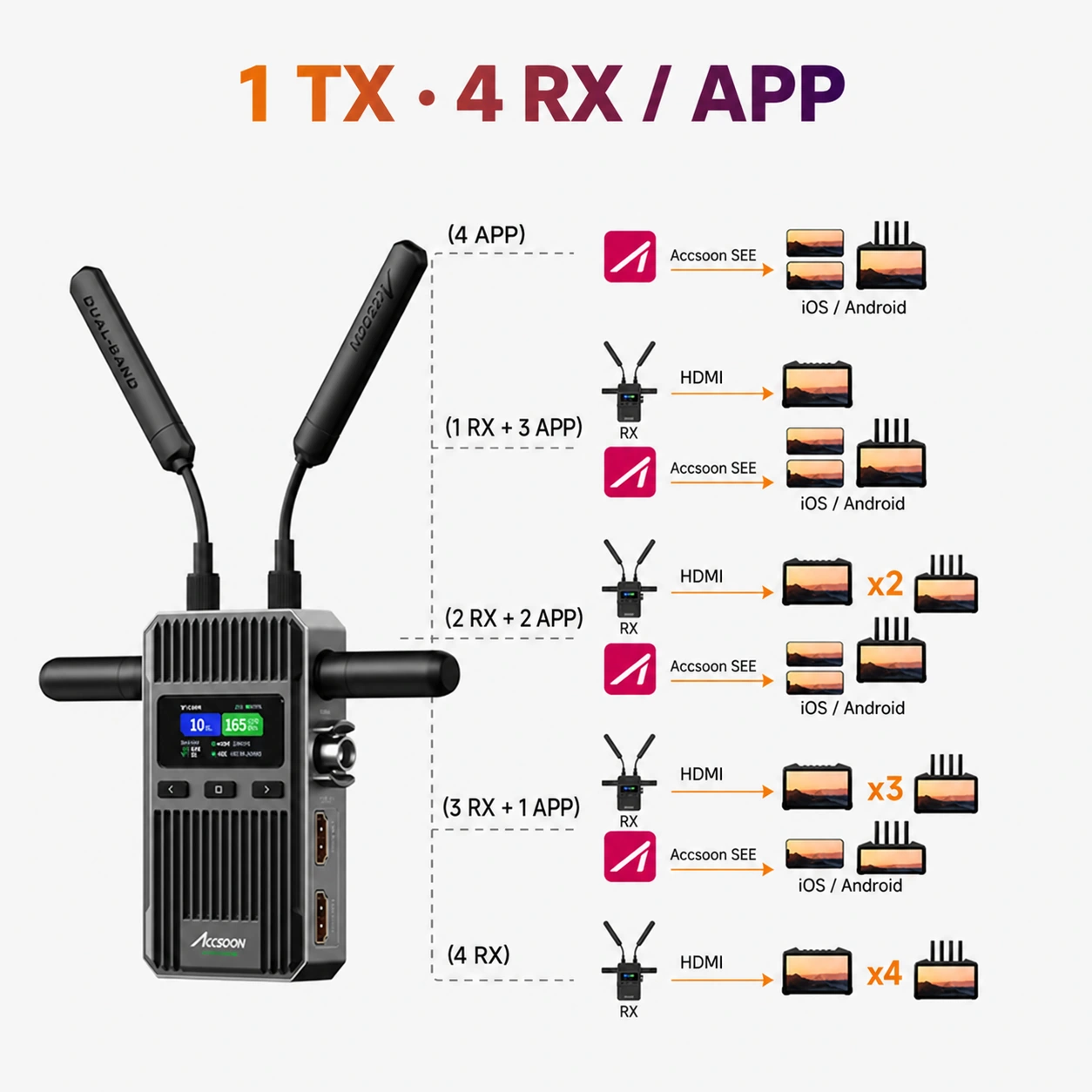
One TX supports up to four wireless receiving devices in total: compatible RX units or phones/tablets with Accsoon SEE. The five diagram rows are alternative combinations, not five simultaneous links. A wired monitor after RX or TX’s local HDMI monitor does not consume another wireless slot. This package contains one transmitter without a hardware receiver.
Extend your CineView system
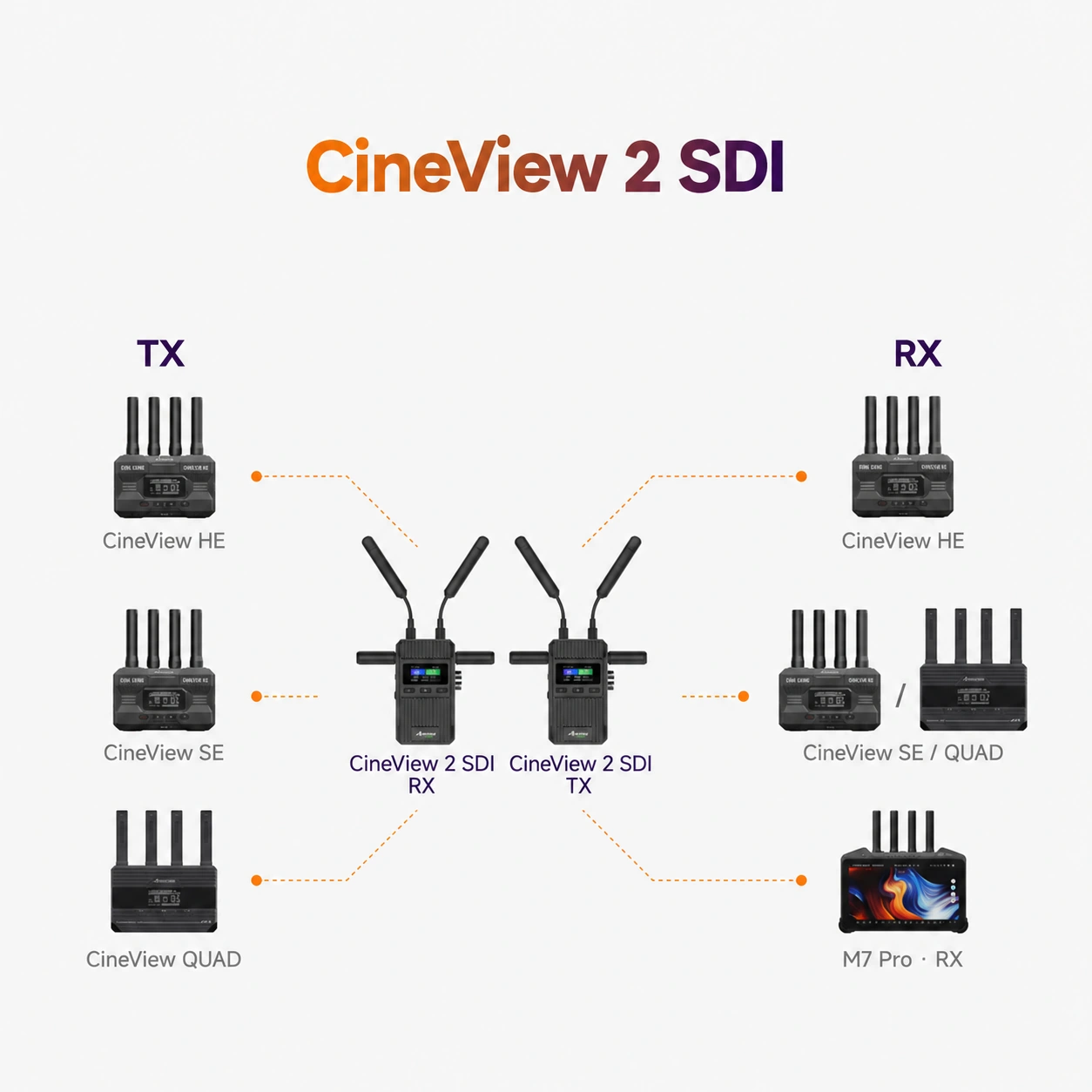
The manufacturer specifies compatibility with CineView SE, HE and Quad. CineView 2 SDI TX can also feed a CineView M7 Pro monitor in RX mode. The diagram illustrates possible transmitter/receiver pairings, not the contents of the package. Check TX/RX roles and a mutually supported video format.
Three power options
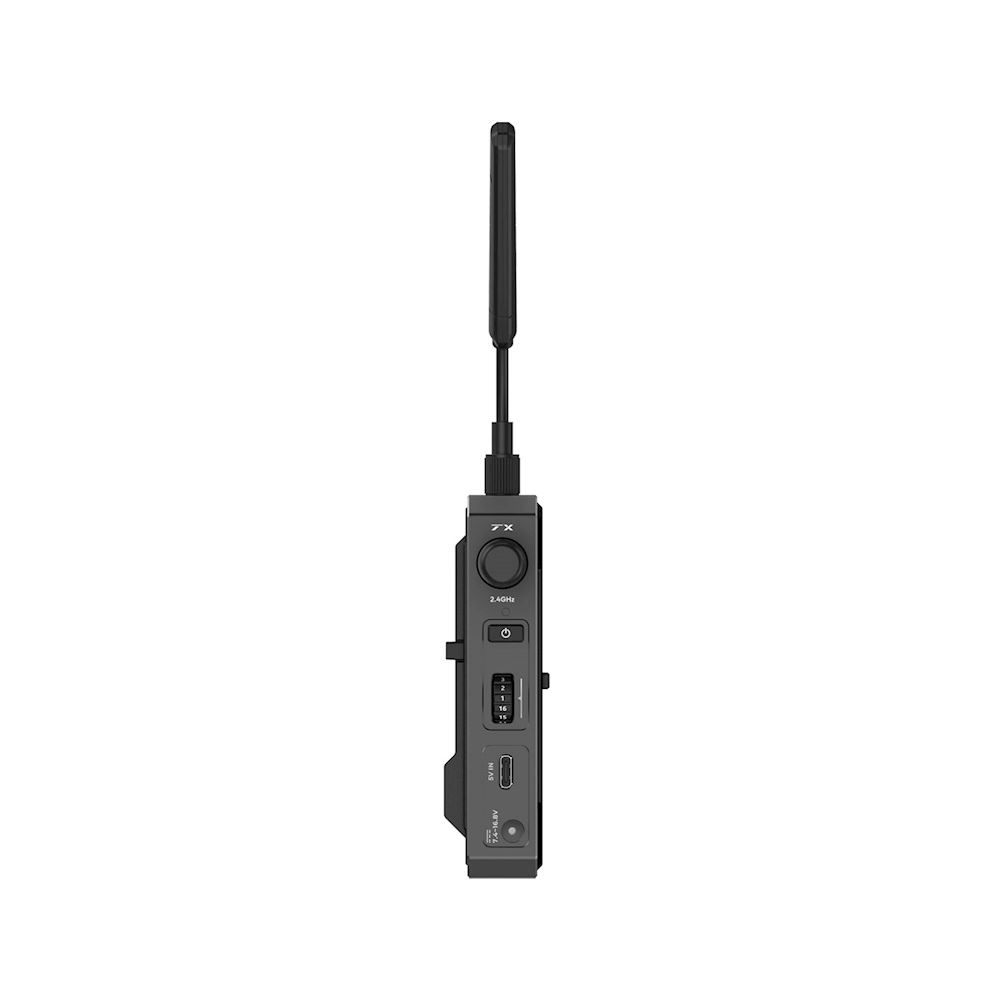
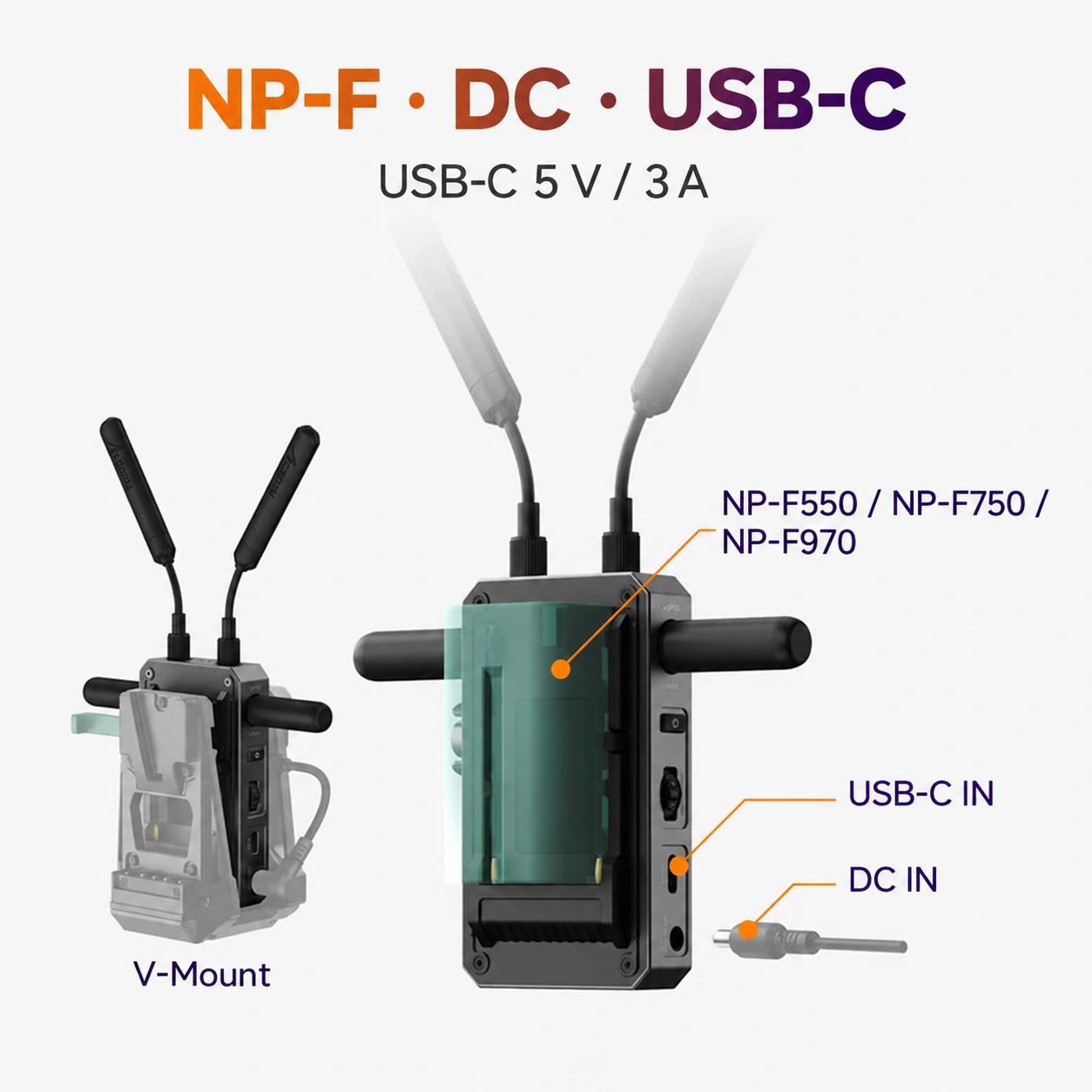
Each unit accepts an NP-F550/750/970 battery, 7.4–16.8 V DC or its separate USB-C power input at 5 V / 3 A according to manual v2.0. The 5.5 × 2.1 mm DC socket is centre positive. TX draws below 6 W and RX below 5 W. The illustrated V-Mount option requires a separate adapter; batteries, supplies and cables are purchased separately.
Link status on the display
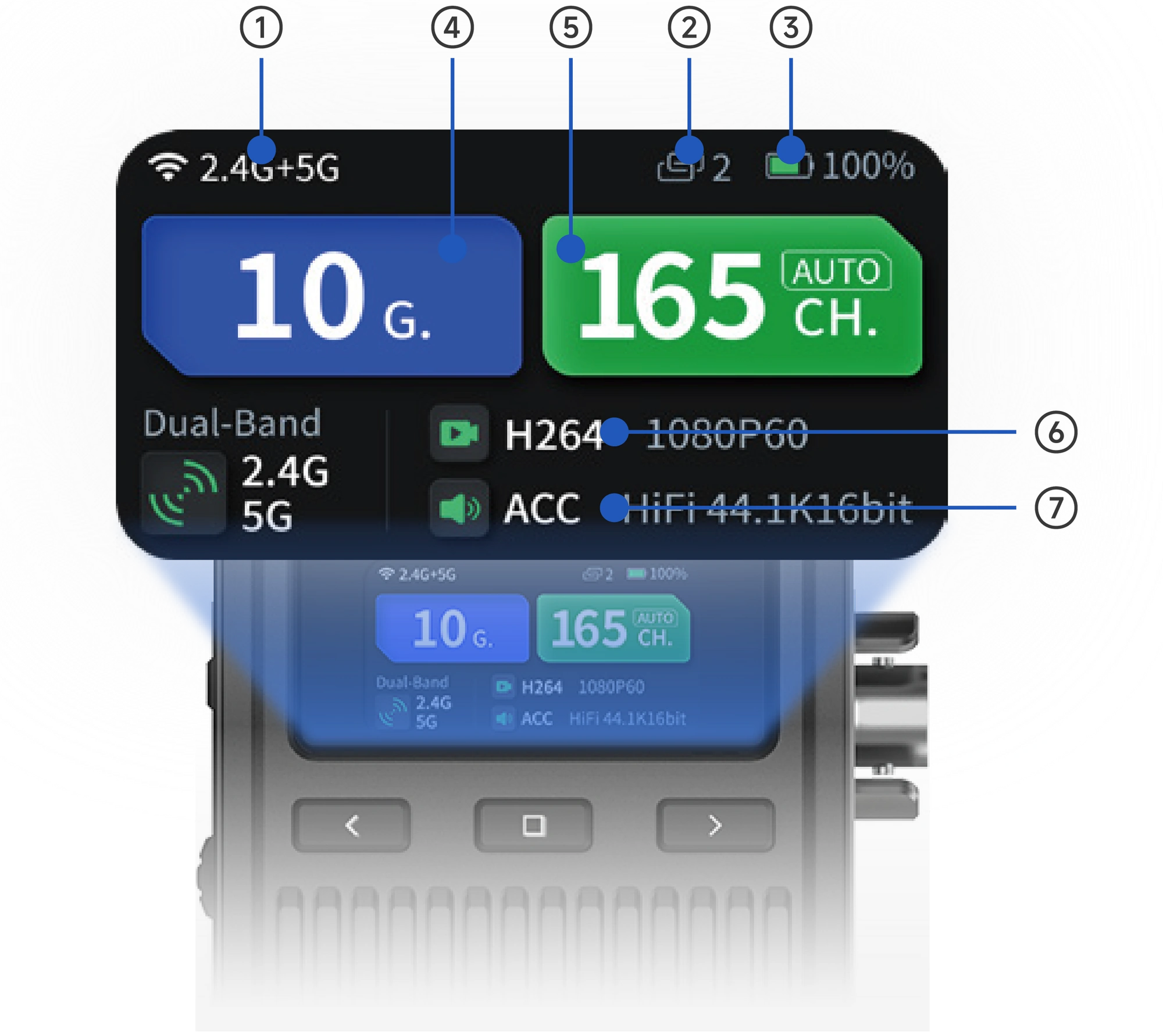
The 1.47″ full-colour LCD shows the numbered diagram’s 1 signal strength, 2 connected-device count, 3 battery level, 4 group, 5 channel, 6 video format and 7 audio. Set matching groups on TX and RX and restart after changing them. At startup, TX in AUTO (A) selects a suitable channel; RX follows the transmitter.
Choose a transmission mode
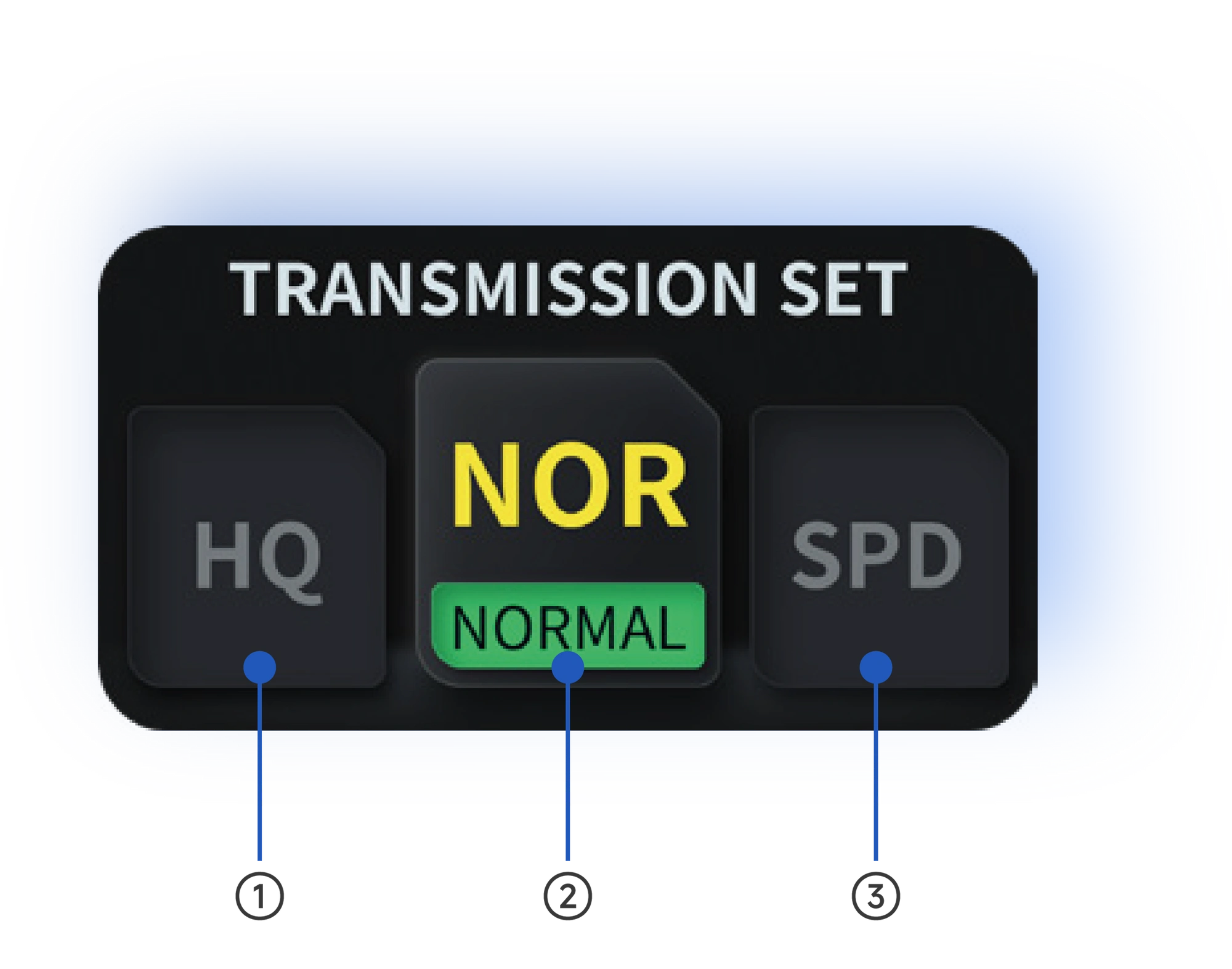
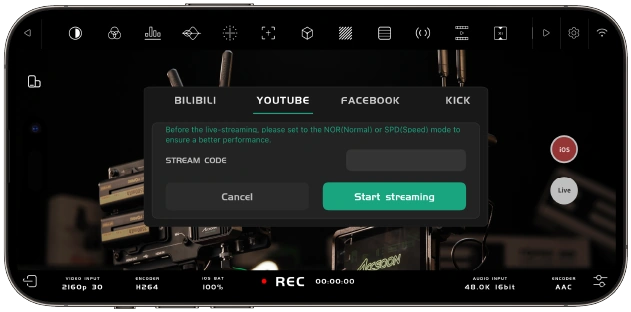
The device menu offers HQ, NOR and SPD. HQ prioritises picture quality, NOR balances performance and SPD prioritises speed. Adjust the mode to the environment and monitoring needs. Follow the manual for mobile-app live streaming; the illustration shows the actual device interface.
Monitor and stream in Accsoon SEE
An iOS or Android phone or tablet receives directly from TX in Accsoon SEE and occupies one wireless slot. The app includes waveform, zebra, false colour, focus tools, LUT preview, recording and overlays. The interface example shows RTMP destination and key entry; streaming requires the mobile device’s own Internet connection and a suitable NOR/SPD setting according to the manual.
Quiet, compact construction
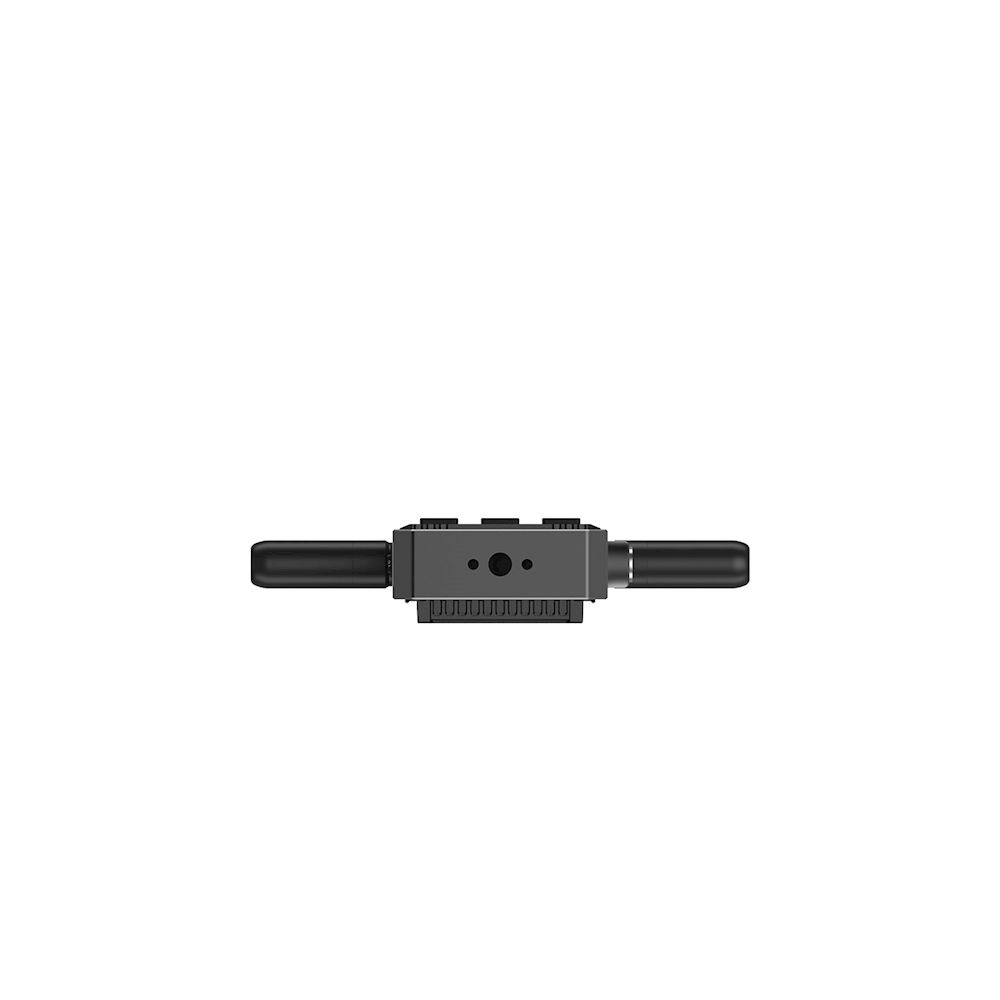
The fanless aluminium housing adds no fan noise. Each unit measures 60 × 27.5 × 106.5 mm and weighs 210 g without antennas. A 1/4″-20 thread with anti-rotation support helps mounting on a camera rig or stand. Operating temperature is −10 to 40 °C; the manufacturer detail illustrates passive cooling construction.
PACKAGE CONTENT
- Transmitter Accsoon CineView 2 SDI TX ×1
- Antennas for the unit ×4
- Cold shoe mount adapter ×1
- User manual / warranty card ×1
SPECIFICATIONS
- Package: 1 TX + 0 RX
- Wireless video: 1920 × 1080, ≤60p; H.264
- Bands: 2.4 GHz + 5 GHz
- Range: Up to 450 m LOS, no obstacles/interference
- Latency: <50 ms; camera excluded
- Receivers: 4 wireless devices total per TX
- Audio: 44.1 / 48 kHz; 16 / 20 / 24 bit
- DC: 7.4–16.8 V; 5.5 × 2.1 mm; socket, centre positive
- USB-C power: 5 V / 3 A
- Battery: NP-F550 / NP-F750 / NP-F970
- LCD: 1.47″; full-colour
- Housing: Fanless aluminium, black
- Mount: 1/4″-20; anti-rotation
- Antennas: 4 per unit: 2 long + 2 short
- RF: 20 dBm; 2.4 / 5 GHz
- Unit dimensions: 60 × 27.5 × 106.5 mm; antennas excluded
- Unit weight: 210 g; antennas excluded
- Temperature: −10–40 °C
- TX inputs: HDMI type A / BNC 3G-SDI level A/B
- TX HDMI input / loop: 4096 × 2160 / 3840 × 2160, ≤60p
- TX SDI: 1080p23.98/24/25/29.97/30/50/59.94/60; 1080i50/59.94/60; 720p50/59.94/60
- TX output: HDMI loop-out
- TX power: <6 W
WE RECOMMEND
The Accsoon CineView 2 SDI TX is an advanced dual-band wireless video transmitter with SDI/HDMI inputs that requires a stable NP-F power supply and offers flexible mounting options. The accessories listed below include essential power systems, mounting adapters, and accessories for monitoring on mobile devices that fully leverage the Accsoon ecosystem.
Power and Batteries - The transmitter is equipped with a slot for NP-F series batteries, so fast chargers and power adapters are essential for continuous operation.
Mounting and Installation - These adapters and heads allow for secure and flexible attachment of the transmitter to camera cages, gimbals, or tripods.
- Accsoon Adapter for Monitor
- Accsoon V-Lock Adapter
- Accsoon Adapter for Gimbal
- Accsoon TopRig Ball Head
Monitoring Accessories - Since the CineView 2 TX allows video transmission to iOS/Android devices, these cages and mounts are ideal for creating a viewfinder monitor.
- Accsoon iPad Powercage Pro II
- Accsoon Phone Clamp
- Accsoon iPad Powercage II
- Accsoon iPad Powercage mini
Cabling and Transport - High-quality connections to the camera and safe transport of wireless equipment are essential for professional use.
Parameters
| Manufacturer: | Accsoon |
| Category: | Wireless video transmission |
Main parameters
| Frequency band | 2.4 GHz · 5 GHz |
| Power supply | NP-F550 · NP-F750 · NP-F970 · DC · USB-C |
| Material | Aluminium alloy |
| Colour | Black |
| Mounting interface | 1/4″-20 |
| Functions | HDMI loop-out · Fanless cooling · Automatic channel selection · Group dial pairing |
| DC power connector | 5.5 × 2.1 mm socket, centre positive |
| Audio sampling frequency | 44.1 kHz · 48 kHz |
| Audio bit depth | 16-bit · 24-bit |
| Input connector | HDMI type A – female · BNC – female |
| Output connector | HDMI type A – female |
| 3G-SDI input level | A · B |
| Status Display Type | Colour LCD |
| Compatible Wireless System | CineView 2 SDI · CineView SE · CineView HE · CineView Quad · CineView M7 Pro |
| Audio bit depth | 20 bit |
| Video codec | H.264 |
| Colour LCD diagonal | 1.47″ |
| Line-of-sight range | 450m |
| Unit dimensions without antennas | 60x27.5x106.5mm |
| Weight per unit | 210g |
| Transmitters in package | 1 |
| Maximum receiving devices | 4 |
| Maximum transmission resolution | 1920x1080px |
| Maximum frame rate | 60fps |
| DC input voltage range | 7.4x16.8V |
| USB-C supply voltage | 5V |
| Minimum USB-C source current | 3A |
| Operating temperature | -10x40°C |
| Transmission power | 20dBm |
| Maximum transmitter power consumption | 6W |
| Maximum HDMI Input Resolution | 4096x2160px |
| Maximum HDMI Input Frame Rate | 60fps |
| Number of antennas per unit | 4 |
| Latency | <50 ms |
| Input | SDI · HDMI |
| Output | HDMI |
ACCESSORIES (14)
ACCESSORIES (14)
PremiumCord 4K HDMI 2.0b High Speed + Ethernet cable, gold-plated connectors, 1 m
High-quality interconnect cable for connecting two audio/video devices via modern
3.2 €
In stock 2 pcs
Tilta NP-F970 Battery (10500mAh) - Green
The Tilta NP-F970 replaces NP-F series cells, the batteries that power on-camera
47 €
In stock > 5 pcs
Infinitek L-2.5CHWS 1.5m FLEX 3G/HD-SDI cable BNC-BNC
Assembled SDI cable, Infinitek L-2.5CHWS, 1.5 m long, terminated with BNC (M) and
15 €
In stock 5 pcs
PremiumCord USB-C angled 90° cable (USB 3.2 GEN 2x2, 5A, 100W, 20Gbit/s) aluminum caps, cotton braid, 1m
PremiumCord USB-C 90° Angled Cable (USB 3.2 Gen 2x2, 5A, 100W, 20Gbit/s) with aluminum
11 €
In stock 3 pcs
Tilta Battery Charger for L-Series/NP-F (2 Channel) - Green
A flat two-channel Tilta charger for Sony L-Series / NP-F batteries and compatible
18 €
In stock 5 pcs
Tilta NP-F550 Battery (3500mAh) - Green
The Tilta NP-F550 replaces NP-F series cells, the batteries that power on-camera
23 €
In stock 2 pcs
PremiumCord Slim HDMI 2.0 High Speed + Ethernet Cable, Gold-Plated, 0.5 m
PremiumCord Slim HDMI High Speed + Ethernet cable, gold-plated connectors, 0.5m
5 €
on request
Accsoon TopRig 100W 4-Bay NP-F Fast Charger + EU G
The Accsoon TopRig NP-F (ACC-BC-01EU) is a four-bay charger for NP-F550, NP-F750,
108 €
To be sent 2 pcs
Canare L-2.5CHWS BNC / BNC 0,4 m, GRY
Assembled SDI cable, Canare L-2.5CHWS, 0.4 m long, terminated with BNC and BNC c
13 €
In stock 1 pcs
Accsoon Right Angle SDI to Right Angle SDI cable - 80 cm
Accsoon ACC-XC-BNC-SDI-80-BLACK is a black 80cm SDI video cable with right-angle
12 €
> 5 pcs in stock at the supplier
Accsoon HDMI Cable (A-A)
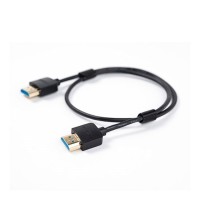
Accsoon HDMI Cable (A-A) is a 50 cm male-to-male cable connecting cameras, external
12 €
on request
Accsoon D-Tap - to DC Cable
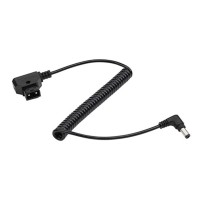
Accsoon ACC-XC-DTAP-DC is a coiled D-Tap to 5.5 × 2.1 mm DC power cable for compatible
23 €
on request
Accsoon V-Lock Adapter
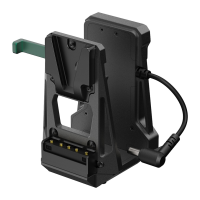
Accsoon V-Lock Adapter ACC-ACC32 connects a CineView Master 4K or CineView 2 SDI
144 €
on request
Accsoon Multi-Directional Cold Shoe Adapter
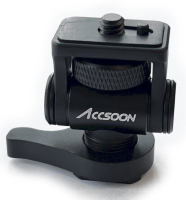
Accsoon Multi-Directional Cold Shoe Adapter ACC-AA-01 mounts a monitor, wireless
12 €
> 5 pcs in stock at the supplier
Alternative (2)
Alternative (2)
Accsoon CineView 2 SDI set
Accsoon CineView 2 SDI 1TX + 1RX is a wireless monitoring kit for camera crews, directors
599 €
on request
Accsoon CineView 2 SDI RX only
Accsoon CineView 2 SDI RX is a standalone wireless receiver for camera crews, directors
301 €
2 pcs in stock at the supplier

News, training, and discounts from Syntex
Special offers and discounts for subscribers only · Free audio & video workshops · News and tips from the world of filmmaking
- Show all
Accsoon CineView 2 SDI TX only
Accsoon CineView 2 SDI TX is a standalone wireless transmitter for camera crews,301 €1 pcs in stock at the supplier
Accsoon Cineview SE - WIT04-SE
Accsoon CineView SE 1TX + 1RX is a wireless monitoring system for SDI and HDMI camera519 €> 5 pcs in stock at the supplier