
 CZ
 SK
 HU
 AT
 DE
 ES
 SI
 HR

Nothing in the basket.

- Search
-
Login

-
0
Comparison
Add products to compare, then they will appear here and you can compare parameters.
-
0
0 €
Wireless lavalier mic: Saramonic, Hollyland Lark M2, RØDE or DJI?
Saramonic Ultra and Air, Hollyland Lark M2, RØDE Wireless GO, DJI Mic: range, battery, 32 bit float, timecode.
Anyone who films interviews, vlogs or reports soon learns that a picture can be rescued in post, but bad sound cannot. A wireless kit with two transmitters and one receiver is therefore one of the most sensible purchases you can make. Our main recommendation is the Saramonic Ultra 03 with two lavalier mics: internal 32 bit float backup, timecode, a charging case and lavs, all in one box.
None of the brands here makes a weak kit; they simply have different priorities. So for Hollyland, RØDE and DJI we also say where they lead, and who is then better served by them than by Saramonic.
 1 / 8
What really matters
The 250–400 m range in the spec sheet applies to open ground. In a flat, at a wedding or in a crowded trade-show hall, what matters is a stable link over a few metres through obstacles.
Other questions matter more. Internal recording in the transmitter saves you when the wireless link drops. 32 bit float lets you even out a shout and a whisper in post without clipping. Timecode pays off for anyone cutting footage from two cameras. Then the practical points: how many hours a transmitter lasts, whether a charging case is included, how the receiver connects to a phone and camera, and whether you can plug in a lavalier mic hidden under clothing.
 2 / 8
Saramonic Ultra 03: the premium pick
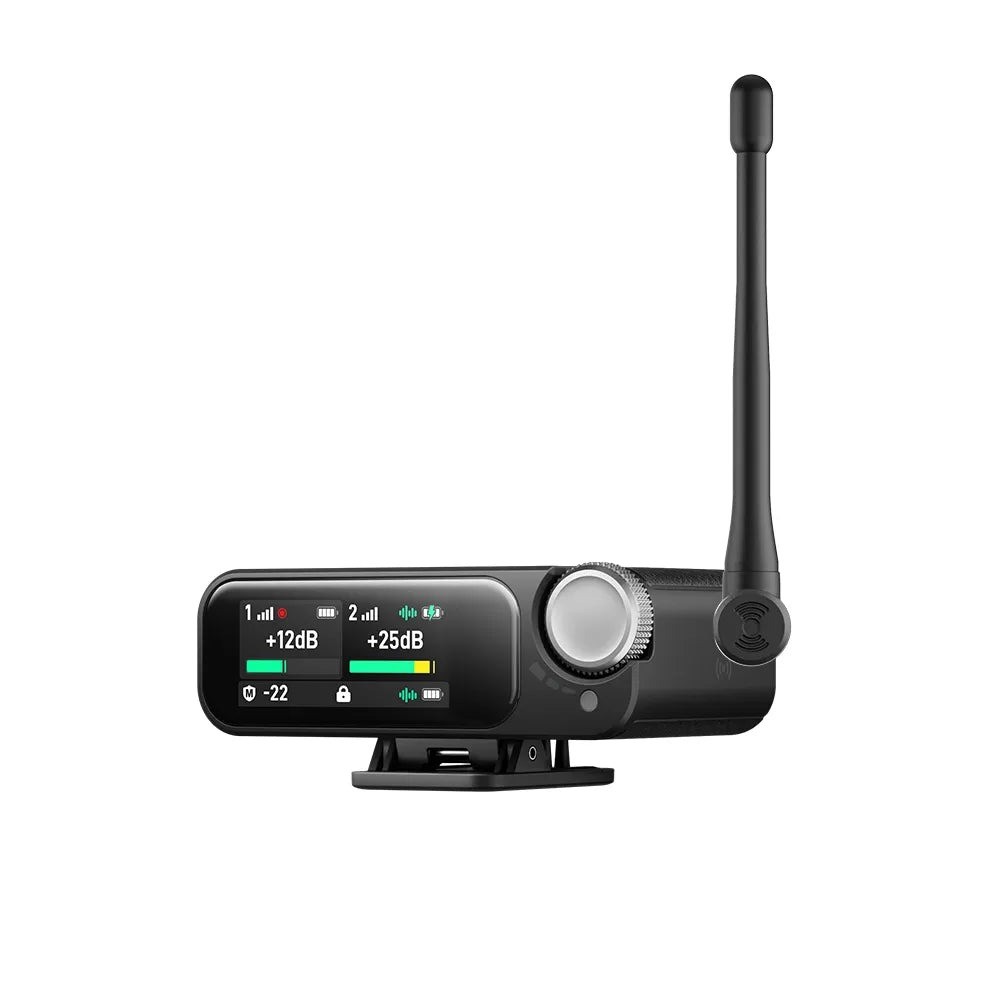
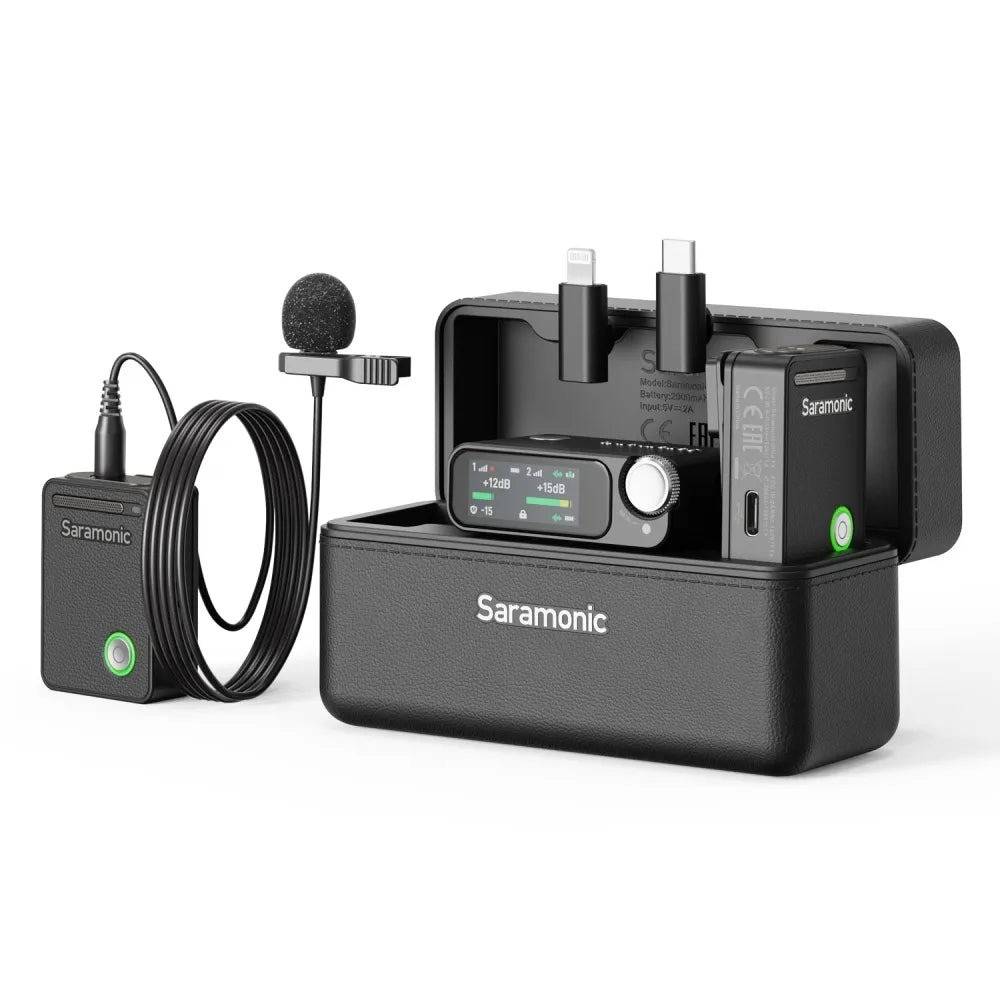
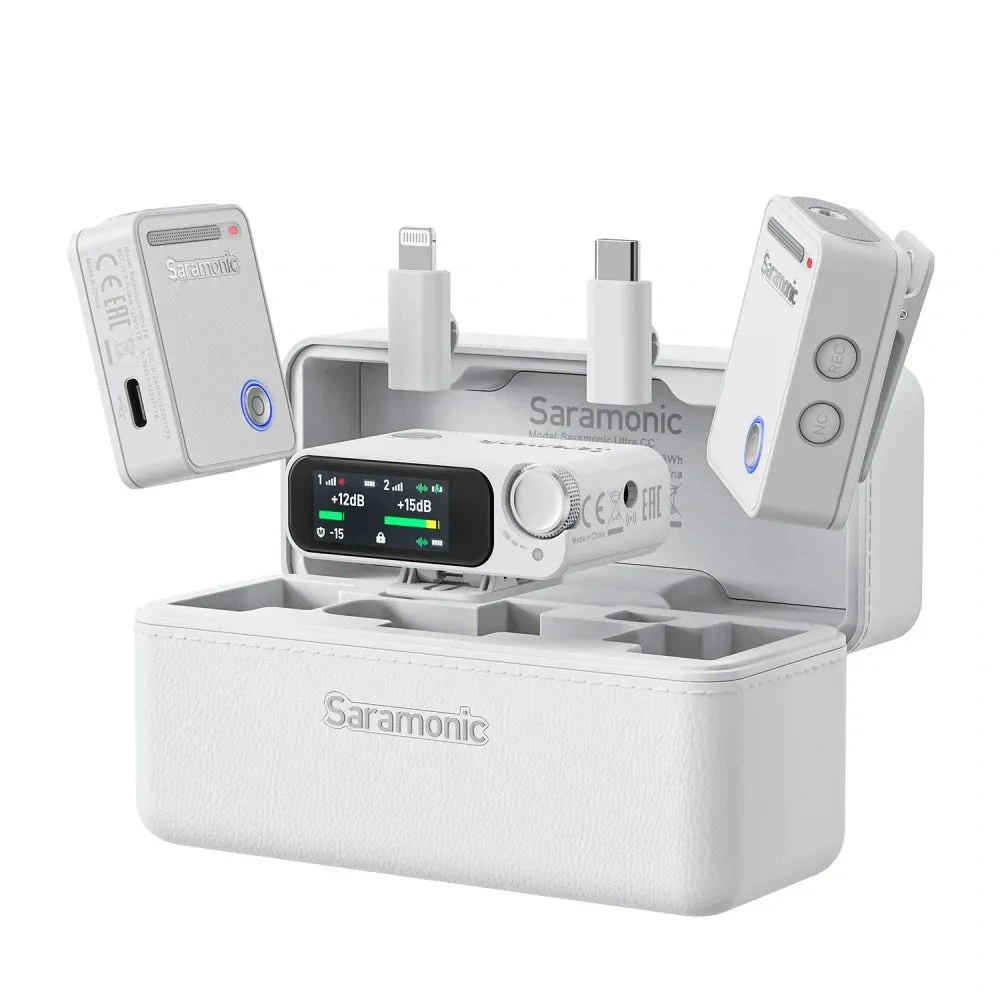
The Saramonic Ultra 03 is for anyone who films for clients and cannot afford surprises on set. Each transmitter records a backup to its own 8 GB memory, in 32 bit float when internal recording is on, and writes timecode. The receiver has an AMOLED touchscreen with a rotary dial, so you can set gain and noise reduction without a phone.
The box includes two lavalier mics with 3.5 mm plugs, a 2,900 mAh charging case, USB-C and Lightning adapters and a camera cable. Without lavs, the Saramonic Ultra 02 in white has the same technology. Both kits are in stock at the time of writing and sit at a lower price level than the RØDE Wireless PRO and DJI Mic 3.
 3 / 8
Ultra in practice: noise, rain, two cameras
Typical case: an interview in a noisy café, or a presenter trackside at a race. The maker says the Ultra handles up to 130 dB SPL without clipping in low-gain mode, ClearVoice noise reduction has three levels in the app, plus automatic gain, Vocal Boost and a 150 Hz low-cut. The transmitters are rated IPX5, so a shower cannot stop the shoot.
On stage with two speakers, the stereo mode gives each their own channel, or you can use a safety track 6 dB quieter. A detachable antenna extends the range from 250 to 300 m.
Note: a transmitter lasts 6 hours per charge, less than its rivals. The case covers a full shooting day, taking the kit to 24 hours. Timecode supports frame rates up to 30 fps.
 4 / 8
Saramonic Air: the affordable phone option
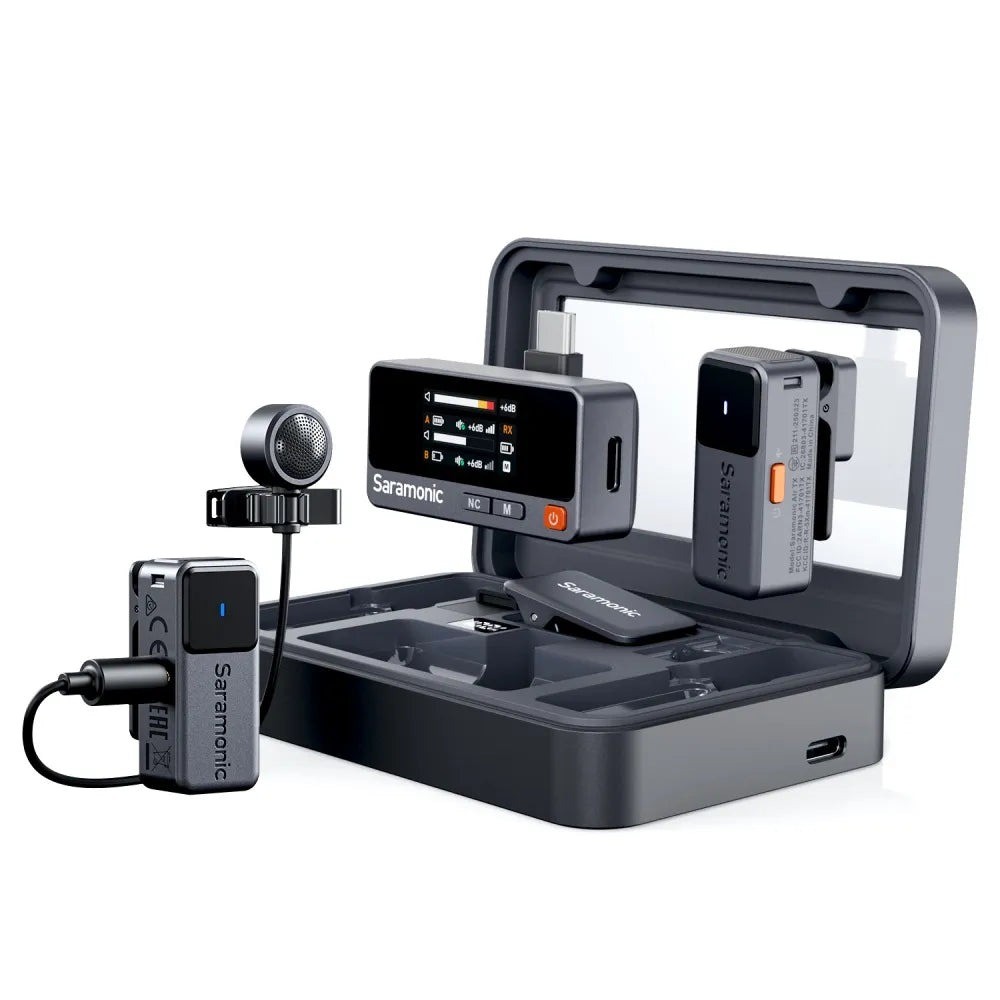
For a travel vlog, reels or a phone interview, you need neither timecode nor internal recording. That is where the Saramonic Air 01 makes sense: the transmitter weighs 11 g, the receiver has a colour display, range is up to 300 m and with the case the kit runs for up to 48 hours (receiver display off). Noise reduction has two levels, plus a limiter, a −6 dB safety track and EQ presets. The transmitter also has an input for an optional lavalier mic.
The Saramonic Air 02 adds two lavalier mics straight away, with a 9.7 mm capsule and a diaphragm about 1.5× larger than typical miniatures. Note: a USB-C adapter is included; the Lightning adapter for older iPhones is optional.
 5 / 8
Hollyland Lark M2 and M2S
The Hollyland Lark M2 Combo is popular for its size and kit. The round transmitter weighs about 9 g, attaches by magnet or a silicone necklace and lasts around 10 hours, up to 40 hours with the case. The Combo comes with three receivers – camera, USB-C and Lightning – so switching between an older iPhone and a camera needs nothing extra. Here it is more practical than the Saramonic Air.
The Hollyland Lark M2S goes further still: a logo-free transmitter of about 7 g with a titanium clip, ideal for weddings and interviews where the kit should stay out of sight.
Hollyland does not list internal recording, 32 bit float or timecode for these models. For a backup against signal dropouts, choose the Saramonic Ultra.
 6 / 8
RØDE Wireless GO Gen 3 and Wireless PRO
RØDE is the safe choice for anyone already working in the Series IV ecosystem, for example with a RØDECaster. The RØDE Wireless GO Gen 3 records a 32 bit float backup in each transmitter with over 40 hours of capacity, and has a locking 3.5 mm lav input, GainAssist and both analogue and USB-C outputs. It has no timecode, though, and the Charge Case+ is sold separately. Battery life is up to 7 hours, range up to 260 m.
The RØDE Wireless PRO adds timecode, 32 GB of memory, a charging case and two Lavalier II mics. It is a mature professional system with excellent support. The Saramonic Ultra 03 offers comparable features – 32 bit float, timecode, case and lavs – at a lower price level.
 7 / 8
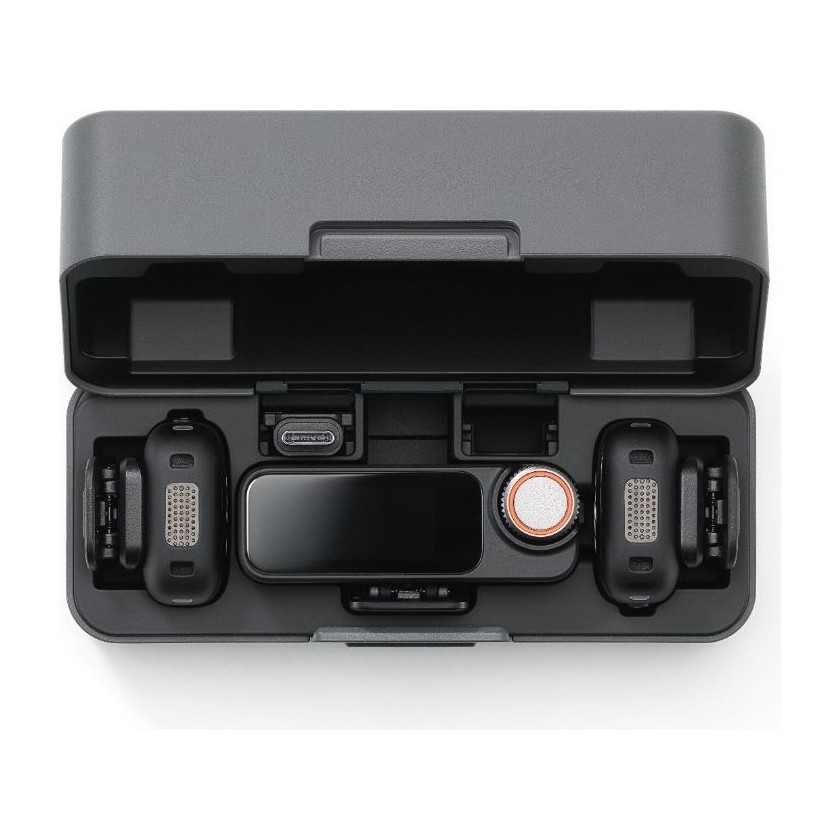
DJI Mic Mini 2 and DJI Mic 3
The DJI Mic Mini 2 suits creators wanting the smallest possible kit: a transmitter of about 11 g, range up to 400 m, about 11.5 hours per transmitter and up to 48 hours for the whole set with the case. Coloured magnetic covers and a direct link to Osmo cameras via DJI OsmoAudio will appeal most to those already shooting on DJI. The maker lists neither internal recording nor timecode.
The DJI Mic 3 is the most advanced technically: 32 bit float to transmitter memory, timecode at frame rates up to 60 fps, dual 2.4 and 5 GHz bands and up to four transmitters per receiver. No lavalier mics in the box, though; for two speakers with lavs, the Ultra 03 is the more complete package.
 8 / 8
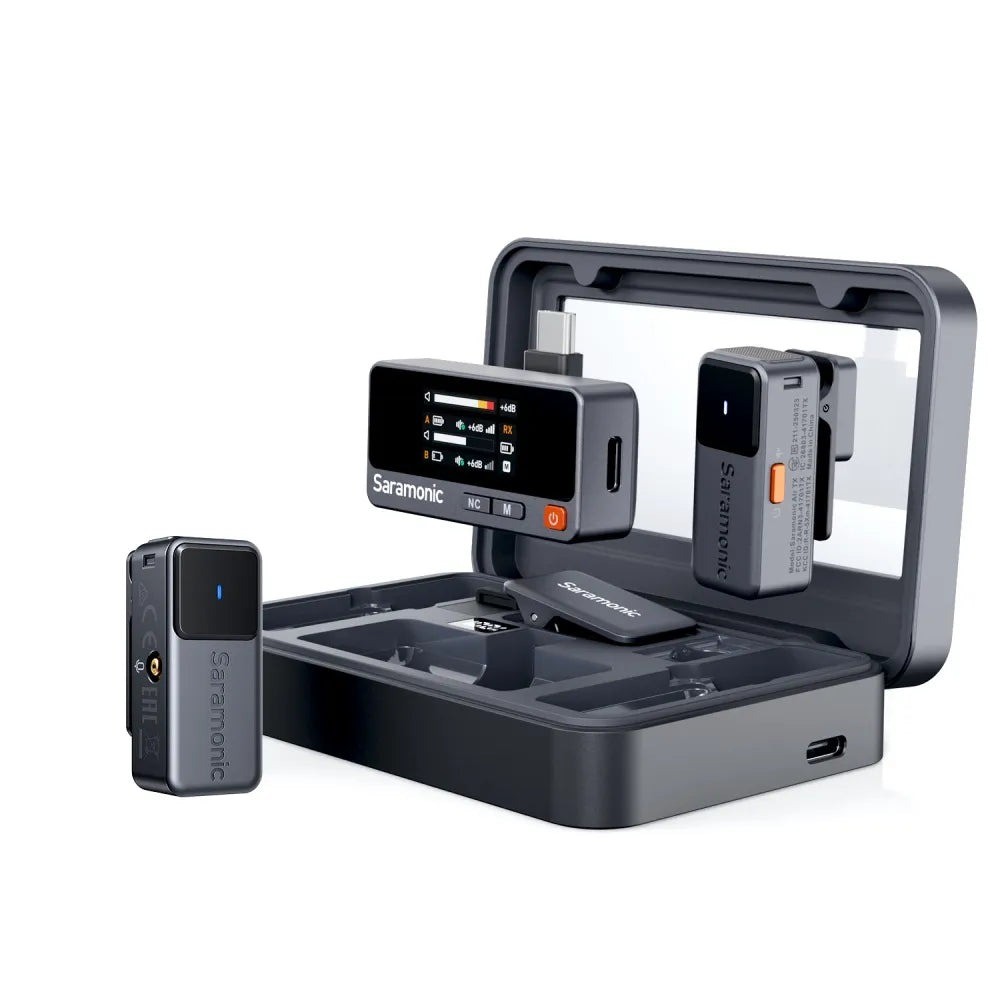
Which to buy, and for whom
Weddings, corporate video, documentaries and two cameras: Saramonic Ultra 03. A 32 bit float backup, timecode and lavs in the box cover most situations where nothing can go wrong.
Vlogs, social media and phone interviews: Saramonic Air 01, or Air 02 with lavs. Ample range, long battery life and a friendly price level.
The smallest transmitter and an iPhone with Lightning: Hollyland Lark M2 or M2S.
The RØDE and RØDECaster ecosystem: Wireless GO Gen 3 or Wireless PRO.
Three or more speakers, or DJI Osmo cameras: DJI Mic 3, or the Mic Mini 2.
A final tip: whatever you buy, turn the camera's gain down as low as possible and set the level on the receiver – you will avoid noise from the camera's preamp.
Who it makes sense for
For most two-person shoots we recommend the Saramonic Ultra 03: 32 bit float backup, timecode, a charging case and two lavalier mics in one kit. If you film mainly on a phone, the Saramonic Air 01 will do the job. Hollyland leads on the smallest transmitters, RØDE on the Series IV ecosystem and the DJI Mic 3 on transmitters per receiver.
What we like about the design: The Saramonic Ultra 03 combines internal 32 bit float backup, timecode, IPX5 rating, a charging case and two lavalier mics in one kit.
What to bear in mind: An Ultra transmitter lasts 6 hours per charge, less than its rivals, and it is larger and heavier than the smallest Hollyland and DJI transmitters.
View Saramonic Ultra 03 Black + 2 Lavalier Microphones — current price and availability →
Syntex.
Syntex editorial team. This comparison is based on technical data and documentation from Saramonic, Hollyland, RØDE and DJI and on Syntex product information; we did not test the products ourselves for this article. Range and battery figures are manufacturer claims for ideal conditions. Photos are manufacturers' product images.
Date: 05. 11. 2026,
Category: Reviews
Related products
RODE Wireless PRO - Compact Wireless Microphone System

RODE Wireless PRO - Compact Wireless Microphone System – originální produkt RØDE
263 €
In stock > 5 pcs
Hollyland Lark M2 Combo (Shine Charcoal)

Hollyland LARK M2 Combo in Shine Charcoal is a universal two-channel kit for cameras,
115 €
In stock 5 pcs
Hollyland LARK M2S Wireless Lavalier Microphone Combo Space Grey

Hollyland LARK M2S Combo Space Gray is a dual-channel wireless kit for phones, computers
123 €
In stock > 5 pcs
RODE Wireless GO Gen 3 Black

Third-generation dual-channel Wireless GO system in black with 32-bit float on-board
156 €
In stock 2 pcs
Saramonic Air 01
Promotion: -39% ends in: 5d: 09h: 03m
The Saramonic Air 01 is a pocket-sized two-channel wireless microphone system for
79 €
130.08 €
In stock > 5 pcs
Saramonic Ultra 03 Black + 2 Lavalier Microphones
Promotion: -20% ends in: 5d: 08h: 43m
The Saramonic Ultra 03 is a professional two-channel wireless microphone system with
192.52 €
241.03 €
In stock > 5 pcs
Saramonic Air 02
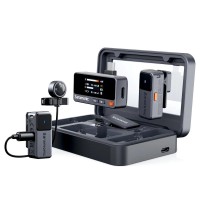
Promotion: -42% ends in: 5d: 08h: 43m
The Saramonic Air 02 is a pocket-sized two-channel wireless microphone system for
87 €
150.24 €
In stock > 5 pcs
DJI Mic 3 (2 TX + 1 RX + Charging Case)
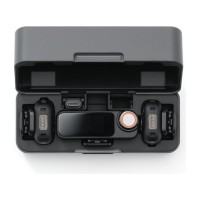
DJI Mic 3 is an advanced compact wireless microphone that supports magnetic and clip-on
276 €
Backordered > 5 pcs
Saramonic Ultra 02 White
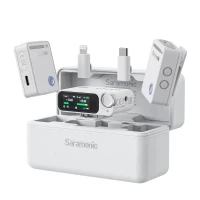
Promotion: -17% ends in: 5d: 09h: 08m
The Saramonic Ultra 02 is a professional two-channel digital wireless microphone
183 €
221.67 €
In stock 3 pcs
DJI Mic Mini 2 (2 TX + 1 RX + Charging Case)
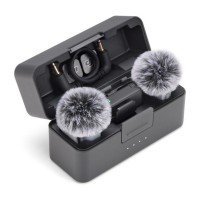
A compact wireless mic system with two transmitters and a receiver, ideal for two-person
103 €
In stock > 5 pcs