
 CZ
CZ SK
SK HU
HU AT
AT DE
DE ES
ES SI
SI HR
HR
Nothing in the basket.

- Search
-
Login

-
0
Comparison
Add products to compare, then they will appear here and you can compare parameters.
-
0
0 €
Sony XLR-A4
SKU: XLRA4.CE7
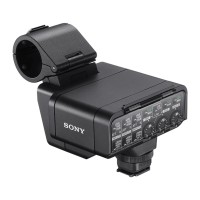
XLR Adapter for α™ Cameras with 96 kHz / 32-bit floating-point recording – connect XLR microphones to your α camera and capture high-quality audio within the Sony ecosystem using 96 kHz / 32-bit floating-point recording that handles everything from whispers to sudden loud noises, reducing the need for gain adjustments and maximizing post-production flexib…
919 € with VAT
759.5 € without VAT
Personal pickup: Tomorrow from 09:00
Shipment day: Tomorrow
Shipment day: Tomorrow
In stock 1 pcs
Praha 1 pcs
Praha 1 pcs
Top accessories for Sony XLR-A4
Sony UWP-D27 K33
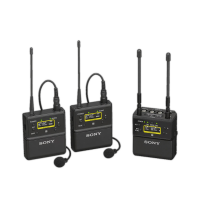
Promotion: -19%
Sony UWP-D27 wireless kit in the K33 band (566.025–630.000 MHz) for two speakers:
1 490.88 €
1 833.15 €
To be sent 1 pcs
Sony VMC-SA1
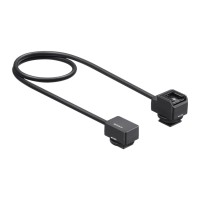
The Sony VMC-SA1 Shoe Audio Extension Cable connects the camera's Multi Interface
168 €
In stock > 5 pcs
Sony UWP-D26 K33
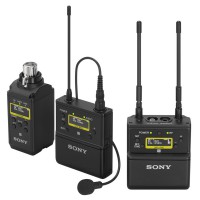
Sony UWP-D26 wireless kit in the K33 band (566.025–630.000 MHz) with two transmitters:
1 039 €
In stock 2 pcs
Sony UWP-D22 K33
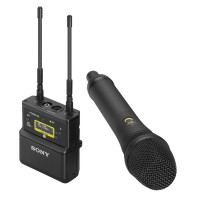
Sony UWP-D22 wireless kit in the K33 band (566.025–630.000 MHz): the UTX-M40 handheld
769 €
To be sent 1 pcs
Sony ECM-678
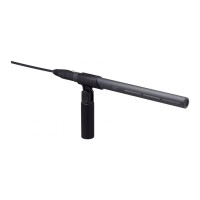
The Sony ECM-678 is an electret condenser shotgun microphone with a supercardioid
1 189 €
To be sent 1 pcs
Product description
SPECIFICATIONS
PACKAGE CONTENT
Product description
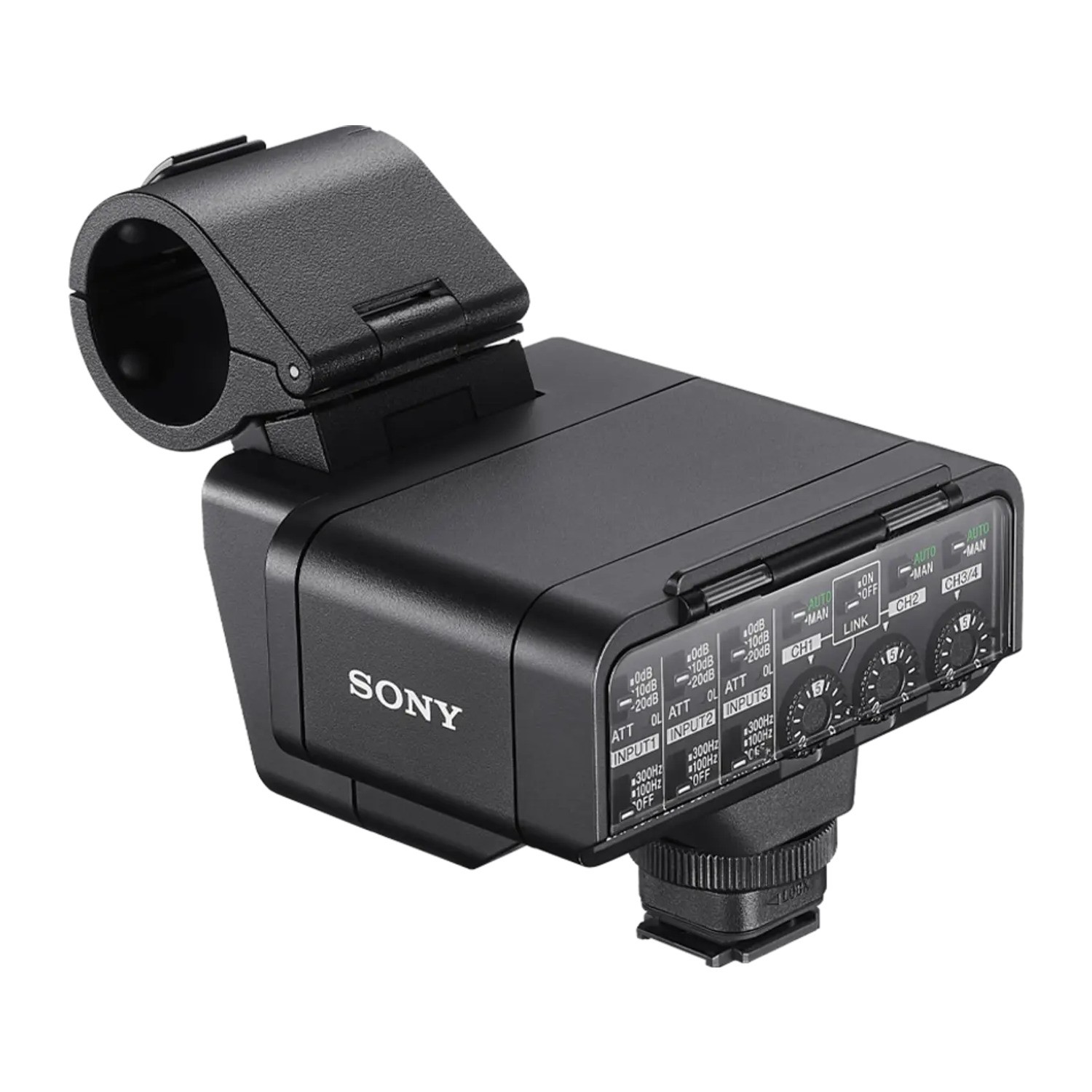
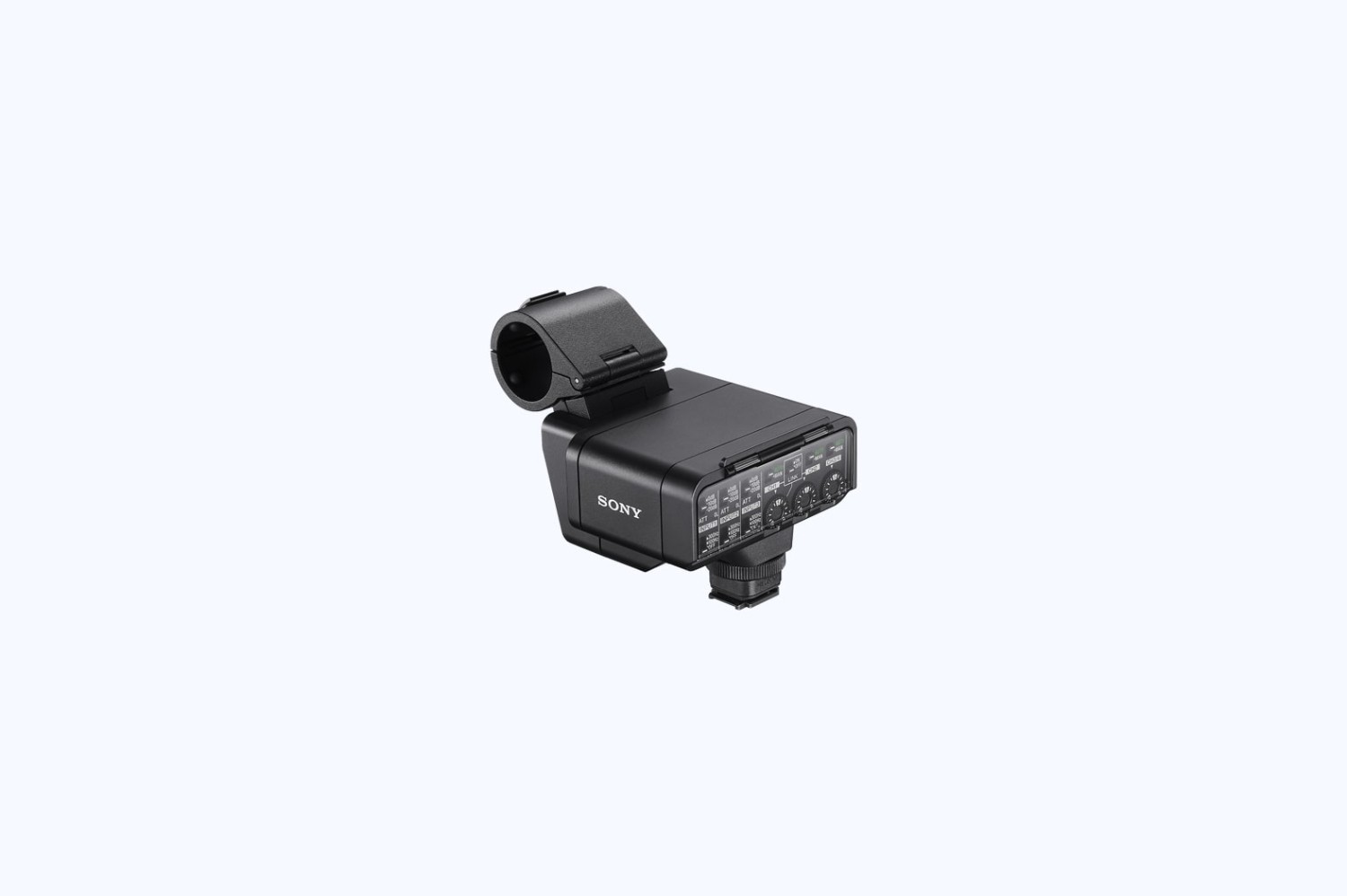
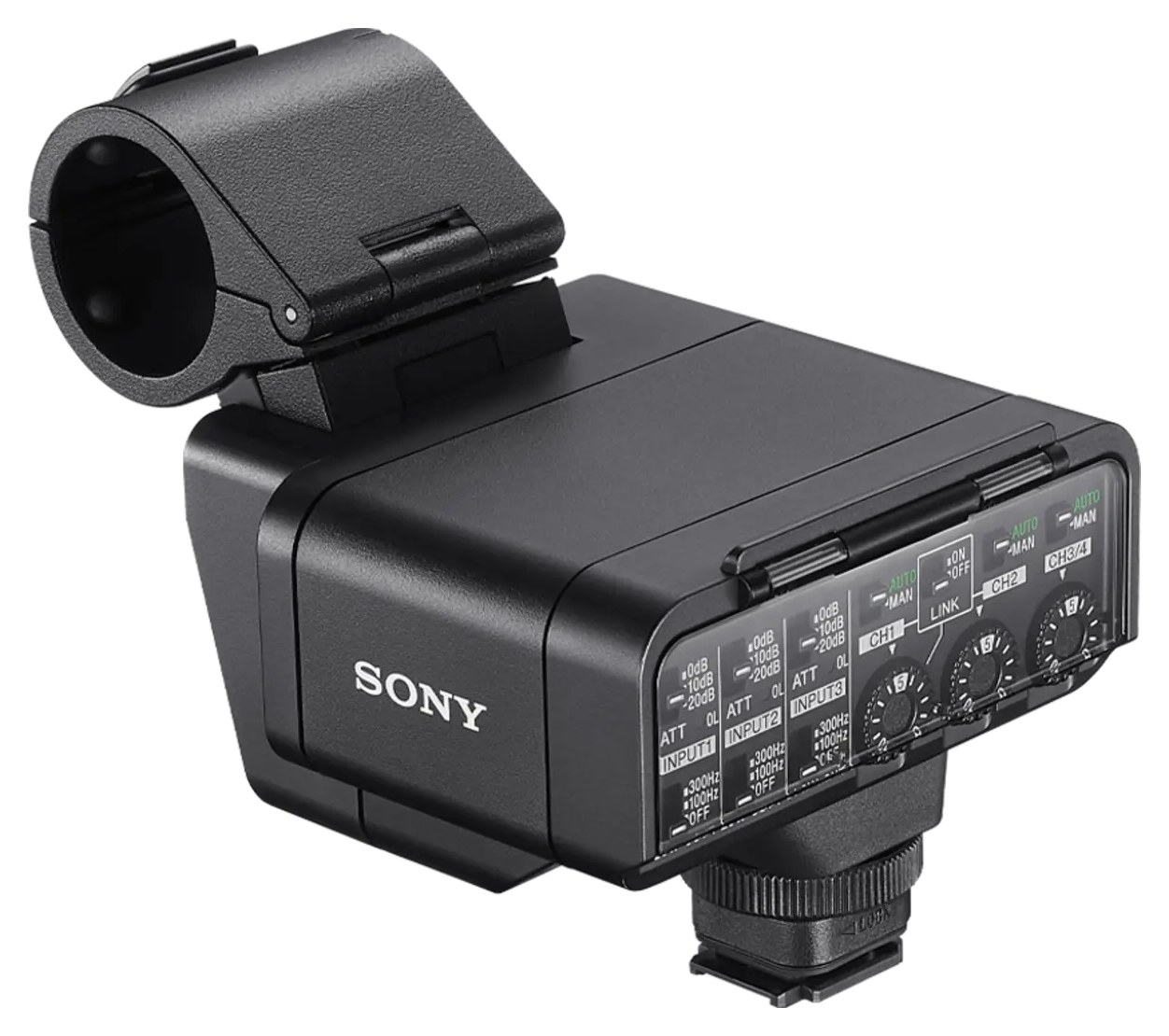
XLR Adapter for α™ Cameras with 96 kHz / 32-bit floating-point recording – connect XLR microphones to your α camera and capture high-quality audio within the Sony ecosystem using 96 kHz / 32-bit floating-point recording that handles everything from whispers to sudden loud noises, reducing the need for gain adjustments and maximizing post-production flexibility.
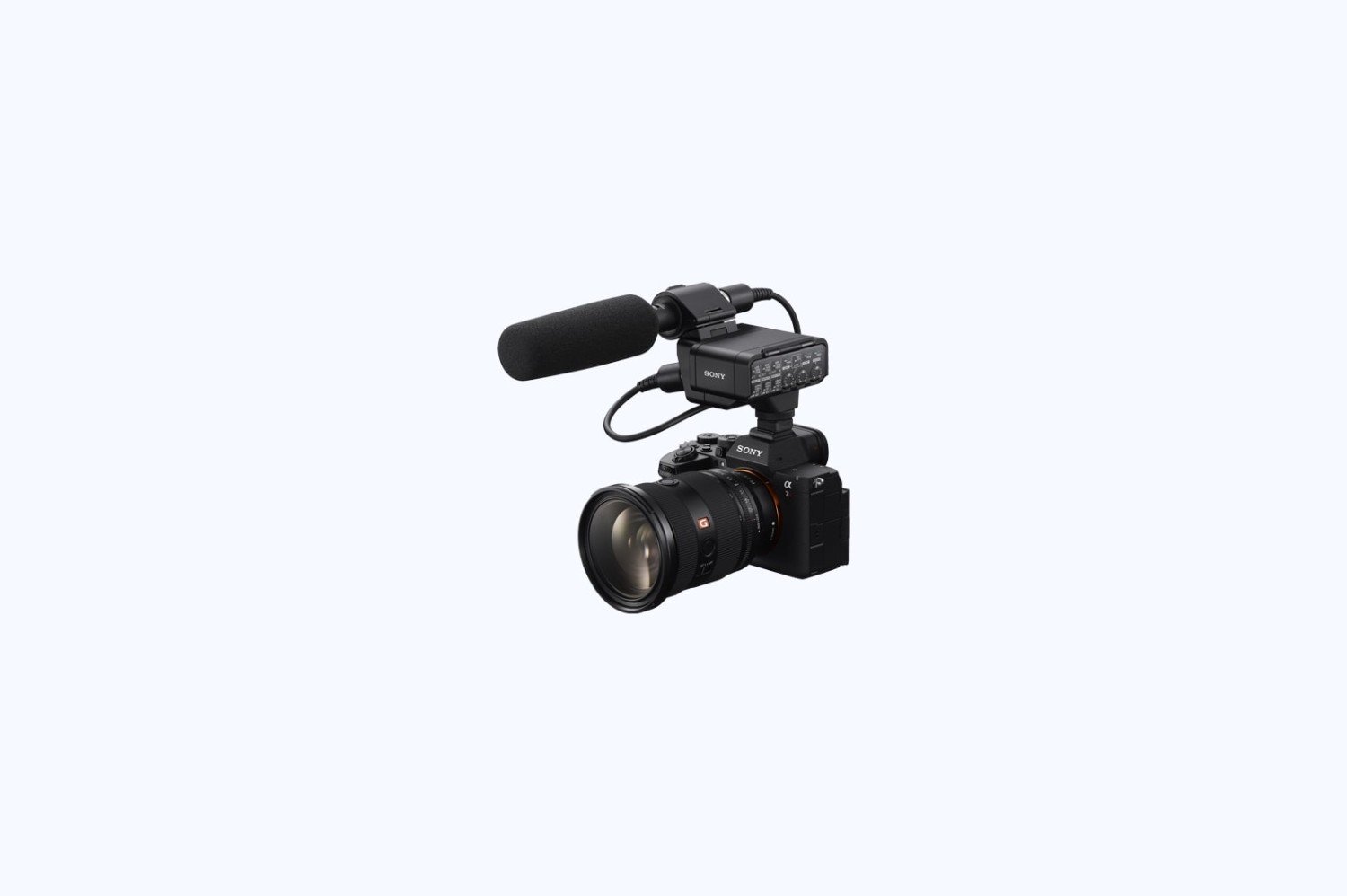
XLR microphones straight on the camera shoe
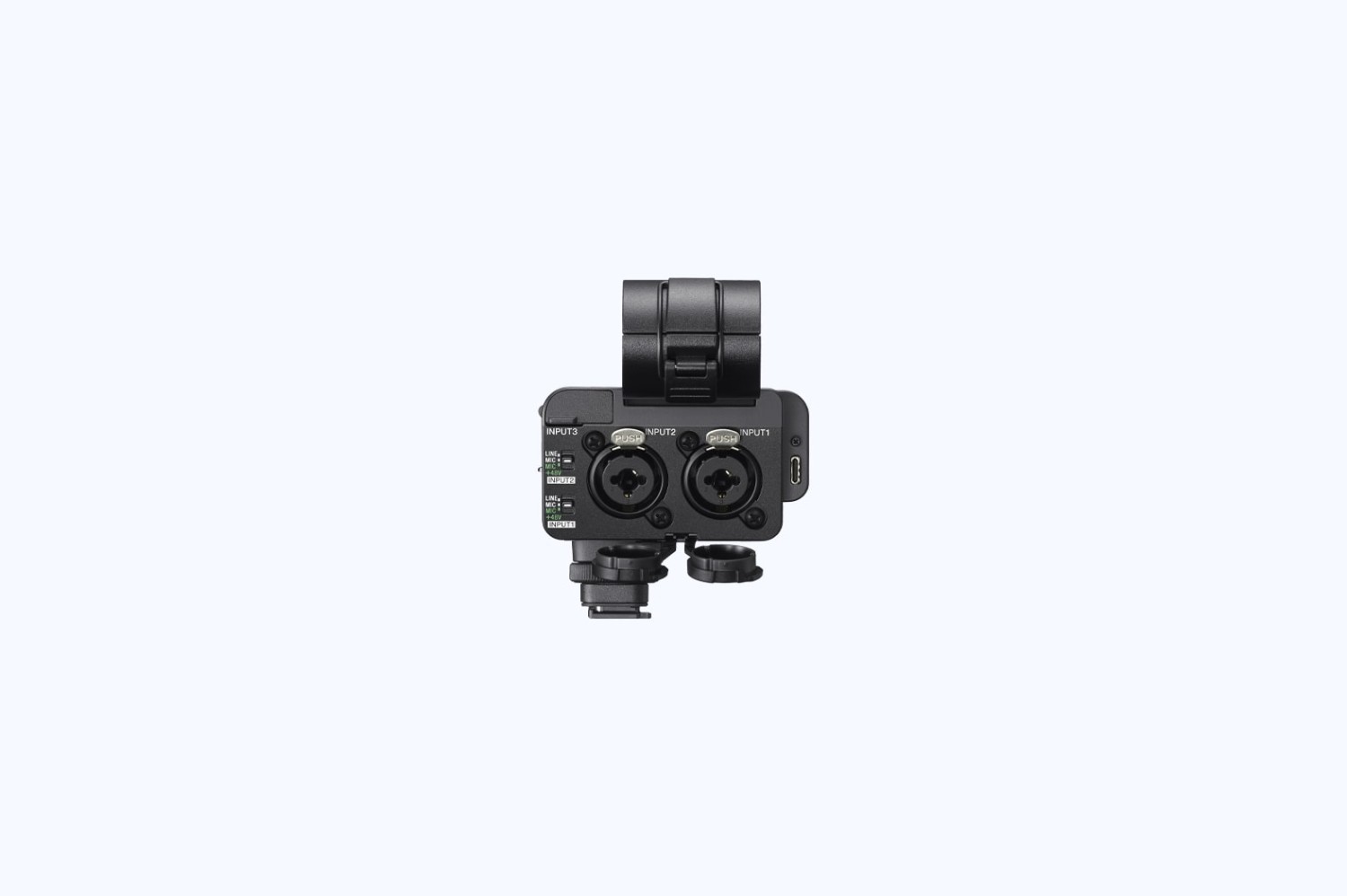
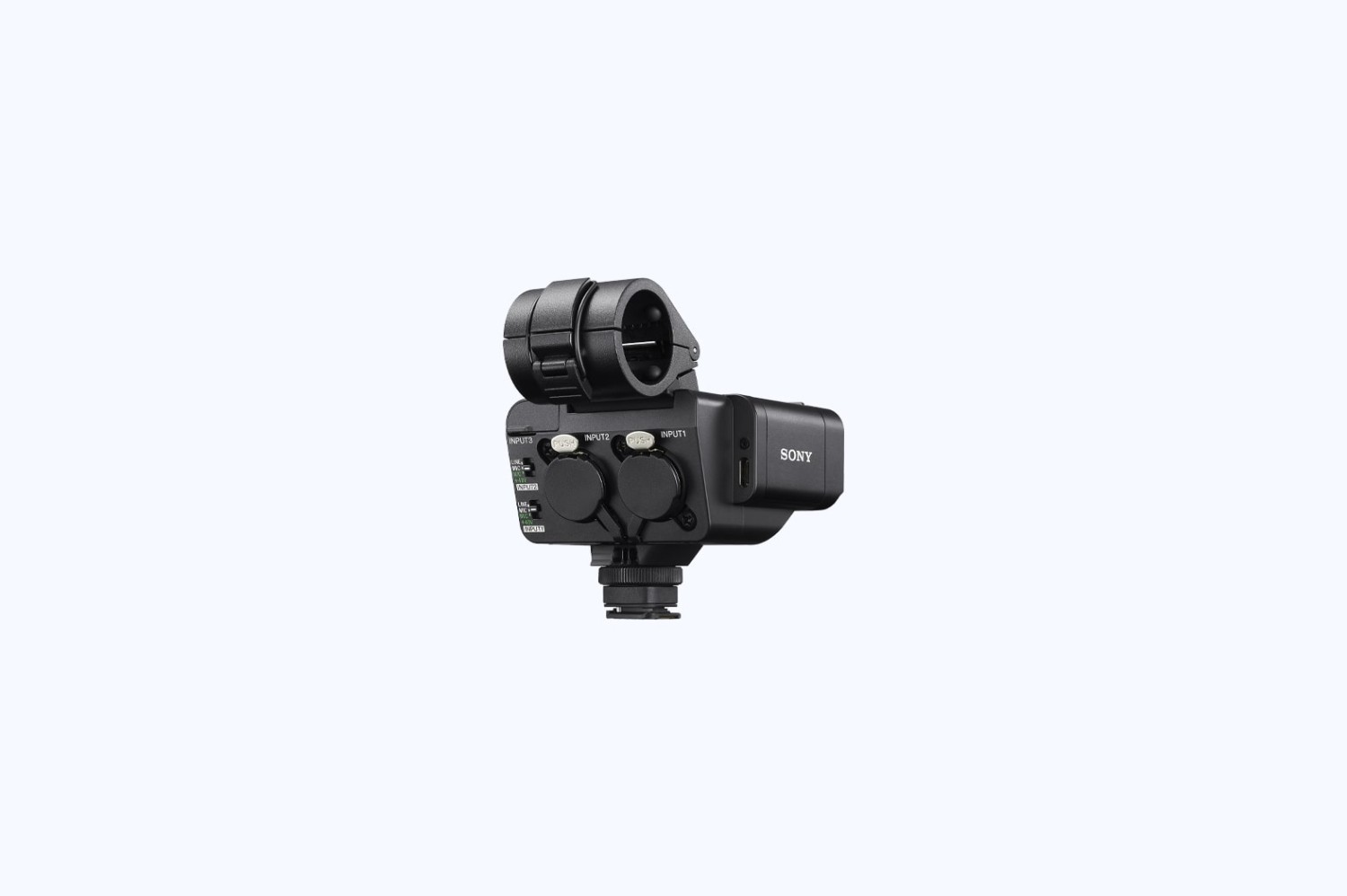
Two XLR/TRS inputs with +48 V phantom power and a third input for a microphone with a 3.5 mm plug. The adapter is powered by the camera, so it needs no battery or cable of its own.
2× XLR/TRS+48 V phantom3.5 mm inputup to 4 channelsaudio over USB-C
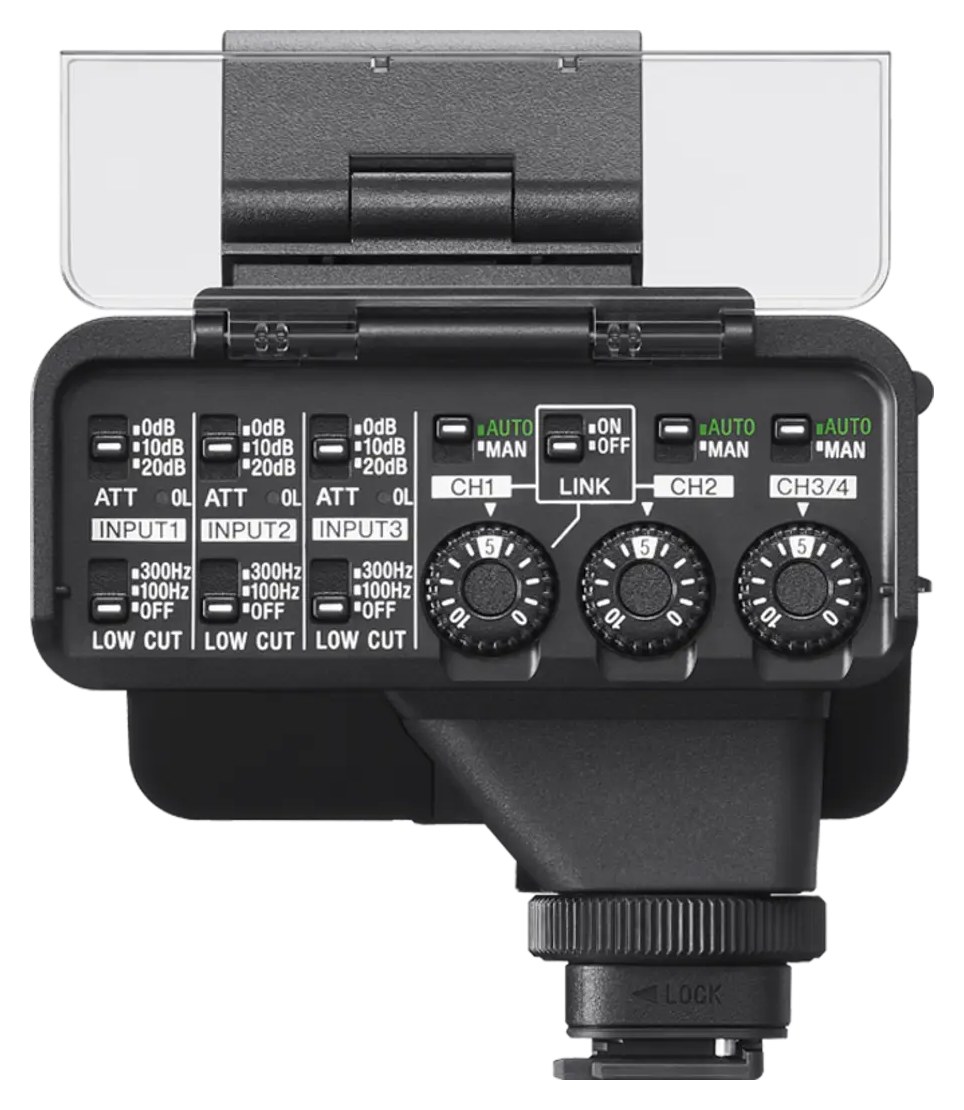
Every input under control
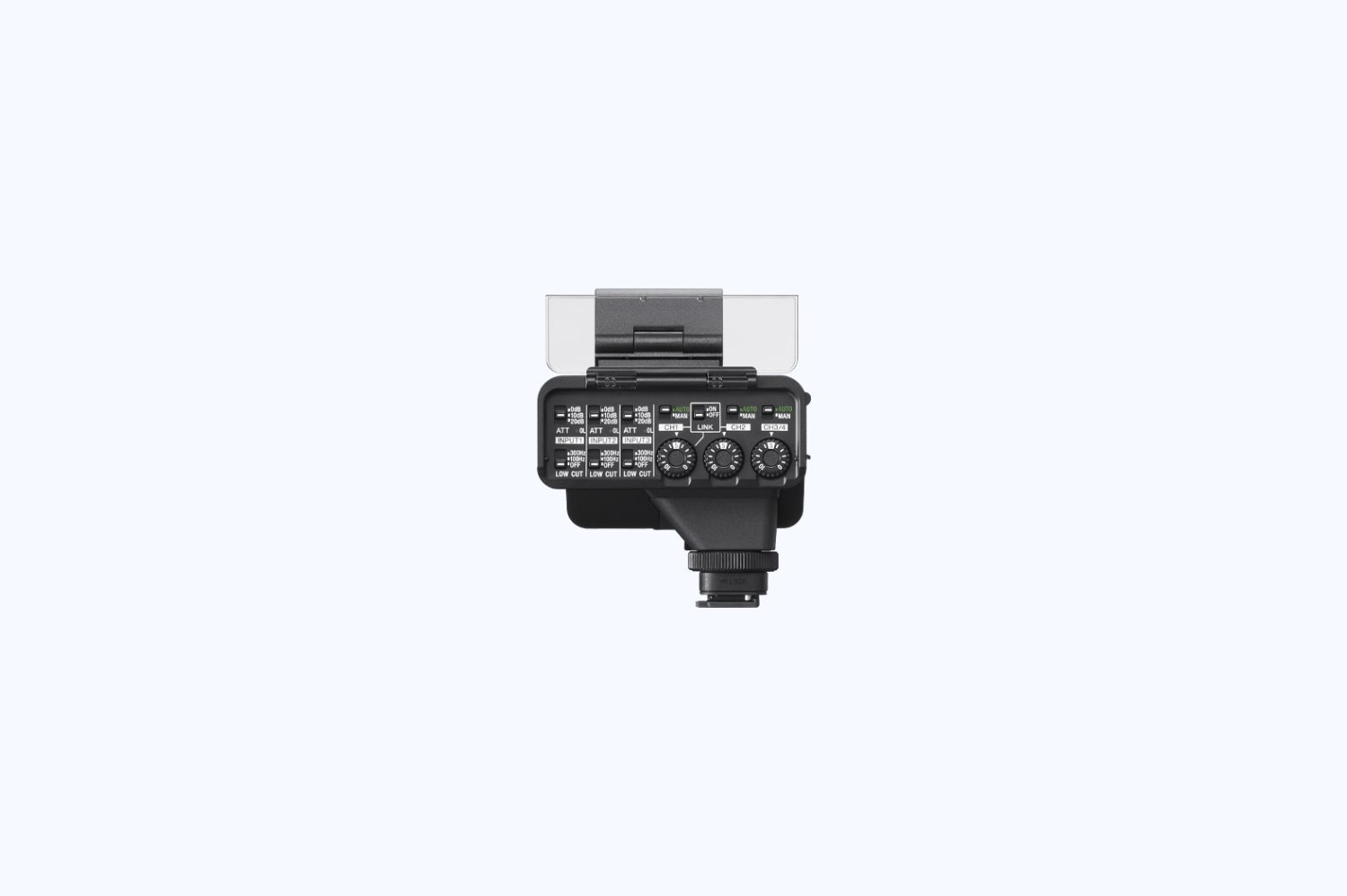
An OL lamp flags overload on each input separately. The LOW CUT and ATT switches and the manual gain dials are grouped on one side, so the channels can be set quickly without hunting for controls.
The adapter does not have to sit on the camera
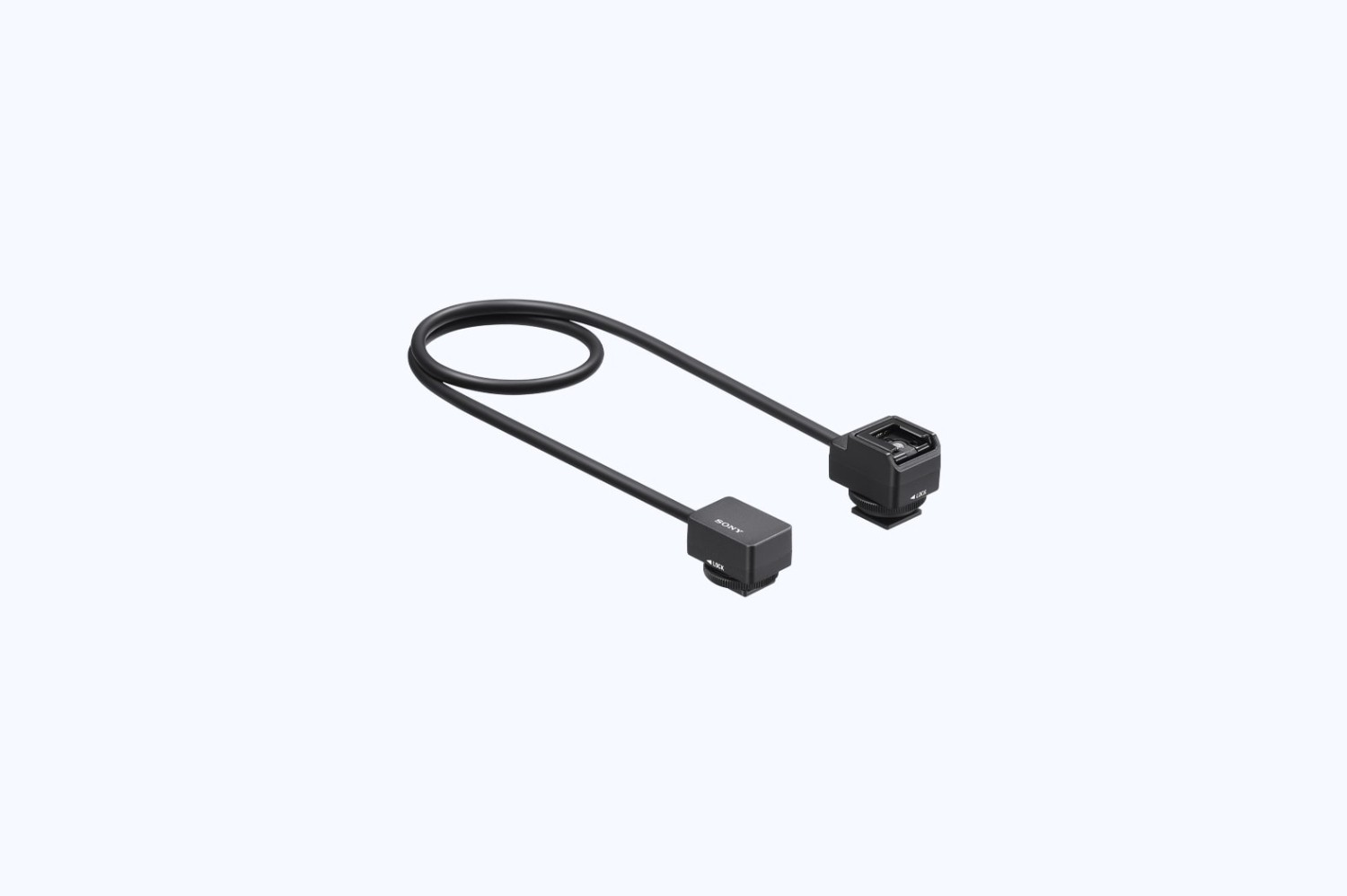
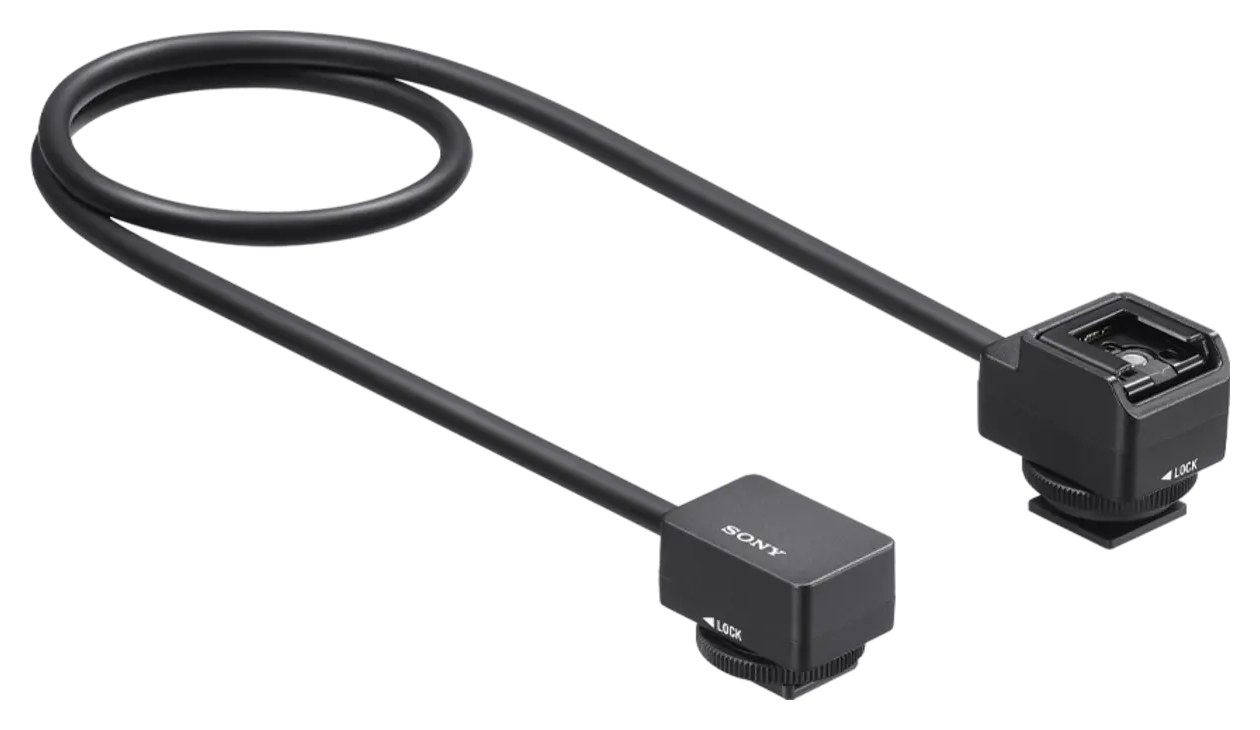
The supplied shoe audio extension cable extends the Multi Interface Shoe, so the adapter can go elsewhere on a rig or cage. The cable reinforcement attachment keeps the connection firm even during long shoots.
96 kHz / 32-bit float with supported cameras only
With the FX5, α7R VI and α7 V cameras (α7 V from system software 2.00) the adapter records audio in 32-bit floating-point format at 96 kHz, with both converters (ADCs) working. Other compatible cameras record audio in the format they support themselves.
USB audio interface
Connected to a computer over USB-C, the adapter works as a two-channel audio interface at up to 96 kHz / 24-bit, for podcasts or studio recording.
Older cameras in analogue mode
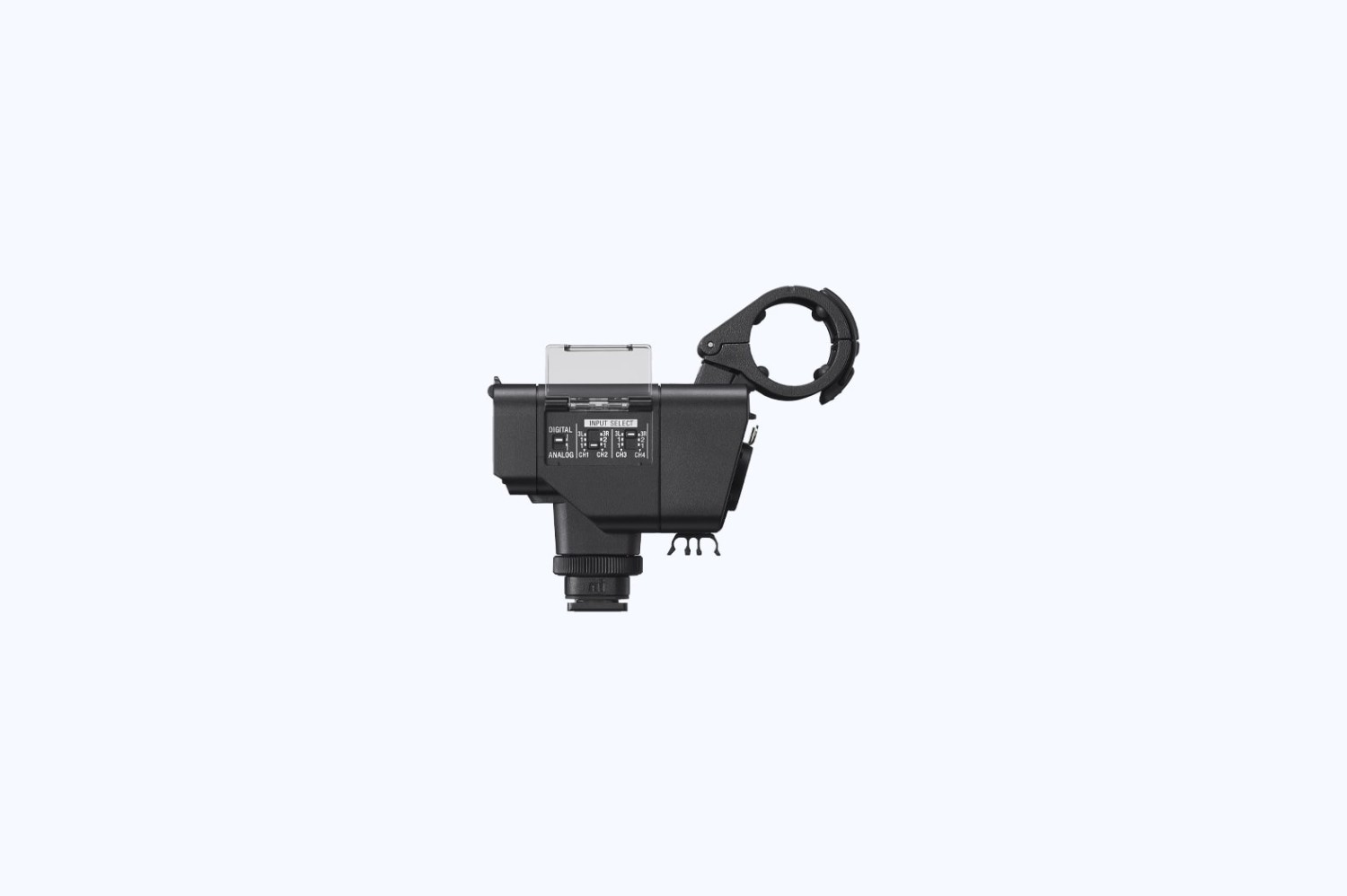
On cameras without a digital audio interface, set the DIGITAL/ANALOG switch to ANALOG and the adapter passes on two analogue channels.
Compatible Sony microphones
Over XLR, for example the ECM-678, ECM-674 or ECM-680S; through the 3.5 mm input, UWP-D wireless kits or the ECM-W3 and ECM-S1 microphones.
Low and light
The adapter weighs 198 g, and its low centre of gravity spares the Multi Interface Shoe even on longer shoots.
96 kHz sampling for detailed audio
The adapter records ambience and subtle vocal nuances at a sampling rate of up to 96 kHz, so professional microphones can deliver their full performance. With a Hi-Res Audio microphone it also captures frequencies above 20 kHz, expanding what you can do in post-production and adding depth and realism to the recording.
32-bit float for flexible post-production
32-bit floating-point recording on compatible cameras provides a wide dynamic range and greatly reduces the risk of clipping when levels are adjusted in the edit. Post-production becomes more flexible, and gain does not have to be set as precisely while shooting.
Dual ADC converters for a wide dynamic range
To let high-quality microphones show what they can do, the adapter uses two analogue-to-digital converters (ADCs) working at different gain levels. Together they faithfully capture a wide dynamic range, from very quiet to loud sounds.
The audio from both converters is turned into 32-bit floating-point data, so the full dynamic range is preserved and gain does not have to be set precisely during recording. Both converters work when the adapter is connected to a camera that supports 96 kHz / 32-bit float, or when it serves as a USB audio interface.
Four-channel audio input
The adapter supports four-channel audio input, so several microphones can be recorded at once to independent tracks and edited separately. Safety channels with a different gain setting and free assignment of inputs to channels CH1–CH4 add confidence and creative freedom. All four channels are used by a camera that supports four-channel input through the Multi Interface Shoe.
The Sony ecosystem advantage
Simply slide the adapter into the Multi Interface (MI) Shoe of a compatible camera: power and audio run through the shoe, with no battery and no cable. Support for Hi-Res Audio microphones and 96 kHz / 32-bit float recording deliver high-quality, edit-resilient audio, including independent 32-bit float WAV recording.
Clear controls
Each input has an OL (overload) lamp, so the level can be read at a glance. The LOW CUT and ATT (attenuator) switches and the manual gain dials are grouped on one side, so every output channel can be set quickly and intuitively.
Shoe audio extension cable
The supplied shoe audio extension cable lets you mount the adapter somewhere other than directly on the camera. Even on a rig or cage, it can go wherever suits the shoot.
Built for professional use
The low-profile, reinforced design stands up to demanding location work, and the low centre of gravity reduces stress on the Multi Interface Shoe. With the supplied cable reinforcement attachment, the shoe audio extension cable stays firmly and reliably in place even during long sessions.
USB audio output
The built-in USB Type-C port connects directly to a computer, so the adapter also works without a camera, for studio recording or podcasts. Over USB it handles two channels at up to 96 kHz / 24-bit. The supplied mini stand keeps it steady on the desk.
PACKAGE CONTENT
- Sony XLR-A4 XLR adapter
- case
- mini stand
- shoe audio extension cable
- cable reinforcement attachment
- 2 × connector protector cap
A microphone is not included.
SPECIFICATIONS
Audio
| Model | Sony XLR-A4 |
|---|---|
| INPUT1 / INPUT2 inputs | 3-pin XLR/TRS female jack, +48 V phantom power (TRS: TIP = HOT, RING = COLD, SLEEVE = GND) |
| INPUT3 input | 3.5 mm stereo mini jack, plug-in power |
| Microphone channel audio output | Multi Interface Shoe: analogue 2 channels / digital 4 channels (with a camera that supports four-channel input through the Multi Interface Shoe); USB: digital 2 channels |
| Recording over USB | up to 96 kHz / 24-bit, 2 channels |
| USB connector | USB Type-C |
General
| Camera connection | Multi Interface Shoe |
|---|---|
| Power | from the camera through the Multi Interface Shoe |
| Operating temperature | 0 to 40 °C |
| Dimensions (W × H × D) | approx. 113.2 × 99.8 × 80.0 mm |
| Weight | approx. 198 g |
Parameters
Parameters
| Manufacturer: | SONY |
| Category: | Camera microphones |
Main parameters
| Connecting Mic | XLR · 3.5mm TRS |
| Bit depth | 32bit |
| Sample rate | 96kHz |
| Weight | 198g |
ACCESSORIES (5)
ACCESSORIES (5)
Sony UWP-D27 K33
Promotion: -19%
Sony UWP-D27 wireless kit in the K33 band (566.025–630.000 MHz) for two speakers:
1 490.88 €
1 833.15 €
To be sent 1 pcs
Sony VMC-SA1
The Sony VMC-SA1 Shoe Audio Extension Cable connects the camera's Multi Interface
168 €
In stock > 5 pcs
Sony UWP-D26 K33
Sony UWP-D26 wireless kit in the K33 band (566.025–630.000 MHz) with two transmitters:
1 039 €
In stock 2 pcs
Sony UWP-D22 K33
Sony UWP-D22 wireless kit in the K33 band (566.025–630.000 MHz): the UTX-M40 handheld
769 €
To be sent 1 pcs
Sony ECM-678
The Sony ECM-678 is an electret condenser shotgun microphone with a supercardioid
1 189 €
To be sent 1 pcs
News, training, and discounts from Syntex
Special offers and discounts for subscribers only · Free audio & video workshops · News and tips from the world of filmmaking
- Show all
Sony XLR-A4
XLR Adapter for α™ Cameras with 96 kHz / 32-bit floating-point recording – connect919 €In stock 1 pcs