
 CZ
 SK
 HU
 AT
 DE
 ES
 SI
 HR

Nothing in the basket.

- Search
-
Login

-
0
Comparison
Add products to compare, then they will appear here and you can compare parameters.
-
0
0 €
Saramonic K9 XTX Kit
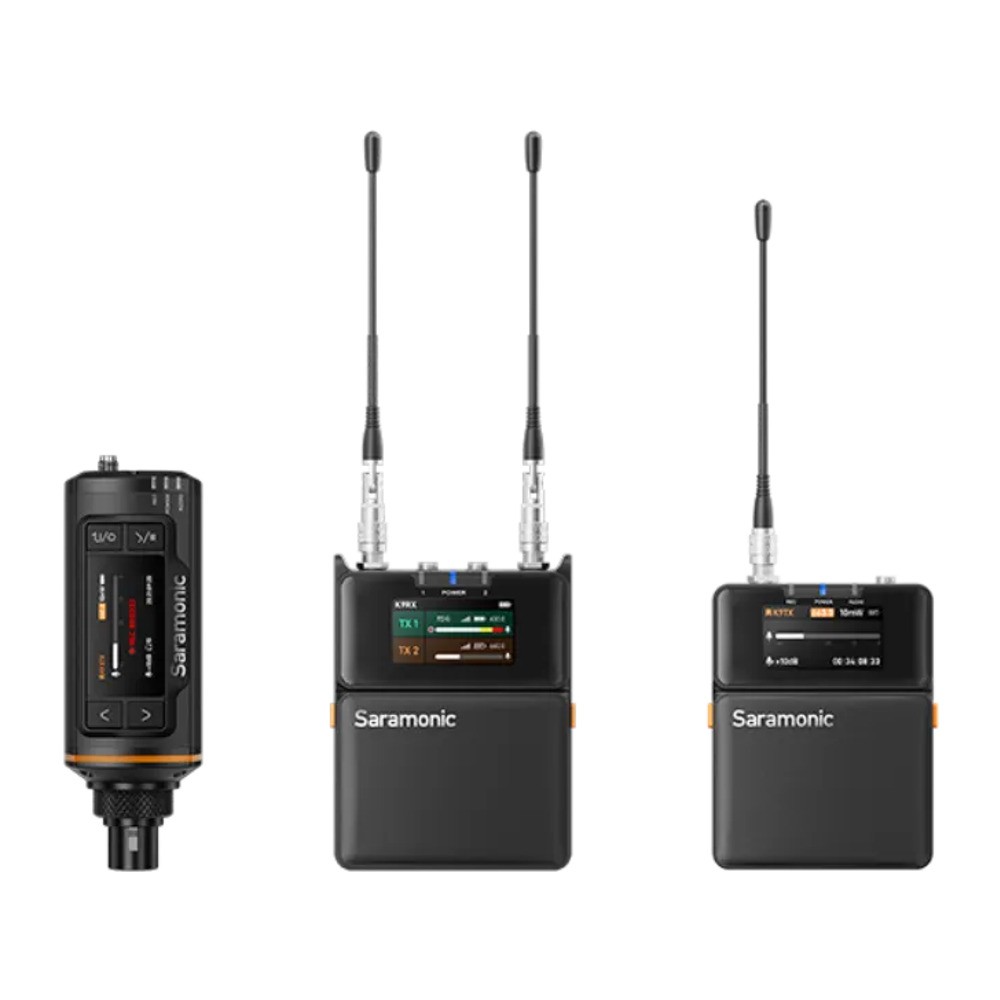


SKU: K9 XTX Kit
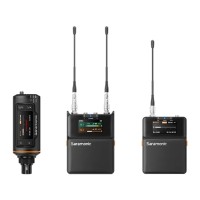
The Saramonic K9 XTX Kit is a dual-channel digital UHF kit with two different transmitters: the K9 XTX plug-on for a handheld or shotgun microphone with an XLR connector and the K9 TX bodypack with a lavalier microphone. Both signals are received by the dual-channel K9 RX receiver. The transmitters record a 32-bit float backup to microSD cards and work with…
Promotion: -20% ends in: 9d: 02h: 08m
679 €
543 € with VAT
448.76 € without VAT
Availability
Backordered > 5 pcs - 03.11.2026

Top accessories for Saramonic K9 XTX Kit
Saramonic SR-USB-C02 Locking 3.5mm TRS to USB-C Timecode Cable
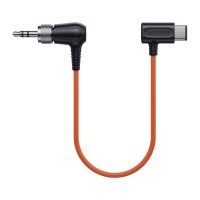
The Saramonic SR-USB-C02 is a timecode cable from a locking 3.5 mm TRS connector
15 €
In stock 5 pcs
Saramonic TC-NEO

Promotion: -17% ends in: 9d: 02h: 08m
The Saramonic TC-NEO is a compact wireless timecode generator for syncing cameras
124 €
150.04 €
In stock > 5 pcs
Saramonic SR-TRS-C01 Locking 3.5mm TRS to 3.5mm TRS Timecode Cable
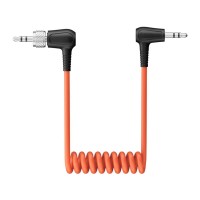
The Saramonic SR-TRS-C01 is a coiled cable with a locking 3.5 mm TRS connector at
12 €
In stock > 5 pcs
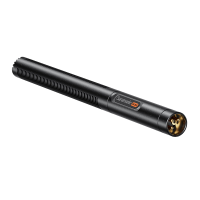
Saramonic SR-SG MIC
Promotion: -21% ends in: 9d: 02h: 17m
The Saramonic SG Mic is a supercardioid shotgun microphone with a condenser capsule
279 €
351.91 €
Backordered > 5 pcs
Product description
SPECIFICATIONS
PACKAGE CONTENT
Product description
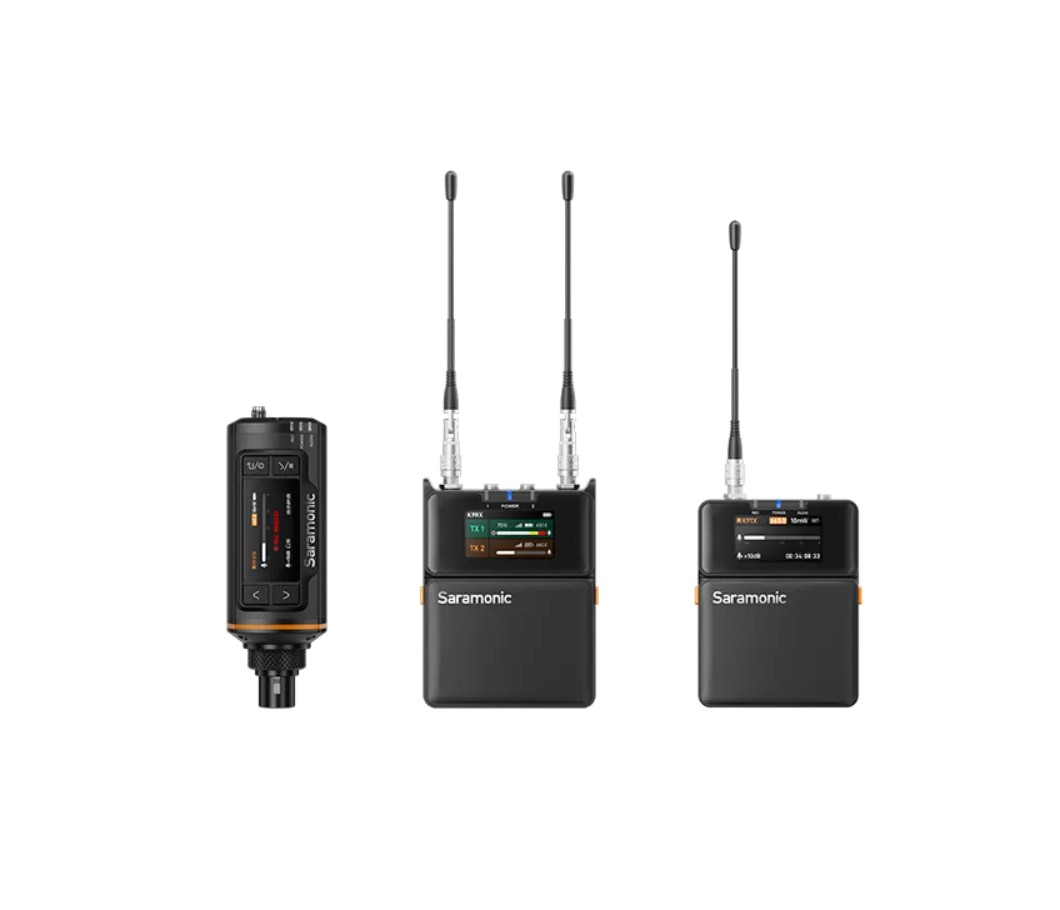
The Saramonic K9 XTX Kit is a dual-channel digital UHF kit with two different transmitters: the K9 XTX plug-on for a handheld or shotgun microphone with an XLR connector and the K9 TX bodypack with a lavalier microphone. Both signals are received by the dual-channel K9 RX receiver. The transmitters record a 32-bit float backup to microSD cards and work with timecode; the kit comes in a carrying case.
Saramonic K9 XTX Kit
XLR plug-on transmitter, bodypack transmitter with a lavalier microphone and a dual-channel receiver — a digital UHF kit for news and film.
2 channelsXLR + lavalier550–960 MHz32-bit floattimecode
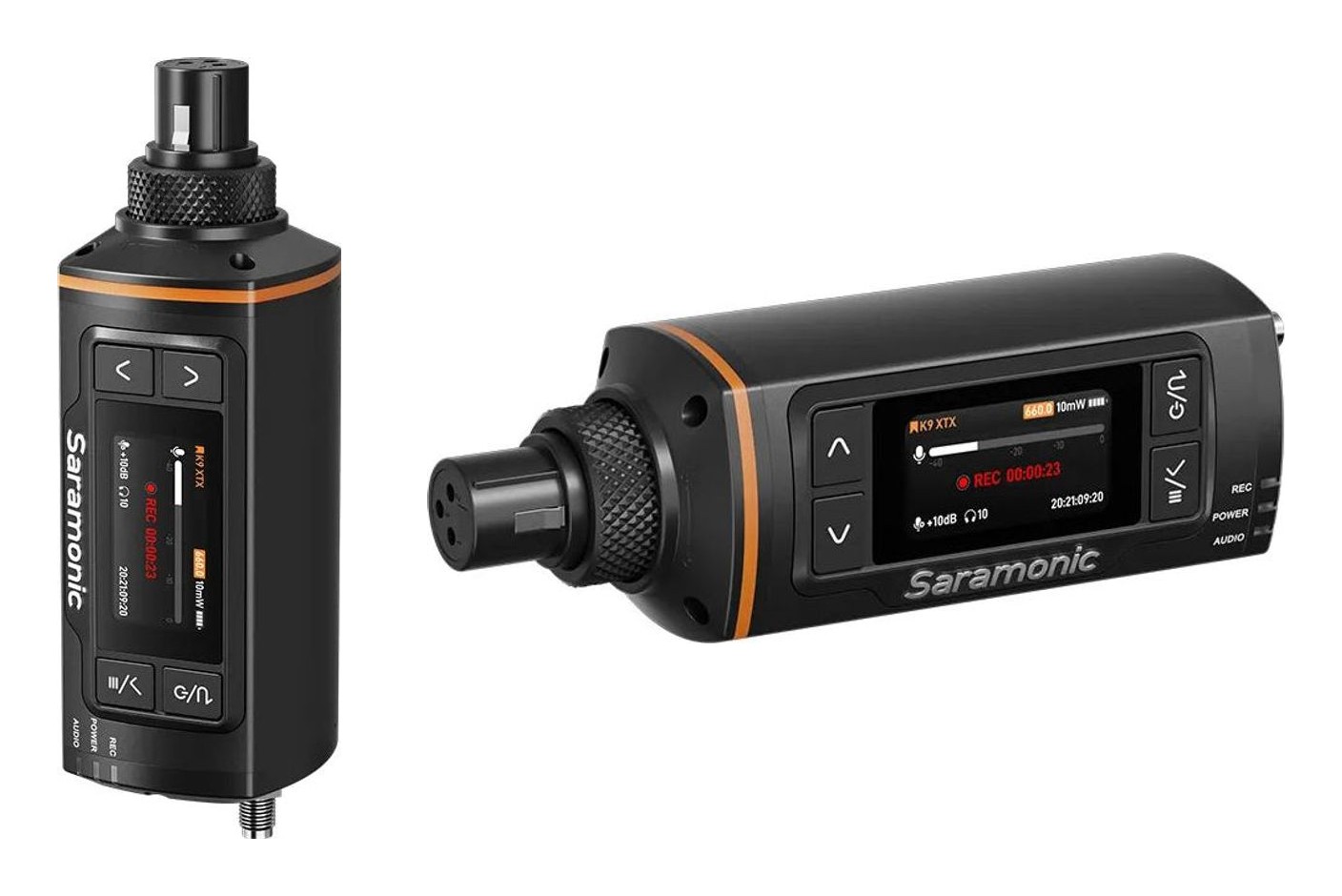
K9 XTX plug-on transmitter
Turns a handheld or shotgun microphone with an XLR connector into a wireless one, powers it with 3 to 48 V phantom power and records a 32-bit float backup. It both reads and generates timecode.
K9 TX bodypack transmitter
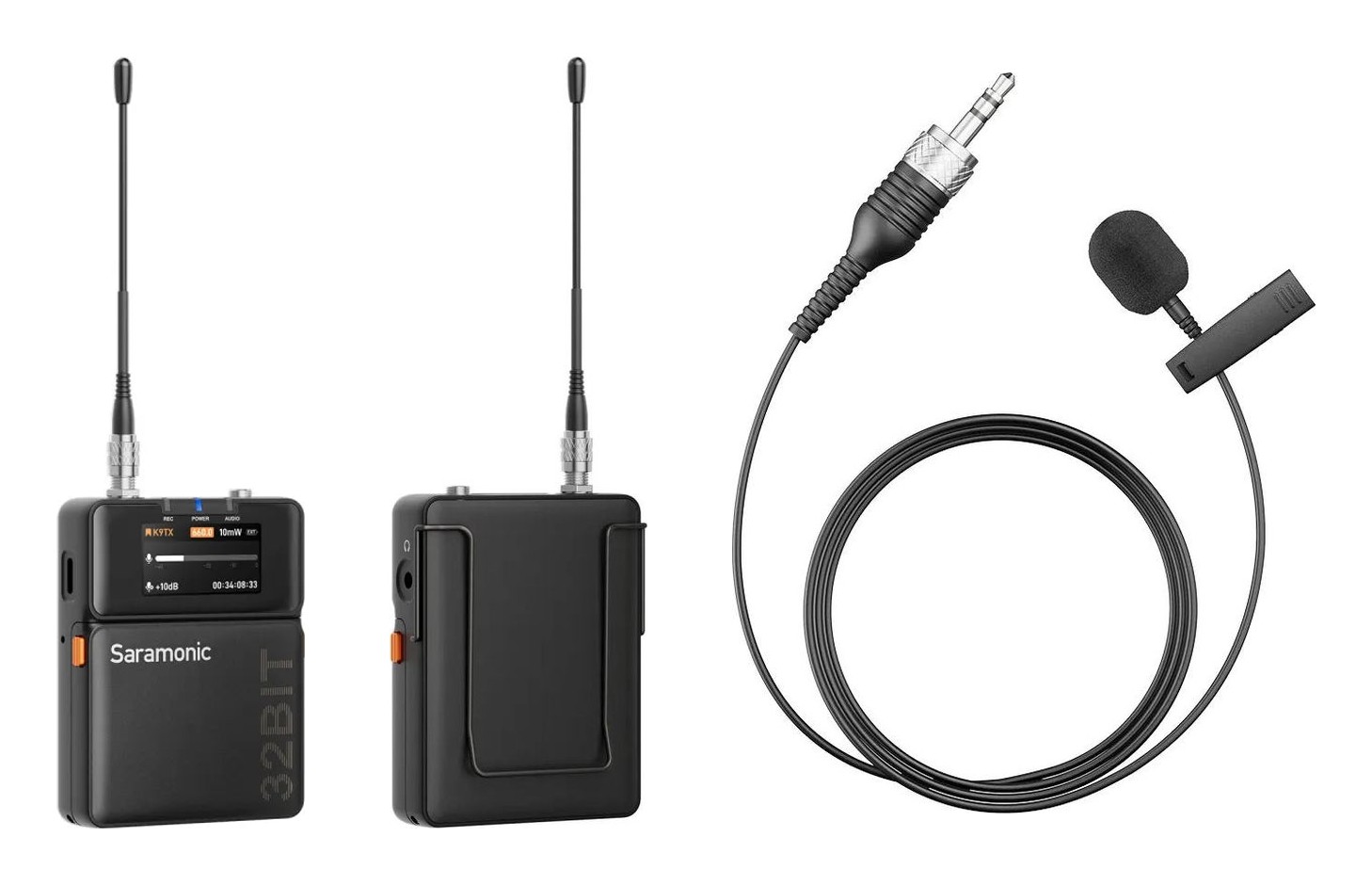
A bodypack transmitter with a 3 mm lavalier microphone for the person on camera. It records a 32-bit float backup to a microSD card and receives timecode.
K9 RX dual-channel receiver
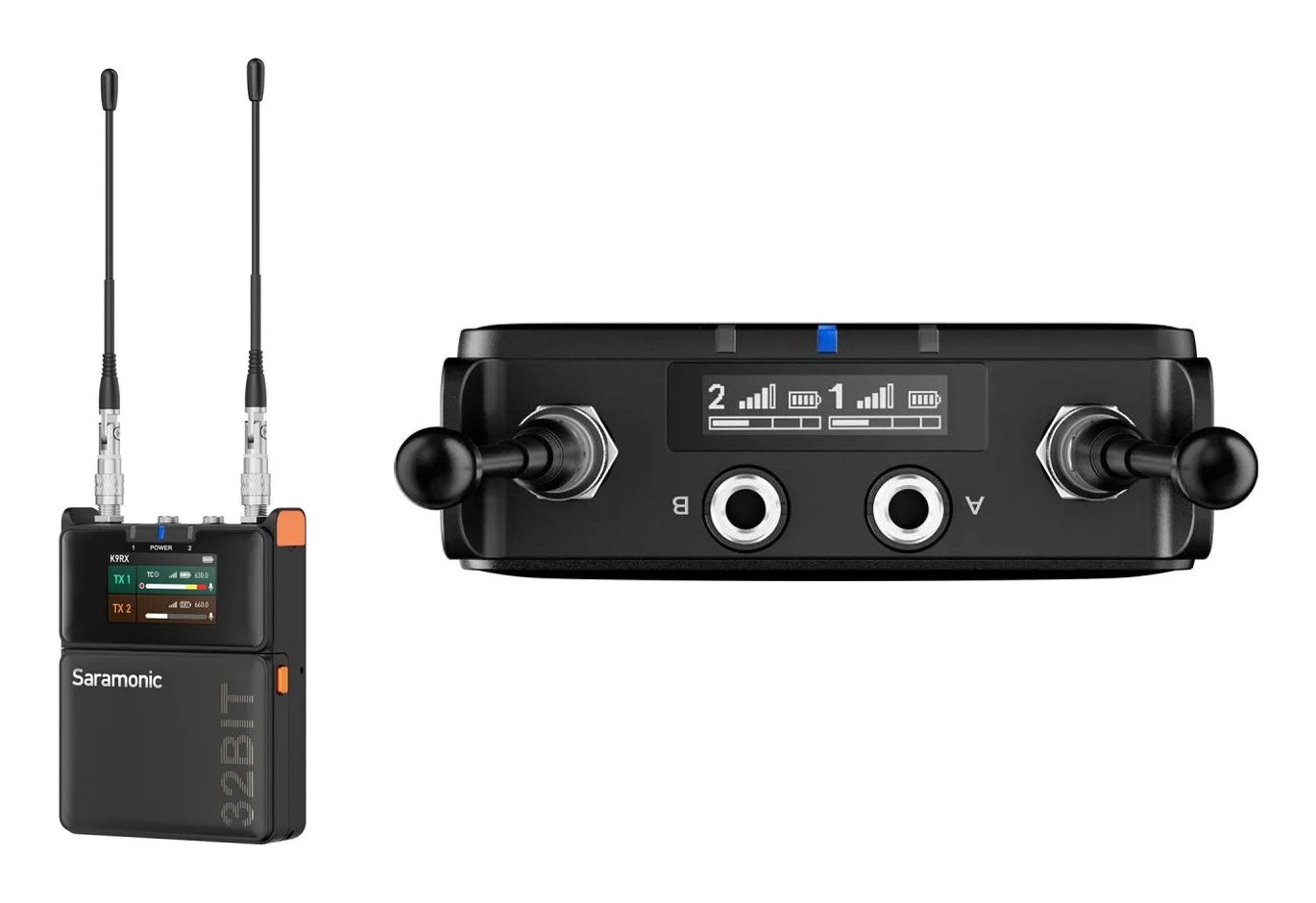
Receives both transmitters at once, sends audio through two 3.5 mm outputs to a camera or recorder and via USB-C to a phone or computer. The top OLED display shows the status of both channels.
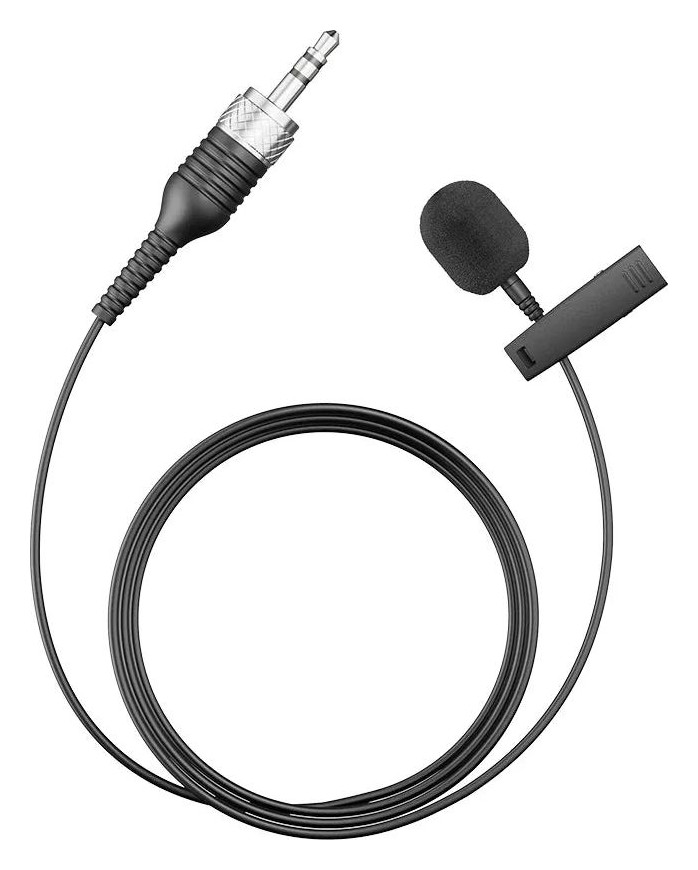
3 mm lavalier microphone
The omnidirectional lavalier microphone has a head just 3 mm in diameter and 17.5 mm long, so it hides easily under clothing. It is IP67-rated, the 1.8 m cable is Kevlar-reinforced and withstands a pull of 50 N. It connects to the transmitter with a locking 3.5 mm connector.
Two transmitters, one system
The kit combines an XLR plug-on transmitter and a bodypack transmitter with a lavalier microphone. One receiver handles a reporter with a handheld mic and a guest with a lavalier, or a shotgun mic on a boom and an actor.
Digital UHF 550–960 MHz
The K9 system transmits audio digitally in the wide 550–960 MHz UHF band, which resists Wi-Fi and Bluetooth interference better than 2.4 GHz and passes through obstacles more easily. Frequencies are updated via GPS, auto scanning on the receiver finds the cleanest channel, and the band is assigned according to local regulations.
Backup in both transmitters
Both the K9 XTX and K9 TX record a backup as WAV, 24-bit or 32-bit float, to microSD cards of up to 256 GB; two 64 GB cards are included.
Timecode in both transmitters
Both transmitters work with SMPTE LTC timecode and sync by cable, wirelessly within the Saramonic ecosystem or from the app. The K9 TX receives timecode, the K9 XTX can also generate it.
Saramonic System app
Over Bluetooth you control up to 48 devices from your phone: groups, gain, frequencies, transmitter sleep mode to save battery and batch firmware updates. At first power-on the K9 is activated in the app, which assigns the frequency band permitted in your country based on the phone location.

On the boom and in the field
Without long cables the crew moves quickly between locations and setup time drops. The K9 XTX suits documentaries, news gathering and fast field shoots with a shotgun microphone on a boom.
Transmitter runtime by battery type
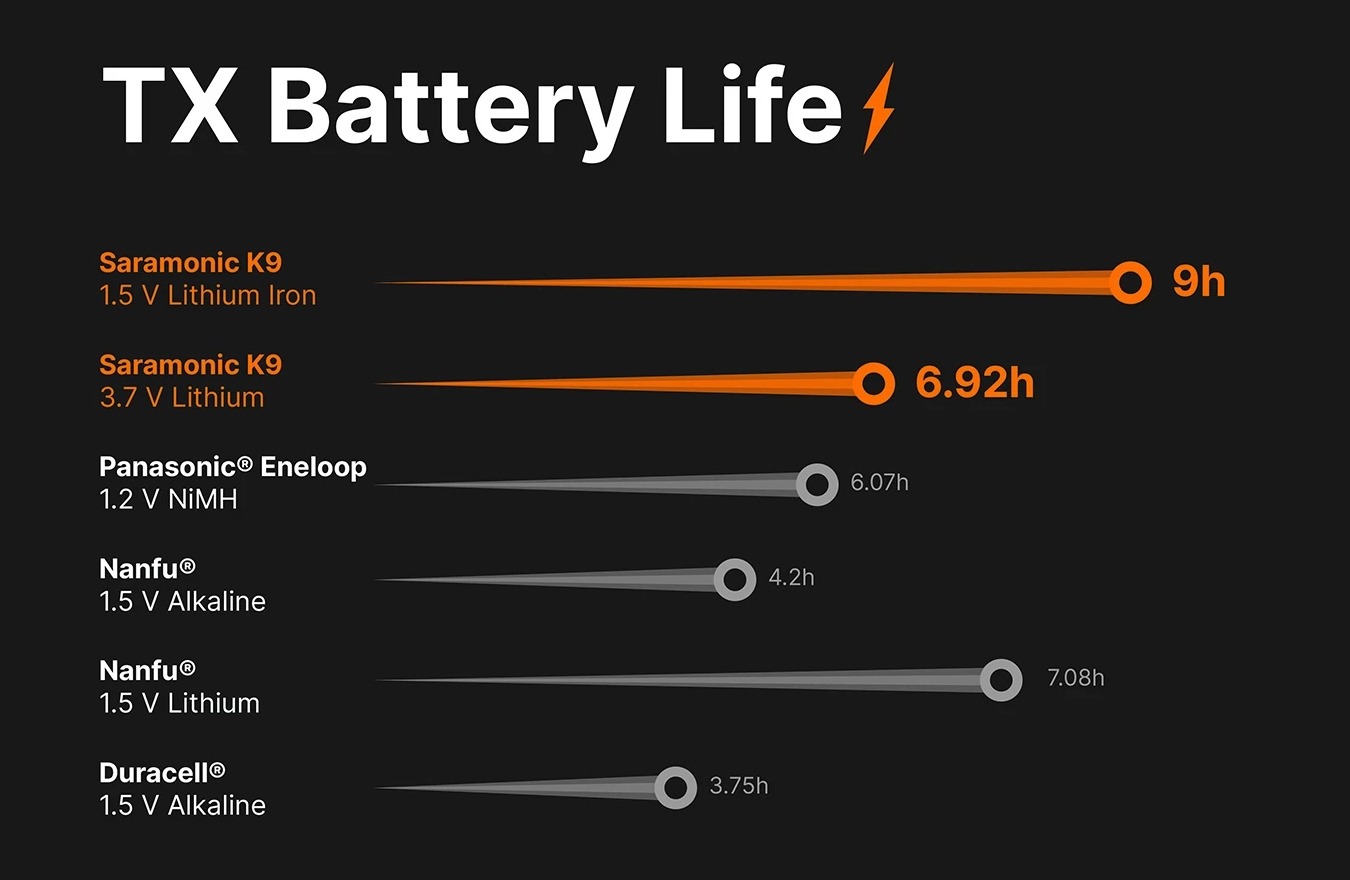
The transmitter lasts longest on 1.5 V lithium iron cells, 9 hours; about 6.9 hours on 3.7 V lithium cells and 6.1 hours on NiMH Eneloop. The values were measured in the Saramonic acoustic lab under standard conditions.
Receiver runtime by battery type
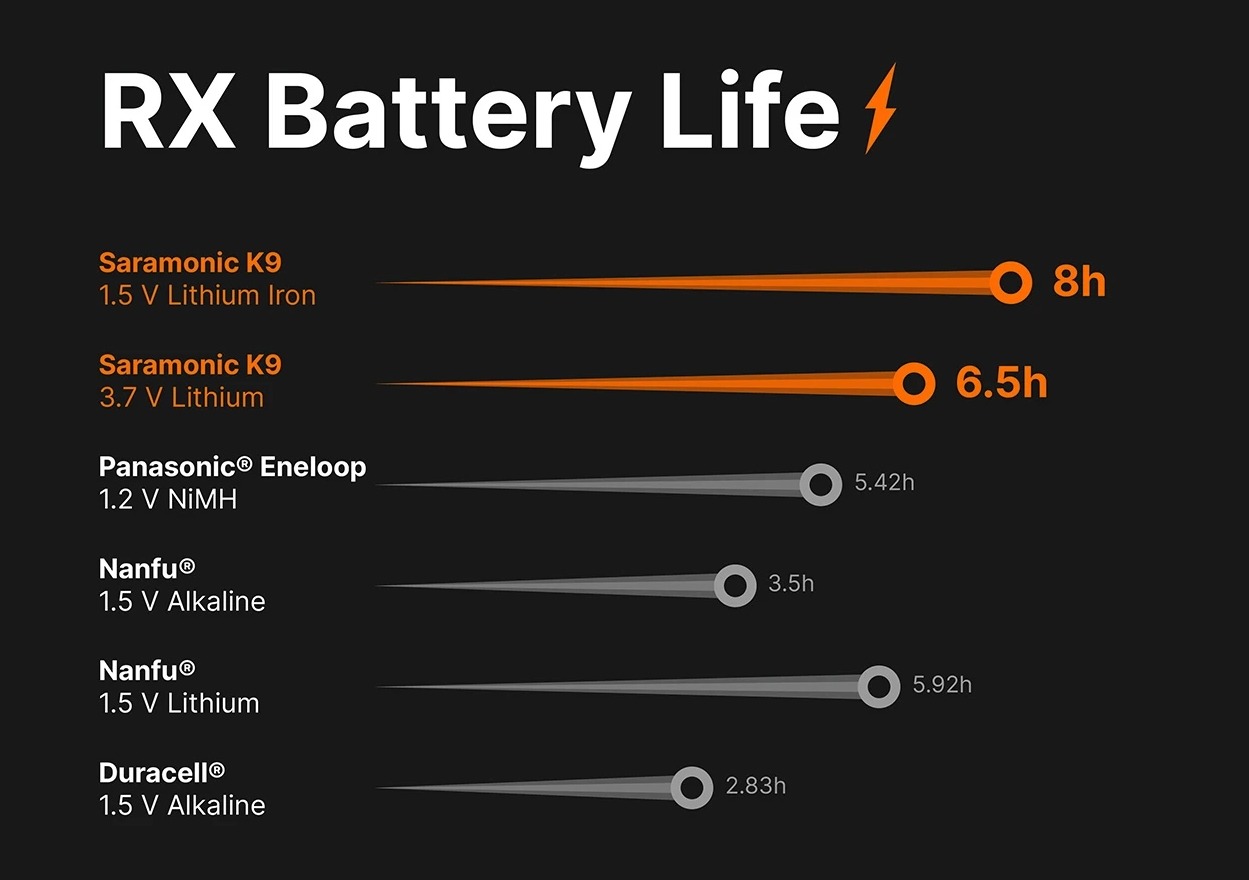
The receiver runs up to 8 hours on 1.5 V lithium iron cells, 6.5 hours on 3.7 V lithium cells and 5.4 hours on NiMH Eneloop. The values were measured in the Saramonic acoustic lab under standard conditions.
Compatibility and firmware
The K9 TX and K9 XTX transmitters send to the K9 RX receiver. For a reliable connection they need firmware K9 XTX V2.64 or later, K9 TX V2.65 or later and K9 RX V2.60 or later; updates are done in the Saramonic System app.
PACKAGE CONTENT
- K9 XTX plug-on transmitter — 1×
- K9 RX receiver — 1×
- K9 TX transmitter — 1×
- Cold shoe mount — 1×
- Belt clip for receiver — 1×
- Belt clip for transmitter — 1×
- Lavalier microphone — 1×
- Weather-sealed lavalier microphone case — 1×
- Antenna length and frequency card — 1×
- SMA elbow antenna — 6×
- SMA antenna — 6×
- Carrying case — 1×
- USB-C to USB-A adapter — 1×
- 64 GB microSD card — 2×
- Velcro cable tie — 5×
- Colour ring for K9 XTX — 8×
- Colour tag for K9 TX — 8×
- Colour tag for K9 RX — 16×
- 3.5 mm TRS to TRS cable — 1×
- XLR male to XLR female cable — 1×
- USB-C to USB-C data cable — 1×
- 3.5 mm TRS to XLR cable — 2×
- Pack of 2 lithium iron AA batteries — 3×
- Foam windscreen for lavalier microphone — 1×
- Fur windshield for lavalier microphone — 1×
- Lavalier microphone clip — 1×
SPECIFICATIONS
System
- Type: Dual-channel digital UHF wireless kit
- Contents: 1× K9 XTX plug-on transmitter, 1× K9 TX transmitter, 1× K9 RX receiver, 1× lavalier microphone
- Frequency band: 550–960 MHz (band assigned according to local regulations)
- Modulation: Proprietary digital modulation
- Latency: 6.3 ms
- App: Saramonic System (Android 7.0 or later, iOS 13.0 or later), up to 48 devices
- Minimum firmware: K9 TX V2.65, K9 RX V2.60, K9 XTX V2.64
K9 XTX
- RF power: 10 / 25 / 50 / 100 mW
- Antenna connector: SMA 50 Ω
- Dynamic range: 130 dB
- Frequency response: 20 Hz – 20 kHz
- Low-cut filter: off / 75 / 100 / 150 Hz
- Mic power: 3 V / 5 V / 12 V / 24 V / 48 V / line
- Input: Locking 3-pin XLR
- Input gain: 0–30 dB
- Sampling / bit depth: 48 kHz / 24-bit
- Clock accuracy: 0.15 ppm (1 frame in 48 h)
- Timecode: SMPTE LTC, read and generate
- Timecode frame rates: 23.98 / 24 / 25 / 29.97 / 29.97 DF / 30 fps
- Recording media: microSD card up to 256 GB (64 GB card included)
- Recording format: WAV, 48 kHz, 24-bit or 32-bit float
- Equivalent input noise (EIN): −132 dBV (−130 dBu), A-weighted, gain 30 dB, 150 Ω source
- Range: 150 m
- Display: Colour
- Power: 2× AA battery or USB-C
- Runtime: More than 7 h (2× AA battery)
- Weight: 220 g without batteries and antenna, 252 g with them
- Operating temperature: −30 to +60 °C
- Storage temperature: −40 to +85 °C
- Protection: IP66 with waterproof case (sold separately)
K9 TX transmitter
- Antenna connector: SMA 50 Ω
- Dynamic range: 130 dB
- Distortion: < 0.5 %
- Frequency response: 20 Hz – 20 kHz
- Low-cut filter: off / 75 / 100 / 150 Hz
- Mic power: 3 V / 5 V / line
- Input: Locking 3.5 mm TRS (Sennheiser-compatible wiring)
- Input gain: 0–30 dB
- Sampling / bit depth: 48 kHz / 24-bit
- Clock accuracy: 0.15 ppm (1 frame in 48 h)
- Timecode: SMPTE LTC, receive (3.5 mm or USB-C cable, wireless)
- Timecode frame rates: 23.98 / 24 / 25 / 29.97 / 29.97 DF / 30 fps
- Recording media: microSD card up to 256 GB
- Recording format: WAV, 48 kHz, 24-bit or 32-bit float
- Equivalent input noise (EIN): −132 dBV (−130 dBu), A-weighted, gain 30 dB, 150 Ω source
- Display: TFT
- Power: 2× AA battery or USB-C
- Runtime: Up to 9 h (lithium iron AA batteries)
- Dimensions: 80 × 62 × 19 mm
- Weight: 85 g without batteries and antenna, 120.5 g with them
- Operating temperature: −20 to +45 °C
- Storage temperature: −30 to +60 °C
- Range: 100 m (line of sight)
K9 RX receiver
- Number of channels: 2
- Antenna connector: 2× SMA 50 Ω
- Dynamic range: 120 dB
- Distortion: < 0.5 %
- Outputs: 2× 3.5 mm analogue (A, B) + USB-C (stereo / mono)
- Output modes: mono / stereo / monitor
- Output gain: −20 to +10 dB
- Monitor volume: 12 levels
- Display: 1.47″ colour TFT front + OLED top
- Auto frequency scanning: Yes, lists the 10 cleanest frequencies
- Timecode: No (shows transmitter timecode status)
- Power: 2× AA battery or USB-C
- Runtime: Up to 8 h (lithium iron AA batteries)
- Dimensions: 88.1 × 66.1 × 23.6 mm
- Weight: 112 g without batteries and antennas, 157.5 g with them
- Operating temperature: −20 to +45 °C
- Storage temperature: −30 to +60 °C
Lavalier microphone
- Polar pattern: Omnidirectional
- Max SPL: 118 dB SPL
- Dynamic range: 110 dB
- Sensitivity: −35 dB (1.5 V, 2.2 kΩ, 1 kHz)
- Self-noise: 25 dB(A)
- Signal-to-noise ratio: > 68 dB
- Operating voltage: 1.3–5.0 V
- Frequency response: 20 Hz – 20 kHz
- Distortion: < 3 %
- Protection: IP67
- Operating temperature: −20 to +70 °C
- Tensile strength: 50 N
- Weight: 11 g
- Cable length: 1.8 m
- Head size: ⌀ 3 × 17.5 mm
- Connector: Locking 3.5 mm
Parameters
Parameters
| Manufacturer: | Saramonic |
| Category: | Wireless systems |
Main parameters
| Frequency band | UHF |
| Number of channels | 2 |
| Range | 100m |
| Built-in recording | Yes |
| Timecode | Yes |
Other parameters
| Frequency range | 550-960 MHz |
ACCESSORIES (4)
ACCESSORIES (4)
Saramonic SR-USB-C02 Locking 3.5mm TRS to USB-C Timecode Cable
The Saramonic SR-USB-C02 is a timecode cable from a locking 3.5 mm TRS connector
15 €
In stock 5 pcs
Saramonic TC-NEO
Promotion: -17% ends in: 9d: 02h: 08m
The Saramonic TC-NEO is a compact wireless timecode generator for syncing cameras
124 €
150.04 €
In stock > 5 pcs
Saramonic SR-TRS-C01 Locking 3.5mm TRS to 3.5mm TRS Timecode Cable
The Saramonic SR-TRS-C01 is a coiled cable with a locking 3.5 mm TRS connector at
12 €
In stock > 5 pcs
Saramonic SR-SG MIC
Promotion: -21% ends in: 9d: 02h: 17m
The Saramonic SG Mic is a supercardioid shotgun microphone with a condenser capsule
279 €
351.91 €
Backordered > 5 pcs
Alternative (5)
Alternative (5)
Saramonic K9 XTX
Promotion: -20% ends in: 9d: 02h: 11m
The Saramonic K9 XTX is a digital UHF plug-on transmitter that turns a standard microphone
223 €
279 €
Backordered > 5 pcs
Sony UWP-D22 K33
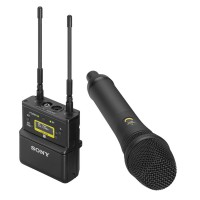
Sony UWP-D22 wireless kit in the K33 band (566.025–630.000 MHz): the UTX-M40 handheld
769 €
To be sent 1 pcs
Sennheiser ewD ME3 R4-9

Promotion: -11%
All-in-one digital wireless lavalier set for those who sing or speak featuring Sennheiser's
649.42 €
733.51 €
In stock 1 pcs
Sennheiser ewDP 835 R4-9

The Sennheiser EW-DP 835 SET is a fully digital UHF wireless system built to sit
709 €
5 pcs in stock at the supplier
Sennheiser ewDP ME2 R4-9

Portable digital UHF wireless microphone system with ME-2 omnidirectional lapel
709 €
> 5 pcs in stock at the supplier
DOCUMENTS (1)
DOCUMENTS
News, training, and discounts from Syntex
Special offers and discounts for subscribers only · Free audio & video workshops · News and tips from the world of filmmaking
- Show all
Saramonic K9 XTX Kit
Promotion: -20% ends in: 9d: 02h: 10mThe Saramonic K9 XTX Kit is a dual-channel digital UHF kit with two different transmitters:543 €679 €Backordered > 5 pcs
K&F Concept Nano-D variable ND filter ND2–ND32 + CPL 2-in-1 67 mm
Nano-D — variable ND filter 67 mm, changes the amount of light steplessly as you66 €Backordered > 5 pcs