
 CZ
CZ SK
SK HU
HU AT
AT DE
DE ES
ES SI
SI HR
HR
Nothing in the basket.

- Search
-
Login

-
0
Comparison
Add products to compare, then they will appear here and you can compare parameters.
-
0
0 €
Feelworld LUT11H
SKU: LUT11H
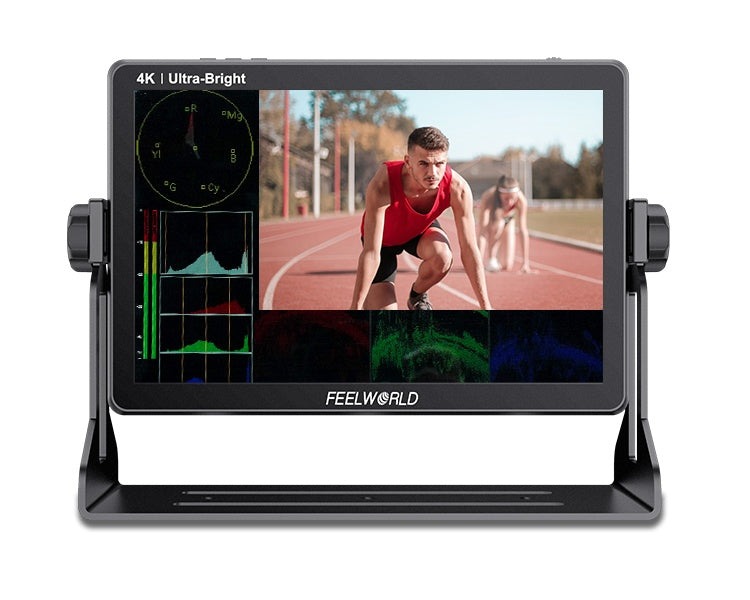
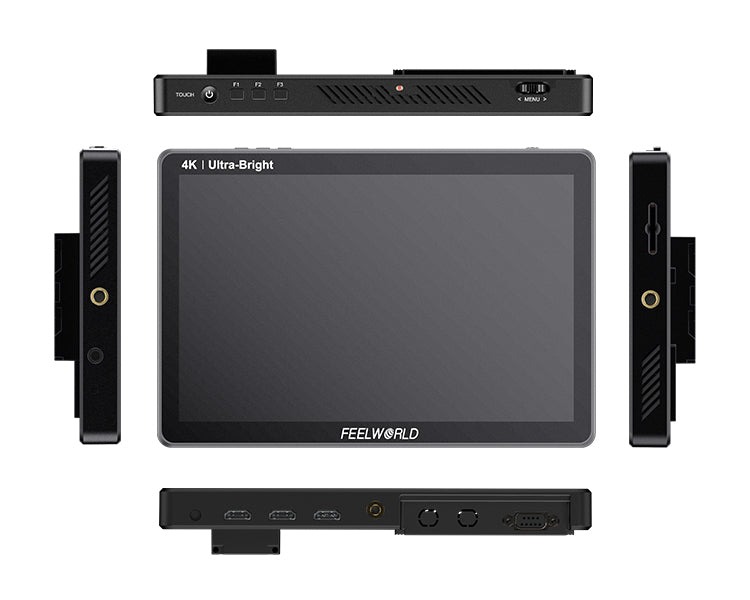
A ten-inch field monitor at 2000 cd/m², bright enough to stay readable in direct sun. Two HDMI inputs and one output handle up to 4K at 60 Hz, the IPS touch panel runs 1920 × 1200 and offers waveform, vectorscope, histogram, false colour and up to fifty custom 3D LUT tables. On the back there are two plates for Sony NP-F batteries and the F970 install kit,…
330 € with VAT
272.73 € without VAT
Availability
on request
Top accessories for Feelworld LUT11H
SmallRig Desktop Shooting Magic Arm with Crab Clamp Kit 4766
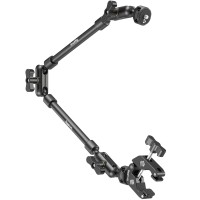
A desktop overhead setup: a 56 cm articulated magic arm, a crab clamp with swivelling
40 €
Backordered > 5 pcs
Viltrox Battery NP-F750
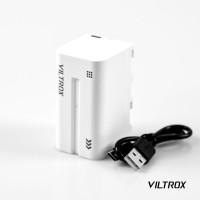
The Viltrox NP-F750 is a high-capacity, rechargeable NP-F-type Li-ion battery for
32 €
To be sent 4 pcs
SmallRig NP-F970 USB-C Rechargeable Camera Battery (Black) (4469)
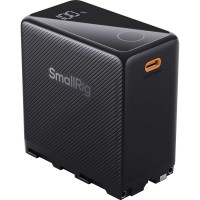
Promotion: -20% ends in: 1d: 01h: 45m
NP-F970-type battery with a 10500mAh/76.65wh capacity for extended usage, USB-C and
75.56 €
94.15 €
In stock > 5 pcs
Viltrox NP-F550
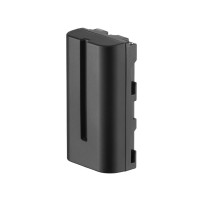
The Viltrox NP-F550 is a compact, rechargeable NP-F-type Li-ion battery for compatible
28 €
In stock > 5 pcs
SmallRig Ultra Slim 4K Mini HDMI cable 35cm (3040)
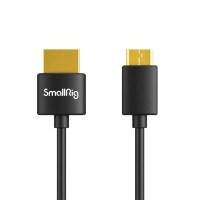
A 35 cm ultra-slim 4K HDMI cable (Mini HDMI to full HDMI) for a camera rig. HDMI
12 €
To be sent > 5 pcs
K&F CONCEPT 11-inch Adjustable Magic Arm with Super Clamp, 1/4" & 3/8" Threads, 1/4" Screws for Flas
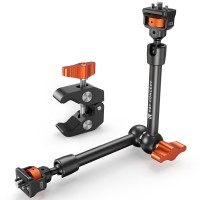
The K&F Concept 11" Magic Arm with clamp can be used with various photographic
35 €
In stock 1 pcs
SmallRig Ultra Slim 4K HDMI Cable (D to A) 35cm 3042B
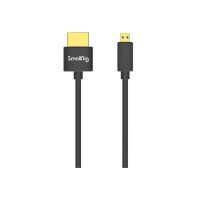
The SmallRig 3042B cable links a camera's micro HDMI (D) port to the full-size HDMI
12 €
Backordered > 5 pcs
SmallRig NP-F970 Camera Battery Charger 4086
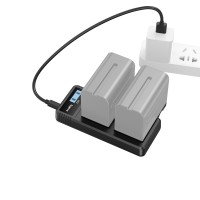
SmallRig 4086 dual-slot charger for Sony NP-F550 to NP-F970 batteries. It charges
13 €
In stock > 5 pcs
SmallRig Articulating Arm with Double Ballheads( 1/4’’ Screw) 2070B
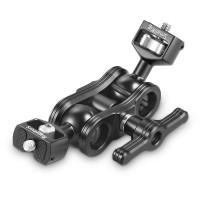
The SmallRig 2070B articulating arm carries a ball head with a 1/4"-20 screw at each
59 €
Backordered 5 pcs
Product description
SPECIFICATIONS
PACKAGE CONTENT
Product description
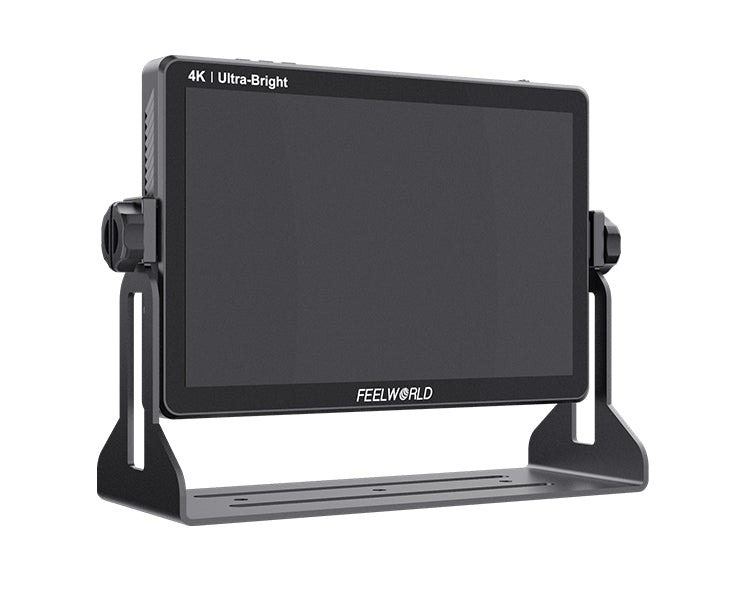
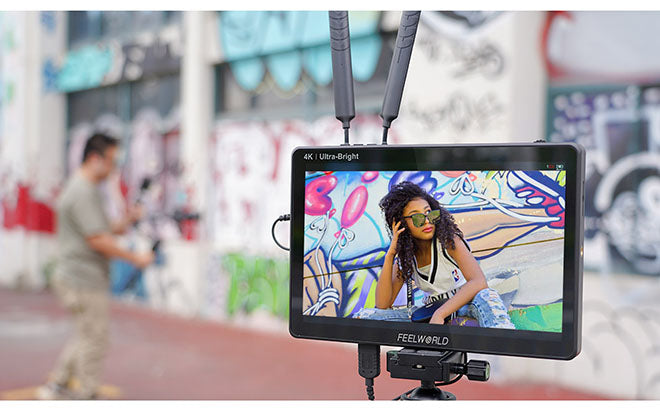
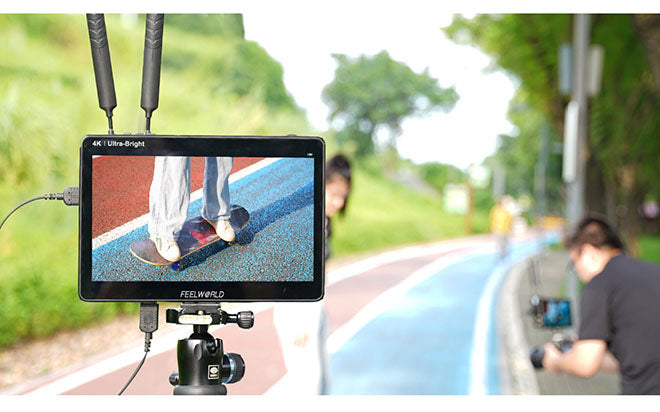
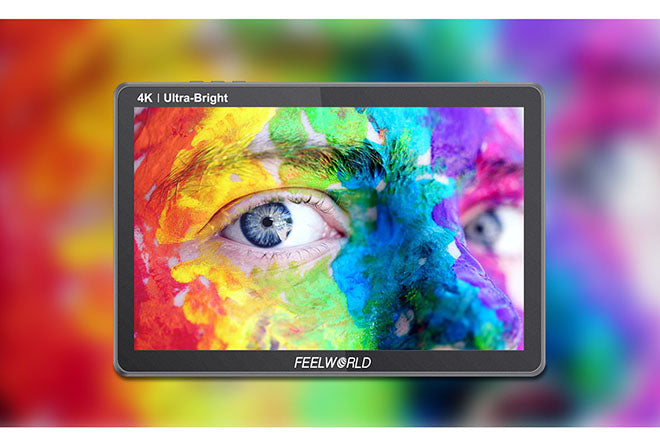
A ten-inch field monitor at 2000 cd/m², bright enough to stay readable in direct sun. Two HDMI inputs and one output handle up to 4K at 60 Hz, the IPS touch panel runs 1920 × 1200 and offers waveform, vectorscope, histogram, false colour and up to fifty custom 3D LUT tables. On the back there are two plates for Sony NP-F batteries and the F970 install kit, on which you mount a wireless transmitter or an LED light and power it straight from the monitor. The DC 8 V output powers your camera too.
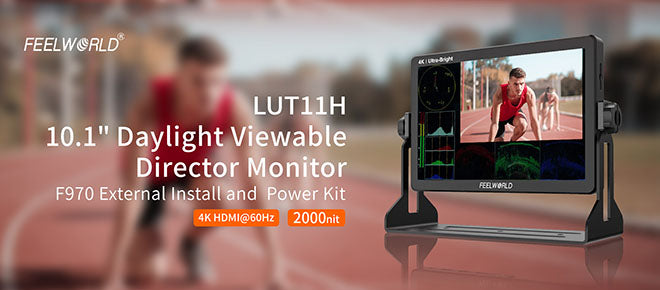
A ten-inch director monitor you can read in sunlight
1920 × 1200 touchscreen at 2000 nits
The LUT11H is a 10.1-inch field monitor with a full touch IPS panel and 2000 cd/m² of brightness. It takes the camera feed in over HDMI at up to 4K 60 Hz and loops it straight back out. For monitoring and framing it offers a full set of tools in a new icon-based menu where the numbers are legible at a glance.
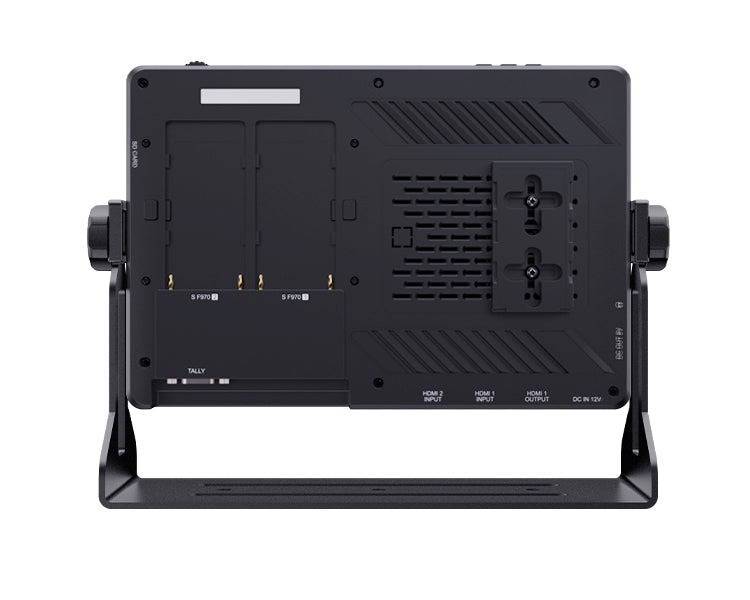
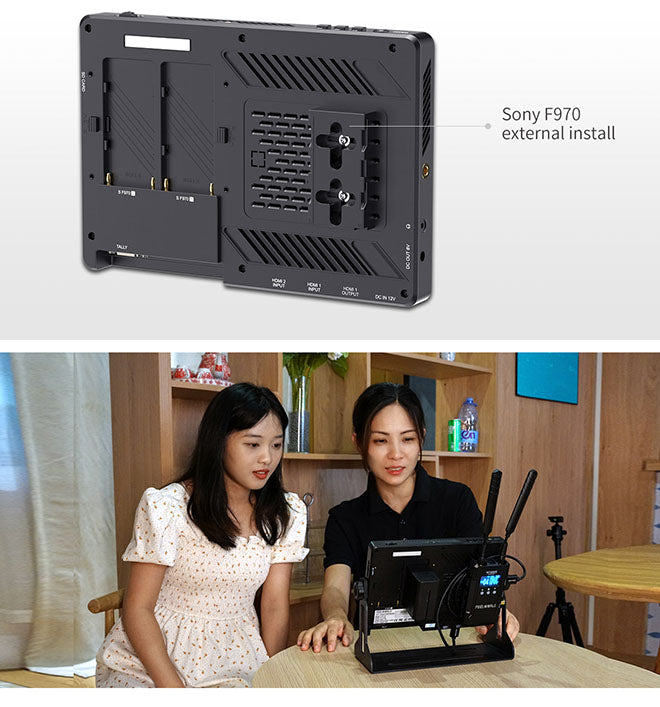
On the back sits a Sony F970 external install and power kit: mount a wireless transmitter, an LED light or a converter on it and power the device straight from the monitor, so the rig loses cables and brackets. Two battery plates take two NP-F batteries at once, which covers a full day of field shooting.
Full HD 1920 × 1200 panel
View clearly and capture every detail
The IPS panel runs 1920 × 1200 pixels at a 16:10 aspect ratio, 224 pixels per inch and a 0.113 mm dot pitch. It shows 16.7 million colours (8 bit) at a contrast ratio of 800:1.
A viewing angle of 85° on each side — 170° both horizontally and vertically — means the whole crew can watch the picture at once, not just whoever stands right in front of it.

Multiple colour gamuts
The monitor supports REC.709, DCI-P3 and BT.2020. You pick the one you work in, so you do not have to mentally compensate for how the image will look after grading.

2000 nits, daylight viewable
For shooting outdoors
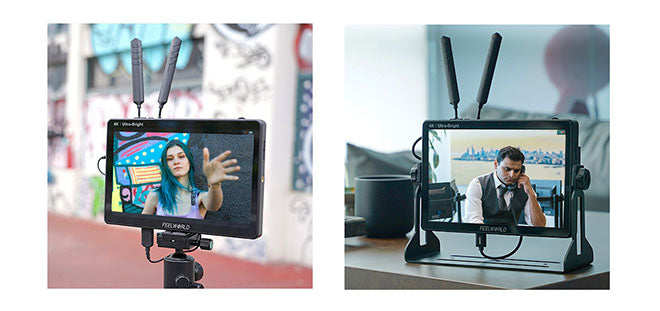
With 2000 nits of brightness the LUT11H is not afraid of harsh sun. The picture stays readable in direct light, so you can work without a sunshade and do not have to hunt for shade to check a shot. That is one accessory less to buy, carry and rig: the monitor stays 23 mm thin and 810 g light, so it unbalances neither a magic arm nor a cage and the rig packs down faster. A U-shape bracket for putting it on a tripod or straight onto the camera is included in the box.
Light sensor for auto dimming
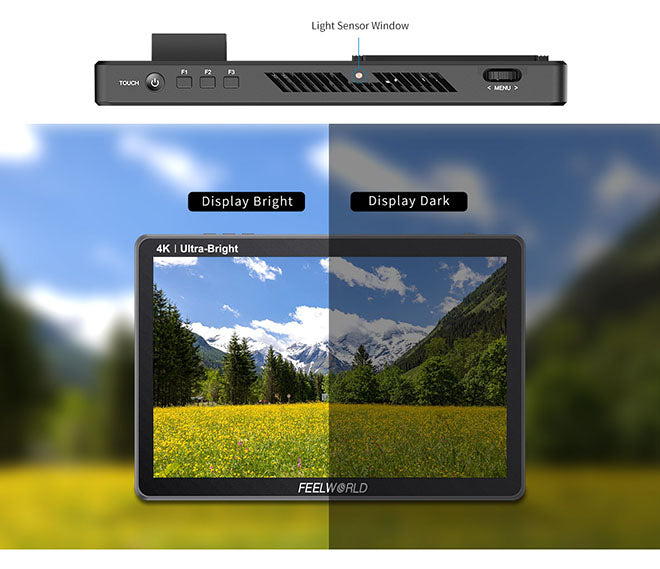
There is an ambient light sensor on the top edge. From a dim studio to a sunny location, from midnight moonlight to noon sunshine, the monitor adjusts its own brightness to the place you are filming in, so you do not have to reset it by hand.
New menu and touch control
Or the scroll wheel on the top edge
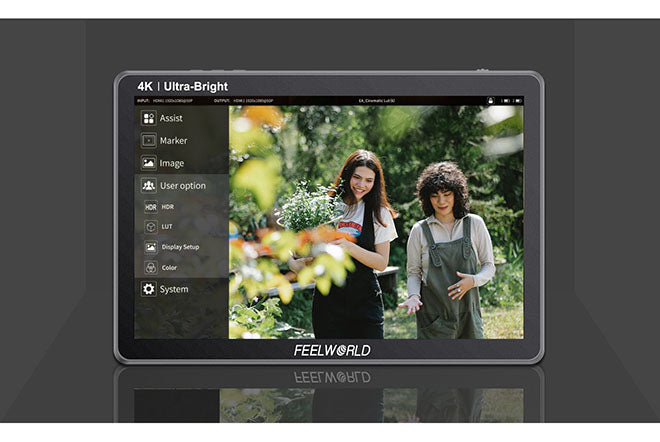
The interface is new and icon-based — functions open with a tap and a swipe rather than by walking through lists. A double tap opens the main menu, a swipe up from the bottom edge brings out the shortcut menu, the left half of the screen acts as a backlight slider and the right half as a volume slider. A tap beside the menu closes it.
If you would rather not use touch, or you are wearing gloves, the scroll wheel on the top edge does the same job. Next to it are three buttons, F1, F2 and F3, to which you assign functions in advance according to what you will need on set, then call them up with a single press during the shoot.
Tools for focus and exposure
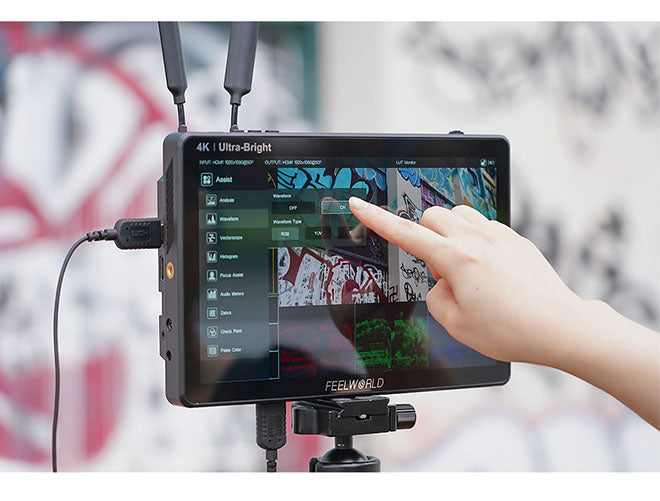
The monitor OS carries a set of tools, each one tap away: focus peaking in seven colours and eight levels, false colour (Spectrum and ARRI), zebra adjustable from 1 to 100 %, check field (red, green, blue, grey), a monochrome view, 1.0× to 5.0× zoom and pixel-to-pixel.
For framing there are centre, safety (70, 80 and 90 %) and aspect-ratio markers, a nine-grid overlay, horizontal and vertical image flip, image freeze and anamorphic de-squeeze at 1.25×, 1.33×, 1.5×, 1.6×, 1.8× and 2.0×. Marker colour and colour temperature (5600 K, 6500 K, 9300 K or custom) are yours to set.
Custom 3D LUTs
Up to 50 tables in the monitor
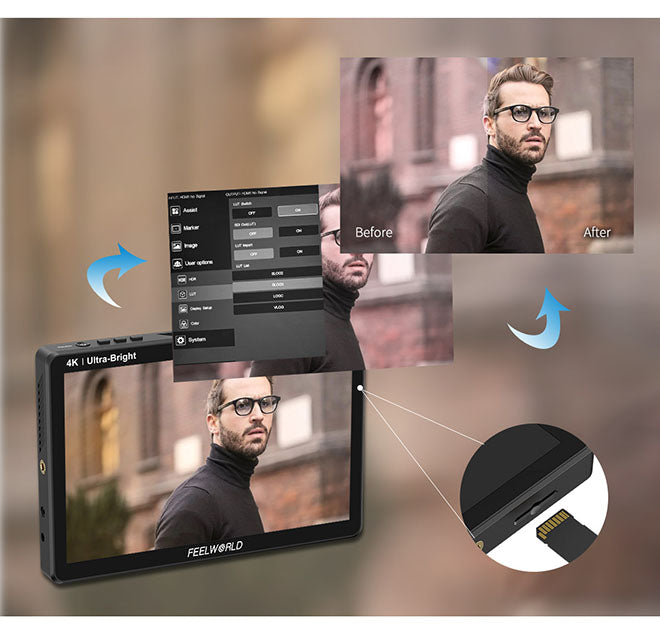
Loading LUTs makes colour calibration more intuitive and saves time at the very start of the job. Use the built-in LOG to Rec.709 conversion, or upload your own .cube files through the SD card slot — up to fifty of them — and switch between them at any point during the shoot. You see the intended look on set rather than in the edit.
HDR monitoring
What you see is what you get
The LUT11H supports HDR monitoring, so when you shoot Log you see detail and contrast closer to how the image will look after post. With HDR switched on you pick the gamma and gamut matching your camera — Sony, Canon, Panasonic, Fujifilm, Bolex, RED or ARRI. Flat Log footage stops being guesswork: you judge exposure and contrast against the way the shot will finally look, at the point where you can still change it — on set, not a week later in the edit.
Accurate waveform monitoring
Saves you a separate scope
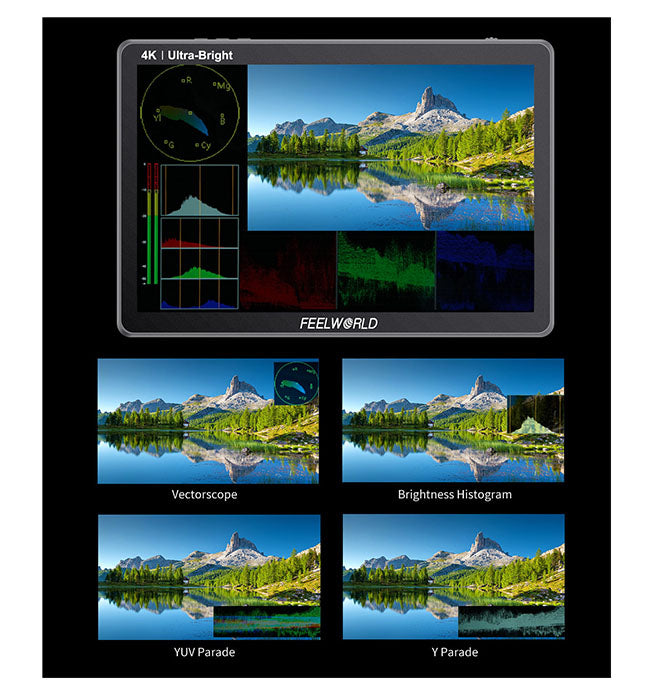
When you need to judge the image more precisely than by eye, the monitor has measurement built in: waveform as RGB parade, YUV parade and Y parade, vectorscope, brightness and RGB histogram, and audio phase and level displays. The functions open separately, or all at once with a single command. You no longer have to bring a standalone scope to a live production.
Two HDMI inputs and one output, up to 4K@60 Hz
For DSLR and mirrorless bodies alike
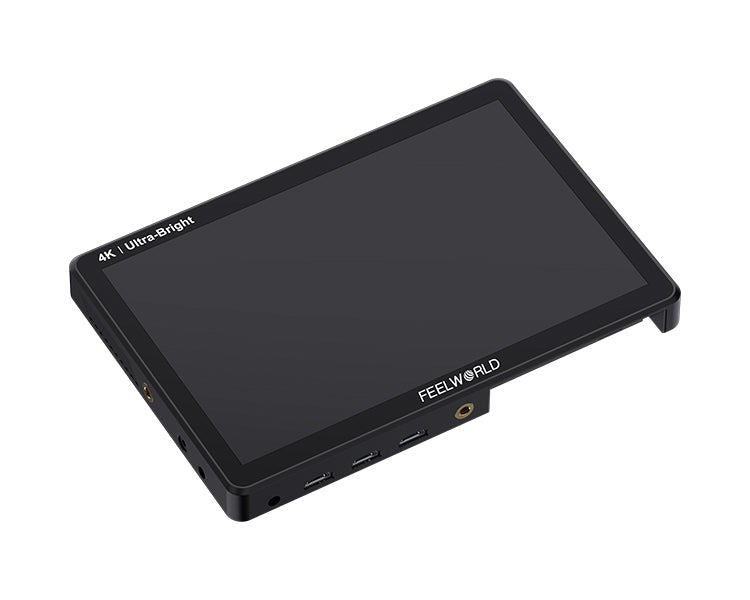
The bottom edge carries two HDMI inputs and one output. They take in and pass on resolutions up to 3840 × 2160 and 4096 × 2160 at 60 Hz, plus 1080p, 1080i, 720p and the 480i/576i/480p/576p formats. Connect two cameras to the two inputs and switch between them without repatching. A 3.5 mm headphone jack is provided for audio.
Note: the HDMI1 input loops out to the HDMI1 output by default; the HDMI2 input cannot loop out.

Sony F970 external install and power kit
Less clutter on the camera
On the back there is a Sony F970 kit on which you mount and from which you power external devices — a wireless transmitter, an LED light, a converter. It saves space and weight, because the add-on device needs neither its own battery nor its own bracket.
The kit has two cross slots, so you adjust the position of the device by loosening the screws. When you do not need it, the same screws take the whole kit off.
DC power in and out
Powers your camera too
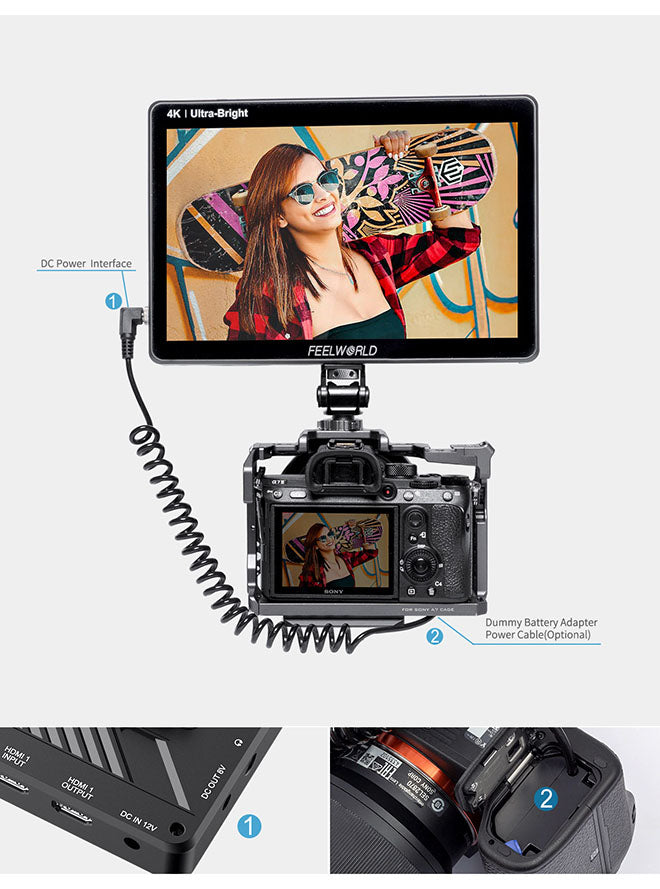
The monitor has a DC IN 12 V input suited to a 12 V/3 A adapter, and it tolerates a supply from 7 to 24 V. There is also an auxiliary DC OUT 8 V output on a 5.5 / 2.1 mm barrel connector: with a dummy-battery cable for your specific camera model (sold separately) you power the camera body from it and extend its run time.
Note: turn the monitor off with the power button rather than by pulling out the power cable.
Dual battery plates
Lasts a full day outdoors
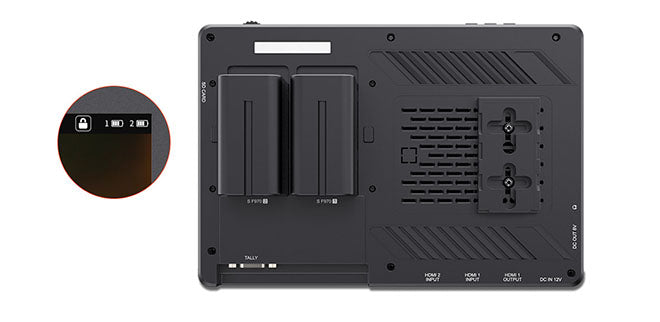
On the rear there are two plates for standard Sony NP-F batteries. Batteries can be swapped while running: double-tap and hold the battery icon in the top right corner for about three seconds and monitoring is not interrupted. One F970 battery (6600 mAh) lasts about 2 hours, two last 3.5 to 4 hours. You can fit one or both as you need.
Compatible Sony NP-F batteries: the F970, F960, F950, F930, F770, F750, F730, F570, F550 and F530 series. Batteries are not included and are bought separately; the higher the capacity, the longer the run time.
Three-colour tally indicator
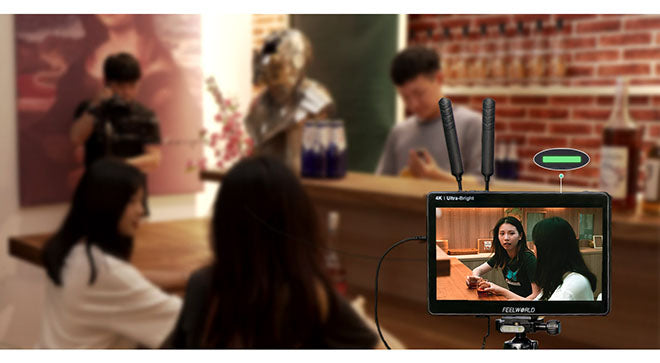
On the rear there is a tally light in three colours — green, red and yellow — driven from the DB-9 port on the bottom. The operator knows when they are live without having to ask.
Mounting and languages
The monitor has three 1/4"-20 threads — on the bottom and on both sides. You can mount it on a camera, a magic arm or a cage, in landscape or in portrait. The on-screen menu is available in nine languages.
PACKAGE CONTENT
- 1× FEELWORLD LUT11H monitor
- 1× mini HDMI cable
- 1× power adapter
- 1× U-shape bracket
- 1× user manual
SPECIFICATIONS
- Screen size: 10.1" IPS
- Resolution: 1920 × 1200 pixels
- Pixel pitch: 0.113 × 0.113 mm
- Aspect ratio: 16:10
- Brightness: 2000 cd/m²
- Contrast ratio: 800:1
- Backlight: LED
- Viewing angle: 85°/85° (L/R), 85°/85° (U/D)
- Inputs: 2× HDMI, 1× tally (DB-9 connector), 1× DC IN
- Outputs: 1× HDMI, 1× DC OUT 8 V (5.5 / 2.1 mm barrel)
- Audio: 3.5 mm stereo headphone output
- HDMI formats: 480i · 576i · 480p · 576p · 1080i@50/59.94/60 · 720p@23.98/24/25/29.97/30/50/59.94/60 · 1080p@23.98/24/25/29.97/30/50/59.94/60 · 3840 × 2160p@23.98/24/25/29.97/30/50/60 · 4096 × 2160p@23.98/24/25/29.97/30/50/60
- Loop-out: HDMI1 input to HDMI1 output; the HDMI2 input cannot loop out
- 3D LUT: built-in LOG to Rec.709, up to 50 custom .cube tables from an SD card
- Video assist: waveform (RGB, YUV, Y parade), vectorscope, brightness and RGB histogram, embedded audio, peaking, zebra 1–100 %, false colour (Spectrum, ARRI), check field, 1.0–5.0× zoom, markers, nine grid, image flip and freeze, anamorphic mode, pixel to pixel
- Colour gamuts: REC.709, DCI-P3, BT.2020
- Tally: rear indicator in three colours (green, red, yellow), driven from the DB-9 port
- Power: two Sony NP-F battery plates (F970 and related) or DC input
- Power input: DC IN, barrel connector — 12 V nominal (12 V/3 A adapter), 7–24 V range
- Power consumption: ≤ 26 W
- Menu languages: 9
- Mounting: three 1/4"-20 threads (bottom, left and right side)
- Working temperature: −10 °C to 50 °C
- Storage temperature: −20 °C to 60 °C
- Dimensions: 242 × 156 × 23 mm
- Weight: 810 g
WE RECOMMEND
The following accessories go with the Feelworld LUT11H. They are picked according to the connectors and power supply the product actually has.
HDMI cables – Thin, flexible cables with micro and mini HDMI connectors for hooking up a camera.
- Atomos Spirálový kabel 4K Full HDMI - Micro HDMI 30/60 cm
- Atomos Spirálový kabel Full HDMI - Mini HDMI
- SmallRig ultra tenký (Ultra Slim) 4K Micro HDMI na Full HDMI kabel (D to A) 35cm 3042B
- SmallRig Ultra tenký kabel 4K Mini HDMI 35 cm (3040)
NP-F batteries – Spare batteries of the Sony NP-F series — NP-F550, NP-F750 and NP-F970.
- Viltrox baterie NP-F550
- Viltrox Battery NP-F750
- SmallRig NP-F970 USB-C Rechargeable Camera Battery (Black) (4469)
Chargers – Chargers for NP-F series batteries.
Mounts and arms – Articulating arms and mounts with a 1/4″ thread for a cage, a tripod or a desk.
Parameters
| Manufacturer: | Feelworld |
| Category: | Camera monitors |
Main parameters
| Size | 10.1" |
| Monitor inputs | HDMI · 4K HDMI |
| Luminosity | 2000cd/m2 |
| Panel resolution | 1920x1200 |
| Monitor power supply | Sony NP-F · DC-OUT |
Other parameters
| Tally | Yes |
| Other features | Touchscreen · HDR · Tally · 3D LUT correction · Power output |
| High Brightness (NITS) | Yes |
GPSR
TB EC REP EUROPEAN SL
Business address: Calle Marcelo Usera 60, LC. Madrid 28026 Spain
ACCESSORIES (9)
ACCESSORIES (9)
SmallRig Desktop Shooting Magic Arm with Crab Clamp Kit 4766
A desktop overhead setup: a 56 cm articulated magic arm, a crab clamp with swivelling
40 €
Backordered > 5 pcs
Viltrox Battery NP-F750
The Viltrox NP-F750 is a high-capacity, rechargeable NP-F-type Li-ion battery for
32 €
To be sent 4 pcs
SmallRig NP-F970 USB-C Rechargeable Camera Battery (Black) (4469)
Promotion: -20% ends in: 1d: 01h: 45m
NP-F970-type battery with a 10500mAh/76.65wh capacity for extended usage, USB-C and
75.56 €
94.15 €
In stock > 5 pcs
Viltrox NP-F550
The Viltrox NP-F550 is a compact, rechargeable NP-F-type Li-ion battery for compatible
28 €
In stock > 5 pcs
SmallRig Ultra Slim 4K Mini HDMI cable 35cm (3040)
A 35 cm ultra-slim 4K HDMI cable (Mini HDMI to full HDMI) for a camera rig. HDMI
12 €
To be sent > 5 pcs
K&F CONCEPT 11-inch Adjustable Magic Arm with Super Clamp, 1/4" & 3/8" Threads, 1/4" Screws for Flas
The K&F Concept 11" Magic Arm with clamp can be used with various photographic
35 €
In stock 1 pcs
SmallRig Ultra Slim 4K HDMI Cable (D to A) 35cm 3042B
The SmallRig 3042B cable links a camera's micro HDMI (D) port to the full-size HDMI
12 €
Backordered > 5 pcs
SmallRig NP-F970 Camera Battery Charger 4086
SmallRig 4086 dual-slot charger for Sony NP-F550 to NP-F970 batteries. It charges
13 €
In stock > 5 pcs
SmallRig Articulating Arm with Double Ballheads( 1/4’’ Screw) 2070B
The SmallRig 2070B articulating arm carries a ball head with a 1/4"-20 screw at each
59 €
Backordered 5 pcs
Alternative (5)
Alternative (5)
Lilliput HT5S
Promotion: -6%
HT5S 5.5" Ultra High 2000 Nits Brightness Touch On-Camera Control Monitor
315.94 €
337.59 €
In stock > 5 pcs
Portkeys LH7H (White)
The Portkeys LH7H in white is a lightweight 7" touchscreen camera monitor with a
329 €
To be sent 1 pcs
Viltrox DC-X3 KIT
Viltrox DC-X3 KIT is a professional 6-inch Full HD touchscreen monitor with 2000-nit
328 €
Backordered 2 pcs
Lilliput H7S 7" 4K HDMI/3G-SDI Ultra-Bright On-Camera Monitor
Promotion: -12%
Monitor your 4K camera images with the H7S 7" 4K HDMI/3G-SDI Ultra-Bright On-Camera
295.4 €
337.59 €
In stock 1 pcs
Feelworld LUT11S
FEELWORLD LUT11S is a 10.1-inch with full touch screen, ultra brightness 2000nit
385 €
Backordered 2 pcs


News, training, and discounts from Syntex
Special offers and discounts for subscribers only · Free audio & video workshops · News and tips from the world of filmmaking
- Show all
Feelworld LUT11H
A ten-inch field monitor at 2000 cd/m², bright enough to stay readable in direct330 €on request