
 CZ
CZ SK
SK HU
HU AT
AT DE
DE ES
ES SI
SI HR
HR
Nothing in the basket.

- Search
-
Login

-
0
Comparison
Add products to compare, then they will appear here and you can compare parameters.
-
0
0 €
Tilta Hydra Mini Arm Pro Kit - V Mount
SKU: HDA-T08-A-V
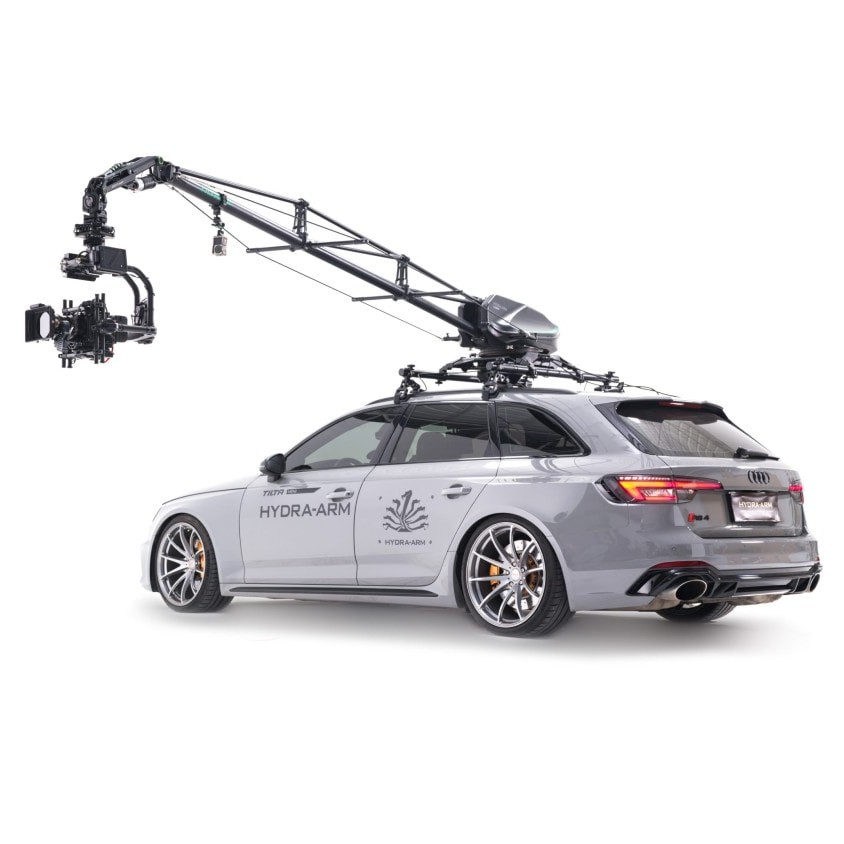
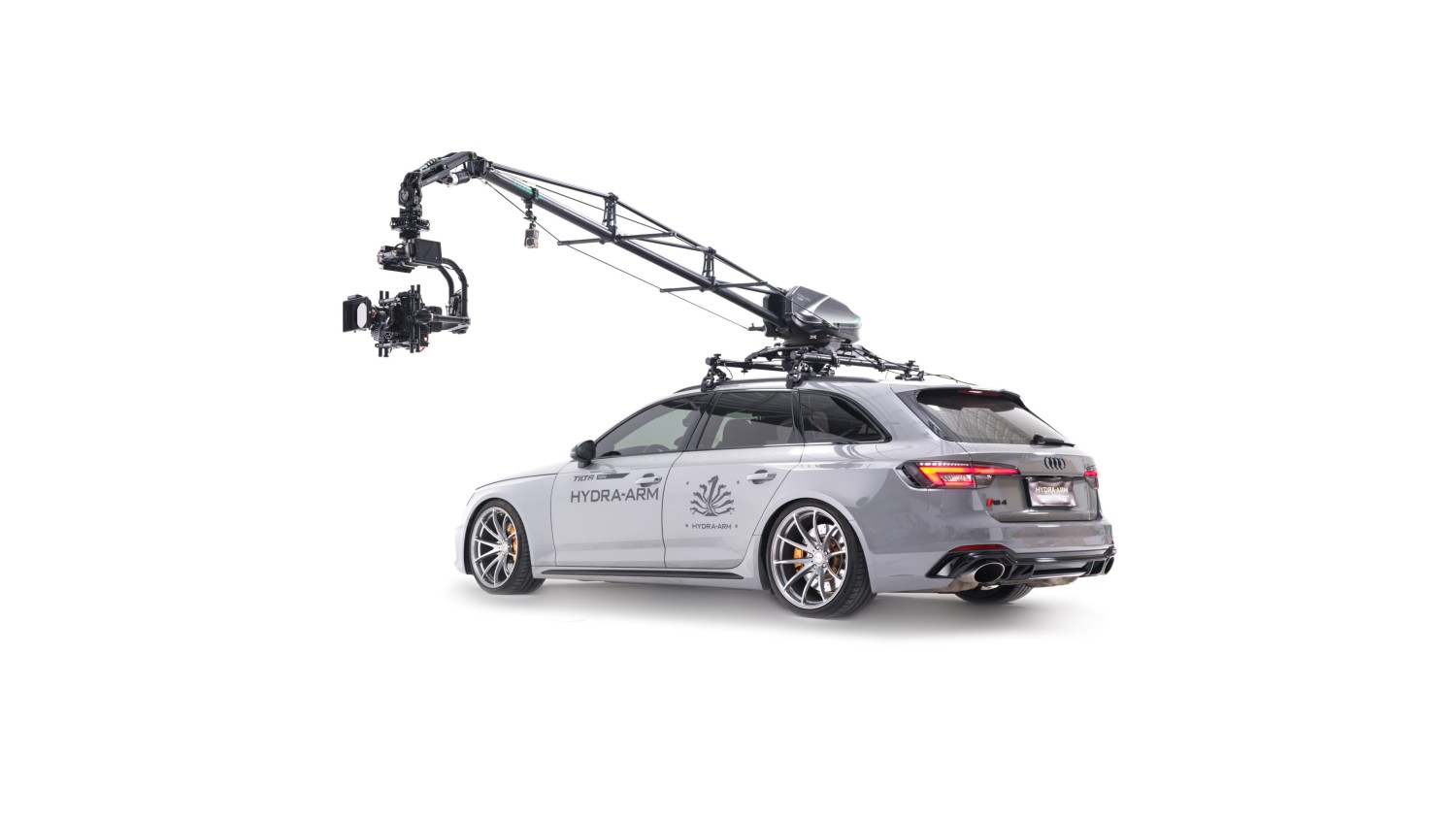
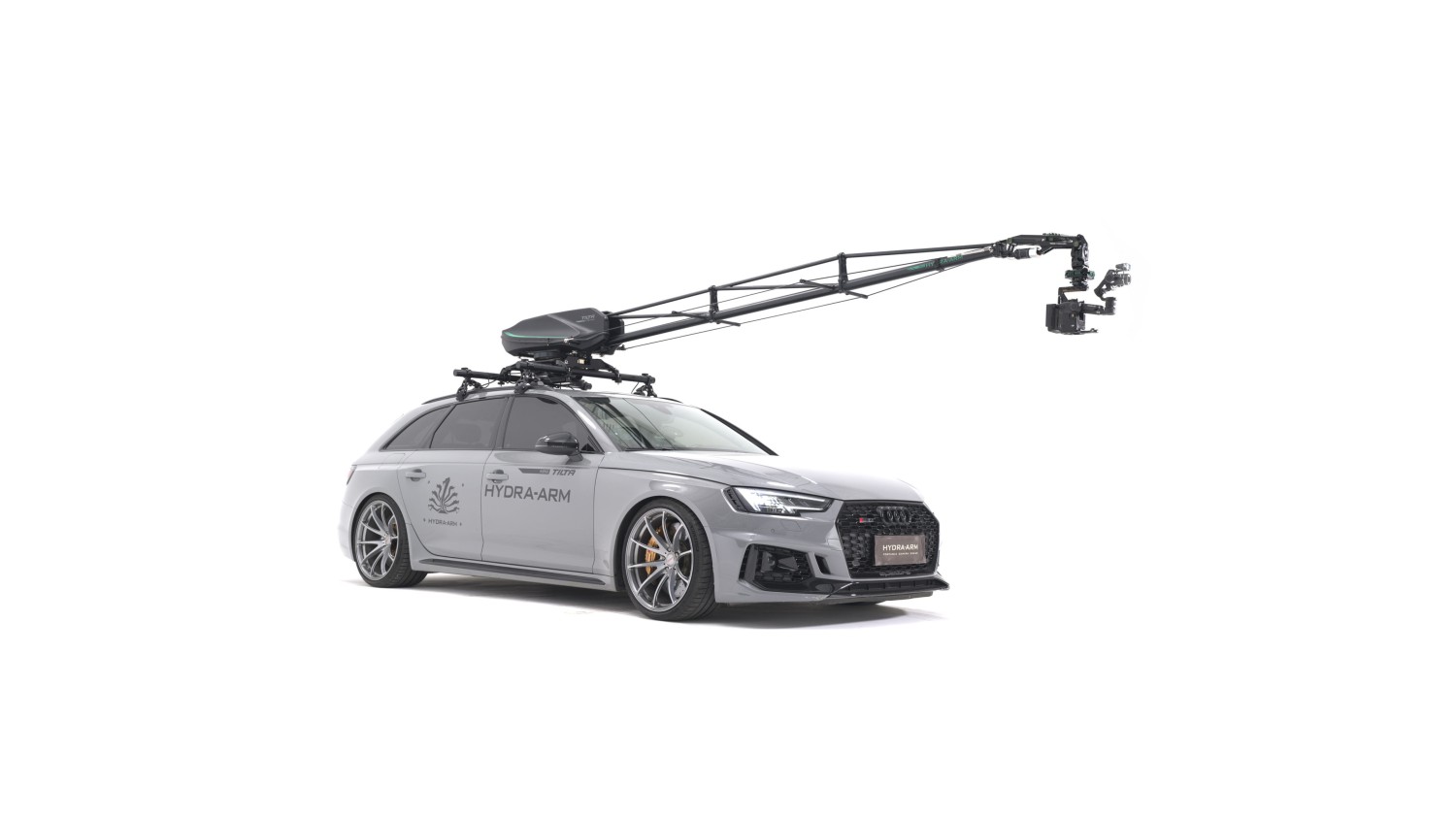
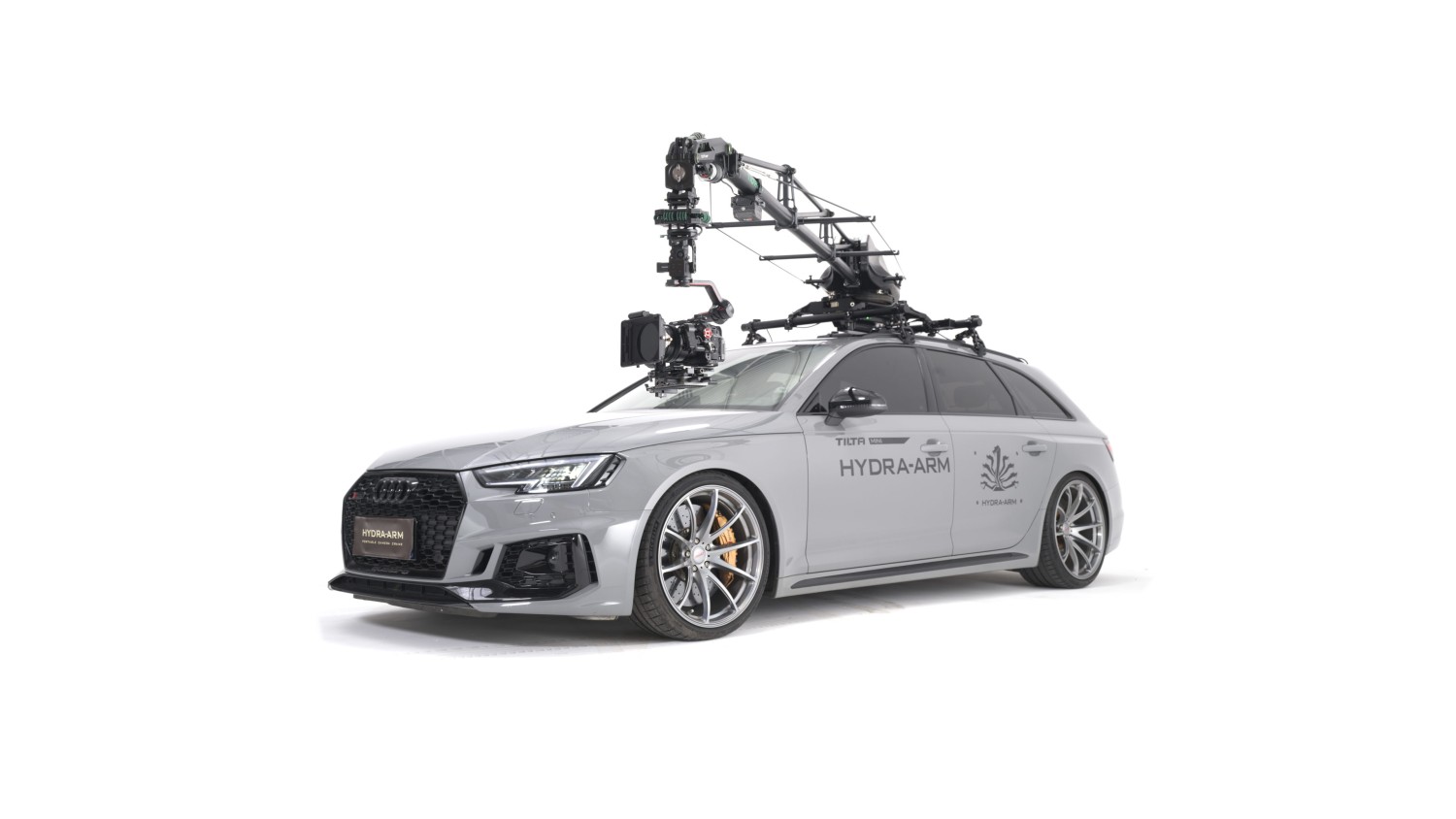
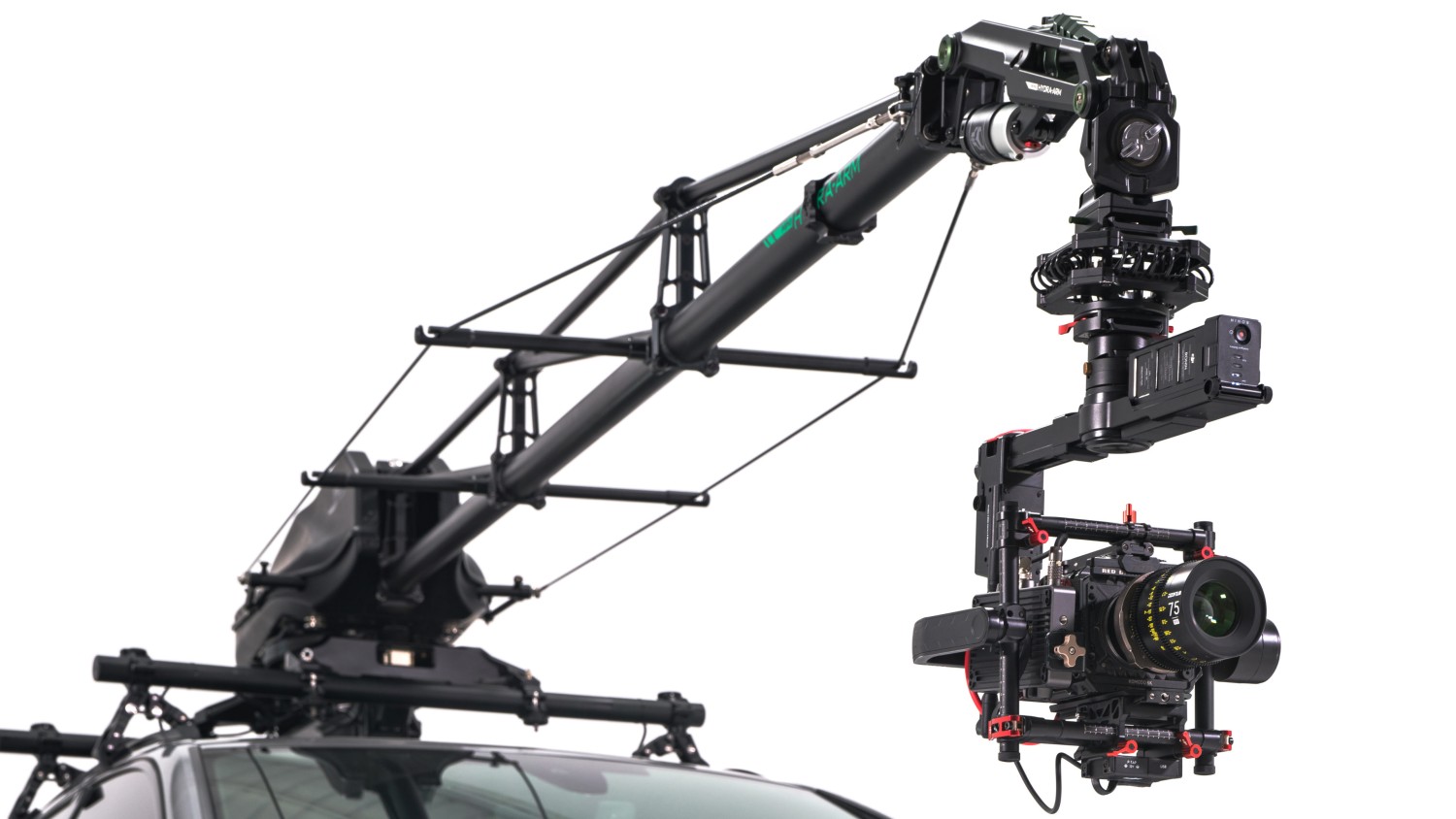
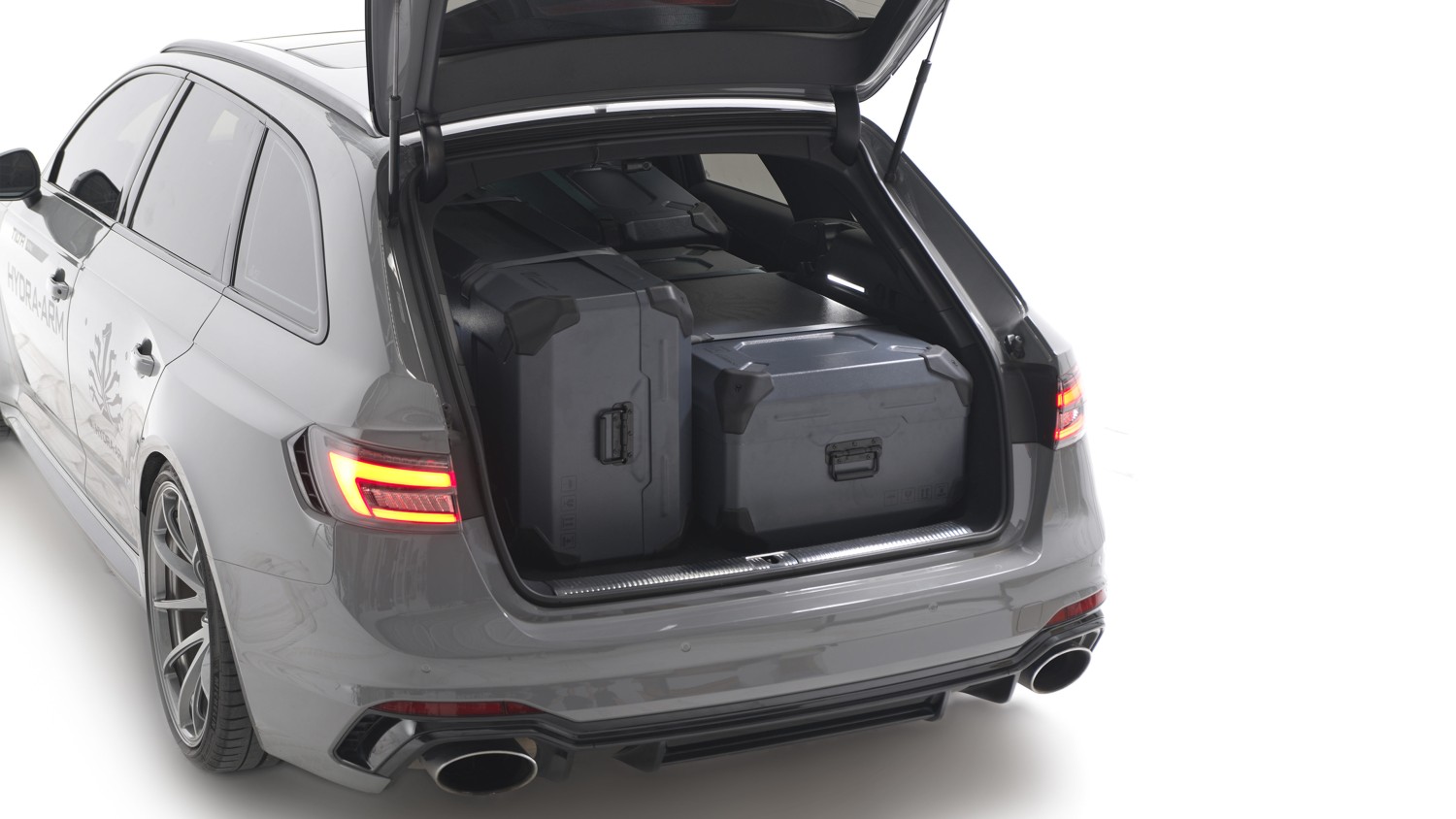
The Tilta Hydra Arm Mini Pro Kit is a car-mounted camera crane for shooting from a moving vehicle. The 387 cm arm reaches 450 cm high, carries 10 kg including the gimbal and turns 360° in six seconds — with no counterweight. The Pro kit brings the complete vehicle mounting: suction cups, speed rails, monitor brackets for the front passenger and rear seats,…
14 629 € with VAT
12 090.08 € without VAT
Availability
on request
Top accessories for Tilta Hydra Mini Arm Pro Kit - V Mount
Tilta Hydra Alien Mini Ultimate Kit - Forest Green
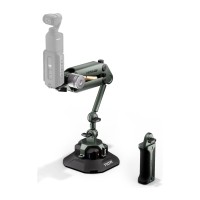
A Tilta kit in forest green that handles shooting from a moving car and handheld
253 €
Backordered 5 pcs
Tilta Rear Seat Monitor Mounting Bracket Pro
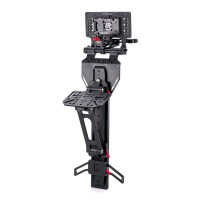
The Tilta HDA-T08-RSB2 is the heavy-duty version of the rear seat monitor bracket
909 €
In stock 1 pcs
Tilta Electronic Suction Cup Control Kit
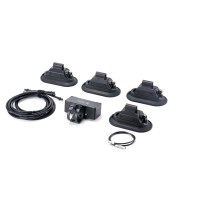
The Tilta HDA-T08-ECK kit replaces the four suction cups of the Hydra Arm Mini camera
589 €
In stock 1 pcs
Tilta Battery Plate for Hydra Arm Mini - Gold Mount
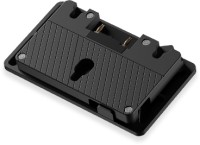
The Tilta HDA-T08-BTP-AB Gold Mount Battery Plate is a professional power solution
71 €
on request
Tilta Shock Absorbing Head for Hydra Arm Mini
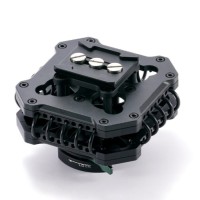
The Tilta HDA-T08-SAA-HD Shock Absorbing Head is a direct replacement/upgrade damping
399 €
on request
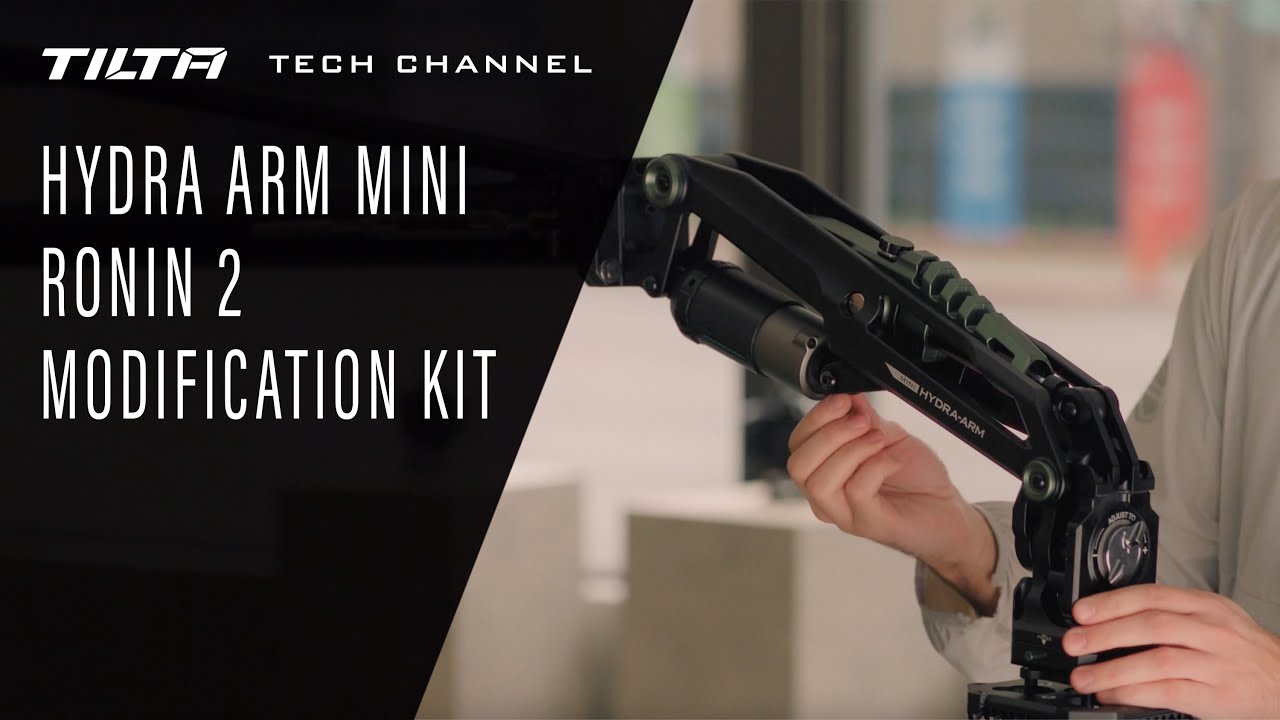
Tilta Hydra Arm Mini Modification Kit for DJI Ronin 2
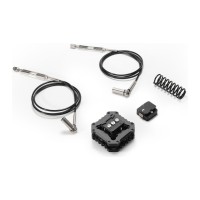
The Tilta HDA-T08-MK-R2 Hydra Arm Mini Modification Kit upgrades the standard Tilta
799 €
on request
Product description
SPECIFICATIONS
PACKAGE CONTENT
Product description
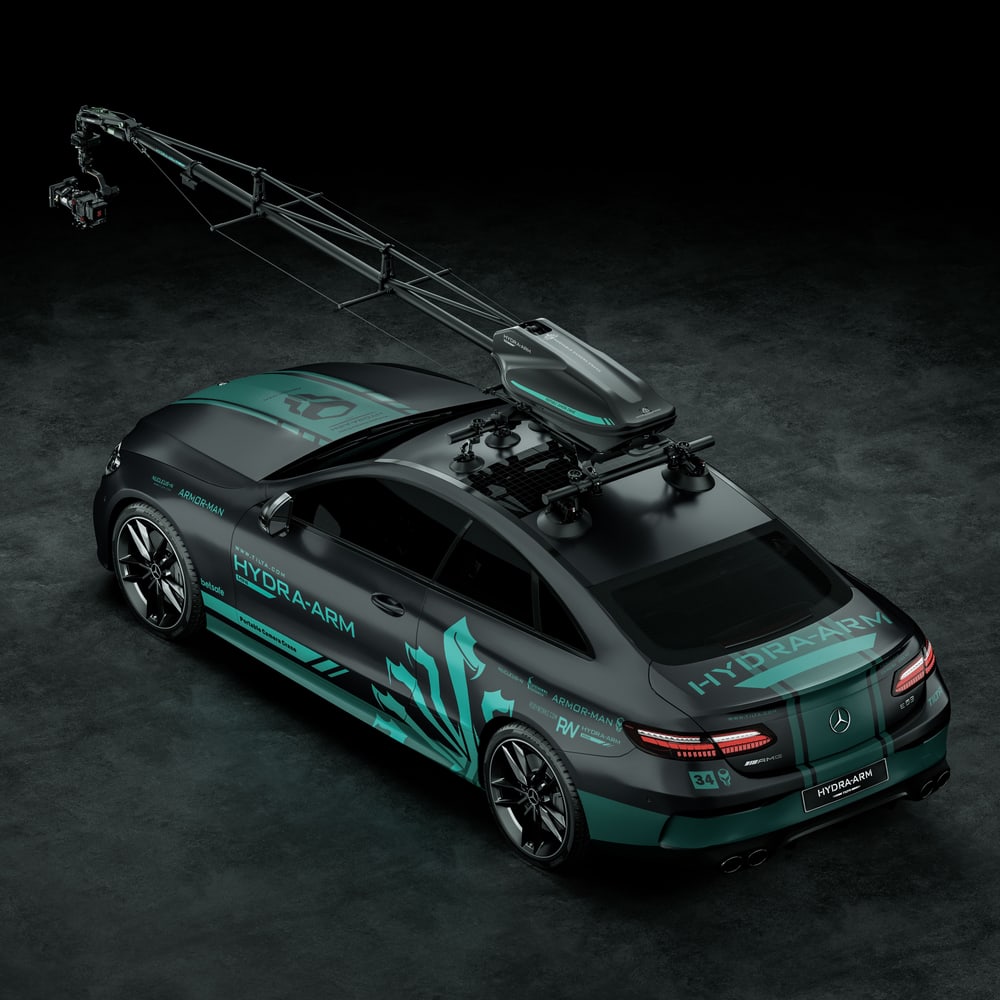
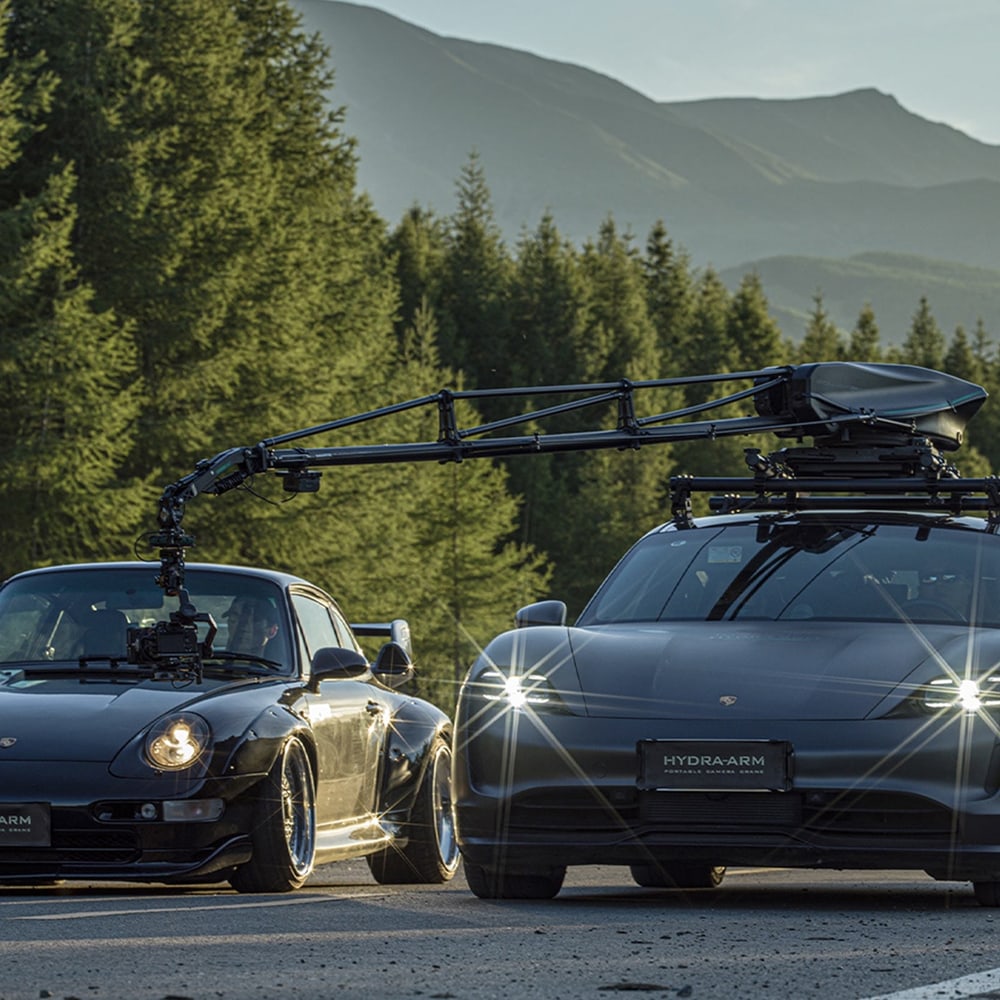
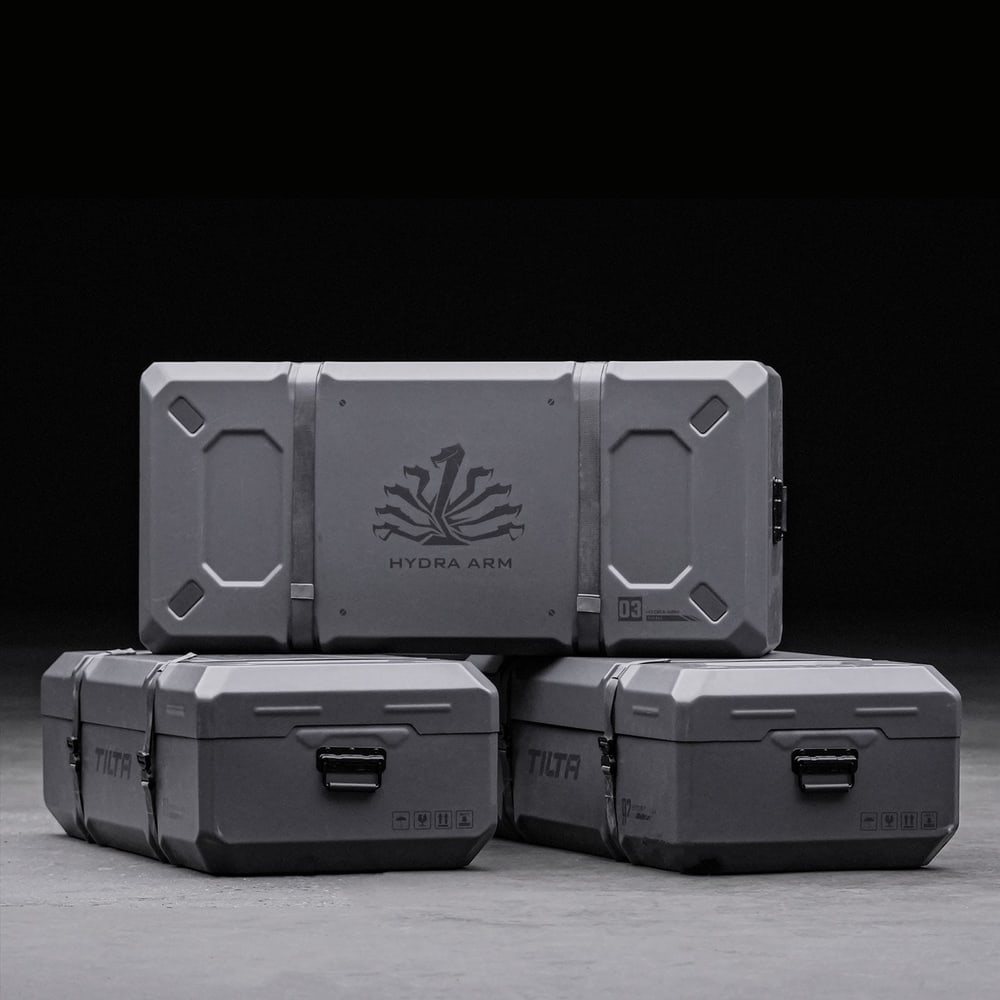
The Tilta Hydra Arm Mini Pro Kit is a car-mounted camera crane for shooting from a moving vehicle. The 387 cm arm reaches 450 cm high, carries 10 kg including the gimbal and turns 360° in six seconds — with no counterweight. The Pro kit brings the complete vehicle mounting: suction cups, speed rails, monitor brackets for the front passenger and rear seats, a V-Mount battery plate and ratchet straps.
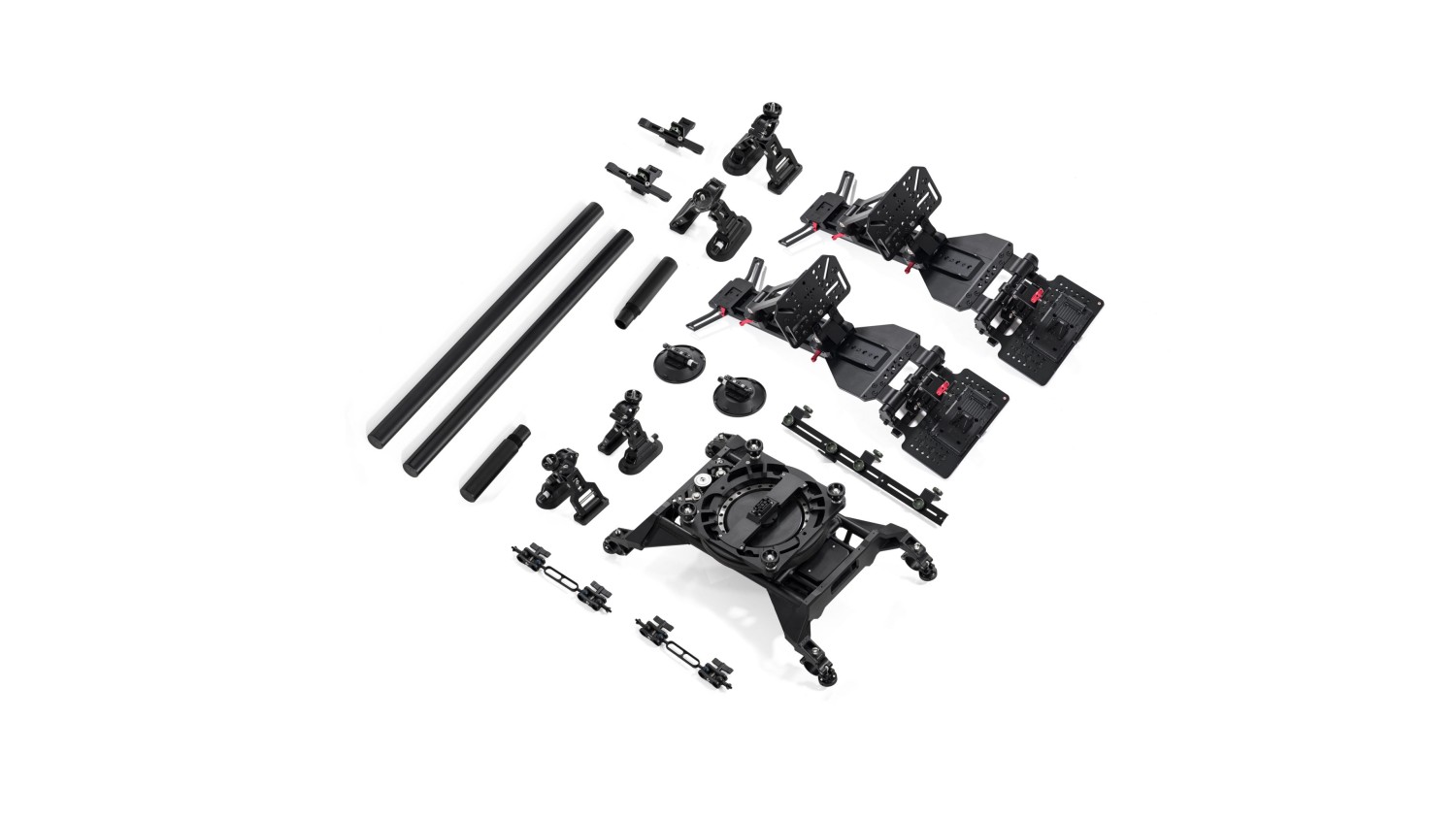
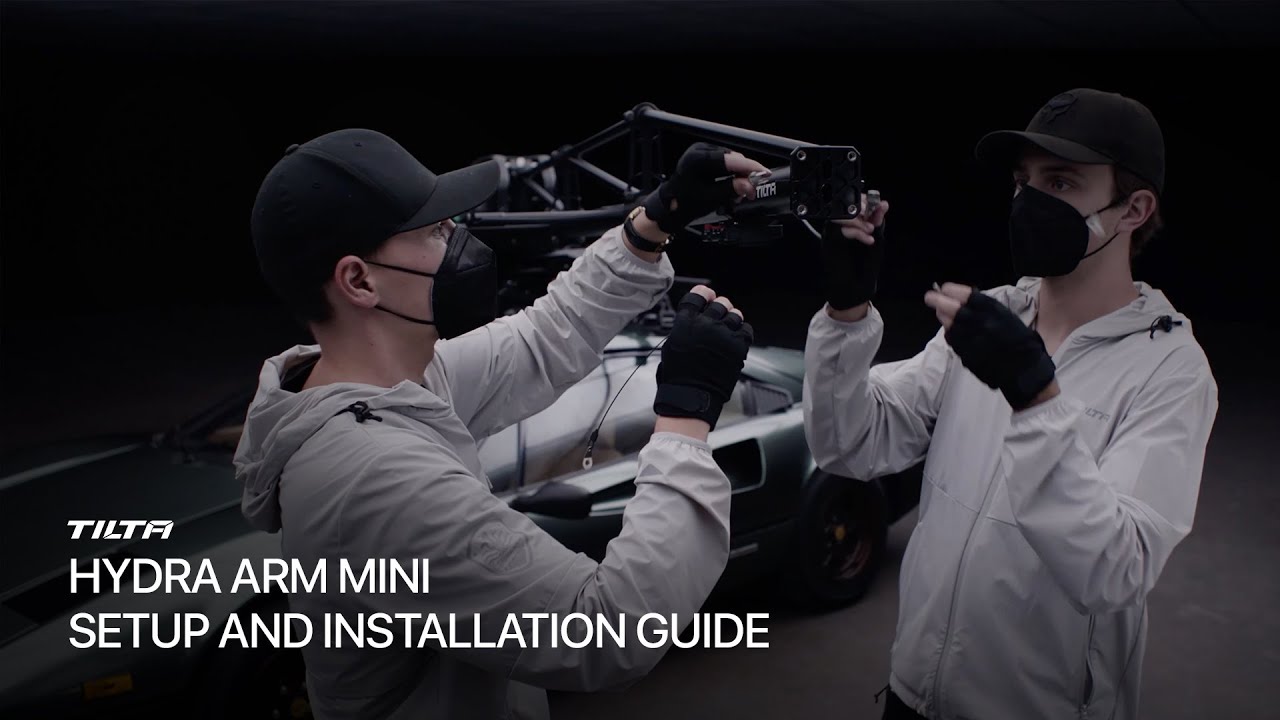
The Hydra Arm Mini is a camera crane that mounts on a car roof and carries a gimbal with a camera while the vehicle is moving. The Pro Kit is complete: suction cups, speed rails, ratchet straps, monitor brackets for the front passenger and the rear seats and a V-Mount battery plate all come with the arm.
Key features
Pro mode
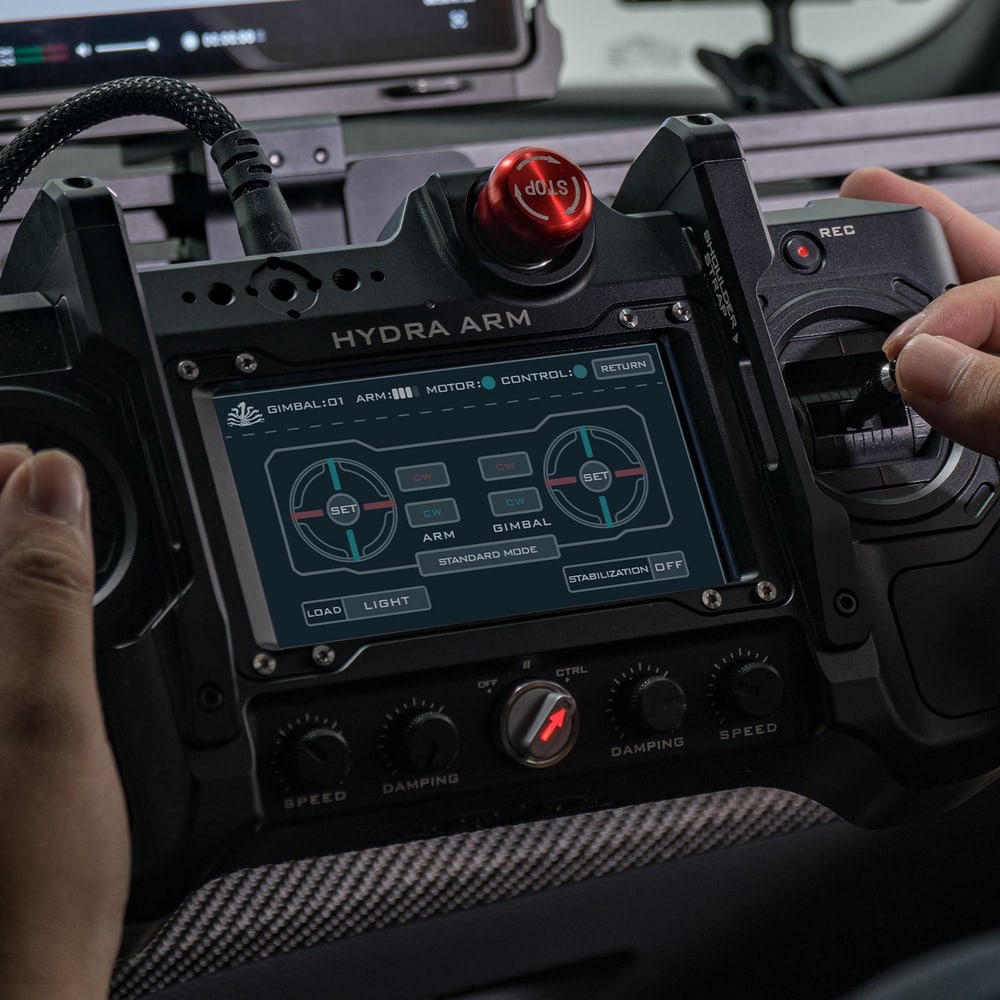
The arm and the gimbal can be driven at the same time from one controller, and the joystick supports several control configurations. The mode needs the wireless receiver module, sold separately.
Configurable suction cup placement
The cups are placed to suit the shape of the roof, in small and large sizes and in several layouts. That covers most vehicles, panoramic roofs included.
Low weight
The mounting brackets are made of high-strength carbon fibre composite with an optimised structure. That is why the arm needs no counterweights.
Modular build
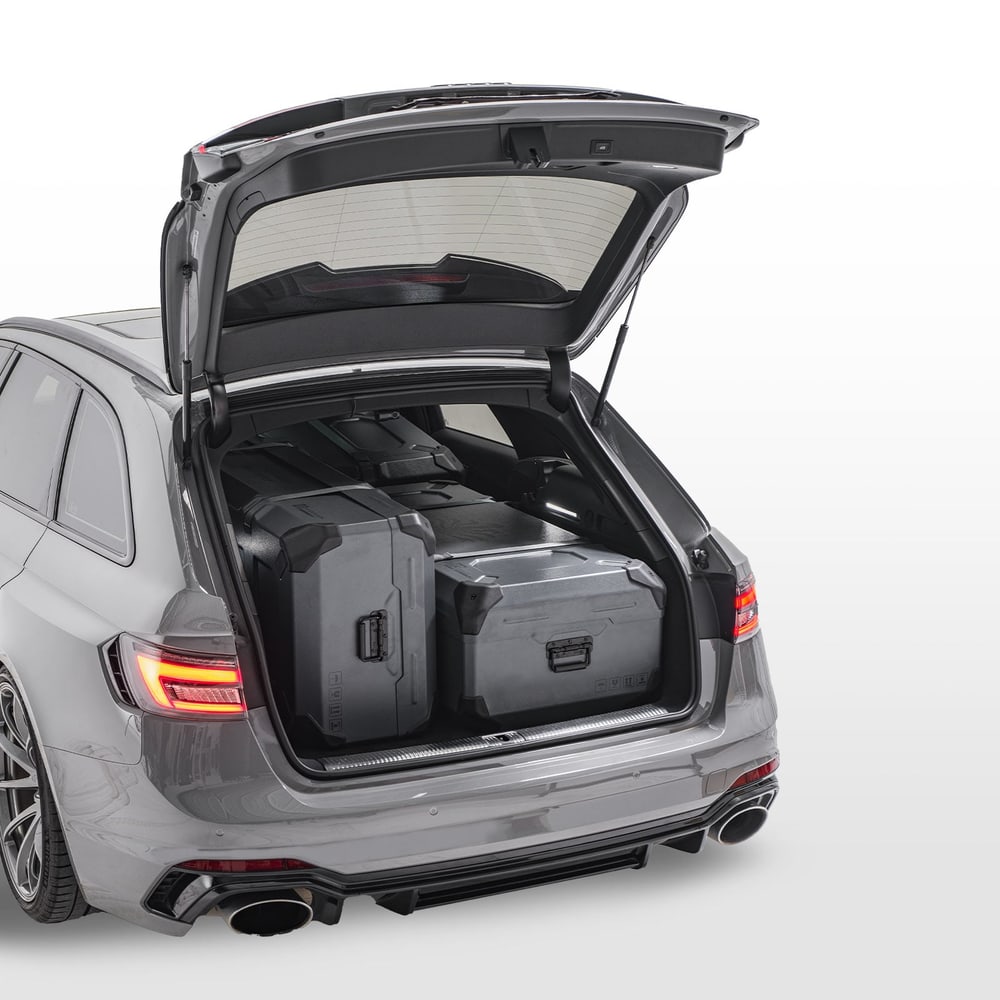
The kit breaks down into modules, so it goes together and packs away quickly. Between locations it travels without dismantling the whole rig.
Smaller cases
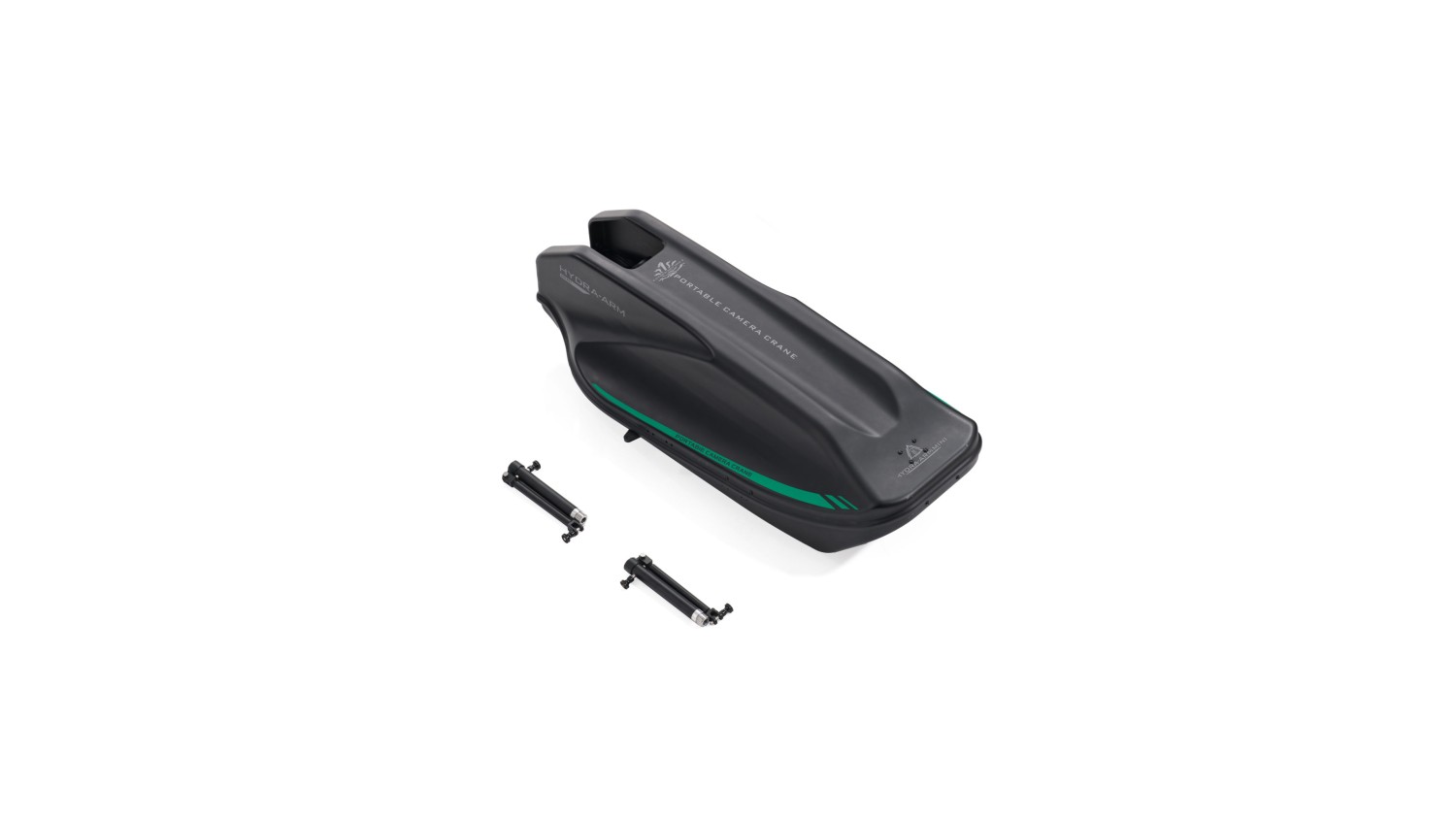
The cases are laid out to meet the oversized baggage rules of most commercial airlines.
Good to know
The arm is designed for the DJI RS 2 and RS 3 Pro gimbals but also works with the DJI Ronin 4D, Ronin MX and Freefly MoVI Pro. Another gimbal can be used if it mounts on a 1/4"-20 thread, runs on a V-Mount battery and stays within the payload limit.
The counterweight-free design shortens setup and is safer to operate: at any moment only one end of the arm needs watching.
The shock absorbing arm steadies the gimbal over rough surfaces and is set to the weight of the payload. Damping in the arm head can be tuned separately for the horizontal and the vertical axis.
The controller connects by cable, which is more reliable than a wireless link. It gives the operator speed, damping and range limits separately for the tilt and the pan axis; preferred settings can be stored.
Under ideal conditions the system takes speeds of up to 120 km/h. The manufacturer recommends 60 km/h or less, especially with a heavier camera or a lighter gimbal — camera weight, gimbal stiffness and weather decide.
The arm passes neither power nor video through. Video has to be sent wirelessly (transmitter not included) and the camera powered from its own batteries or from the battery plate on the arm.
The system needs a 220 V power supply of 1800 W or more. It is not included.
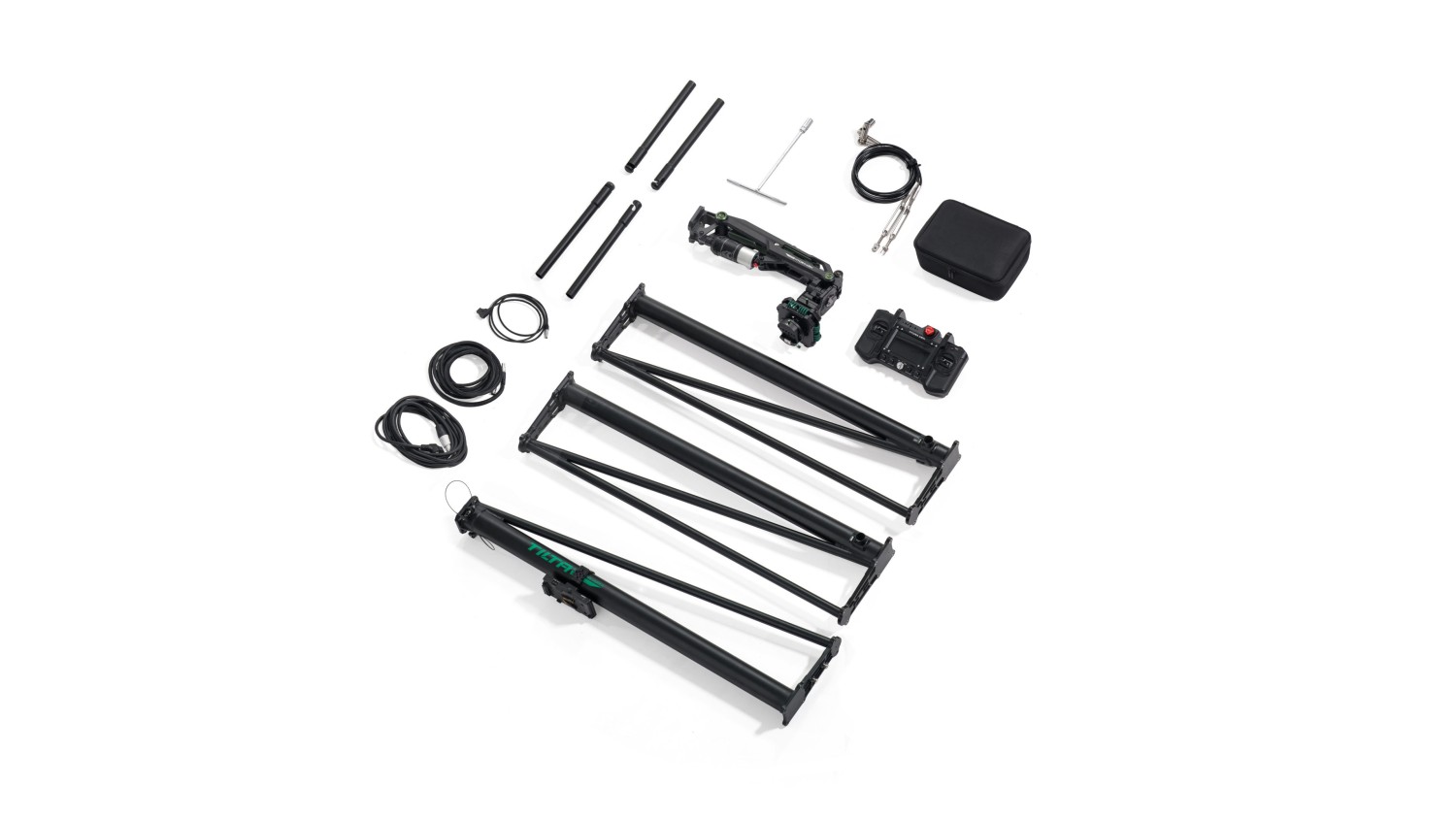
PACKAGE CONTENT
- Pan axis module — 1×
- Speed rail 50 mm — 2×
- Suction cup support bracket — 4×
- Monitor support bracket for the front passenger seat — 1×
- Suction cup — 2×
- Articulating arm — 2×
- Monitor support bracket for the rear passenger seat — 2×
- Tilt axis module — 1×
- Cable support rod — 2×
- Crane arm piece I — 2×
- Crane arm piece II — 1×
- Shock absorbing arm — 1×
- Remote control — 1×
- Battery plate for Hydra Arm Mini — V-Mount — 1×
- Power supply base plate for DJI Ronin — 1×
- 220 V power cable — 1×
- Communication cable — 1×
- Support cable — 2×
- 2-pin to P-Tap power cable — 1×
- Ratchet strap — 2×
- Tool set — 1×
- Cable support bar — 4×
SPECIFICATIONS
- Arm length: 387 cm (152″)
- Maximum height: 450 cm (177″)
- Payload: 10 kg including the gimbal
- Lift speed: 80° in 1.7 s
- Rotation speed: 360° in 6 s
- Net weight: 70 kg (excluding gimbal and camera)
- Power requirement: 220 V, 1800 Wh and above (power source not included)
- Packing dimensions: 114.3 × 35.6 × 53.3 cm, three packages
- Compatibility: DJI RS2, DJI RS3 Pro, DJI Ronin 4D, Freefly MoVI Pro, DJI Ronin MX
- Note: The arm has no power or video passthrough — you need a wireless video transmitter (not included) and camera power from onboard batteries or the battery plate on the arm.
ACCESSORIES (6)
ACCESSORIES (6)
Tilta Hydra Alien Mini Ultimate Kit - Forest Green
A Tilta kit in forest green that handles shooting from a moving car and handheld
253 €
Backordered 5 pcs
Tilta Rear Seat Monitor Mounting Bracket Pro
The Tilta HDA-T08-RSB2 is the heavy-duty version of the rear seat monitor bracket
909 €
In stock 1 pcs
Tilta Electronic Suction Cup Control Kit
The Tilta HDA-T08-ECK kit replaces the four suction cups of the Hydra Arm Mini camera
589 €
In stock 1 pcs
Tilta Battery Plate for Hydra Arm Mini - Gold Mount
The Tilta HDA-T08-BTP-AB Gold Mount Battery Plate is a professional power solution
71 €
on request
Tilta Shock Absorbing Head for Hydra Arm Mini
The Tilta HDA-T08-SAA-HD Shock Absorbing Head is a direct replacement/upgrade damping
399 €
on request
Tilta Hydra Arm Mini Modification Kit for DJI Ronin 2
The Tilta HDA-T08-MK-R2 Hydra Arm Mini Modification Kit upgrades the standard Tilta
799 €
on request
Alternative (1)
Alternative (1)
Tilta Hydra Arm Mini Basic Kit - V Mount
The Tilta Hydra Arm Mini Basic Kit is the car-mounted camera crane in its basic form
12 209 €
on request

News, training, and discounts from Syntex
Special offers and discounts for subscribers only · Free audio & video workshops · News and tips from the world of filmmaking
- Show all
Tilta Hydra Mini Arm Pro Kit - V Mount
The Tilta Hydra Arm Mini Pro Kit is a car-mounted camera crane for shooting from14 629 €on request