
 CZ
 SK
 HU
 AT
 DE
 ES
 SI
 HR

Nothing in the basket.

- Search
-
Login

-
0
Comparison
Add products to compare, then they will appear here and you can compare parameters.
-
0
0 €
Libec RHP75

SKU: RHP75
This product is no longer offered. Please select from the alternatives below.
Top accessories for Libec RHP75
Libec ZC-9Pro

Zoom control for ENG lensesThe ZC-9Pro can be used with both Canon and Fujinon 8-pin
144 €
In stock 1 pcs
Libec AS-7K

Libec AS-7K is a universal and adjustable articulated arm for tripod or camera, which
152 €
To be sent 1 pcs
Libec RT50C

Promotion: -30%
The Libec RT50C are carbon fibre standalone tripod legs with the excellent stability,
513.71 €
730.16 €
To be sent 1 pcs
Libec PH-8B

The Libec PH-8B is an adjustable extendable handle for the LX10, RHP75 and RHP85
74 €
on request
Libec T102B

The Libec T102B professional and solid aluminium alloy tripod is designed for studio
1 189 €
on request
Libec RC-70

The Libec RC-70 is a soft transport bag suitable for larger tripods. It includes
299 €
on request
Product description
SPECIFICATIONS
PACKAGE CONTENT
Product description
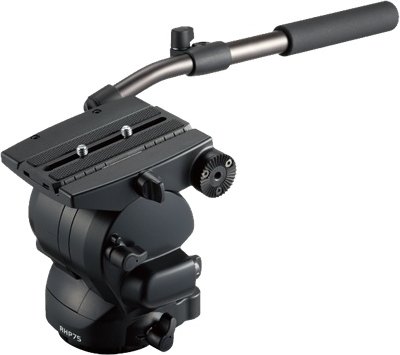
The Libec RHP75 is a professional RS PLUS video head for shoulder cameras up to 17 kg in the studio, on OB and in the field. It carries 17 kg, and continuous Perfect Balance counterbalance covers 5.5–14 kg at a 125 mm C.G. It has a 7-step drag, an illuminated bubble level and a 100 mm ball base. The camera plate attaches with a single touch and slides ±55 mm.
The Libec RHP75 is a professional RS PLUS video head for shoulder cameras up to 17 kg in the studio, on OB and in the field. It offers continuous Perfect Balance counterbalance across 5.5–14 kg, a 7-step drag, an illuminated bubble level and a 100 mm ball base. The head weighs 4 kg.
Continuous balance up to 17 kg
An RS PLUS video head with a 100 mm ball base, 7-step drag and a one-touch camera plate.
17 kg payloadPerfect Balance7-step drag100 mm ballTilt +90°/−70°Telescopic pan bar
Balanced at any angle
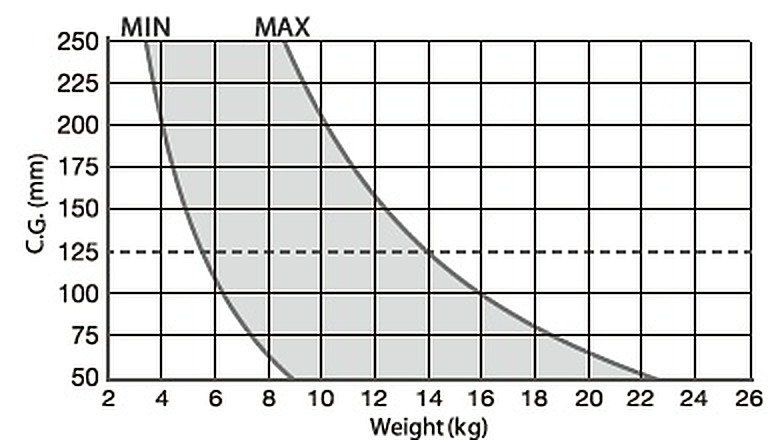
Continuous Perfect Balance counterbalance keeps the camera balanced at any tilt angle across a 5.5–14 kg range (C.G. 125 mm). The counterbalance knob turns with constant force throughout, so adjustment is quick.
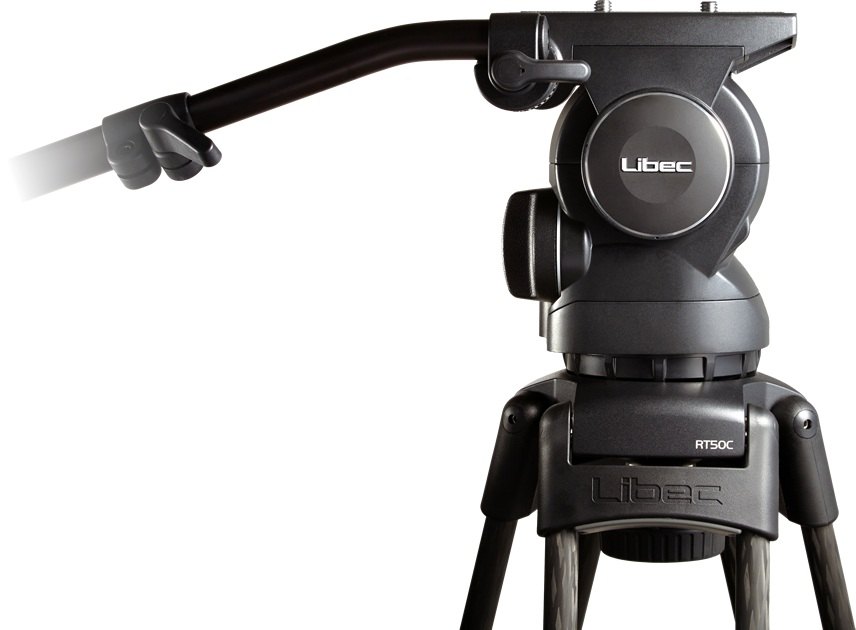
A steady image after every stop
The balance stabilizer prevents the image from wobbling when you stop a tilt and makes precise balancing simpler. Spring tension is set with the knob to match the camera and accessories.
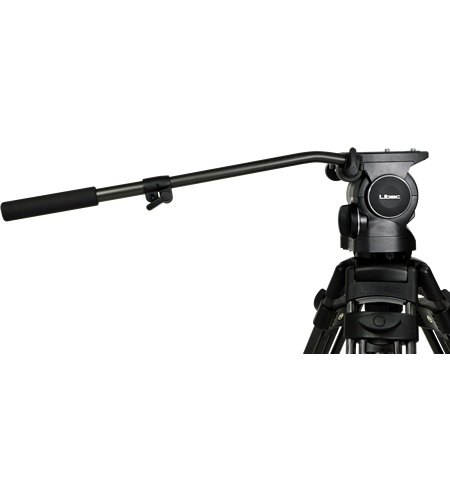
Telescopic pan bar
The pan handle extends, so you can set its length to suit your style. Pan and tilt have separate locks.
Smooth in freezing cold and heat
The sealed torque unit gives smooth starts and stops in pan and tilt, so every move looks exactly as intended. Special silicone grease keeps the movement consistent from −40 to +60 °C.
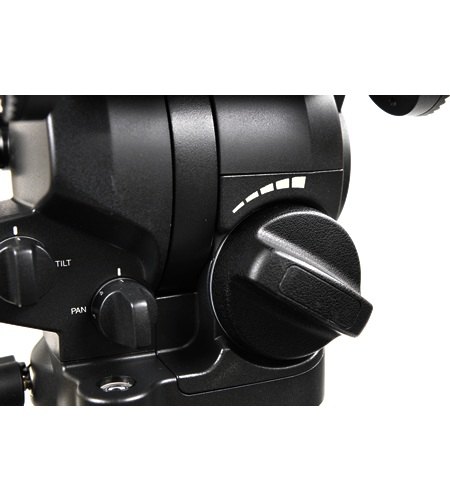
7-step drag
The seven-step drag switch covers a remarkably wide torque range for any situation.
Tilt +90° to −70°
Pan and tilt each have their own lock and their own drag control.
One-touch plate
The ±55 mm sliding plate holds the camera with two 3/8" screws and attaches with a single touch.
100 mm ball base
The head sits in a 100 mm bowl and is levelled with the ball leveler.
Counterbalance Technology.
All products in the RS PLUS range have been completely redesigned. The new RHP75 and RHP85 video heads allow detailed and precise adjustment of the spring tension depending on the weight of the camera and its accessories used. Thanks to this adjustment you get a perfect balance between the camera and the internal spring at any inclination.
The unique stabilizing and balancing mechanism prevents any kinking or oscillation of the spring when stopped and its transfer to the image. In addition, the new mechanism makes adjusting the camera balance much faster and easier. In addition to speeding up the adjustment, the new stabilization system also ensures a perfect and stable image.
In addition to better stability, the system for adjusting the stiffness or resistance of the spring has also been modified. In general, the stiffer the spring, the harder it is to adjust. With the RS PLUS, this system has been redesigned and the stiffness adjustment is the same throughout the entire range.
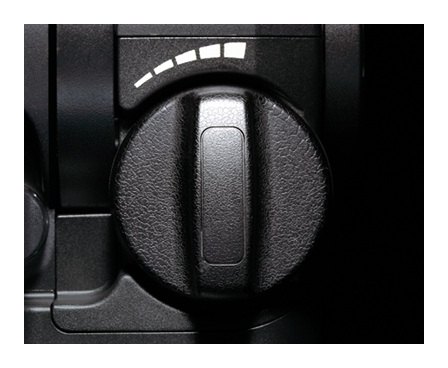
New quick release mechanism.
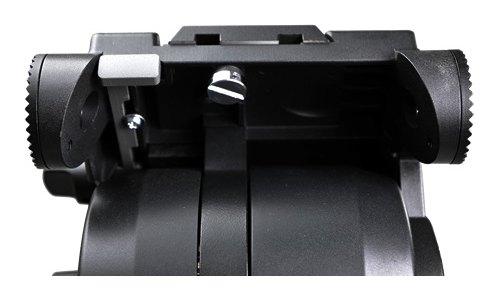
The quick-release plate can be inserted and removed very easily and there is no need to retract it - by simply modifying the clamping mechanism you save time and simplify your work.
A new addition to the RHP75 and RHP85 heads is a longer sliding plate allowing for better and more stable mounting of the camera and accessories on the tripod. It can slide up to a few centimeters, allowing for better and faster camera balancing.
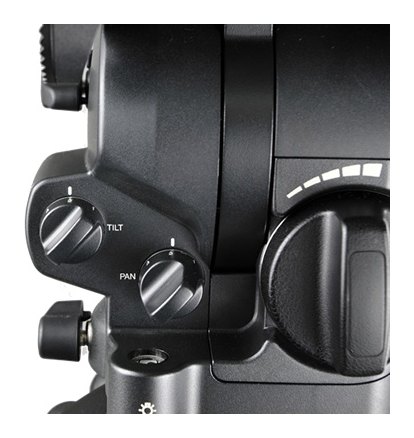
Drag control. Pan and tilt drag are set separately, so you can match the head to the lens and the shot.
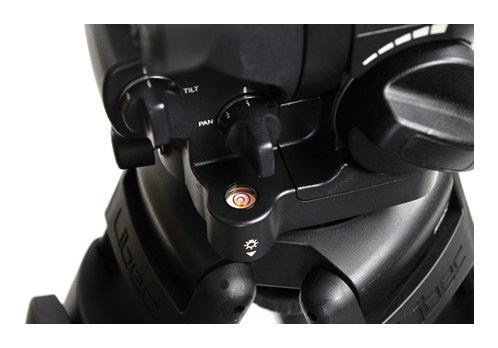
Illuminated bubble level. A switch turns on the bubble level illumination, so you can level the head even in the dark.
RHP75 counterbalance chart. The vertical axis shows the height of the camera’s center of gravity above the plate, the horizontal axis the total weight of camera and accessories. The area between the curves is the range the head can balance; a shoulder camera typically sits around 125 mm. At maximum spring strength the tilt is limited to ±40°.
PACKAGE CONTENT
- Libec RHP75 video head with telescopic pan bar ×1
- Sliding camera plate ×1
SPECIFICATIONS
- Brand: Libec
- Model: RHP75
- Type: video head with continuous counterbalance
- Payload: 17 kg
- Counterbalance range: 5.5–14 kg (C.G. 125 mm)
- Counterbalance: Perfect Balance, continuous
- Drag: 7 steps
- Tilt angle: +90° to −70° (±40° at maximum spring)
- Operating temperature: −40 to +60 °C
- Bubble level: illuminated
- Camera plate: sliding
- Sliding range: ±55 mm
- Long sliding plate: optional
- Head base: 100 mm ball
- Plate attachment: 2× 3/8" screw
- Spare screw: 3/8"
- Pan bar: telescopic
- Weight: 4 kg
ACCESSORIES (6)
ACCESSORIES (6)
Libec ZC-9Pro
Zoom control for ENG lensesThe ZC-9Pro can be used with both Canon and Fujinon 8-pin
144 €
In stock 1 pcs
Libec AS-7K
Libec AS-7K is a universal and adjustable articulated arm for tripod or camera, which
152 €
To be sent 1 pcs
Libec RT50C
Promotion: -30%
The Libec RT50C are carbon fibre standalone tripod legs with the excellent stability,
513.71 €
730.16 €
To be sent 1 pcs
Libec PH-8B
The Libec PH-8B is an adjustable extendable handle for the LX10, RHP75 and RHP85
74 €
on request
Libec T102B
The Libec T102B professional and solid aluminium alloy tripod is designed for studio
1 189 €
on request
Libec RC-70
The Libec RC-70 is a soft transport bag suitable for larger tripods. It includes
299 €
on request
Alternative (1)
Alternative (1)
Libec GH75
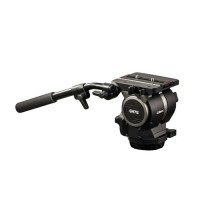
The Libec GH75 is a professional GS series video head for shoulder cameras up to
3 009 €
on request
News, training, and discounts from Syntex
Special offers and discounts for subscribers only · Free audio & video workshops · News and tips from the world of filmmaking
- Show all

Libec RHP75
The Libec RHP75 is a professional RS PLUS video head for shoulder cameras up to 172 789 €No longer available