
 CZ
 SK
 HU
 AT
 DE
 ES
 SI
 HR

Nothing in the basket.

- Search
-
Login

-
0
Comparison
Add products to compare, then they will appear here and you can compare parameters.
-
0
0 €
Tilta Connection Screw for 19mm Stainless Steel Rod
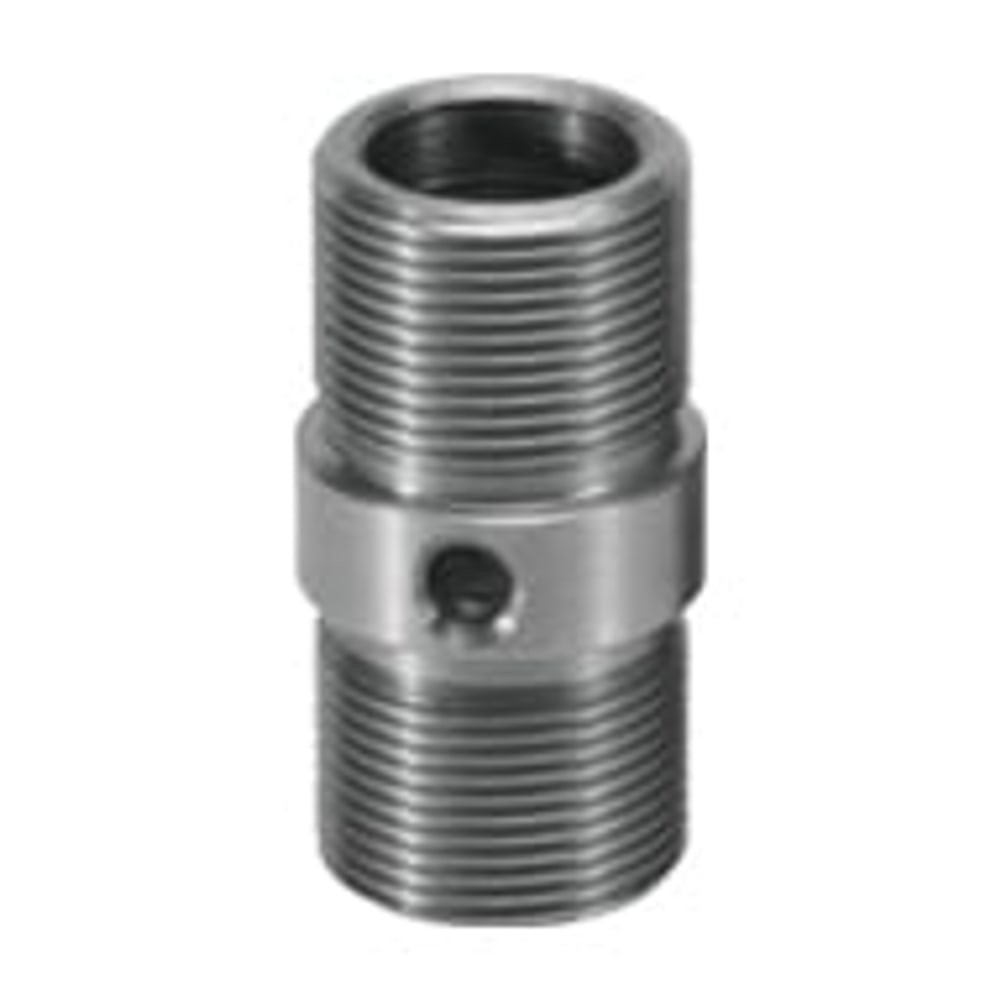
SKU: RS19-C
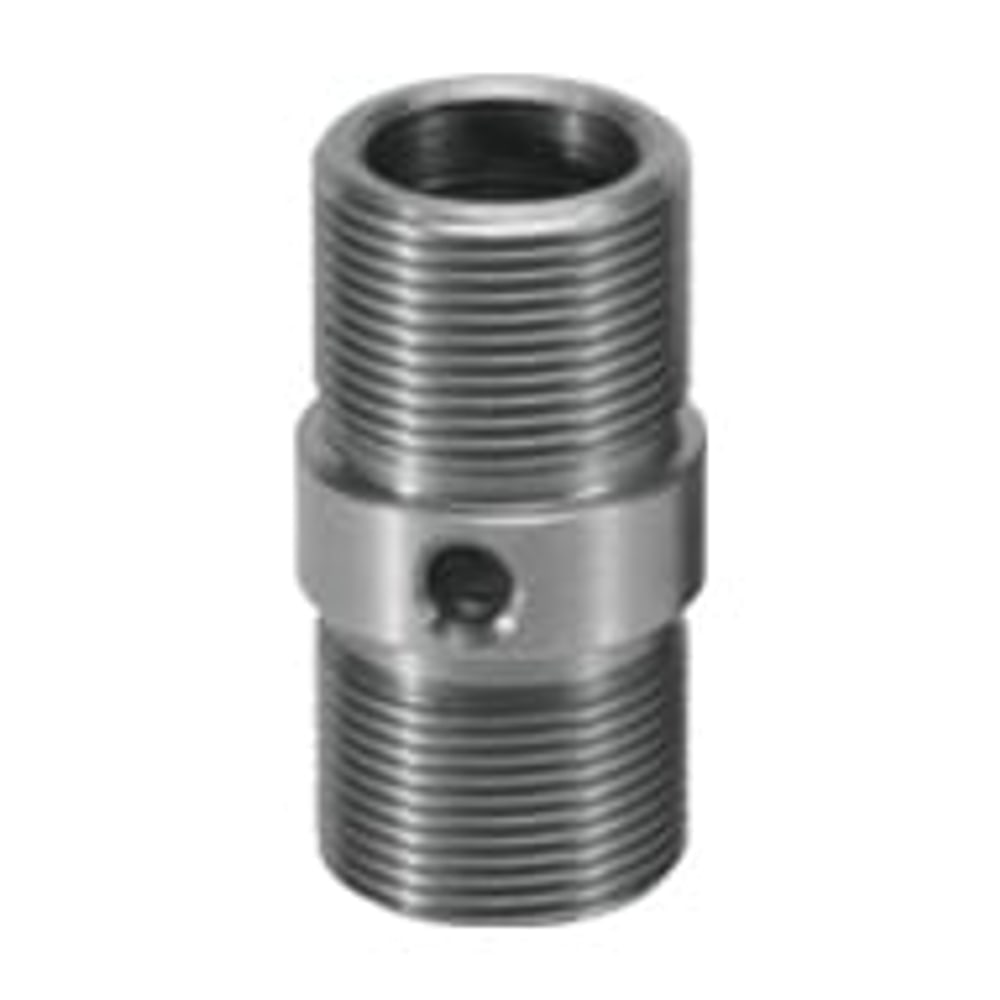
The Tilta RS19-C is a connection screw for Tilta stainless steel 19 mm rods: the external thread on both sides screws into the internal thread at the ends of two rods and joins them into one longer rod. In the middle it has a collar with a cross hole for tightening. Handy when the build is a few centimetres of reach short and no longer rod is at hand.
4.8 € with VAT
3.97 € without VAT
Personal pickup within 90 minutes
Shipment day: Today
Shipment day: Today
In stock 2 pcs
Praha 2 pcs
Praha 2 pcs
Product description
SPECIFICATIONS
PACKAGE CONTENT
Product description
The Tilta RS19-C is a connection screw for Tilta stainless steel 19 mm rods: the external thread on both sides screws into the internal thread at the ends of two rods and joins them into one longer rod. In the middle it has a collar with a cross hole for tightening. Handy when the build is a few centimetres of reach short and no longer rod is at hand.
The Tilta RS19-C solves the case where the matte box or lens support sits a bit further than the rods reach: instead of buying a longer rod, another one is screwed onto the existing one and the rig grows centimetre by centimetre.
Two 19 mm rods into one
The screw has an external thread at both ends that fits the internal thread of Tilta stainless steel 19 mm rods. It is screwed into one rod, the second rod is turned onto the other end, and the cross hole in the middle collar lets you tighten the joint harder than with fingers. Joined rods then hold like one piece — firmly enough for a follow focus, matte box and lens support. The joint comes apart just as quickly, so the rods travel short and are extended only on set.
Tilta 15 and 19 mm rods
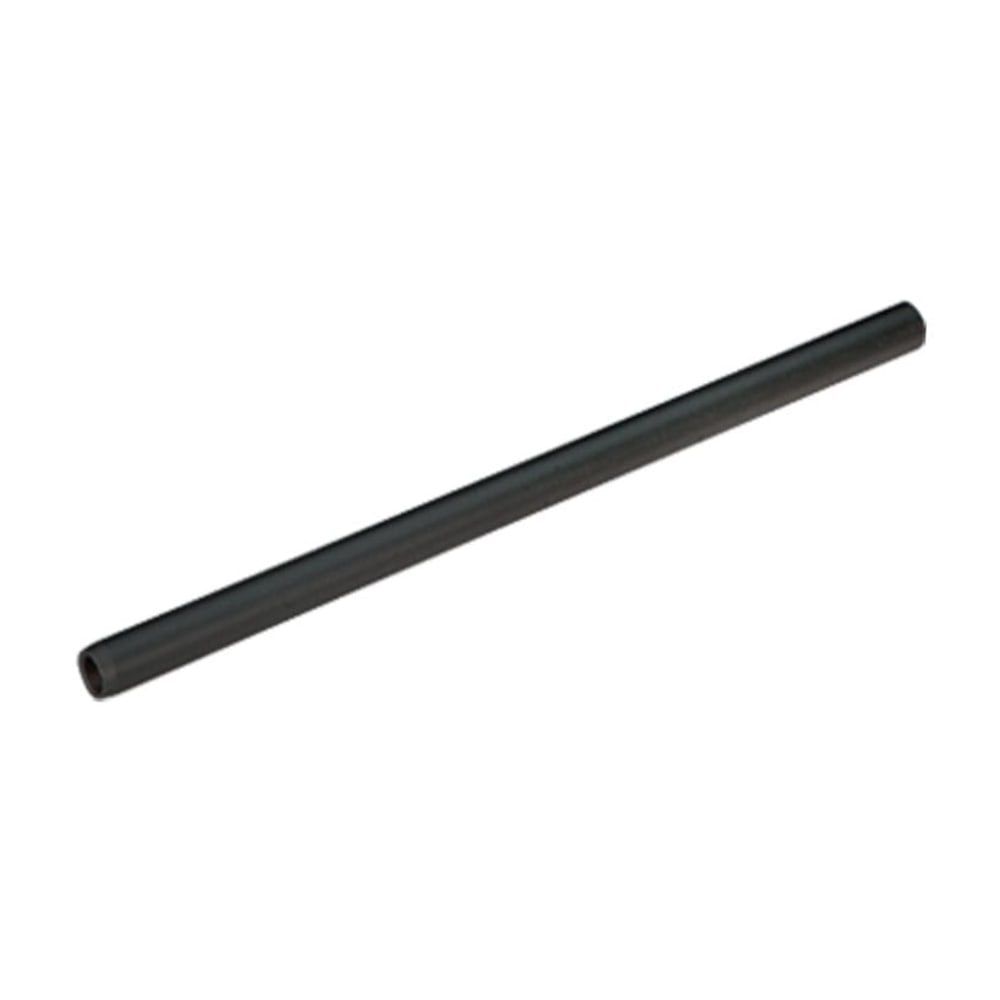
Rods are the backbone of a rig: 15 mm rods (LWS standard, 60 mm spacing) carry baseplates, follow focus, matte box, lens supports and motor mounts; 19 mm stainless rods (studio standard, 104 mm spacing) take heavy builds with large lenses. Tilta makes 15 mm rods in aluminium, black or silver, 100–300 mm long, and 19 mm rods in stainless steel, 200–600 mm; rods with threaded ends join end to end with a connection screw. This part is one of them.
PACKAGE CONTENT
- connection screw for 19 mm rods — 1×
SPECIFICATIONS
- For rods: 19 mm, stainless steel
- Design: external thread on both sides, collar with cross hole in the middle
- Colour: silver
- Compatibility: Tilta RS19-200 and RS19-250 stainless steel 19 mm rods with internal thread (the RS19-450 has no internal thread)
Parameters
Parameters
News, training, and discounts from Syntex
Special offers and discounts for subscribers only · Free audio & video workshops · News and tips from the world of filmmaking
- Show all
Tilta Connection Screw for 19mm Stainless Steel Rod
The Tilta RS19-C is a connection screw for Tilta stainless steel 19 mm rods: the4.8 €In stock 2 pcs