
 CZ
CZ SK
SK HU
HU AT
AT DE
DE ES
ES SI
SI HR
HR
Nothing in the basket.

- Search
-
Login

-
0
Comparison
Add products to compare, then they will appear here and you can compare parameters.
-
0
0 €
Tamron 12-20 mm F/2.8 Sony FE
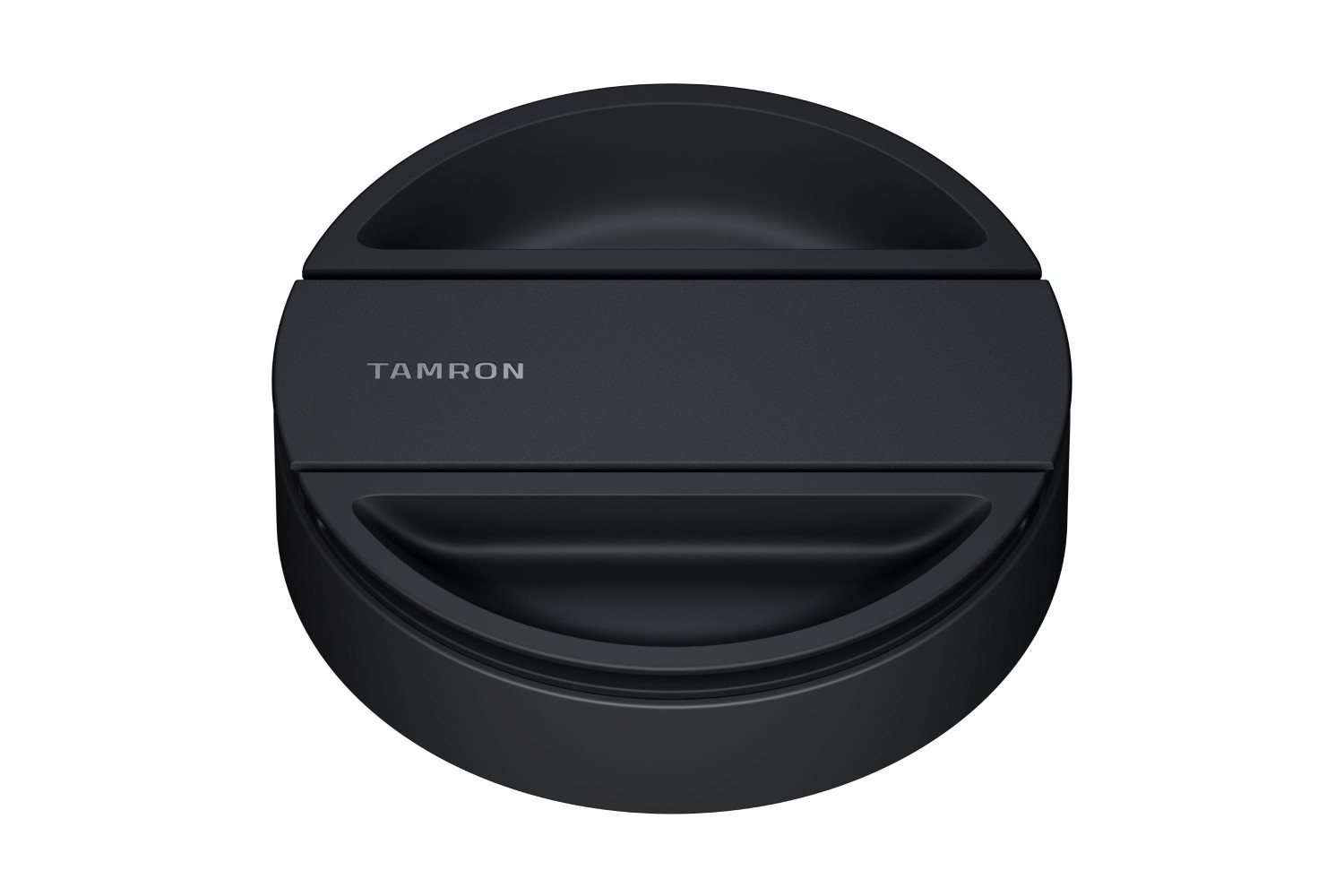
SKU: A084S
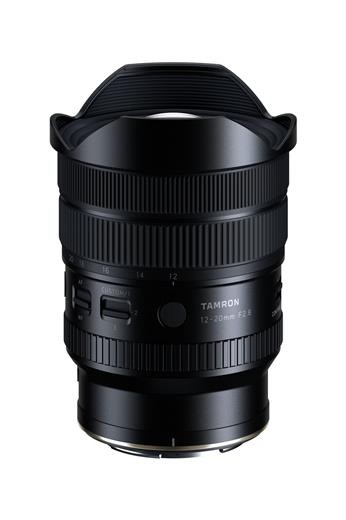
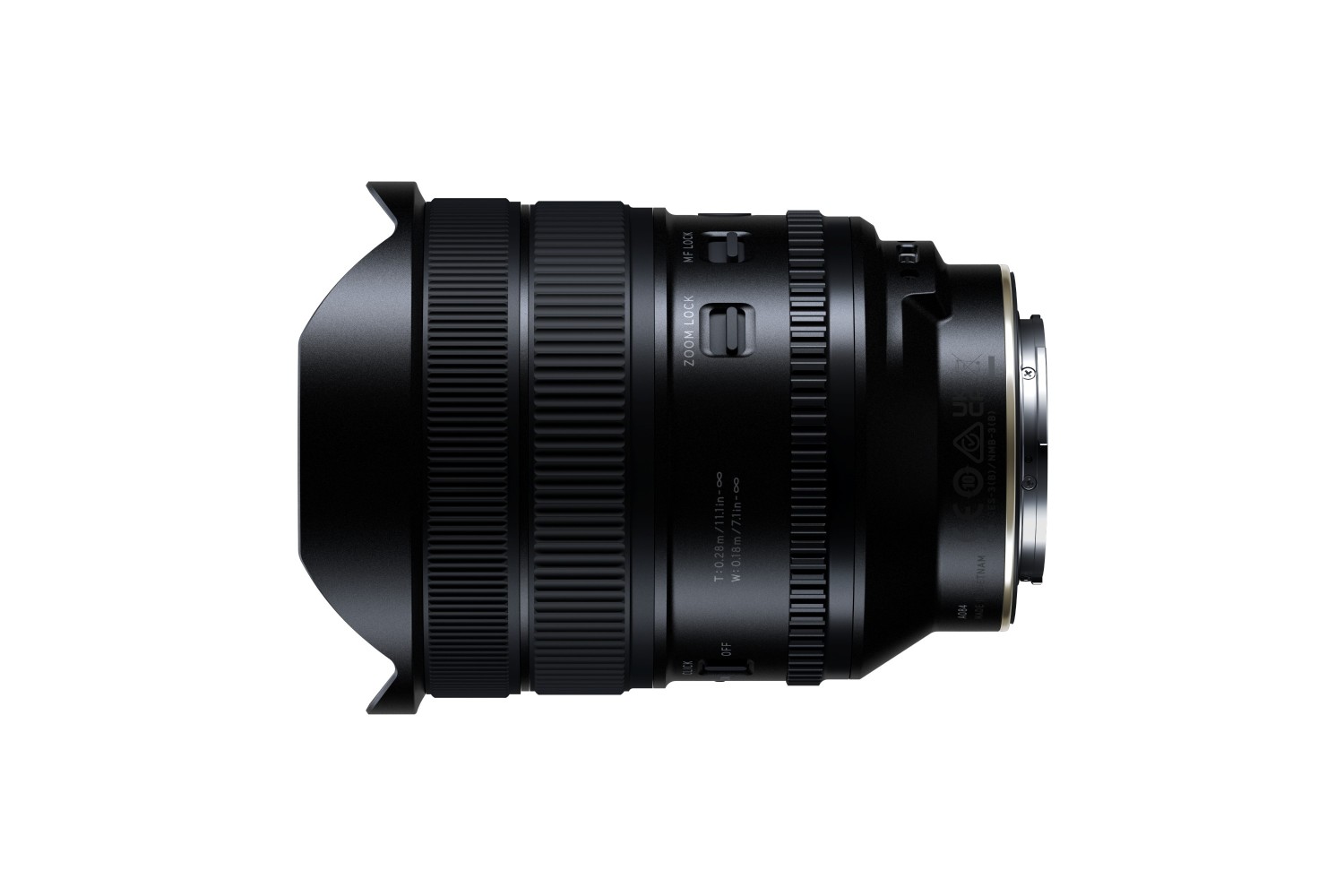
A distinctive feature of the 12-20 mm F/2.8 lens (model A084) is its ultra-wide focal length range from 12 mm to 20 mm. The stunningly wide perspective at 12 mm allows for a composition that seems to “capture the full expanse of the scene.”
1 749 € with VAT
1 445.45 € without VAT
Personal pickup within 90 minutes
Shipment day: Tomorrow
Shipment day: Tomorrow
In stock 2 pcs
Praha 2 pcs
Praha 2 pcs
Top accessories for Tamron 12-20 mm F/2.8 Sony FE
K&F 3pcs* Microfiber Cleaning cloth Kit, 15*15cm, White, Dry, in vacuum
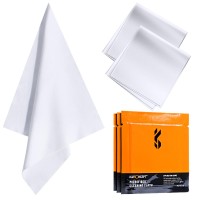
Imported optical microfiber cleaning cloth is used to ensure that the coating of
6.2 €
In stock > 5 pcs
K&F Concept 23-in-1 Camera Lens Cleaning Kit

K&F Concept 23-in-1 Camera Lens Cleaning Kit with Replacement Cleaning Pen, 15ml
55 €
In stock > 5 pcs
K&F Concept 4-In-1 Camera Lens Cleaning Kit for DSLR Camera
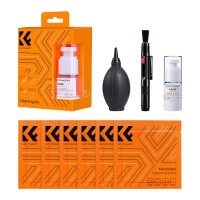
KF 4-in-1 Cleaning Kit (1*Cleaning pen + 1*Silicone air blower + 6*vacuum cleaning
27 €
To be sent 2 pcs
K&F Concept Lens Air Blower, Rubber Bulb Air Pump Dust Blower Cleaner, with Long Nozzle for Cell
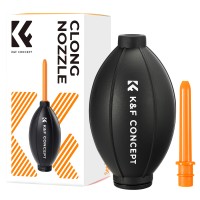
The K&F Concept Lens Air Blower is a versatile and efficient dust blower cleaner
7.7 €
In stock 2 pcs
Product description
Product description
A distinctive feature of the 12-20 mm F/2.8 lens (model A084) is its ultra-wide focal length range from 12 mm to 20 mm. The stunningly wide perspective at 12 mm allows for a composition that seems to “capture the full expanse of the scene.”
Thanks to its F/2.8 aperture, which remains constant throughout the entire zoom range, this lens is set to become the “new star” of astrophotography and interior photography.
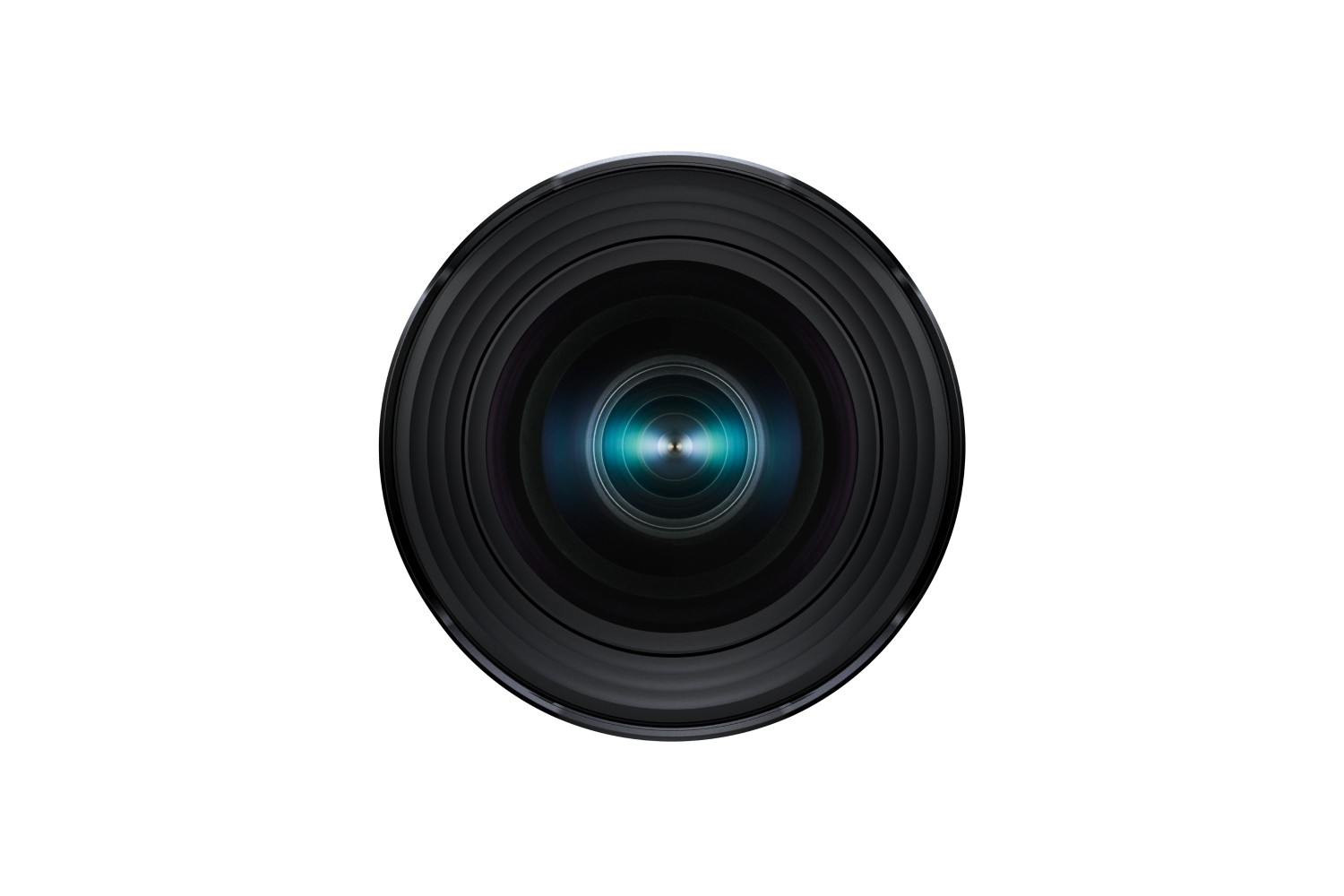
The optical system includes one XGM lens element, three GM lens elements, and several special optical elements. This design effectively suppresses edge blur and chromatic aberrations while correcting sagittal comatic aberration—a common issue in astrophotography—ensuring high sharpness from the center all the way to the very edges of the image.
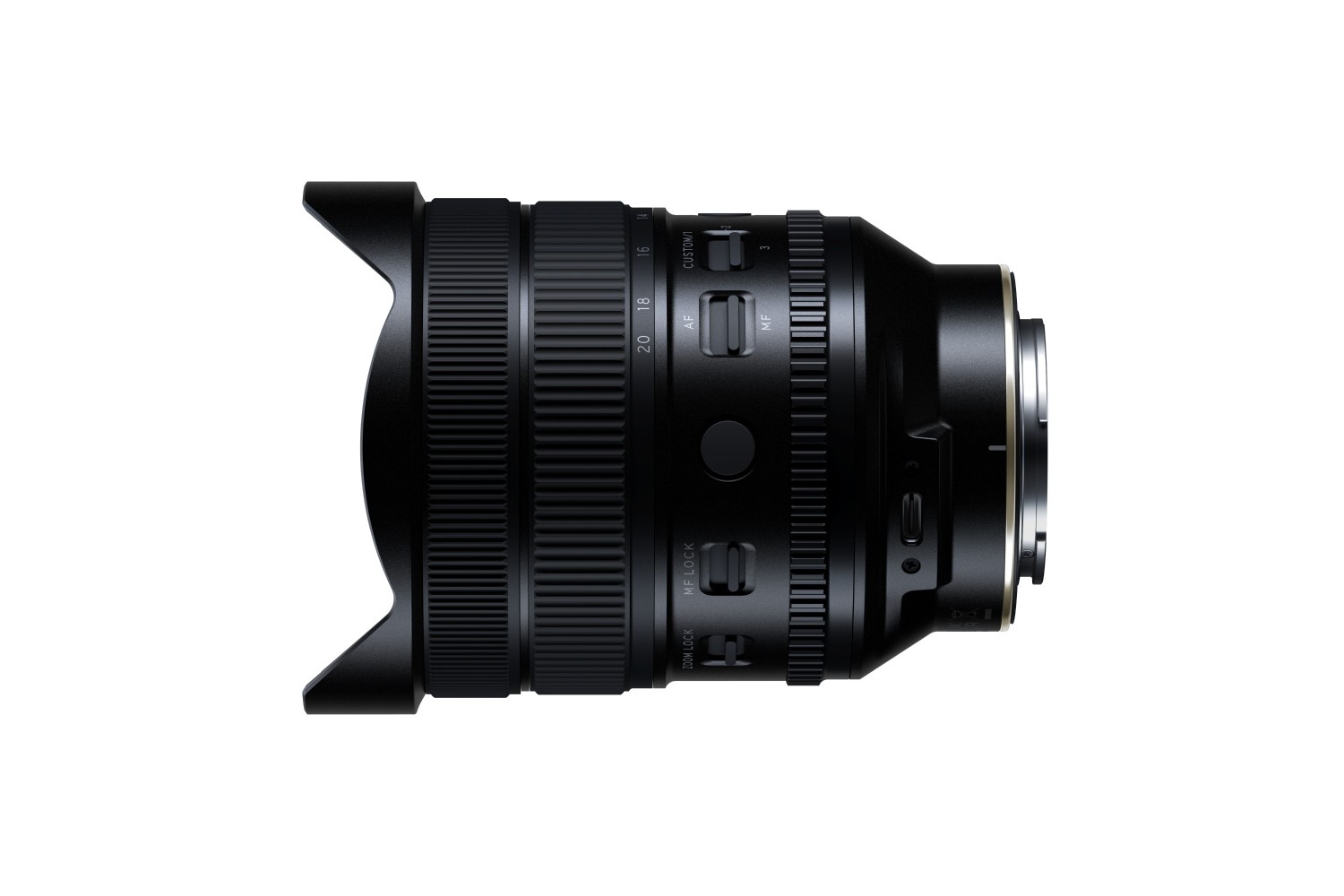
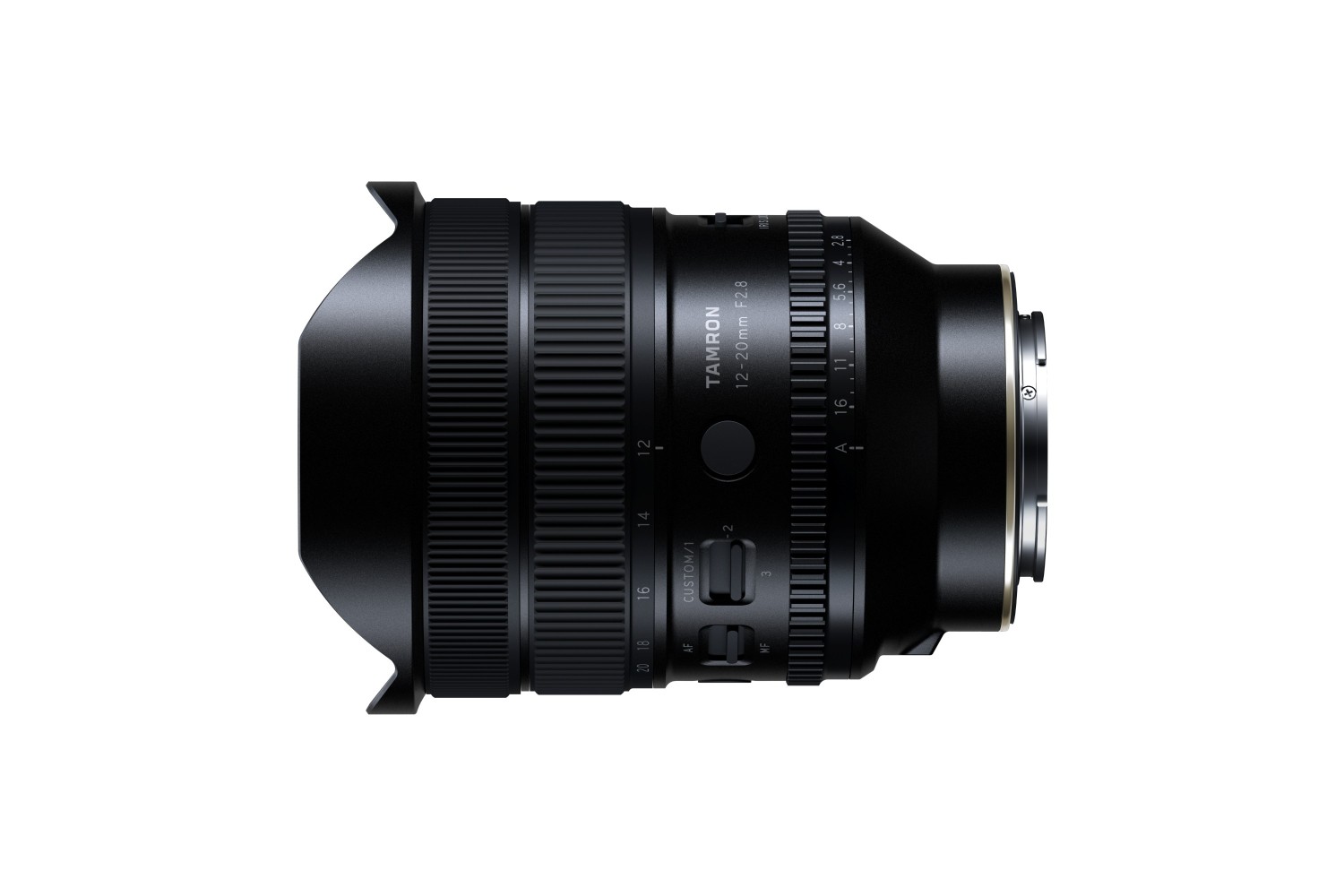
Despite its exceptional imaging performance, the lens achieves a sophisticated balance between size and weight—it measures just 119.3 mm in length and weighs only 570 g. Although compact, it remains a professional-grade tool equipped with various switches and rings for excellent controllability.
For autofocus, the lens is equipped with the VXD system, a high-speed, high-precision focusing mechanism with a linear motor. Furthermore, with a minimum focusing distance (MOD) of 0.18 m at a focal length of 12 mm, the lens offers outstanding performance in macro photography, enabling creative versatility.
Lens Features:
- Comprehensive controls
- Compact and lightweight design
- Focal length range
- Constant maximum aperture
- Tamron Lens Utility
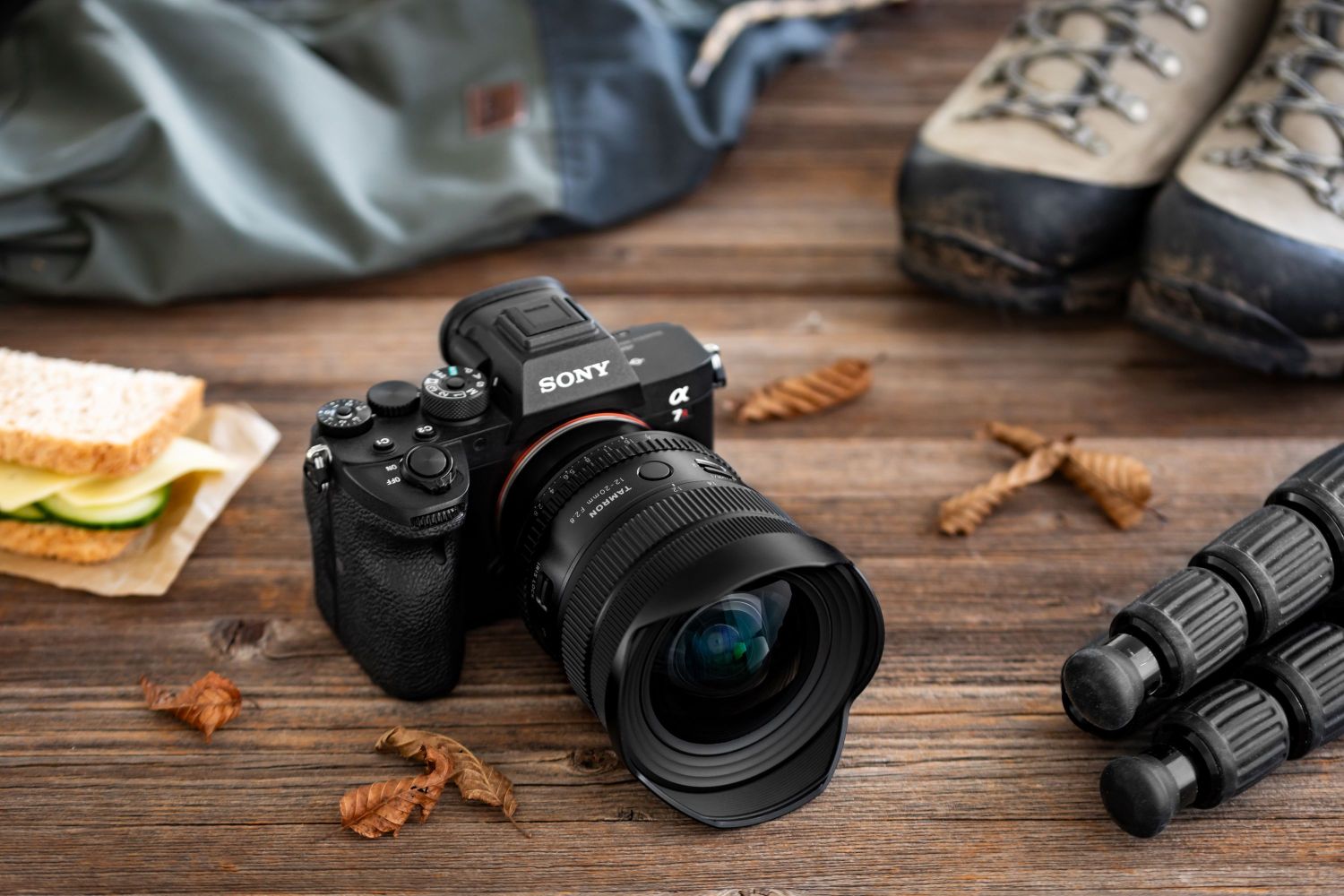
Lens controls
Custom Function Switch / Focus Setting Button / Connector (USB Type-C):
Used in conjunction with the TAMRON Lens Utility app. These controls allow you to customize lens functions and assign practical features for both video recording and still photography, enhancing your overall photography experience.
AF/MF Switch:
The AF/MF switch allows you to instantly switch between autofocus and manual focus. This intuitive control ensures that your shooting rhythm remains uninterrupted.

MF Lock Switch:
The MF Lock Switch locks the focus ring to prevent unintended focus shifts. This is particularly important during long exposures, such as in astrophotography, where maintaining a precise focus point is essential.
Zoom Lock Switch:
The zoom lock switch locks the zoom at either the 12 mm wide-angle end or the 20 mm telephoto end. This stabilizes the intended composition at these frequently used focal lengths and prevents unintended movement during shooting. The lock can be quickly released by simply turning the zoom ring, allowing for a smooth transition to the next shot.

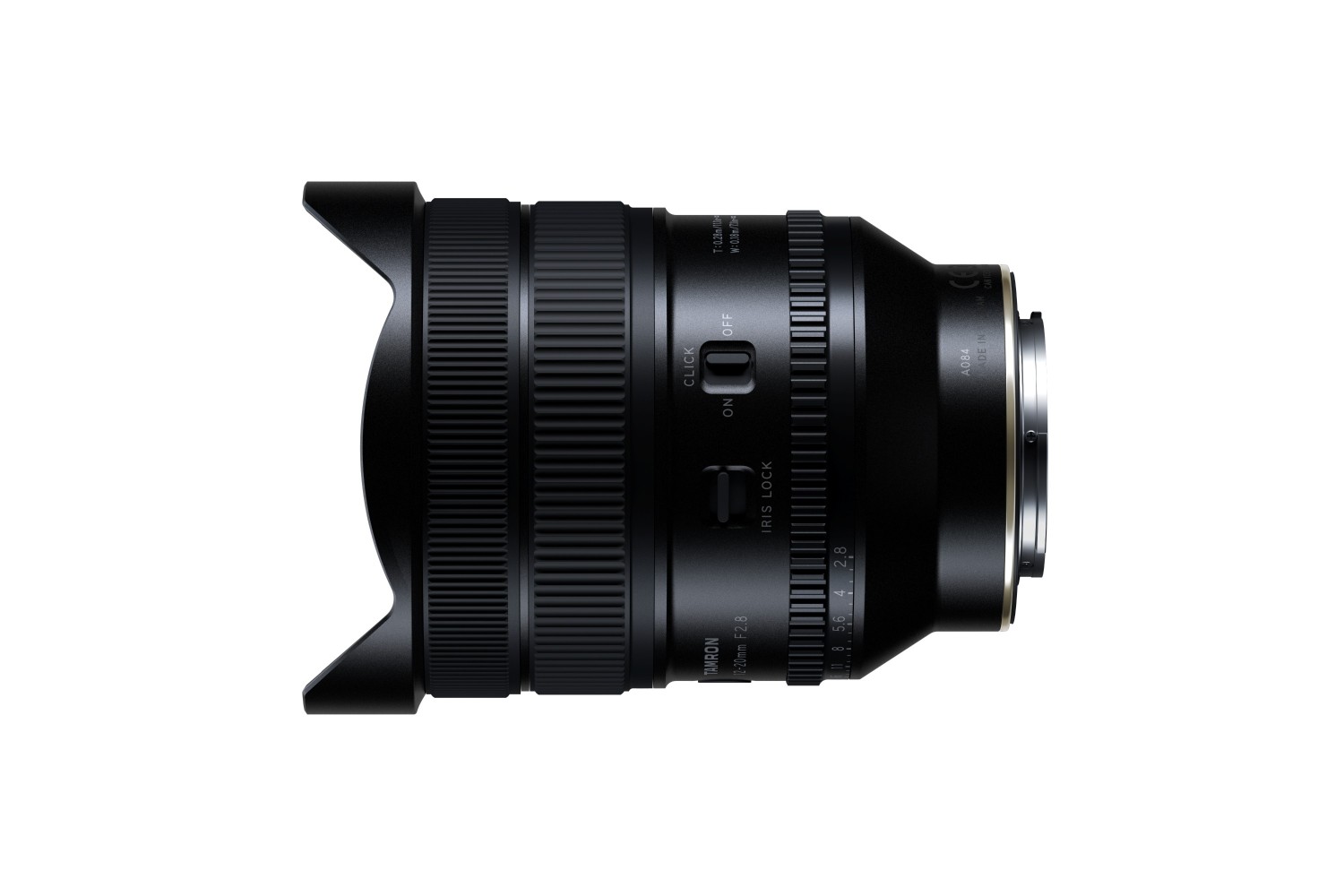
Click ON/OFF Switch:
The Click ON/OFF switch toggles between audible and tactile feedback for the aperture/control ring, allowing you to customize how you control your photography or video recording.
ON:Providestactile feedback with each step, making it easier to select specific settings and improving control during shooting.
OFF:Allows forsmooth and silent rotation of the ring for natural-looking transitions in exposure and bokeh while shooting video.

Aperture Lock Switch (Sony E-mount only):
This aperture lock switch locks the aperture ring in the “A” position on the aperture scale or within the manual range between “F/2.8 – F/16.” This allows you to choose whether to control the aperture using the camera body or the ring on the lens. Locked in the “A” position: The aperture is controlled via the camera body. Locked in the manual range (F/2.8 – F/16): The aperture is controlled via the ring on the lens.
Aperture ring (Sony E-mount only):
The aperture ring allows for intuitive, tactile control of the aperture setting, ensuring that the photographer’s intent is reflected immediately.

VXD
VXD autofocus is a world first: It is the first linear focus motor developed by Tamron for superior autofocus performance. Two VXD modules, operating in a floating system and controlled by electronic pulses, ensure fast and precise focusing on both near and distant subjects. The new motor also guarantees improved AF tracking, such as when photographing sports. Autofocus operates so quietly that you can shoot even in situations that require absolute silence and calm.
MR - Splash-Proof Protection
Tamron lenses feature a weather-resistant housing that optimally protects the sensitive internal components from wind and weather. The robust outer housing is effectively sealed against moisture intrusion at all critical points (e.g., between the focus ring and the mount). This ensures reliable operation even in the most adverse outdoor shooting conditions.
Special XLD Optical Elements
Similar to LD, it prevents chromatic aberration and other optical defects. However, XLD is a much more sophisticated system that is typically used in telephoto zoom lenses.
Special LD optical elements
Chromatic aberration is a common optical defect that manifests itself in many ways. We often refer to this as “chromatic aberration,” which occurs more frequently in wide-angle lenses. LD elements are made from special optical glass with extremely low light dispersion, which effectively compensates for chromatic aberration—a defect particularly noticeable when using telephoto lenses at their maximum zoom.

IF - Internal Focusing
With internal focusing lenses, the lens length does not change during focusing, and the filter ring does not rotate with it. This makes handling easier, especially with longer telephoto zoom lenses, and also facilitates photography with polarizing and graduated filters. Other advantages include a shorter minimum focusing distance across the entire focusing range, less light loss in the corners of the image (vignetting), and reduced aberrations associated with focusing.
BBAR / BBAR G2
The BBAR coating prevents reflection and scattering of light hitting the lens surface. This helps you avoid losses in brightness and contrast and prevents “ghosting.” The BBAR coating also contributes to natural color reproduction. Since 2019, the advanced BBAR G2 coating has been used.
FLR
The fluorine coating provides lasting protection for the front lens element against contamination. Oil and water droplets do not adhere to the surface, making it very easy to clean.
Tamron Lens Utility
The new “TAMRON Lens Utility” software was developed specifically for configuring compatible lenses. TAMRON Lens Utility can be controlled via a computer or smartphone by connecting the lens through its port using a TAMRON USB-C cable or wirelessly via the TAMRON LINK Bluetooth adapter. Users can customize functions and update the firmware. Using custom settings, the lens can be optimally adapted to the specific shooting situation, such as still photography or video recording.

Parameters
Parameters
ACCESSORIES (4)
ACCESSORIES (4)
K&F 3pcs* Microfiber Cleaning cloth Kit, 15*15cm, White, Dry, in vacuum
Imported optical microfiber cleaning cloth is used to ensure that the coating of
6.2 €
In stock > 5 pcs
K&F Concept 23-in-1 Camera Lens Cleaning Kit
K&F Concept 23-in-1 Camera Lens Cleaning Kit with Replacement Cleaning Pen, 15ml
55 €
In stock > 5 pcs
K&F Concept 4-In-1 Camera Lens Cleaning Kit for DSLR Camera
KF 4-in-1 Cleaning Kit (1*Cleaning pen + 1*Silicone air blower + 6*vacuum cleaning
27 €
To be sent 2 pcs
K&F Concept Lens Air Blower, Rubber Bulb Air Pump Dust Blower Cleaner, with Long Nozzle for Cell
The K&F Concept Lens Air Blower is a versatile and efficient dust blower cleaner
7.7 €
In stock 2 pcs
Alternative (1)
Alternative (1)
Tamron 12-20 mm F/2.8 Nikon Z
A distinctive feature of the 12-20 mm F/2.8 lens (model A084) is its ultra-wide focal
1 859 €
Backordered 2 pcs
News, training, and discounts from Syntex
Special offers and discounts for subscribers only · Free audio & video workshops · News and tips from the world of filmmaking
- Show all
Tamron 12-20 mm F/2.8 Sony FE
A distinctive feature of the 12-20 mm F/2.8 lens (model A084) is its ultra-wide focal1 749 €In stock 2 pcs