
 CZ
CZ SK
SK HU
HU AT
AT DE
DE ES
ES SI
SI HR
HR
Nothing in the basket.

- Search
-
Login

-
0
Comparison
Add products to compare, then they will appear here and you can compare parameters.
-
0
0 €
Blog
This software update adds support for the new Blackmagic URSA Mini SSD recorder which records RAW or ProRes onto SSDs. This update improves SDI output latency to less than 1 frame for URSA Mini Pro as well as lowering LCD monitoring latency. This update also improves support for B4 lenses as well as fixing focus and iris control bugs with some Cannon lenses, and more.
What's new in Blackmagic Camera Setup 4.5
New support for Blackmagic URSA Mini SSD Recorder.
New features for URSA Mini SSD Recorder
Added RAW & ProRes record capability to SSD Recorder.
Added playback capability from SSD Recorder.
Added SDI and SSD status LED indicators.
Added ability to use 1TB, 2TB and 4TB SSD’s.
New features for Blackmagic URSA Mini Pro 4.6K
Added support for URSA Mini SSD Recorder.
Added user interface information for SSD Recorder in media status page.
Lowers SDI output latency to less than 1 frame for live production.
Lowers LCD monitoring latency.
Added Program Audio option for prioritising return audio in headset.
Improved support for B4 lenses.
Fixed focus control on Canon EF-S 18-135mm f/3.5-5.6 STM and USM lenses.
Fixed iris control on Canon EF-S 17-55mm f/2.8 IS USM zoom lens.
Fixed bug where audio levels reset after power cycling.
Fixed bug where lens change was not recognised in metadata if powered off.
Updated URSA Mini Manual to include SSD Recorder and F Mount instructions.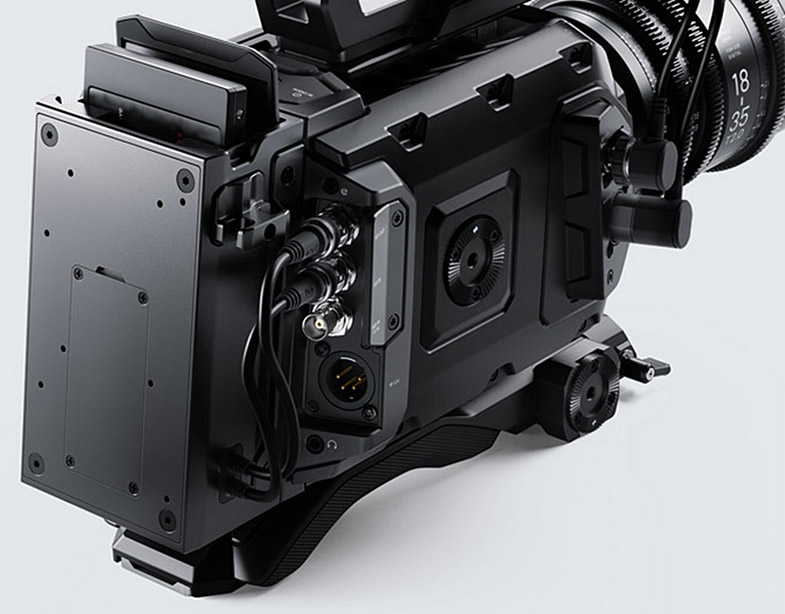
Date: 12. 10. 2017,
Category: News
FULL ARTICLE
Press Release
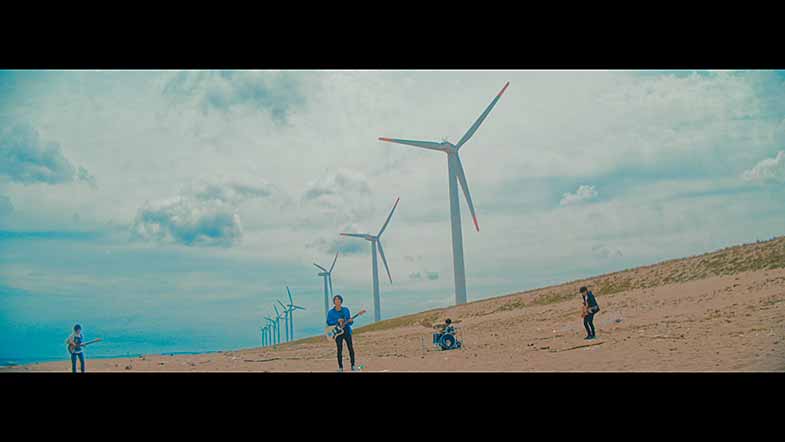
Blackmagic Design today announced that Kei Ikeda, one of Japan’s leading music video DP, videographer and screenwriter, and also the founder of production company ISAI, used Blackmagic URSA Mini Pro 4.6K to shoot a number of music videos. He has used the URSA Mini Pro 4.6K to shot videos for some of Japan’s leading musical acts, including popular artists such as KOTORI and Hysteric Panic.
Ikeda shoots and directs many music videos and concert videos, and has created a large number of award winning short films and a feature films. Since founding ISAI, Ikeda has been recognized as a pioneer who has opened up new ways for the visual expression of music.
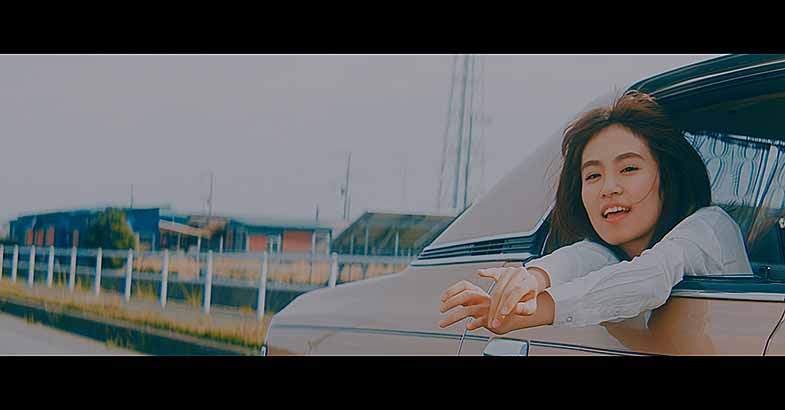
“The first time I used the URSA Mini Pro was for the band KOTORI, when making their music video for the song ‘Blue.’ The client first asked me to shoot with a film camera, however we did not have enough budget for a film shoot, so I looked for something we could get in a similar image that was within the budget and we reached to the URSA Mini Pro 4.6K. I shot in 3K anamorphic sensor mode so I used a prime lens for still photography, with an anamorphic adapter, SLR Magic,” said Ikeda. After shooting he used DaVinci Resolve’s Camera RAW setting to create the desired look he wanted for the video.
Around the same time, he also shot a video for Hysteric Panic with the same combination of URSA Mini Pro and still lens with SLR Magic. Then, he shot Japanese Idol group Pass Code’s music video as well. “I used Canon prime lenses to shoot the video. For this video, I was hired as DP. This means I did not edit the video, and I shot in ProRes so that the director could easily cut the footage and gave him a LUT after shooting. I usually shoot in RAW when I do everything, from shooting to post production, but it’s handy to have a ProRes recording option when I don’t have total control of finishing projects.”
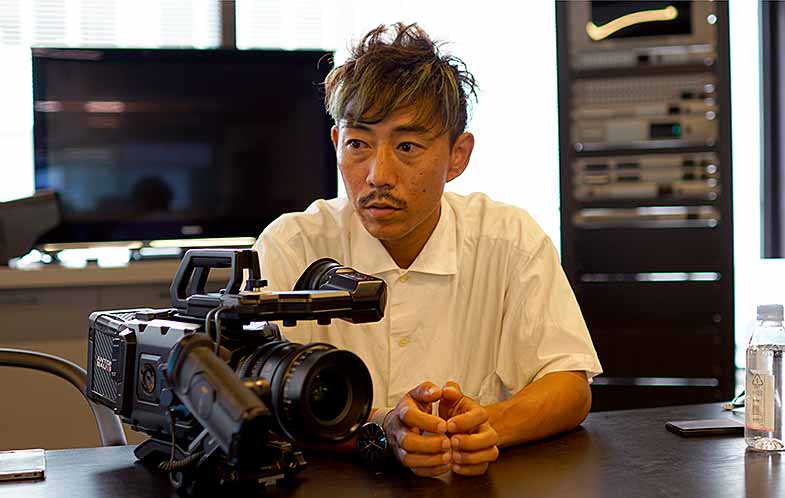
Ikeda continued: “I used this camera for these groups for the first time. What surprised me was the image quality that I could get out of this wide dynamic range. Later, I used the URSA Mini Pro for another song, ‘ROKUGATSU (June)’ from KOTORI. I used it with Canon’s Cine Prime lenses and shot in RAW. I wanted to bring out more clarity in the picture, so I added more contrast on shadows than I did for previous video with Resolve.”
“After that shoot, I did a couple more projects for different artists and clients. The camera gives me more freedom as I can switch EF and PL mounts depending on the project. I also did high speed shooting for many projects. I shot both uncompressed and compressed RAW, and compressed RAW gives me a very nice image which I hardly can tell the difference from the uncompressed one. “
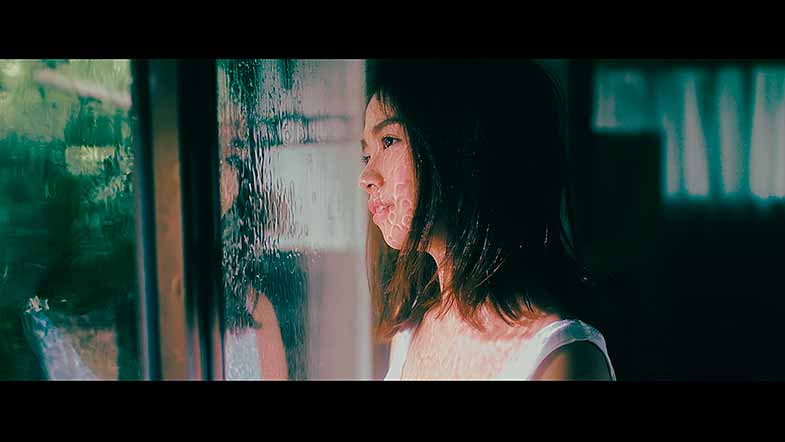
He also used the URSA Mini Pro for a recent web commercial. “I shot the commercial using a Cooke anamorphic lens with the camera. I have worked with the same client before and that time I used a different camera which was way more expensive than the URSA Mini Pro. Of course the client loved the commercial, however, they said they prefer the commercial’s look captured from the URSA Mini Pro and Cooke lens.”
“The benefit of the URSA Mini Pro is of course its dynamic range and picture quality. It also is easy to handle, which I think is another great benefit of this camera. It allows me to shoot as long as I have the camera. I don’t need to add many new peripherals around the camera, so I do not need a bigger production, or add an extra camera assistant. The URSA Mini Pro is just very easy to use,” Ikeda concluded.
Press Photography
Product photos of all Blackmagic Design products, are available at www.blackmagicdesign.com/press/images.
About Blackmagic Design
Blackmagic Design creates the world’s highest quality video editing products, digital film cameras, color correctors, video converters, video monitoring, routers, live production switchers, disk recorders, waveform monitors and real time film scanners for the feature film, post production and television broadcast industries. Blackmagic Design’s DeckLink capture cards launched a revolution in quality and affordability in post production, while the company’s Emmy™ award winning DaVinci color correction products have dominated the television and film industry since 1984. Blackmagic Design continues ground breaking innovations including 6G-SDI and 12G-SDI products and stereoscopic 3D and Ultra HD workflows. Founded by world leading post production editors and engineers, Blackmagic Design has offices in the USA, UK, Japan, Singapore and Australia. For more information, please go to www.blackmagicdesign.com.
Date: 11. 10. 2017,
Category: News
FULL ARTICLE
RED announced a new cinematic Full Frame sensor for WEAPON cameras, MONSTRO™ 8K VV. MONSTRO is an evolutionary step beyond the RED DRAGON 8K VV sensor with improvements in image quality, including dynamic range and shadow detail.
This new camera and sensor combination, WEAPON 8K VV, offers Full Frame lens coverage, captures 8K full format motion at up to 60 fps, produces ultra-detailed 35.4 megapixel stills, and delivers incredibly fast data speeds of up to 300 MB/s. Like all of RED’s DSMC2 cameras, WEAPON shoots simultaneous REDCODE RAW and Apple ProRes or Avid DNxHD/HR recording and adheres to RED’s dedication to OBSOLESCENCE OBSOLETE—a core operating principle that allows current RED owners to upgrade their technology as innovations are unveiled as well as move between camera systems without having to purchase all new gear.
The new WEAPON will be priced at $79,500 (for the camera BRAIN) with upgrades for carbon fiber WEAPON customers available for $29,500. MONSTRO 8K VV will replace the current RED DRAGON 8K VV sensor in RED’s lineup, and customers that had previously placed an order for a RED DRAGON 8K VV sensor will be offered this new sensor beginning today. New orders will start being fulfilled in early 2018.
RED has also announced a comprehensive service offering for WEAPON carbon fiber camera owners called RED ARMOR-W. RED ARMOR-W offers enhanced and extended protection beyond basic RED ARMOR, and also includes one sensor swap each year.
Additionally, RED’s enhanced image processing pipeline (IPP2) is now available in-camera for all cameras with HELIUM and MONSTRO sensors through today’s v7.0 release firmware update. IPP2 offers a completely overhauled workflow experience, featuring enhancements such as smoother highlight roll-off, better management of challenging colors, an improved demosaicing algorithm, and more.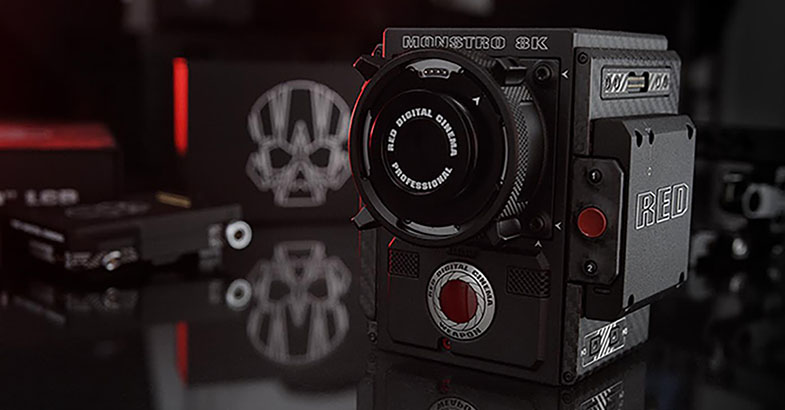
Date: 09. 10. 2017,
Category: News
FULL ARTICLE
This software update adds support for HEVC decoding and hardware acceleration on the latest Mac OS, 7.1 audio track types, improved loudness meters, matte indicators on Media Pool thumbnails and support for dynamics for audio buses in the Fairlight mixer. In addition, this update includes dozens of general performance and stability enhancements.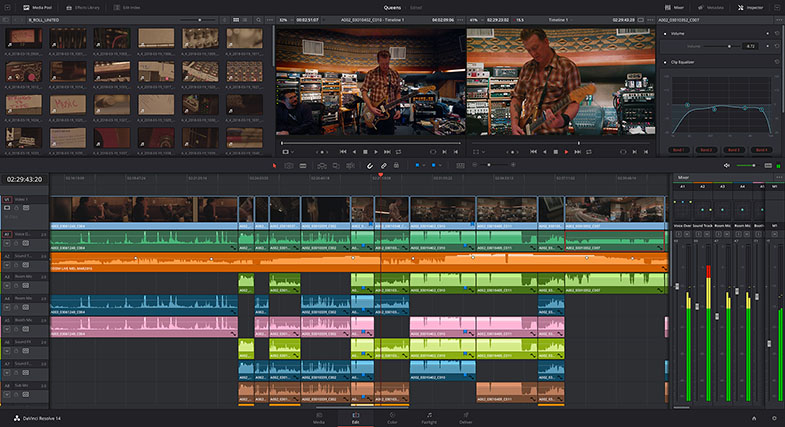
Date: 06. 10. 2017,
Category: News
FULL ARTICLE
Tutorials in the new EDIUS Basics series describe basic functionality of the Grass Valley EDIUS Pro 8 and Workgroup NLE applications.

Date: 06. 10. 2017,
Category: News
FULL ARTICLE
- Show all
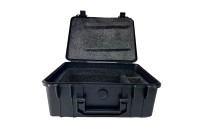
RGBlink RGBABS-2PTZ-TLY
The RGBlink RGBABS-2PTZ-TLY is a durable ABS flight case designed to securely store153 €on request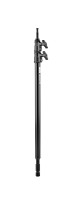
Avenger C-Stand 30'' Double Riser Column Blk 200 cm/81 in
Promotion: -12%The Avenger A2020CB in Chrome Steel Black is a 30'' C-Stand style column only with123.25 €139.76 €In stock 2 pcs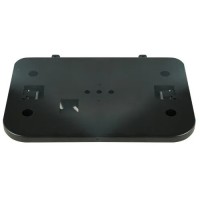
RGBlink PTZ & NDI camera suction top flip bracket
RGBlink PTZ & NDI Camera Suction Top Flip Bracket (Black)15 €In stock > 5 pcs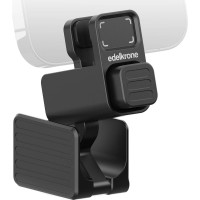
EdelKrone PhoneCLIP MAX v1
Capture the magic of the moment without lugging around another miniature tripod!65 €on request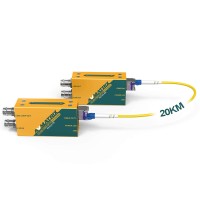
AVMATRIX FE1121 3G-SDI Fiber Optic Extender
AVMATRIX FE1121 is an optical transmitter and receiver kit for extending SD/HD/3G-SDI479 €In stock > 5 pcs