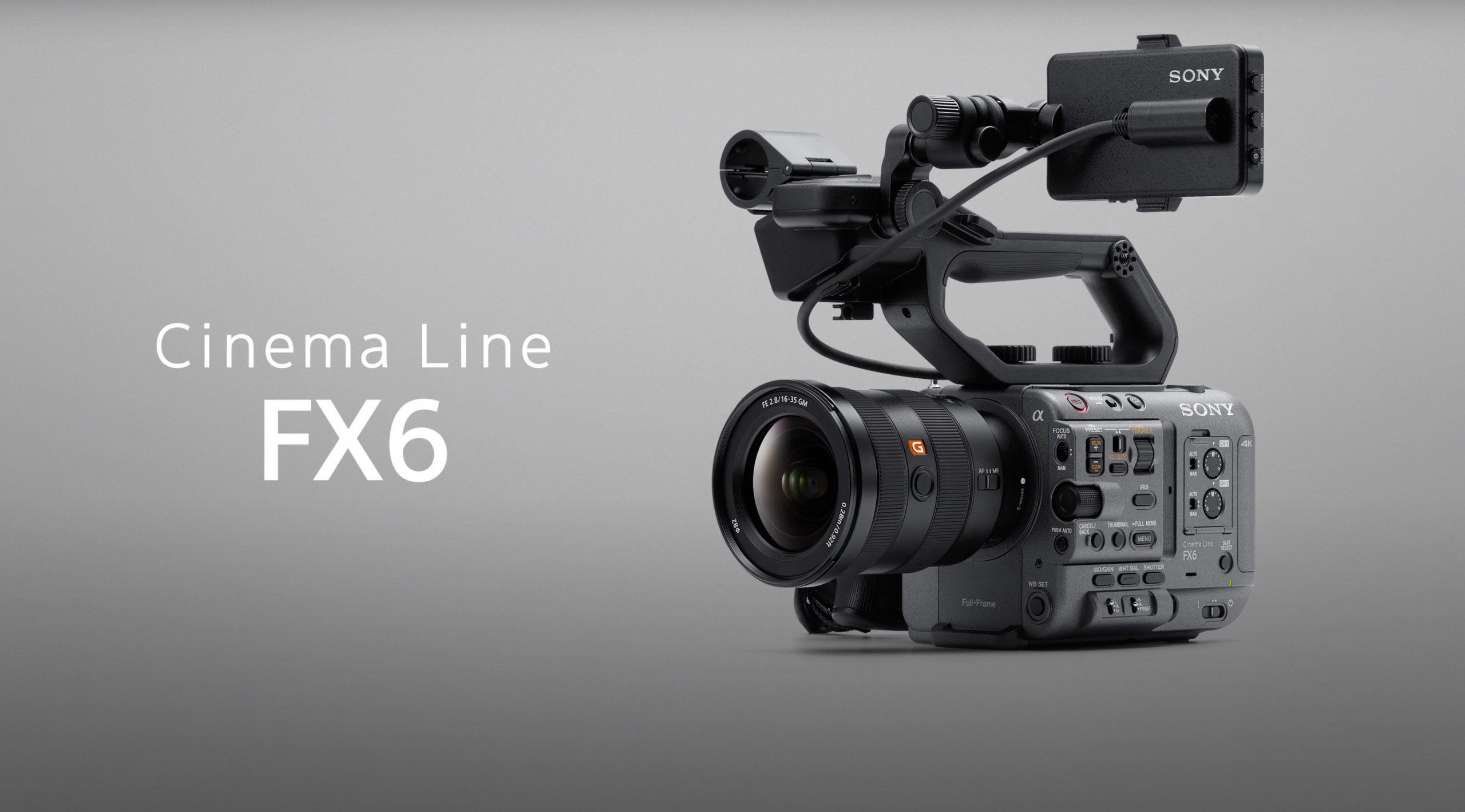
Sony FX6
The Sony FX6 gives professional filmmakers a light, modular body that adapts easily to their shooting style without compromising image quality. It records outstanding full-frame 4K at up to 120p, handles low light (up to ISO 409,600) and offers wide dynamic range. The 10.2 MP Exmor R CMOS sensor, the BIONZ XR processor and the S-Log3 and S-Cinetone picture…
ILMEFX6VDI.EU
Product description
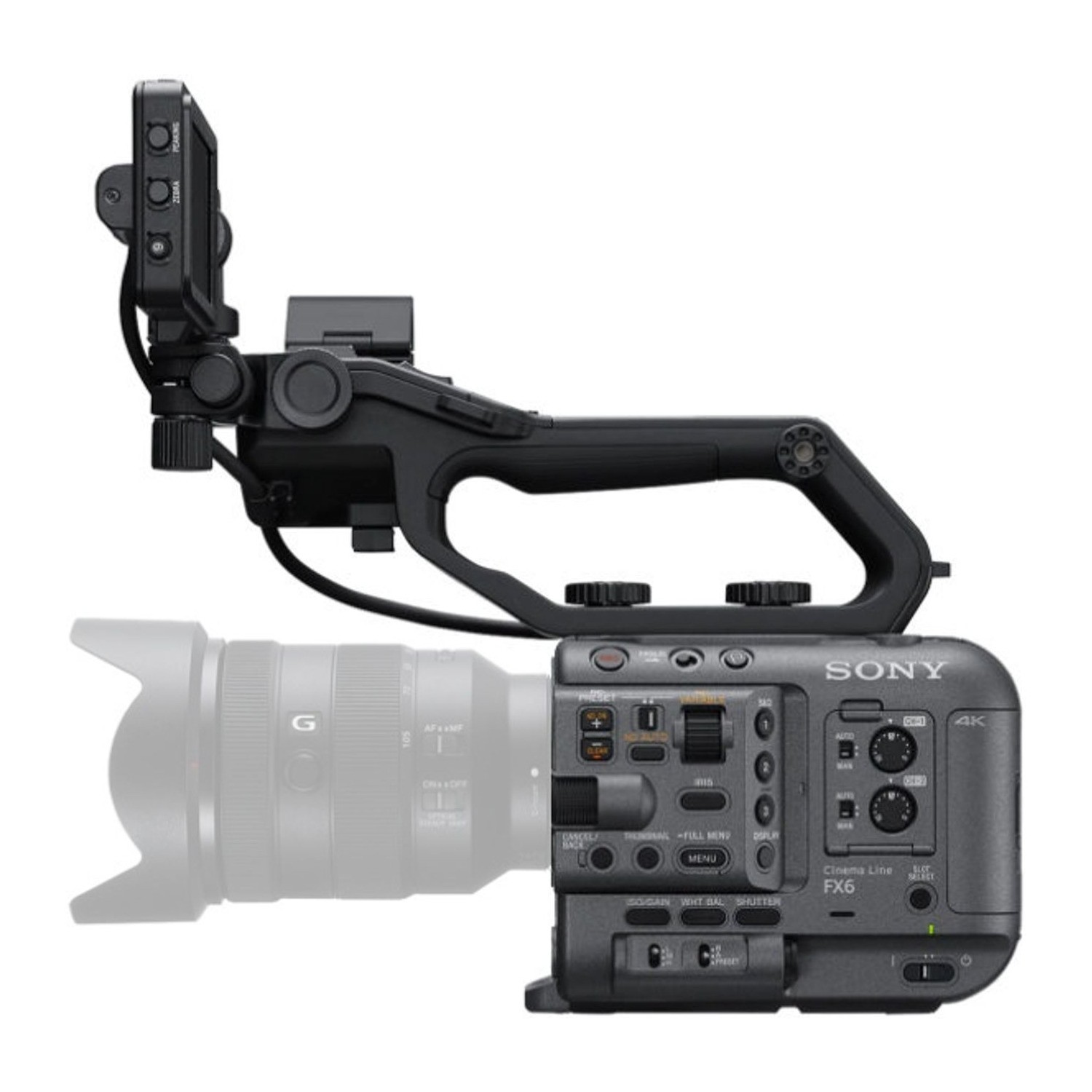
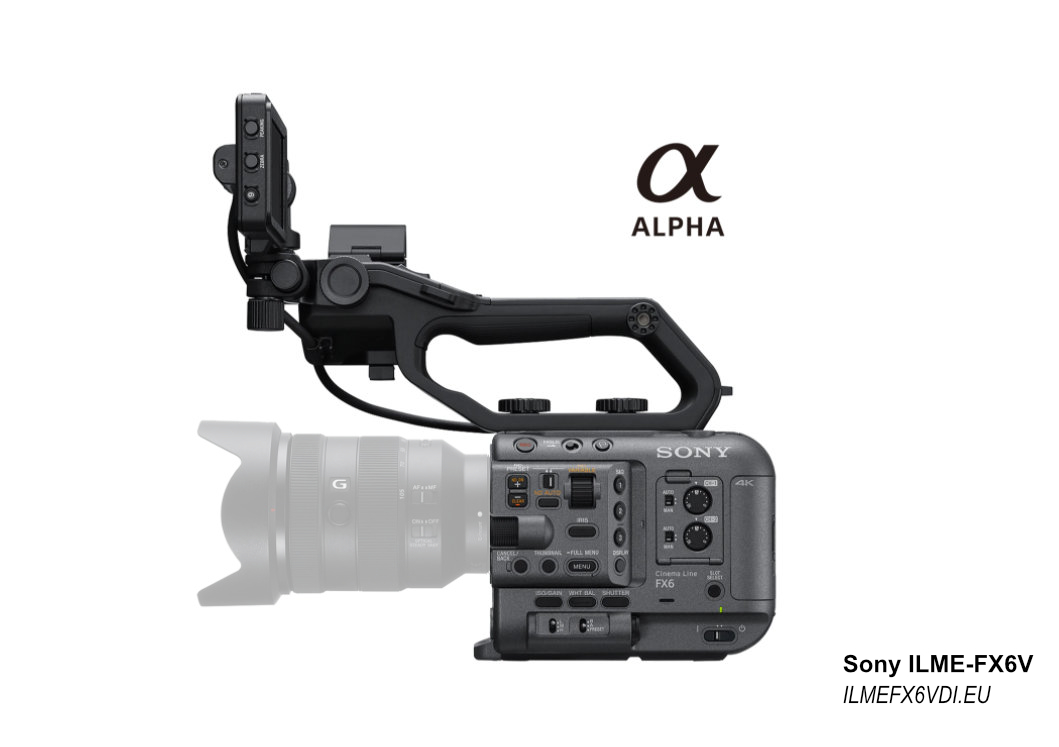
The Sony FX6 gives professional filmmakers a light, modular body that adapts easily to their shooting style without compromising image quality. It records outstanding full-frame 4K at up to 120p, handles low light (up to ISO 409,600) and offers wide dynamic range. The 10.2 MP Exmor R CMOS sensor, the BIONZ XR processor and the S-Log3 and S-Cinetone picture profiles make it a fully fledged member of the Cinema Line. (ILMEFX6VDI.EU Sony ILME-FX6V)
A Cinema Line camera in a modular body
The body alone weighs 890 grams, yet it carries a variable ND filter, a 12G-SDI output and two XLR inputs on the handle.

ND filter under your thumb
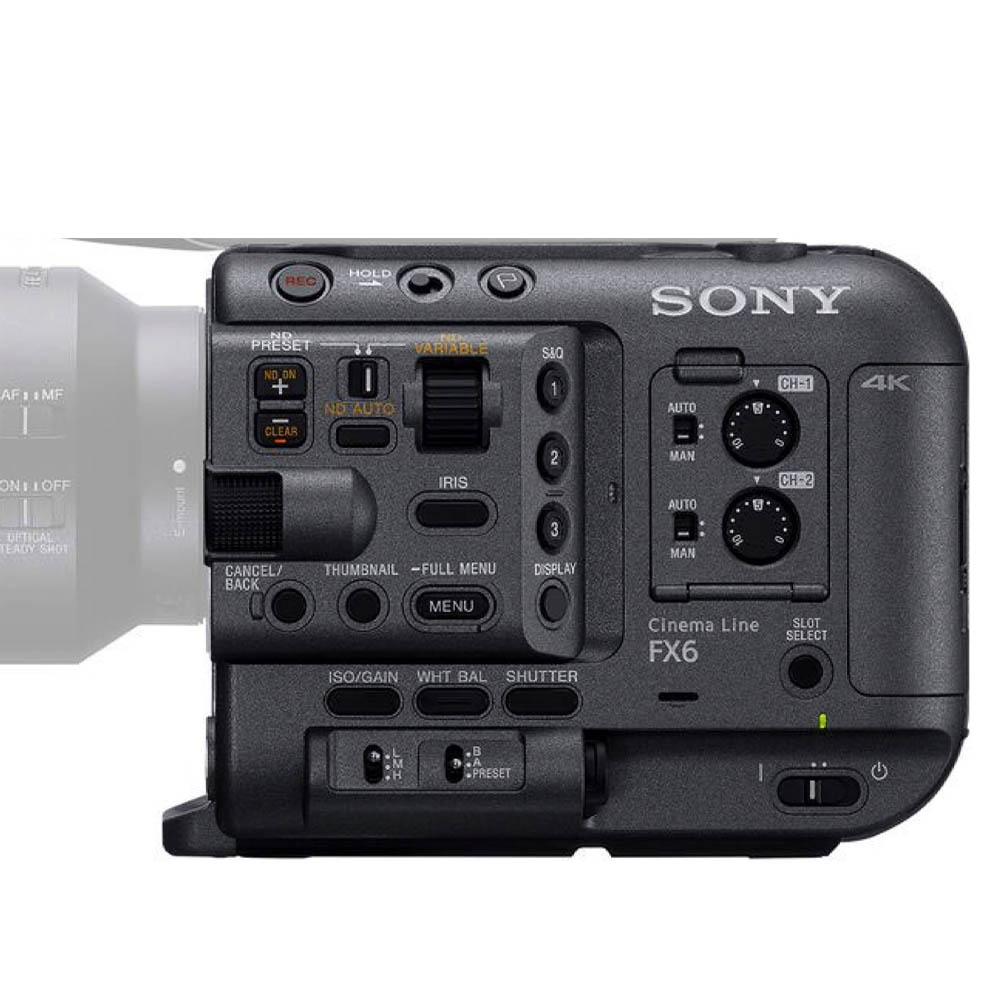
The electronic ND filter changes density smoothly from 1/4 to 1/128 — by hand with the wheel on the side of the body, or automatically. You fine-tune exposure without touching the iris or screwing filters onto the lens.

Build it to suit the shot
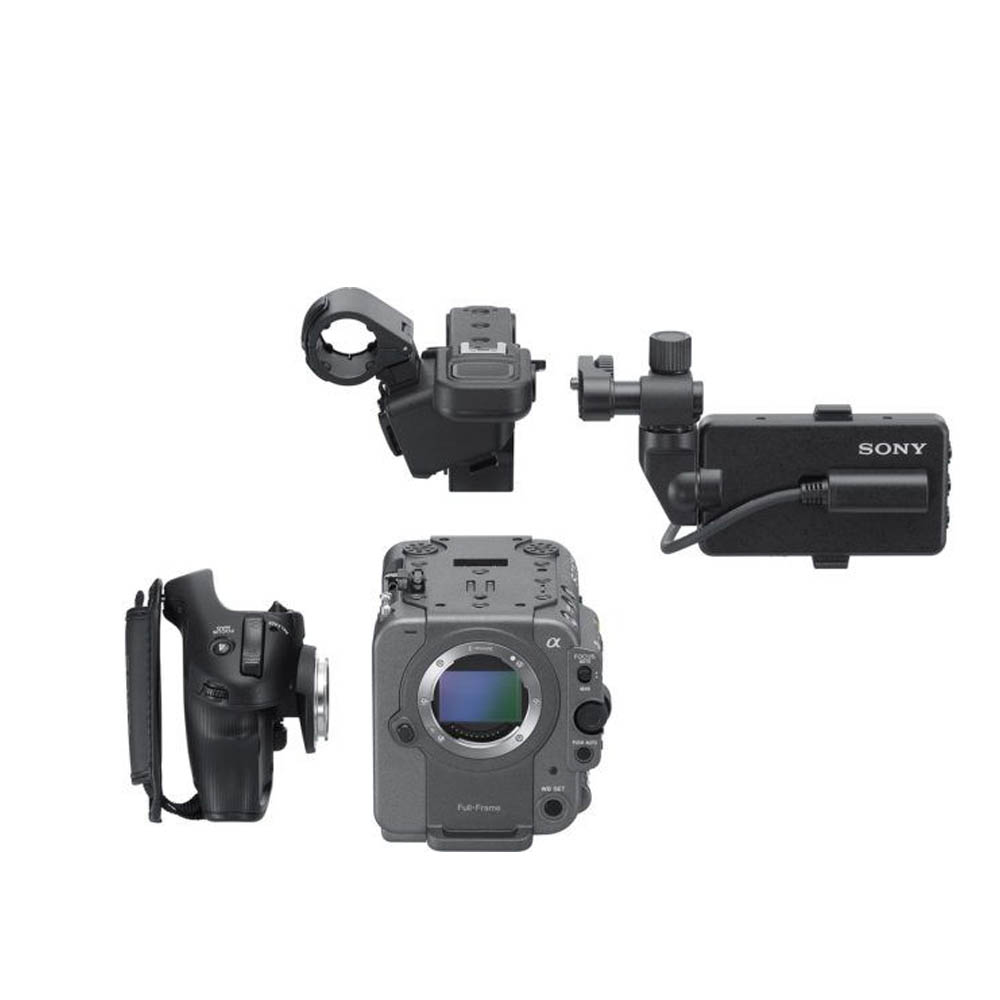
The handle with XLR inputs, the LCD monitor and the grip remote control come in the box and detach. Without them you are left with a 114 × 116 × 153 mm cube that fits on a gimbal or into a small rig.

15+ stops and up to ISO 409,600
The full-frame sensor with 10.2 million effective pixels has a second base ISO of 12,800 in Cine EI mode. A scene lit only by street lamps stays clean, and in S-Log3 it holds over 15 stops of dynamic range.
DCI 4K and 240p slow motion
DCI 4K up to 60p, QFHD and Full HD up to 120p, HD up to 240 frames per second (1420 × 802) in XAVC-I 4:2:2 10-bit.
Focus that stays on the eyes
627 phase-detection points and real-time eye detection; tracking sensitivity and focus transition speed are adjustable.
Four audio channels
Two XLR inputs with +48 V phantom power and a stereo microphone in the handle. Recording in LPCM 24-bit, 48 kHz.
Outputs for production
12G-SDI with 16-bit RAW up to 4K 60p for an external recorder, Type A HDMI, BNC timecode and built-in Wi-Fi.
- The Sony ILME-FX6V gives you freedom for fast and precise shooting. Autofocus with real-time eye detection has adjustable tracking sensitivity and focus transition speed. The variable ND filter keeps the cinematic look as the light changes.
- Besides its compact build, the Sony FX6 offers the detachable Smart Grip, a high-resolution LCD monitor, a heat-dissipating structure for long shooting days and long battery life, so professionals can work without interruption.
- As part of the Cinema Line, the FX6 shares key features with the VENICE and FX9: a full-frame sensor, professional interfaces and advanced autofocus — in the smallest and lightest body of the three.
What the FX6 shares with the FX9
full-frame sensor and E-mount
S-Cinetone, S-Log3 and HLG gamma
variable ND filter from 1/4 to 1/128
two XLR audio inputs
12G-SDI output
How it differs from the FX9
10.2 MP effective sensor instead of the FX9's 6K sensor
DCI 4K 4096 × 2160 recording up to 60p — the FX9 records QFHD 3840 × 2160
one SDI output (the FX9 has two) and a BNC timecode connector switchable between input and output
the body weighs 890 g, the FX9 about 2 kg
Where the FX6 outperforms the FX9
second base ISO of 12,800 versus 4,000 on the FX9, with sensitivity expandable to ISO 409,600
slow motion in QFHD up to 120p, Full HD up to 120p and HD up to 240p at an effective 1420 × 802 (the FX9 reaches 120p only in 2K mode)
two slots for rugged CFexpress Type A cards or widely available SD cards instead of XQD cards
627 phase-detection points on the sensor plane versus 561 on the FX9
XAVC codecs
The FX6 records UHD 4K 4:2:2 in 10-bit to the high-quality yet efficient XAVC-I codec. It offers a choice of professional XAVC Intra and XAVC Long codecs with bitrates from 35 to 600 Mbps.
3.5-inch touchscreen
The 3.5" (8.8 cm) LCD monitor has a resolution of about 2.76 million dots and lets you control the camera by touch. The quick menu holds the key settings: codec, sensor scan mode, frame size and frame rate, base ISO / sensitivity, shooting mode and audio levels.
Four-channel audio recording
The FX6 records up to four audio channels by combining the two XLR inputs on the handle, the Multi Interface shoe and the stereo microphone built into the handle. You can record the main sound with an external microphone and, at the same time, ambience or the operator's voice notes with the built-in one.
Professional inputs and outputs
The SDI output switches between 12G, 6G and 3G-SDI and also carries 16-bit RAW in 4K up to 60p to a compatible external recorder. It is joined by a Type A HDMI output, timecode in and out for multi-camera sync, and built-in Wi-Fi.
PACKAGE CONTENT
- Handle
- LCD monitor
- Grip remote control
- AC adaptor
- Power cord
- Battery charger
- Battery pack
- USB-C cable
- LCD hood
- Cold shoe kit
- Lens mount cap
- Handle connector cap
- "Before Using This Unit" leaflet
- Warranty booklet
SPECIFICATIONS
General
| Weight | approx. 890 g (body only) |
|---|---|
| Dimensions (W × H × D) | 114 × 116 × 153 mm (body without protrusions) |
| Power requirements | DC 19.5 V (DC jack) |
| Power consumption | approx. 18.0 W (recording XAVC-I QFHD 59.94p, SEL24105G lens, LCD monitor on, no external devices) |
| Battery operating time | approx. 105 min with BP-U35, approx. 215 min with BP-U70 (same conditions) |
| Operating temperature | 0 to 40 °C |
| Storage temperature | −20 to +60 °C |
| XAVC Intra recording | DCI 4K 4096 × 2160 and QFHD 3840 × 2160 up to 59.94p (max. 600 Mbps), HD 1920 × 1080 up to 59.94p (max. 223 Mbps) |
| XAVC Long recording | QFHD 3840 × 2160 up to 59.94p (max. 150 Mbps), HD 1920 × 1080 up to 59.94p (50 or 35 Mbps) |
| Audio recording | LPCM 24-bit, 48 kHz, 4 channels |
| Proxy recording | XAVC Proxy 1920 × 1080, 9 Mbps; audio AAC-LC 128 kbps, 2 channels |
Lens
| Lens mount | E-mount |
|---|
Camera
| Sensor | 35 mm full frame, single-chip CMOS sensor |
|---|---|
| Pixels | approx. 12.9 MP total, approx. 10.2 MP effective |
| Built-in optical filters | clear, variable ND filter 1/4 to 1/128 |
| Sensitivity | ISO 800 / 12,800 (Cine EI mode, D55 light source) |
| Latitude | 15+ stops |
| Shutter speed | 64F to 1/8000 s |
| Gain | −3 to 30 dB (1 dB steps), AGC |
| White balance | preset, memory A, memory B (2000–15,000 K), ATW |
| Gamma curves | SDR: S-Cinetone, Standard, Still, ITU709, 709tone; HDR: HLG_Live, HLG_Natural |
| Slow & Quick Motion | DCI 4K 1–60 fps; QFHD 1–60, 100 and 120 fps; HD 1–60, 100, 120, 150, 180, 200 and 240 fps (150–240 fps at an effective 1420 × 802) |
Inputs and outputs
| Audio inputs | 2× XLR 3-pin (female), switchable line / mic / mic +48 V |
|---|---|
| SDI output | BNC, 12G-SDI, 6G-SDI, 3G-SDI (Level A/B) |
| HDMI output | Type A |
| Timecode | BNC, switchable TC IN / TC OUT |
| USB | USB-C (1×), Multi/Micro-B (1×) |
| Headphone output | stereo mini jack (1×), −16 dBu, 16 Ω |
| Speaker | mono |
| Remote | stereo mini-minijack ⌀ 2.5 mm |
| Grip connector | minijack ⌀ 3.5 mm, 4-pin |
Monitoring
| LCD monitor | 8.8 cm (3.5"), approx. 2.76 million dots |
|---|
Built-in microphone
| Built-in microphones | omnidirectional mono in the body, stereo in the handle (electret condenser) |
|---|
Media
| Media | 2× CFexpress Type A / SD slot; slot B also stores configuration data |
|---|
Wi-Fi/NFC
| Wi-Fi | IEEE 802.11 a/b/g/n/ac, 2.4 GHz and 5.2/5.3/5.6/5.8 GHz, WEP/WPA-PSK/WPA2-PSK |
|---|---|
| NFC | NFC Forum Type 3 Tag |
ARTICLES
WE RECOMMEND
The Sony FX6 is a professional full-frame digital film camera that uses the E-mount and requires a specific BP-U power supply. To fully utilize its potential during high-speed 4K 120fps recording, it is essential to use CFexpress Type A memory cards and robust mechanical rigging accessories.
Power and Batteries - The Sony FX6 uses 14.4V BP-U rechargeable batteries and supports expansion with V-Mount systems.
- SWIT S-7004U Battery Plate for Sony BP-U Batteries
- Swit LB-SU98
- SWIT S-3602U 2-Channel BP-U Battery Charger
- Swit LB-SU75 - SONY BP-U Camcorder Battery
- Tilta Battery Plate for Sony FX6 - V-Mount
- SWIT KA-C10U | Sony BP-U Battery Mount for LC-D421
- SmallRig BP-U60 Camcorder Battery 4670
- ZGCINE VM-VP5 for SONY FX6 V-Mount Plate
Memory Cards - High-speed CFexpress Type A cards are required for recording in the highest quality and RAW format.
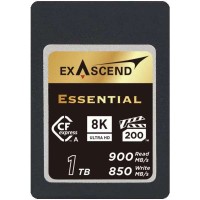
- Exascend Essential Series CFexpress Type A 1TB
- Exascend Essential Series CFexpress Type A 1TB
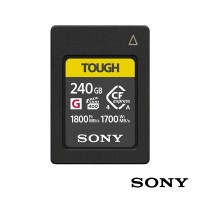
- Sony CFExpress Type A 240GB
Rigs and Mechanical Accessories - Specific accessories for the Sony FX6 that allow for mounting accessories and comfortable shoulder shooting.
- SmallRig Handgrip Rosette Adapter for Sony FX6 3403
- SmallRig Shoulder Rig Kit for Sony FX6 4125B
- Tilta Heavy Duty Vertical Mounting Bracket for Sony FX6
Tripods and Lenses - Professional support and optical accessories compatible with the E-mount and the weight of the film setup.
Parameters
| Manufacturer: | SONY |
| Category: | Digital Cinema |
Main parameters
| Camera Sensor size | Full Frame |
| Resolution | 4K (DCI) · UHD · Full HD |
| Type of bayonet | E-mount |
| Output | HDMI · SDI · 12G SDI · 3G SDI · 6G SDI · Timecode |
| Sensor size | Full Frame |
| Lens mount | Sony E |
| Maximum video resolution | 4K |
| Dynamic range | 15EV |
| Recording media | CFexpress Type A · SD / SDHC / SDXC |
| Video outputs and transfer | HDMI · SDI |
| Sensor stabilization (IBIS) | No |
| Internal RAW / X-OCN | No |
| XLR handle included | Yes |
Other parameters
| Version | cinema camera |
| Record format | XAVC-Intra · XAVC-Long |
| FPS | 4K 60fps · HD 240fps · UHD 120fps |
| Media type | SD card · CFexpress |
| Battery type | BP-U |
| Colour depth | 10 bit |
| Other features | Timecode · WiFi |
Blog and news
Sony Creator Week 21. - 27.9. 2026
Sony Creator Week, September 21–27, 2026: Up to 20% off select gear! Get ready for fall with Sony gear andsave up to 20% on select products. You…
ACCESSORIES (118)
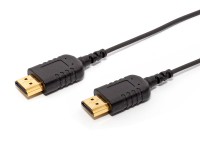
Infinitek HDMI TO HDMI ultra thin flixible 4K cable, 50cm
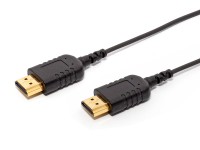
SmallRig BP-U60 Camcorder Battery 4670
Exascend 256GB Catalyst UHS-I SDXC Memory Card
Exascend 480GB Essential Series CFexpress Type A Memory Card
Exascend Essential Pro CFexpress 4.0 Type A 512GB
Exascend 128GB Catalyst UHS-I SDXC Memory Card
Exascend Essential Pro CFexpress 4.0 Type A 256GB
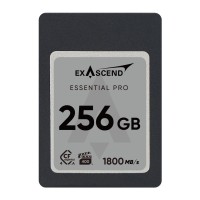
Exascend Essential Series CFexpress Type A 1TB
Exascend Catalyst UHS-II SD card, V90, 64GB
Exascend Essential UHS-I SD card, V30,128GB
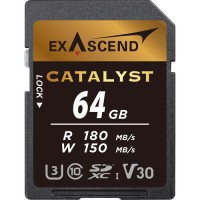
Exascend 64GB Catalyst UHS-I SDXC Memory Card
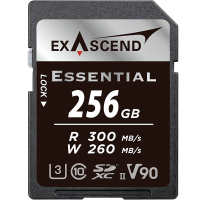
Exascend 256GB Essential UHS-II SDXC Memory Card
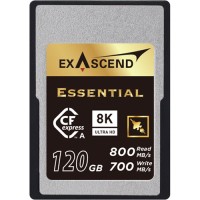
Exascend 120GB Essential Series CFexpress Type A Memory Card
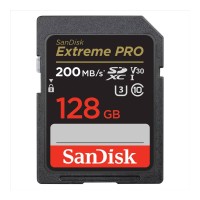
SanDisk Extreme PRO SDXC UHS-I 128GB 200MB/s
Infinitek HDMI TO HDMI ultra thin flixible 4K cable, 80cm
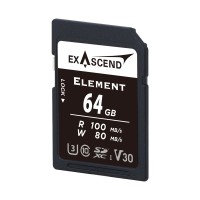
Exascend Element UHS-I SD Card Series 64GB
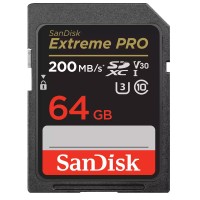
SanDisk Extreme PRO SDXC UHS-I 64GB 200MB/s
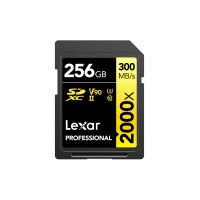
Lexar SDXC Pro 2000X UHS-II U3 R300/W260 (V90) 256GB
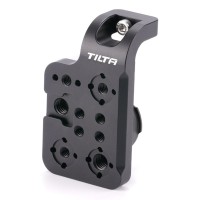
Tilta Heavy Duty Vertical Mounting Bracket for Sony FX6
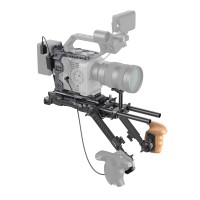
SmallRig Shoulder Rig Kit for Sony FX6 4125B
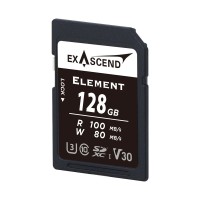
Exascend Element UHS-I SD Card Series 128GB
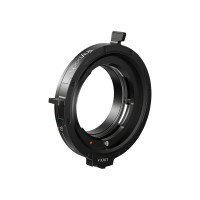
Thypoch Leica M to Sony E Positive-Lock Adapter
Swit LB-SU98
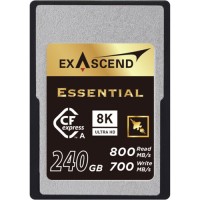
Exascend 240GB Essential Series CFexpress Type A Memory Card
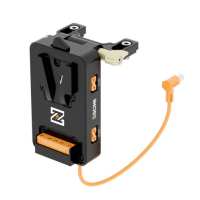
ZGCINE VM-VP5 for SONY FX6 V-Mount Plate
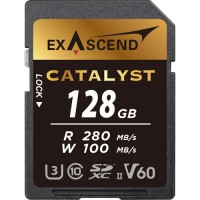
Exascend Catalyst UHS-II SD card, V60,128GB
Tilta Handgrip Extender for Sony FX6
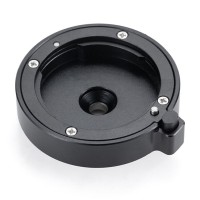
Tilta Multi-Functional Top Plate for Sony FX6
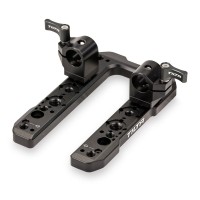
SanDisk Extreme PRO SDXC UHS-II 128GB 300MB/s
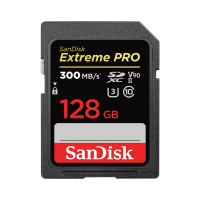
SmallRig Handgrip Rosette Adapter for Sony FX6 3403
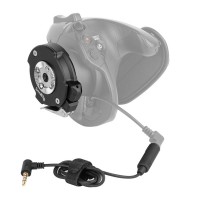
Sony BP-U70
Tilta Nucleus Auto Focus Adapter Dual Nano II Motor Kit (E to PL) - Black
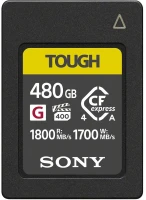
Sony CFexpress Type A CEA-G480T 480 GB
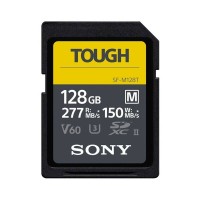
Sony TOUGH SF-M128T 128 GB SDXC UHS-II V60
SmallRig Handheld Rig for Sony FX6 3224
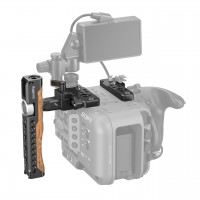
Sony CFexpress Type A CEA-G240T 240 GB
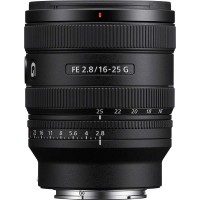
Sony FE 16-25mm F2.8 G
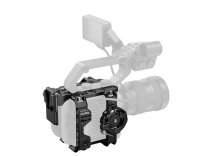
SmallRig Cage Kit for Sony FX6 5801
Tilta Battery Plate for Sony FX6 - V Mount
Sony FE 70-200 mm f/4 Macro G OSS II (E-Mount)
Sony SMAD-P3D
Wise SDXC SD-S UHS-II V60 128GB (SD-S128)
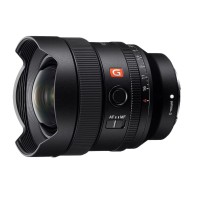
Sony FE 14mm F1.8 GM
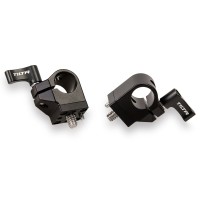
Tilta 15mm Single Rod Holder for Sony FX6(pair)
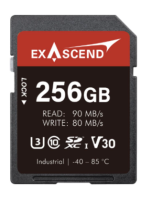
Exascend Industrial SD300 V30 C10 SD 6.0 256GB
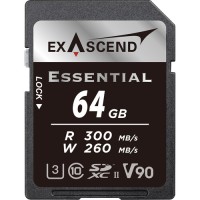
Exascend 64GB Essential UHS-II SDXC Memory Card
Exascend Titanium SDXC UHS-I V30 256GB
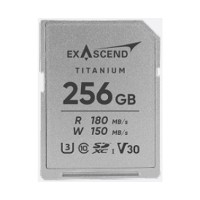
Exascend Industrial SD300 V30 C10 SD 6.0 8GB
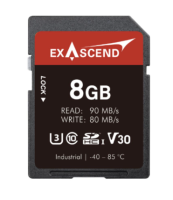
Exascend UHS-I SD Card Series512GB Catalyst
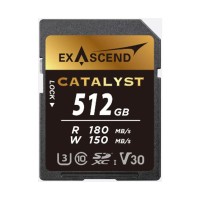
Exascend Industrial SD300 V30 C10 SD 6.0 128GB
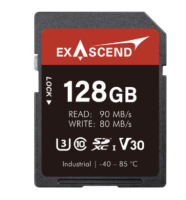
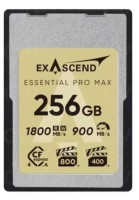
Exascend Essential Pro Max PCIe Gen4x1 CFexpress Type-A 4.0 256GB
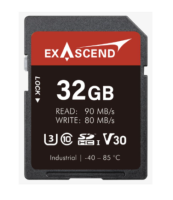
Exascend Industrial SD300 V30 C10 SD 6.0 32GB
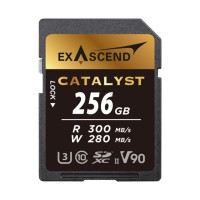
Exascend UHS-II SD Card V90 Series256GB Catalyst
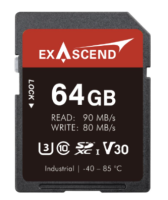
Exascend Industrial SD300 V30 C10 SD 6.0 64GB
Exascend Titanium SDXC UHS-I V30 128GB
Exascend Essential Pro CFexpress 4.0 Type A 1TB
Exascend Essential Pro Max PCIe Gen4x1 CFexpress Type-A 4.0 1TB
Exascend UHS-I SD Card Series 1TB Catalyst
SmallRig Cage Kit for Sony FX6 4124
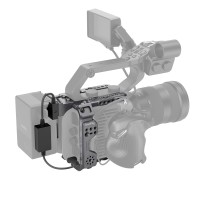
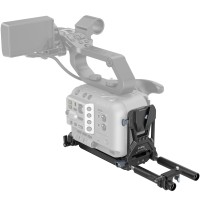
SmallRig V-Mount Battery Mount Plate Kit for Cinema Cameras 4323
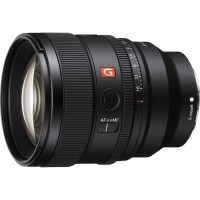
Sony FE 85mm f/1.4 GM II
Infinitek L-5.5CUHWS 3m FLEX 12G-SDI cable BNC-BNC
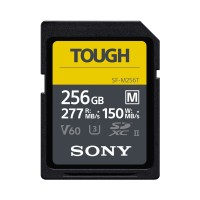
Sony TOUGH SF-M256T 256 GB SDXC UHS-II V60
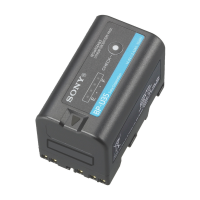
Sony BP-U35
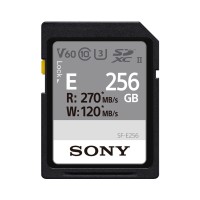
Sony SF-E256 256 GB SDXC UHS-II V60
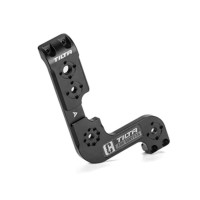
Tilta Side Arm for Sony FX6
Tilta Camera Cage for Sony FX6 Basic Kit (Without Battery Plate)
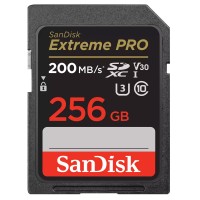
SanDisk Extreme PRO SDXC UHS-I 256GB 200MB/s
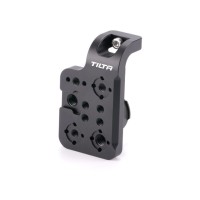
Tilta Vertical Mounting Plate for Sony FX6
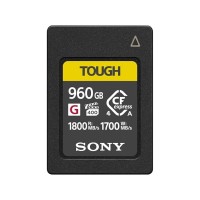
Sony CFexpress Type A CEA-G960T 960 GB
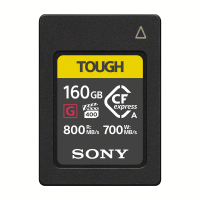
Sony CFexpress Type A CEA-G160T 160 GB
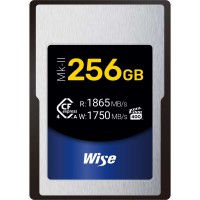
Wise CFexpress 4.0 Type A Mk-II 256GB (CFX4-A256M2)
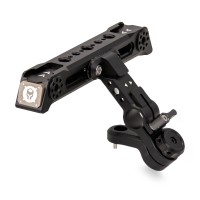
Tilta Adjustable Top Handle for Sony FX6
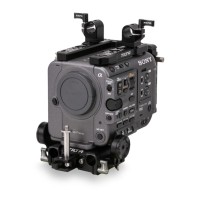
Tilta Camera Cage for Sony FX6 Advanced Kit - V Mount
Sony BP-U100
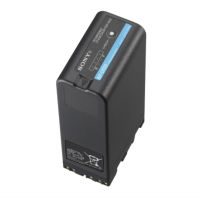
Tilta Camera Cage for Sony FX6 Advanced Kit - Gold Mount
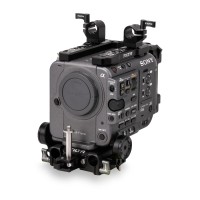
Tamron 20-40mm F/2.8 Di III VXD (Sony E-Mount)
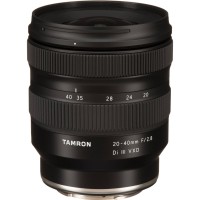
Tilta EVF Bracket for Sony FX6
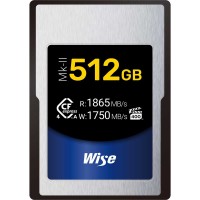
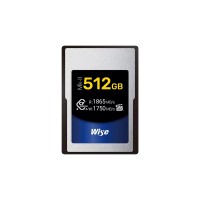
Wise CFexpress 4.0 Type A Mk-II 512GB (CFX4-A512M2)
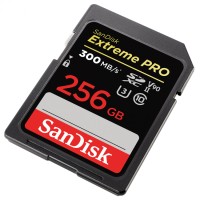
SanDisk Extreme PRO SDXC 256GB 300MB/s V90 UHS-II
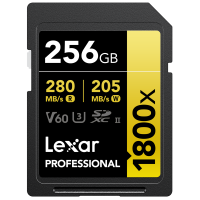
Lexar Pro 1800X SDHC/SDXC UHS-II 256GB
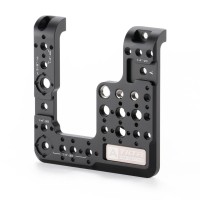
Tilta Side Mounting Plate for Sony FX6
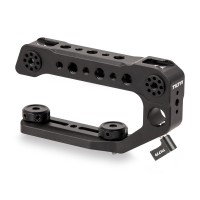
Tilta Top Handle for Sony FX6
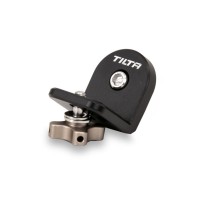
Wireless Video Mounting Bracket for Sony FX6
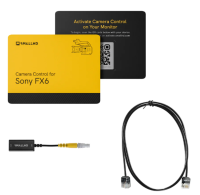
SmallHD Camera Control Kit for Sony FX6 (Cine 5)
Metabones PL to Emount adapter T (Black Matt)
Samyang 6 Lens V-AF Anamorphic Kit
Tilta Quick Release Baseplate for Sony FX6
Tilta Battery Plate for Sony FX6 - Gold Mount
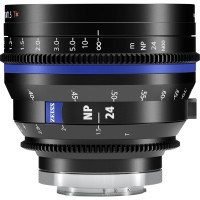
Zeiss Nano Prime 24mm T1.5 (Sony E) (Metric)
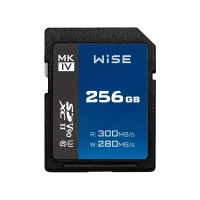
Wise 256GB SDXC UHS-II V90 MK-IV Memory Card
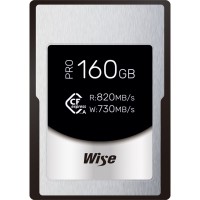
Wise 160GB CFexpress Type A Pro
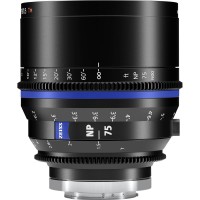
Zeiss Nano Prime 75mm T1.5 (Sony E) (Metric)
Tilta Camera Cage for Sony FX6 Vertical Mounting Kit - V Mount
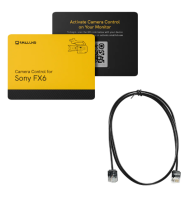
SmallHD Camera Control Kit for Sony FX6 (Ultra 5, Ultra 7, Ultra 10, Cine 7)
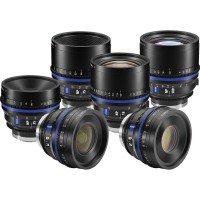
Zeiss Nano Prime 6-Lens Set (Sony E) (Metric)
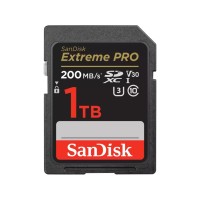
SanDisk Extreme PRO SDXC 1TB 200MB/s V30 UHS-I
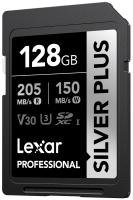
Lexar Pro SDXC Professional SILVER Plus 1066x UHS-I/U3/A2/4K R205/W150 (V30) 128GB
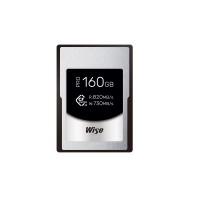
Wise CFexpress Type A PRO - 160GB
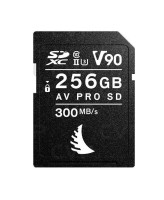
Angelbird 256GB AV PRO SD MK2 V90 UHS-II U3 Class 10 SDXC Memory Card
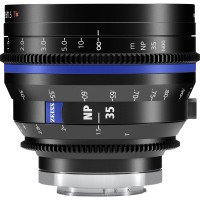
Zeiss Nano Prime 35mm T1.5 (Sony E) (Metric)
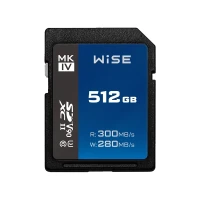
Wise 512GB SDXC UHS-II V90 MK-IV Memory Card
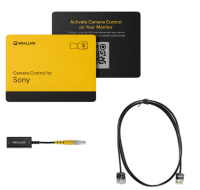
SmallHD Camera Control Kit for Sony BURANO, FX6, VENICE, VENICE 2 (Cine 5)
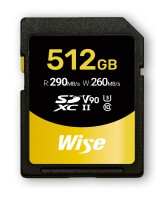
Wise SD-N 512GB SDXC UHS-II V90 Memory Card
Infinitek L-5.5CUHWS 1m FLEX 12G-SDI cable BNC-BNC
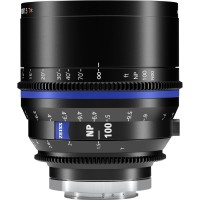
Zeiss Nano Prime 100mm T1.5 (Sony E) (Metric)
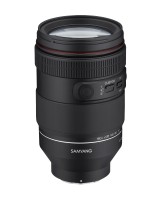
Samyang AF 35-150mm F2-2.8 FE (Sony E)
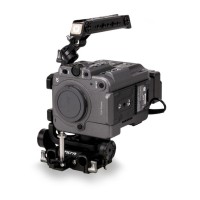
Tilta Camera Cage for Sony FX6 Vertical Mounting Kit - Gold Mount
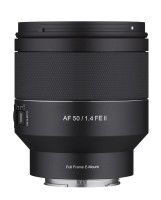
Samyang AF 50mm F1.4 Mk. II FE (Full Frame) (Sony FE)
Zeiss Nano Prime 18mm T1.5 (Sony E) (Metric)
Wise 1TB SDXC UHS-II V90 MK-IV Memory Card
Wise 1TB SDXC UHS-II V60 Memory Card
Angelbird 128GB AV PRO SD MK2 V90 UHS-II U3 Class 10 SDXC Memory Card
Zeiss Nano Prime 50mm T1.5 (Sony E) (Metric)
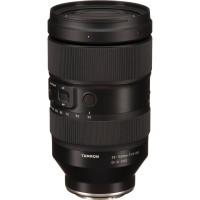
Tamron 35-150mm F/2-2.8 Di III VXD (Sony E-Mount)
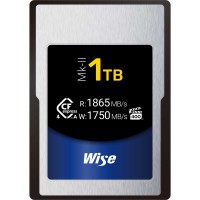
Wise CFexpress 4.0 Type A Mk-II 1TB (CFX4-A1024M2)
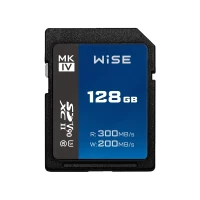
Wise 128GB SDXC UHS-II V90 MK-IV Memory Card
News, training, and discounts from Syntex
Special offers and discounts for subscribers only · Free audio & video workshops · News and tips from the world of filmmaking