
 CZ
CZ SK
SK HU
HU AT
AT DE
DE ES
ES SI
SI HR
HR
Nothing in the basket.

- Search
-
Login

-
0
Comparison
Add products to compare, then they will appear here and you can compare parameters.
-
0
0 €
Blackmagic StudioBridge 10G PWR
SKU: CONVNVIPR/SBB10X8P
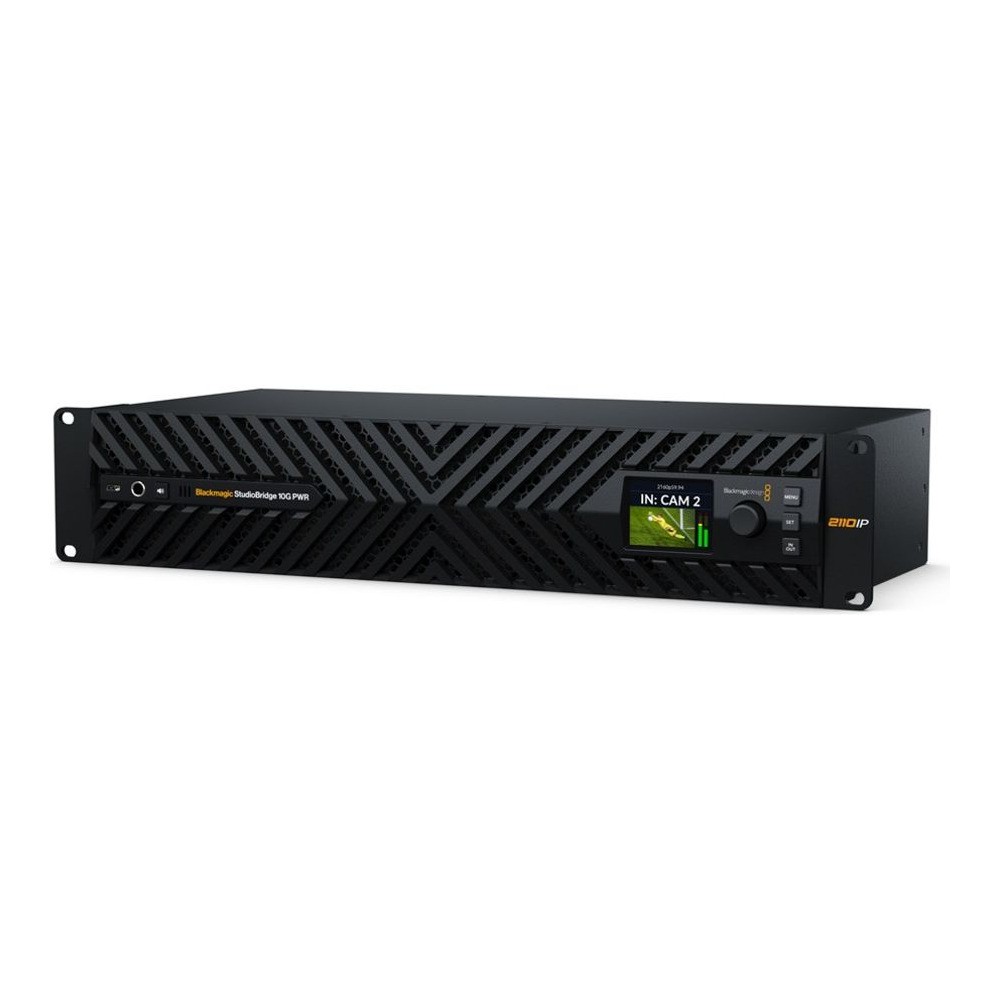
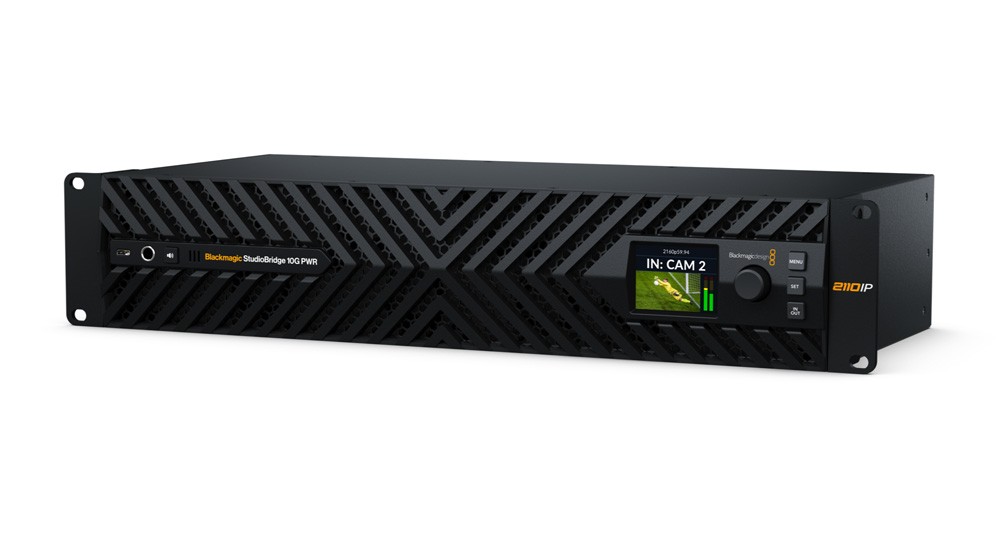
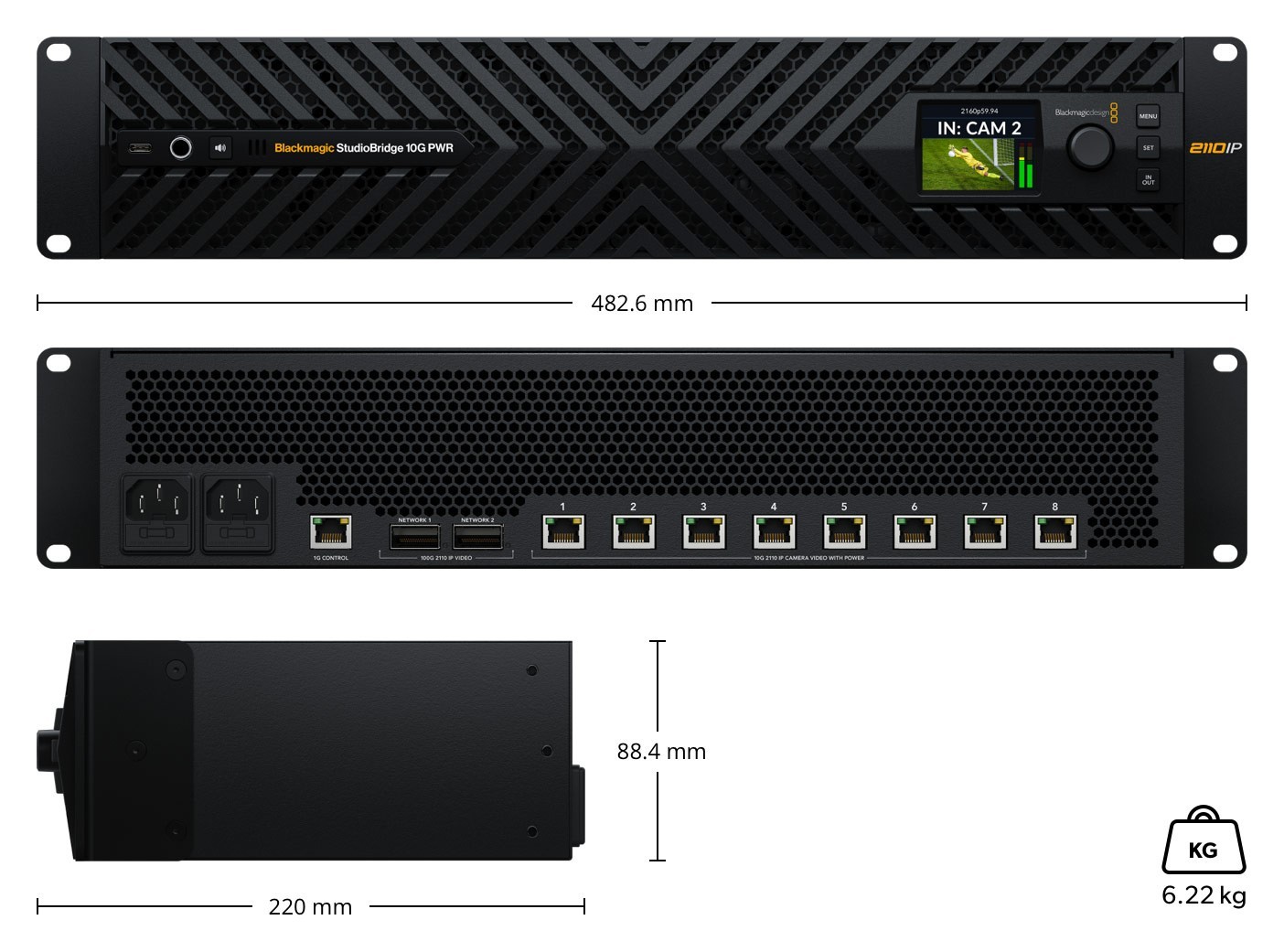
Blackmagic StudioBridge 10G PWR bridges eight separate 10G Ethernet SMPTE-2110 connections into a modern 100G system with SMPTE 2022-7 redundancy. That means up to eight Ultra HD cameras or converters can join an IP video system – and each 10G port also powers them with up to 90 W of PoE++. The 2U rack unit has dual power supplies and front panel control.…
2 739 € with VAT
2 263.64 € without VAT
Availability
on request
Top accessories for Blackmagic StudioBridge 10G PWR
PremiumCord Patch cable CAT 6a S-FTP BLK, 10m
Promotion: -70% ends in: 11d: 00h: 01m
Premiumcord Patch cable CAT 6a S-FTP, RJ45-RJ45, AWG 26/7 black
2.96 €
9.8 €
To be sent > 5 pcs
PremiumCord Patch cable CAT 6a S-FTP BLK, 5m
Premiumcord Patch cable CAT 6a S-FTP, RJ45-RJ45, AWG 26/7 black
5.8 €
In stock 2 pcs
PremiumCord Patch cable CAT 6a S-FTP BLK, 2m
Premiumcord Patch cable CAT 6a S-FTP, RJ45-RJ45, AWG 26/7 black
3.2 €
To be sent 2 pcs
Blackmagic Design 2110 IP Mini BiDirect 12G
Blackmagic 2110 IP Mini BiDirect 12G connects a camera with an SDI interface to an
419 €
To be sent 2 pcs
Blackmagic Ethernet Switch 820
Blackmagic Ethernet Switch 820 is designed for advanced broadcast systems. It delivers
2 549 €
on request
Product description
SPECIFICATIONS
PACKAGE CONTENT
Product description
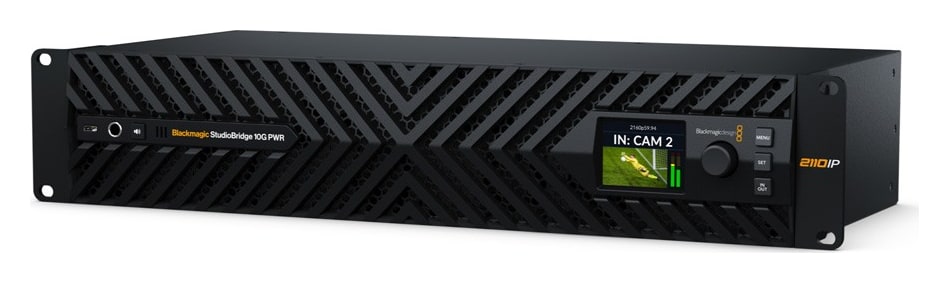
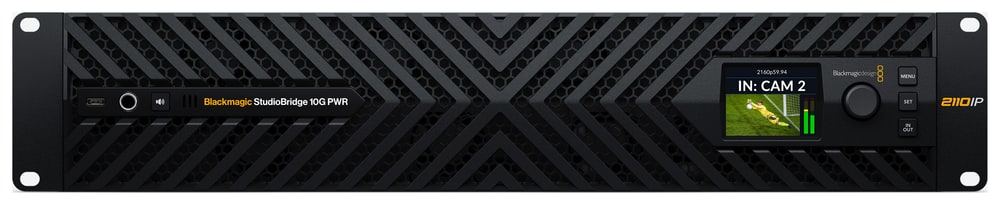
Blackmagic StudioBridge 10G PWR bridges eight separate 10G Ethernet SMPTE-2110 connections into a modern 100G system with SMPTE 2022-7 redundancy. That means up to eight Ultra HD cameras or converters can join an IP video system – and each 10G port also powers them with up to 90 W of PoE++. The 2U rack unit has dual power supplies and front panel control.
Eight 10G Devices in a Redundant 100G System
A bridge between affordable single link 10G devices and a 100G backbone: eight channels are combined into a redundant pair of QSFP28 links.
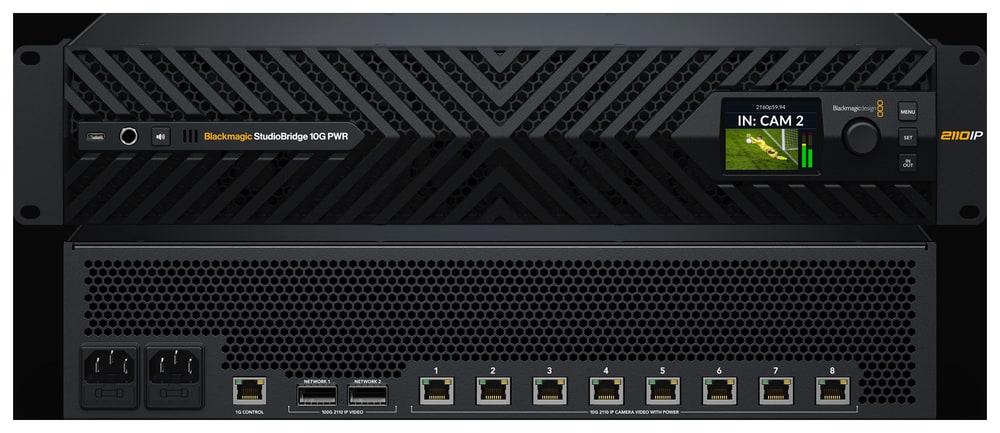
8× 10G RJ45 PoE++2× 100G QSFP28SMPTE 2022-7HD and Ultra HD2U rack mount
90 W on every port
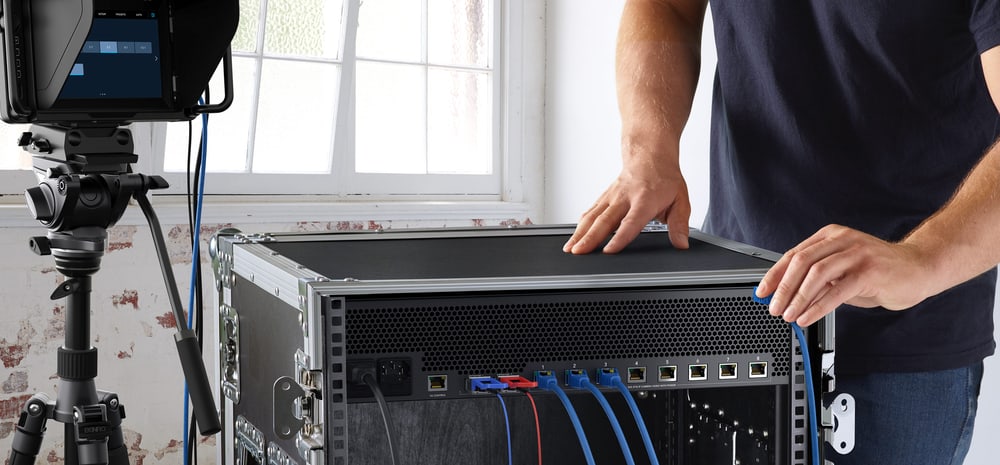
Each of the eight 10G ports supplies up to 90 W of PoE++, so cameras and converters at the other end of the cable need no power supply of their own.
Separate NMOS control
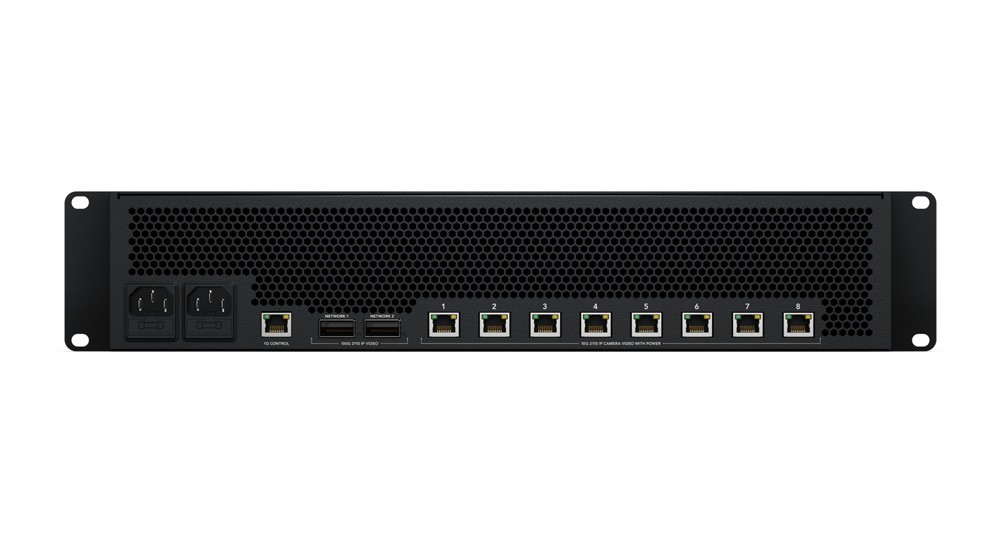
1G RJ45 port for NMOS, configuration and updates; USB-C for setup.
Dual power supplies
Two internal 100–240 V power supplies and two IEC C14 inputs.
Blackmagic IP10 codec
Optional for 2160p59.94 and 2160p60 as 2110 IP video.
Monitoring on the front panel
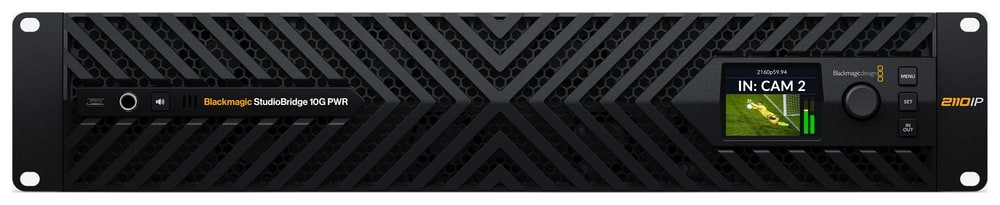
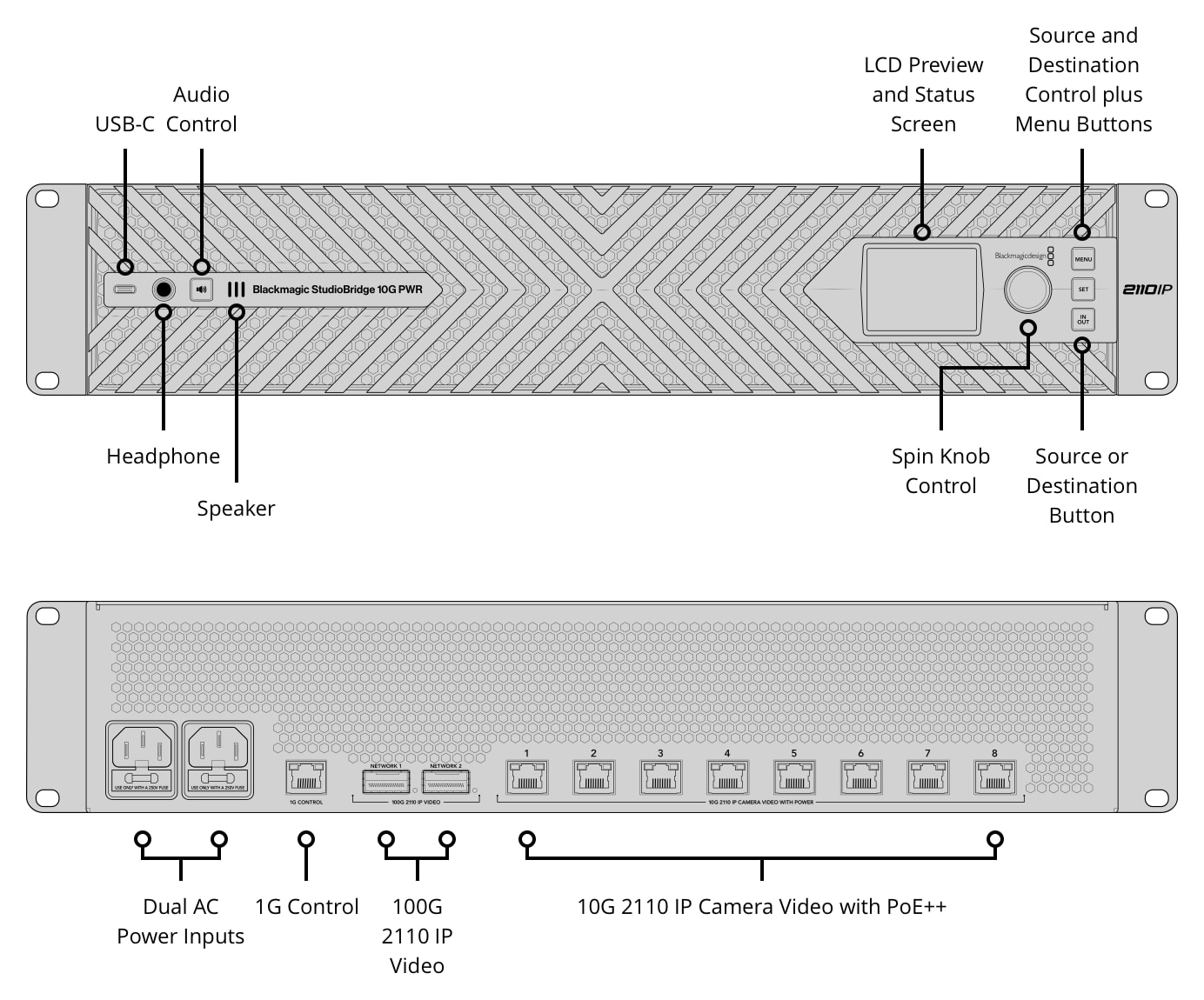
The built-in 2.2″ LCD display, three buttons and spin knob give access to video, audio, standard and timecode right on the front panel; the spin knob scrolls through all inputs. A speaker and headphone output are used for audio checks.
A bridge between the network edge and the 100G backbone
The unit combines eight Ultra HD or HD sources. Two 100G QSFP28 links support ST 2022-7: identical IP streams run over two separate networks and the system seamlessly uses the packet that arrives first.
10-bit video and 16 audio channels
Every 2110 IP video stream carries 16 channels of embedded audio; video is 10-bit 4:2:2 in the Rec. 709 or Rec. 2020 color space. The unit detects HD and Ultra HD automatically.
Connections
The rear panel has dual AC power inputs, a 1G control port, two 100G QSFP28 ports for 2110 IP video and eight 10G RJ45 ports with PoE++ for cameras and converters.
More information
Redundancy for smooth IP operation
Blackmagic StudioBridge 10G PWR is designed to bridge single link 10G Ethernet SMPTE-2110 devices into redundant 100G Ethernet systems. Eight separate 10G Ethernet devices can work over a redundant pair of 100G links, while PoE++ power runs over the same Ethernet cable.
Blackmagic 2110 IP products work with the SMPTE-2110 standard for the transport, synchronization and description of 10-bit video, audio and ancillary data over a managed IP broadcast network. SMPTE 2022-7 redundancy sends two identical copies over separate network paths and compares incoming RTP packets by sequence number, so the output stays smooth even if one path fails.
PACKAGE CONTENT
- Blackmagic StudioBridge 10G PWR
- Welcome card with QR code for software download
SPECIFICATIONS
- 100G 2110 IP network: 2× 100G QSFP28; SMPTE 2022-7 redundancy over two 2110 networks
- 10G 2110 IP network: 8× 10G RJ45 with PoE++
- Channels: 8× Ultra HD or HD per 100G pair
- 1G control network: 1× 1G RJ45 for NMOS, configuration and updates
- Computer interface: 1× USB-C for configuration and updates
- Audio: 16 channels of embedded audio on every 2110 IP stream
- Audio monitoring: front panel speaker, 6.35 mm headphone output
- HD standards: 720p50, 720p59.94, 720p60; 1080i50, 1080i59.94, 1080i60; 1080p23.98, 1080p24, 1080p25, 1080p29.97, 1080p30, 1080p50, 1080p59.94, 1080p60; 1080PsF25, 1080PsF29.97, 1080PsF30
- Ultra HD standards: 2160p23.98, 2160p24, 2160p25, 2160p29.97, 2160p30, 2160p50, 2160p59.94, 2160p60
- IP compliance: SMPTE 2110-20, 2110-21, 2110-30 (Level C), 2110-40; IGMP v3; SMPTE 2022-7
- Synchronization: IEEE 1588-2008 (PTP v2), ST 2059-1, ST 2059-2
- NMOS: IS-04 v1.3.2, IS-05 v1.1.2, BCP-002-01, BCP-004-01
- Codec: Blackmagic IP10 optional for 2160p59.94 and 2160p60
- Color precision and space: 10-bit YUV 4:2:2; Rec. 709 and Rec. 2020
- Control: 2.2″ color LCD display, 3 buttons, spin knob
- Power: 2× internal 100–240 V AC power supply, 50/60 Hz; 2× IEC C14
- PoE++ output: 8× up to 90 W for compatible PoE devices
- Installation: 2U, 19″ rack mount
- Dimensions (W × D × H): 482.6 × 220 × 88.4 mm
- Weight: 6.22 kg
- Operating systems: macOS 15 Sequoia, macOS 26 Tahoe or later; Windows 11
- Operating temperature: 5 to 40 °C
- Storage temperature: -20 to 45 °C
- Relative humidity: 0–90%, non-condensing
- Warranty: 1 year limited manufacturer’s warranty
Parameters
Parameters
| Manufacturer: | Blackmagic Design |
| Category: | Signal converters |
Main parameters
| Other features | Audio output · LCD display · auto format adaptation |
| Source | IP · Ethernet |
| Target | IP · Ethernet |
ACCESSORIES (5)
ACCESSORIES (5)
PremiumCord Patch cable CAT 6a S-FTP BLK, 10m
Promotion: -70% ends in: 11d: 00h: 01m
Premiumcord Patch cable CAT 6a S-FTP, RJ45-RJ45, AWG 26/7 black
2.96 €
9.8 €
To be sent > 5 pcs
PremiumCord Patch cable CAT 6a S-FTP BLK, 5m
Premiumcord Patch cable CAT 6a S-FTP, RJ45-RJ45, AWG 26/7 black
5.8 €
In stock 2 pcs
PremiumCord Patch cable CAT 6a S-FTP BLK, 2m
Premiumcord Patch cable CAT 6a S-FTP, RJ45-RJ45, AWG 26/7 black
3.2 €
To be sent 2 pcs
Blackmagic Design 2110 IP Mini BiDirect 12G
Blackmagic 2110 IP Mini BiDirect 12G connects a camera with an SDI interface to an
419 €
To be sent 2 pcs
Blackmagic Ethernet Switch 820
Blackmagic Ethernet Switch 820 is designed for advanced broadcast systems. It delivers
2 549 €
on request
Alternative (4)
Alternative (4)
Blackmagic SDI Expander 8x12G
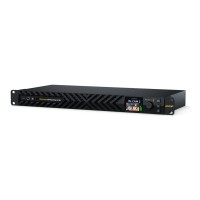
Blackmagic SDI Expander 8x12G connects eight 12G-SDI inputs and eight 12G-SDI outputs
3 269 €
on request
Blackmagic Design 2110 IP Converter 8x12G SFP
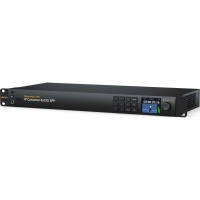
Blackmagic 2110 IP Converter 8x12G SFP links eight independent bidirectional 12G-SDI
2 789 €
on request
Blackmagic UpDownCross 100G
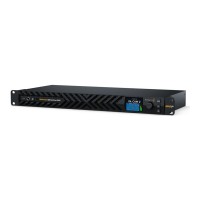
Blackmagic UpDownCross 100G is a powerful eight-channel standards converter with
2 669 €
on request
Blackmagic StudioBridge 100G
Blackmagic StudioBridge 100G is a 1U IP video bridge for bringing one or two high-bandwidth
2 739 €
on request
News, training, and discounts from Syntex
Special offers and discounts for subscribers only · Free audio & video workshops · News and tips from the world of filmmaking
- Show all
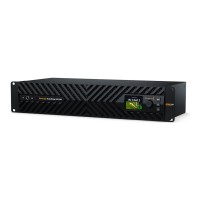
Blackmagic StudioBridge 10G PWR
Blackmagic StudioBridge 10G PWR bridges eight separate 10G Ethernet SMPTE-2110 connections2 739 €on request